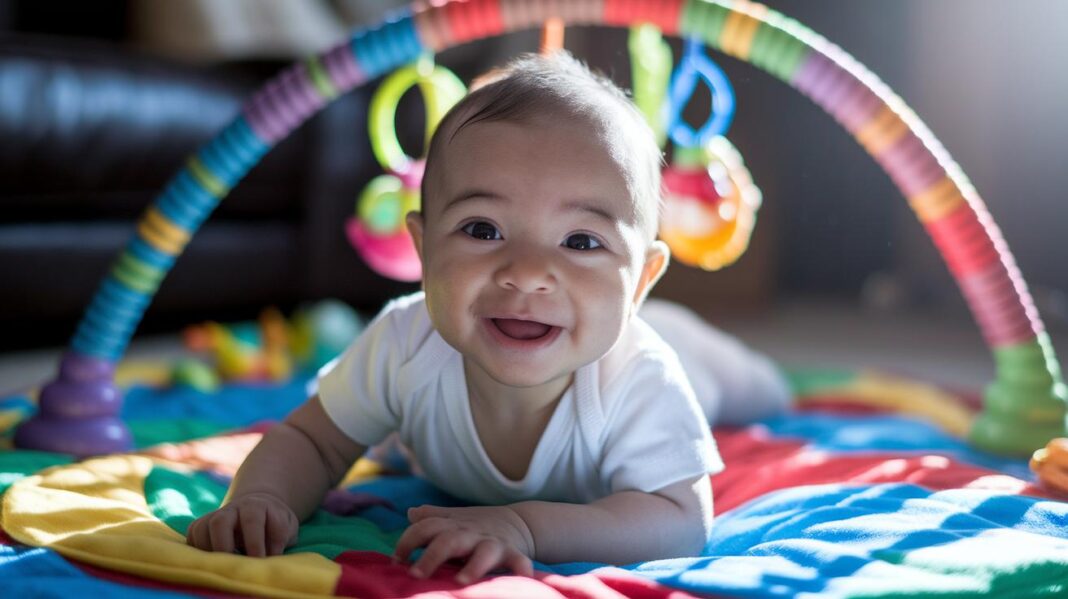
Have you ever noticed your two-month-old baby light up with a little smile? At this age, every tiny moment feels special. Your baby might start making soft cooing sounds and even follow your hand when you're playing tummy time. These gentle changes are the first signs of growing strength in both body and social skills.
In this post, we'll chat about these early milestones and explore what each new smile and sound means for your little one. It's all about watching them grow, one sweet moment at a time.
Quick Overview of Key Infant Milestones at 2 Months
At 2 months, your baby is making some really sweet and exciting progress. Around 8 to 12 weeks, many little ones start giving their very first real smiles. These smiles show that they’re beginning to connect with you and the world around them. You might even hear them making soft cooing sounds, which is a gentle first step toward communicating their needs and feelings.
Physically, your baby is growing stronger every day. When lying on their tummy, they can lift their head up to about a 45° angle. This progress means their neck muscles are getting stronger, and you'll likely see smoother movements in their arms and legs during play. Have you ever noticed how their eyes follow your hand as it moves? That watching and tracking is a big sign of their growing ability to explore their surroundings.
| Milestone Category | Key Indicators |
|---|---|
| Physical & Motor | Lifting head up to 45° during tummy time; smoother arm and leg movements |
| Social & Sensory | Social smiles, cooing sounds, and visual tracking of faces and objects |
Physical Growth Benchmarks at Two Months

At two months, your baby grows fast, and it’s so exciting to see all those little changes. For example, baby girls usually weigh about 11.3 lb, while baby boys might be around 12.3 lb. In terms of length, girls often reach around 22.5 inches and boys about 23 inches. Every month, you can expect your little one to grow roughly 1 to 1.5 inches in length and gain around 2 lb in weight, with their head growing by about 0.5 inch as well. These numbers give you a gentle snapshot of your baby’s progress and can help when you’re looking at growth charts during checkups.
When you visit your pediatrician, they’ll check these measurements to see if your baby is developing at a nice, steady pace. It’s totally normal to notice small differences from one baby to another, so if something seems off or you’re just curious, don’t hesitate to bring it up with your doctor.
- Weight ranges and gain targets
- Length measurements
- Head-circumference norms
- When to discuss concerns with a pediatrician
Emerging Motor Coordination and Reflexes at 2 Months
At around two months, your baby starts showing little signs of growing muscle and reflexes. During tummy time, you might see them lifting their head or pushing up with their arms. This gentle movement is a sign that they’re getting stronger and learning how to control their body.
Emerging Primitive Reflexes
You may also notice some natural, built-in reflexes at this stage. If you touch near your baby’s mouth, they might turn their head, that’s the rooting reflex, which helps with feeding. Also, when you place something in their hand, they might grip it briefly, showing the palmar grasp. These actions signal that their nervous system is developing and that they’re beginning to move more purposefully.
- During tummy time, they lift their head and push up with their arms.
- Their arms and legs begin to move more smoothly during play.
- They show a rooting reflex when touched near the mouth.
- They display the palmar grasp by briefly holding onto fingers or toys.
- Sometimes, they’ll let their little hands open up gently, like a soft petal unfolding, showing early hand control.
Sensory Milestones: Vision and Hearing in Two-Month-Olds
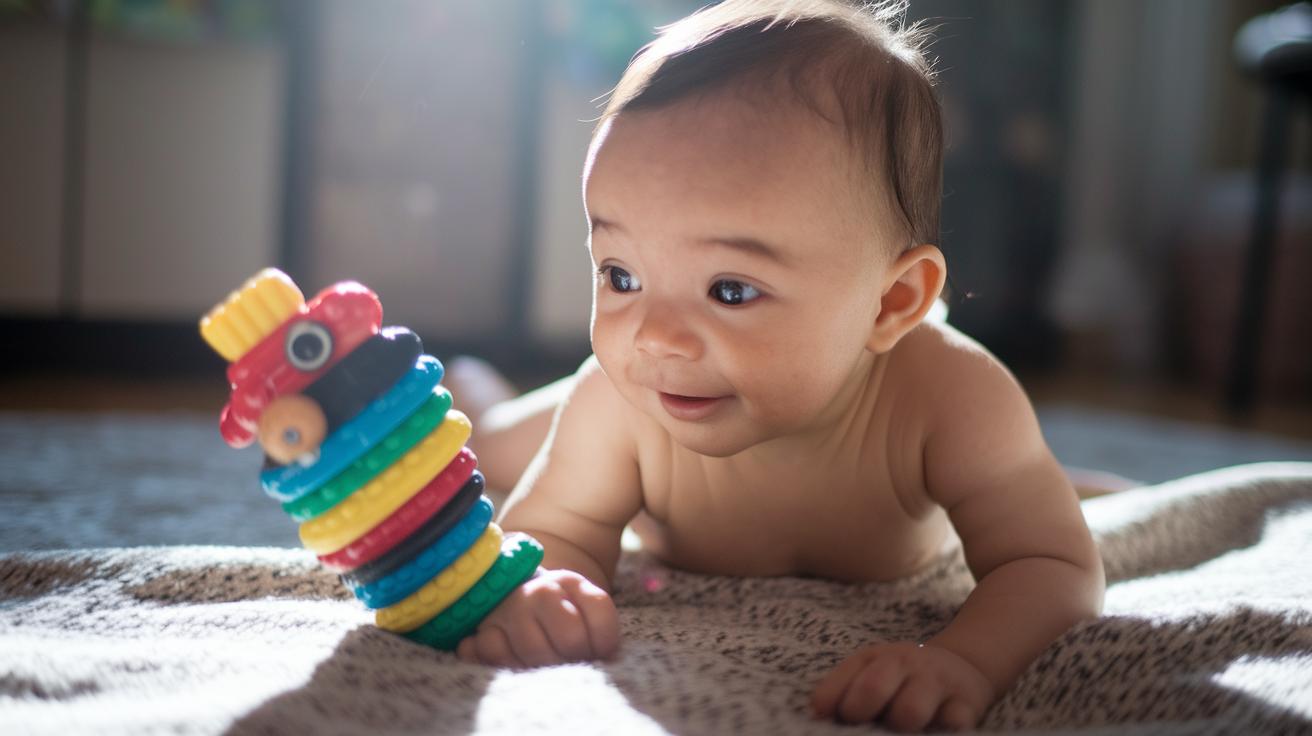
At two months old, your baby is starting to see and hear things a bit differently. Their eyes now follow moving toys or a smiling face, and you might notice them shifting their gaze as they take in the scene. Soft voices, like your gentle hum or familiar words, often soothe them, even bringing a little smile. And yes, a sudden sound might make them startle for a moment, this is just their natural way of reacting to something unexpected.
- Tracking: Your baby now follows moving objects or faces with their eyes.
- Gaze shifts: They look from one point to another as they explore what’s around them.
- Calming to voice: Familiar and kind voices help relax them during play.
- Startle reflex: A quick, natural reaction to sudden sounds (this is often called the Moro reflex).
These milestones are little windows into your baby's growing world. Every new look and sound is a chance for both of you to connect and share a quiet, joyful moment.
Social and Emotional Milestones for 2-Month-Old Infants
At 2 months, your little one is already starting to show how they connect with you. They give you sweet smiles, gentle coos, and even turn their head to catch your smile. These early moments set the stage for a bond that makes your baby feel secure and loved as they grow. When you sit down for a face-to-face chat and say, "Hello, sweetie," with a bright smile, it's like a little sneak peek of many heartfelt chats ahead.
Here are some simple ways to celebrate these moments:
- Enjoy face-to-face time: Hold your baby close, smile warmly, and say, "You're so adorable!"
- Use gentle, loving words: Softly share, "I love spending time with you," to make your baby feel safe.
- Play peek-a-boo: Cover your face for a moment and then say, "Peek-a-boo, I see you!" to draw out that joyful smile.
- Imitate their coos: Copy those sweet sounds they make to encourage even more vocal play.
Each of these little interactions is like a tiny seed that helps build a strong, caring bond. Isn’t it amazing how a simple smile can fill a moment with so much love?
Sleep Cycle Trends and Feeding Patterns at Two Months
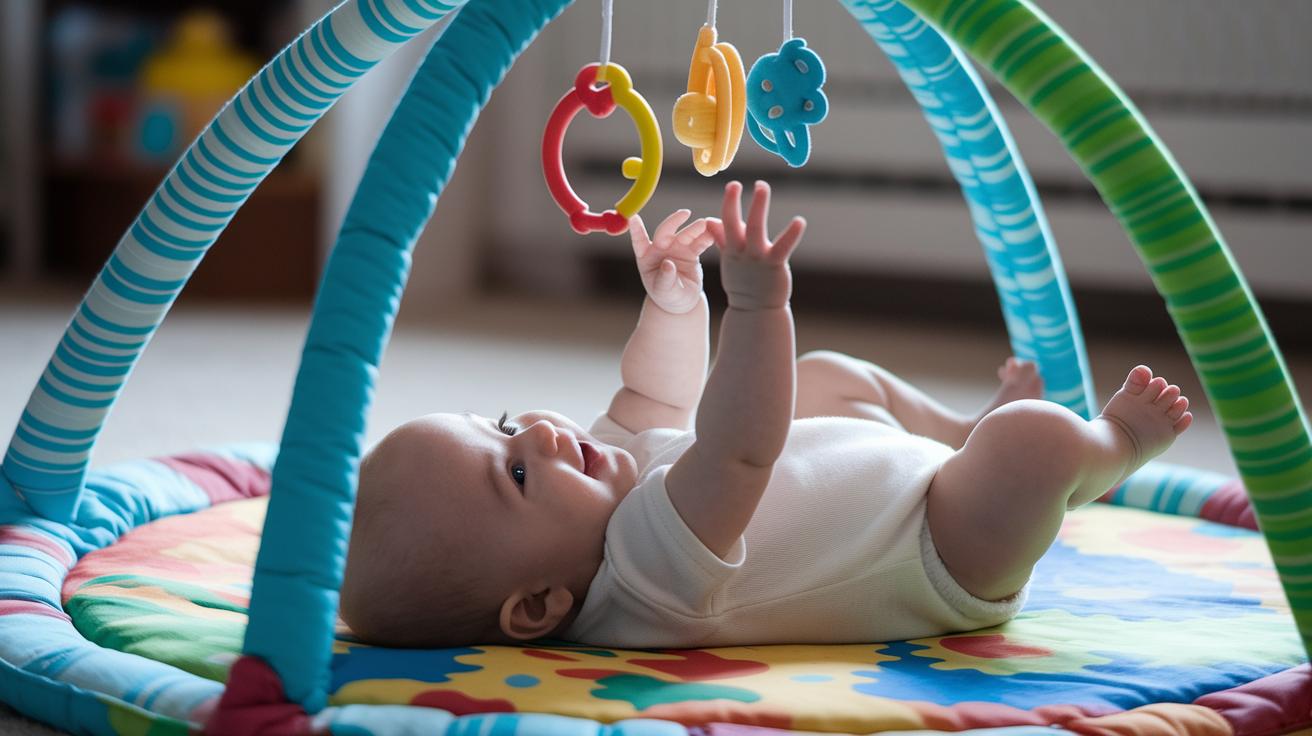
At two months, your baby begins to settle into a sweet, steady rhythm that helps with growth and energy. Most little ones sleep about 15.5 hours a day, mixing shorter daytime naps with longer stretches at night.
During the day, your baby usually enjoys 4 to 5 naps that add up to around 5 or 6 hours of sleep. At night, they might sleep for as long as 6 hours at a time, helping their little body recharge. And don’t forget feeding, every 3 to 4 hours, your baby gets a nourishing top-up, usually about 4 to 5 oz of breastmilk or formula per session.
These predictable patterns can be really useful in setting up routines that make mealtimes and sleep feel just right.
Here’s a simple checklist to guide you:
- Sleep Duration: Aim for about 15.5 hours of sleep each day.
- Nap Frequency: Expect 4–5 naps during daytime.
- Feeding Intervals: Feed every 3–4 hours.
- Volume Guidelines: Offer around 4–5 oz per feeding; check out infant nutrition for more insights.
- Safe-Sleep Reminders: Always place your baby on their back and keep the sleep area clear of loose bedding.
infant milestones at 2 months: bright beginnings
At 2 months, your little one is soaking up a world of new sights, sounds, and textures. Even the simplest playtime can light up those ever-growing brain connections. Bright toys and bold patterns aren’t just fun; they help your baby learn to focus on and follow moving objects. A playful session on an infant gym or watching a mobile dance overhead can turn a calm afternoon into a delightful adventure in discovery.
Talking or reading softly to your baby lays a gentle foundation for learning language, while skin-to-skin moments create a warm, secure bond that supports their growing mind. A bit of gentle music or a favorite lullaby can offer a soothing backdrop, helping your baby fine-tune their ability to take in all the new sensory details. And every little smile or coo signals that your baby is beginning to understand this busy, beautiful world.
Here are some simple activities to boost learning and sensory skills:
| Activity | Description |
|---|---|
| Playtime with Toys | Use brightly colored, safe toys during tummy time. |
| Visual Stimulation | Show high-contrast picture cards for a visual treat. |
| Skin-to-Skin Time | Engage with your baby by talking or reading softly while sharing skin-to-skin moments. |
| Cause-and-Effect | Introduce a gentle rattle to help them learn about cause and effect. |
| Mobile Magic | Hang a mobile above the crib and watch your baby track its movement. |
Every small activity adds up. They create wonderful beginnings by sparking early focus and nurturing your baby’s sense of the world, one joyful moment at a time.
Monitoring Progress and Recognizing Red Flags at Two Months
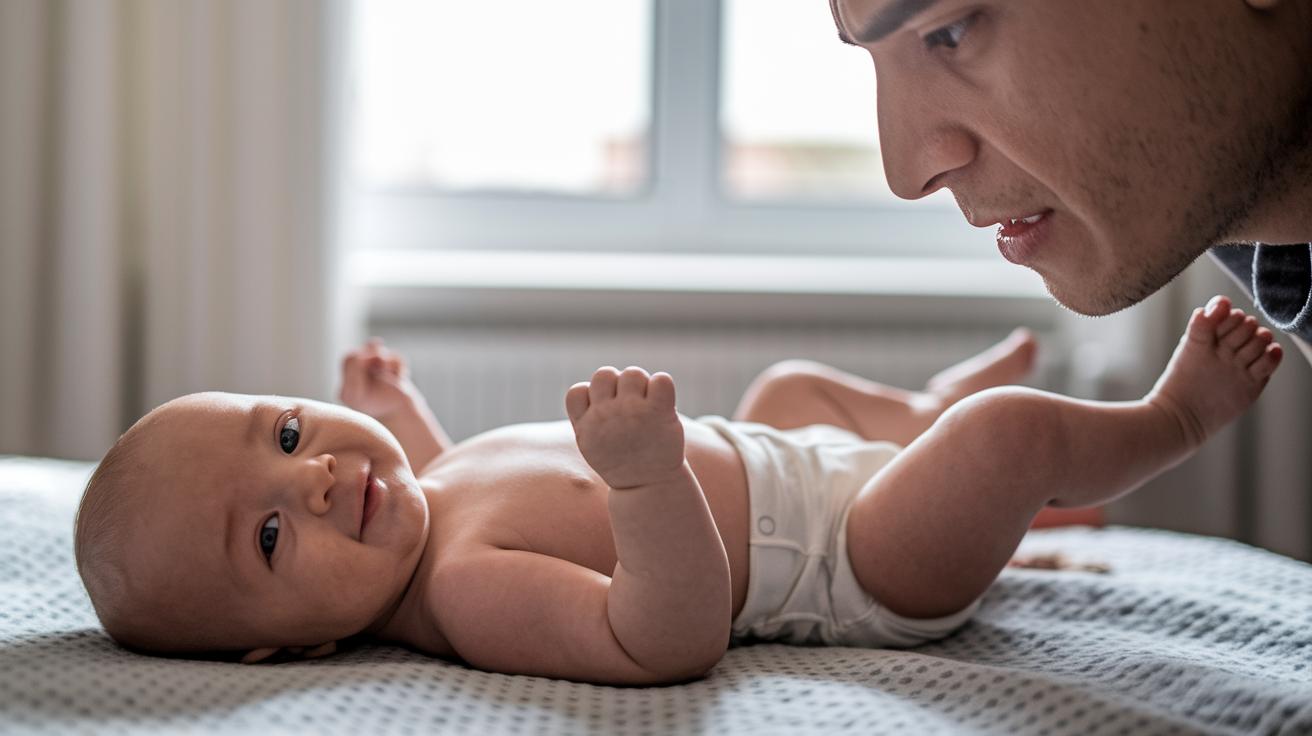
At two months, your baby is growing beautifully, and it’s a lovely time to notice tiny signs that may need a closer look. Some little ones hit their milestones effortlessly, while others might show signals that deserve extra attention. Your doctor will use the 2-month visit to check vaccinations and do some basic screenings to make sure your baby’s growth is right on track. As you enjoy those first heartwarming smiles and gentle coos, keep your eyes open for any concerns. Catching these signs early means you can have another chat with your healthcare provider, especially if worries continue at the 4-month visit.
- Not smiling socially by 12 weeks
- Tummy time with very weak head control
- Poor eye tracking or not reacting when familiar faces are near
- Very few cooing sounds as a way of early communication
- Regularly refusing tummy time and seeming disengaged during play
Final Words
In the action, we explored the physical, motor, sensory, social, and sleep milestones your baby may reach at two months. Every tip on monitoring head control and cooing, along with ideas for tummy time and early engagement, brings practical guidance to day-to-day care. Small changes signal growth and help you spot red flags early on. Remember, every moment spent nurturing your baby contributes to mastering those infant milestones at 2 months. It’s all about cherishing progress and looking ahead with hope and confidence.
FAQ
What should my baby be doing at 2 months?
At 2 months, your baby typically begins smiling socially, lifting their head during tummy time, following objects with their eyes, and starting to coo—early signs of growth and connection.
What are common 2‑month‑old baby activities?
At this age, babies often enjoy tummy time, gentle arm and leg movements, and looking at high-contrast objects, all of which help build sensory skills and physical endurance.
What are the key infant milestones at 2 months, including intellectual development?
The main milestones include early social smiles, simple cooing sounds, improved head control, clear eye tracking, and smoother limb movements, marking both physical and early intellectual progress.
How much should my 2‑month‑old baby weigh and grow?
At 2 months, typical weights are around 11.3 lbs for girls and 12.3 lbs for boys, with steady gains in length and head size routinely tracked during well-baby visits.
Where can I find a 0‑12 months baby milestones chart or checklist?
Many health resources offer milestone charts that cover developmental progress from birth to one year, providing a handy reference to track your baby’s growth and share insights with your pediatrician.
What are developmental red flags I should watch for at 2 months?
Red flags include not smiling socially by 12 weeks, poor head control, limited eye tracking, absence of early cooing, or strong resistance to tummy time—signals to discuss with your pediatrician.
Is there a downloadable PDF for infant milestones at 2 months?
Some trusted health sites offer downloadable PDF checklists detailing key 2-month milestones, helping you monitor progress and support discussions with your healthcare provider.
What does the CDC say about infant milestones at 2 months?
CDC guidelines note that by 2 months, infants should show increased head control, social smiles, consistent eye tracking, and early cooing, which point to healthy developmental trends.
How can I support my 2‑month‑old baby’s intellectual development?
Engaging in gentle talking, reading aloud, skin-to-skin time, and offering brightly colored or high-contrast objects are effective ways to support early brain development.