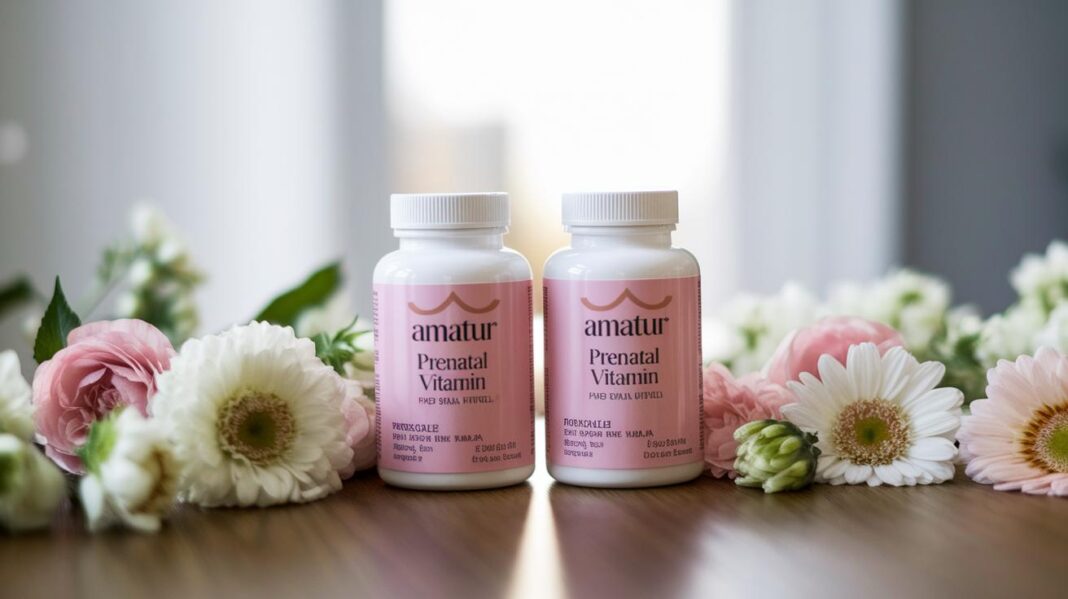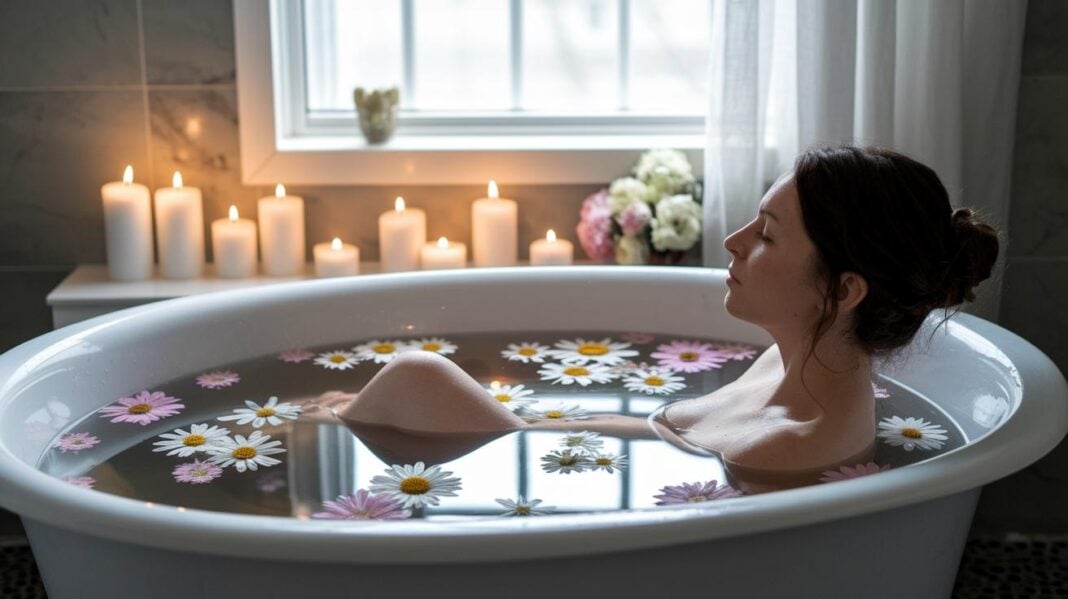
Have you ever thought about trying a warm herbal bath after your baby is born? Imagine sinking into a bath filled with familiar dried herbs and pretty flowers that help ease sore muscles and quiet your busy mind.
This post explains how a simple herbal soak can ease discomfort and support healing after delivery. By mixing long-trusted practices with today’s care, an herbal bath gives you a peaceful, nurturing moment, a small break during the hectic days of new motherhood.
Postpartum Herbal Bath Benefits for New Mothers
After childbirth, a warm herbal bath can be a lovely way to help your body heal. This special soak uses dried herbs and flowers to bring a sense of calm and ease you into the new journey of motherhood. With a simple DIY mix that makes 6 cups, you can enjoy a full-tub bath or a sitz bath, whatever feels best that day.
This healing bath blends trusted botanicals to comfort your body and support tissue repair while reducing swelling. Many moms say the soft warmth relaxes tired muscles and soothes irritated skin. Imagine soaking in a bath where every drop works to ease tightness and help your body feel more comfortable after delivery. It’s a quiet moment just for you, a time to nurture yourself even when life gets busy.
It also offers soothing relief for perineal discomfort and can help with hemorrhoid pain. Even a few minutes in a gentle sitz or tub bath can ease discomfort and melt away some of the stress. It’s a little reminder to take a break and care for yourself during this special time.
Traditional Postnatal Remedy and Modern Perspectives on Herbal Bath Postpartum
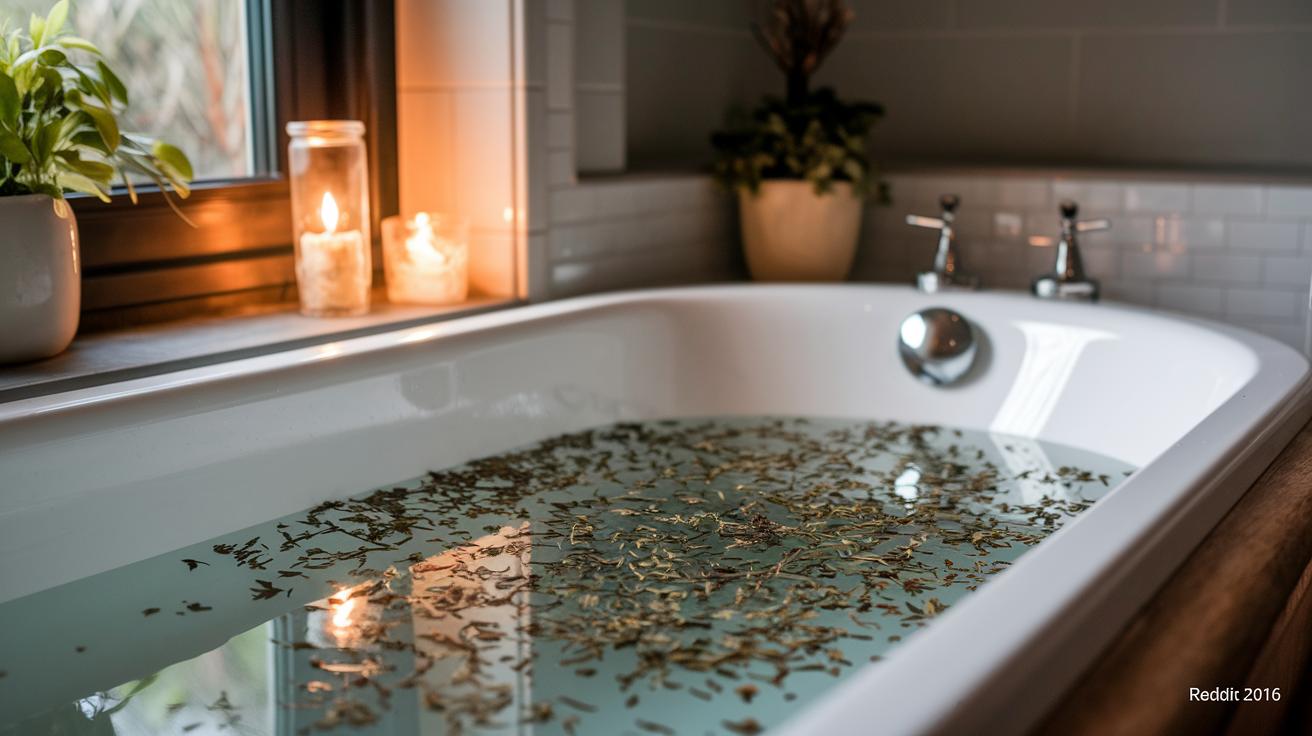
For many years, moms have turned to herbal baths to help bring balance back to their bodies after having a baby. Generations of mothers have used simple, natural herbs to ease discomfort and bring a calm, healing touch during the sensitive days after childbirth.
- Ingredients: Old herbal traditions mixed with new, carefully chosen plants make a gentle, balanced blend.
- Preparation: Time-honored methods like simmering herbs have been updated with today’s careful techniques.
- Safety: While our ancestors trusted natural remedies, today we take extra care with each herb we use, especially ones like comfrey.
- Outcomes: Traditional baths helped soothe and heal, and modern practices also focus on repairing tissues and reducing inflammation.
Blending the wisdom of old traditions with modern insights creates a warm, supportive way for new moms to care for themselves. Signature recipes like “Postpartum Delight” and “Deep Healing Bath” show how ancient comfort and today’s safety standards come together. Imagine soaking in a warm bath that feels both familiar and carefully prepared with modern care, it’s a little moment just for you that honors the past while keeping safety in mind.
It’s really inspiring how combining trusted old practices with new discoveries can offer a soothing, modern ritual that makes you feel cared for and empowered.
DIY Herbal Bath Postpartum Recipes and Preparation Steps
Postpartum Delight Recipe
Imagine wrapping yourself in a warm, soothing bath after childbirth. This recipe blends dried herbs that bring a gentle, calming scent and real healing benefits. They’re chosen to help ease tension and support your body’s natural repair, making each bath feel like a little moment just for you.
We’ve mixed in herbs known for their familiar floral and earthy notes. Whether you prefer a full-tub soak or a concentrated sitz bath, this blend adapts to your mood and needs.
- 1 cup dried chamomile flowers
- 1/2 cup dried lavender buds
- 1/2 cup dried calendula petals
- 1/4 cup dried rosemary leaves
- 1/4 cup dried thyme
Deep Healing Bath Recipe
If you’re looking for extra comfort, give the Deep Healing Bath a try. This blend uses herbs celebrated for their anti-inflammatory powers, which may help soothe irritation while supporting your body’s healing. It’s designed for those moments when post-birth discomfort needs a bit of extra care.
This gentle herbal infusion works well in both a traditional tub and a focused sitz bath. It offers a quiet, restorative pause, easing inflammation and inviting a sense of renewed well-being. Some moms even use it for herbal compresses or gentle perineal rinses when they need that added relief.
- 1 cup dried calendula petals
- 1/2 cup dried comfrey (use with care and check with your healthcare provider)
- 1/2 cup dried yarrow
- 1/4 cup dried ginger root
- 1/4 cup dried peppermint leaves
- In a clean, large bowl, gently combine all the herbs.
- Give them a soft stir so they mix evenly.
- Transfer your blend to an airtight glass jar for storage.
- For a full tub bath, add 1 cup to warm water or use 1/2 cup for a sitz bath.
- Try alternating between the tub and sitz baths over seven days.
Keep your herbal mix in a cool, dry spot to help it stay fresh. Enjoy your self-care ritual and know that each soak is a little step toward supporting your healing journey.
Safety and Sitz Bath Protocol for Herbal Bath Postpartum
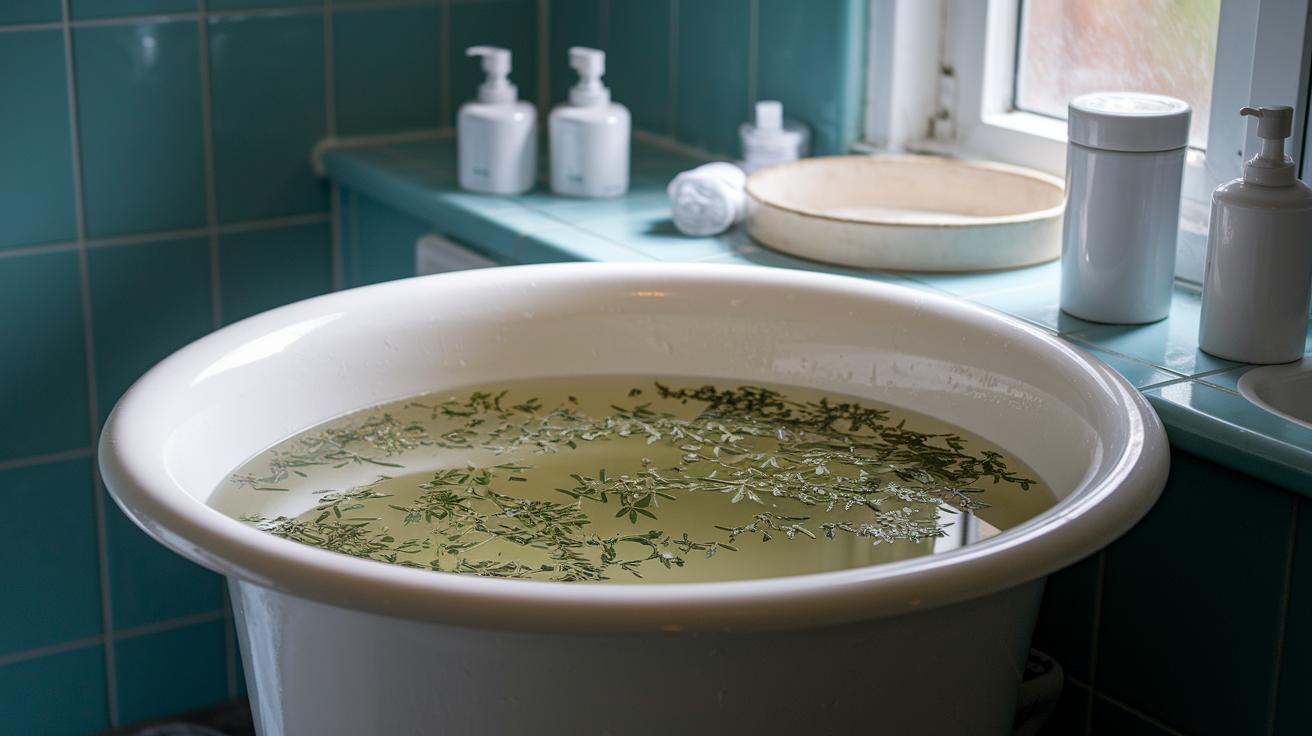
After giving birth, it’s important to take gentle care of yourself, and a soothing herbal bath can really help. When you set up your sitz bath, make sure you use herbs from trusted sources and keep everything clean, it’s a simple way to ease discomfort and support healing.
Keep the water warm but not too hot, so it's comfy on your skin. Remember to limit your bath to a few minutes at a time; short sessions help prevent skin irritation. And always use sterile containers to cut down the risk of any infections. It’s a good idea to do a quick allergy check on your herbal mix before you jump in.
If you’re thinking about using herbs like comfrey, have a chat with your healthcare provider first, they can help you stay safe and sound.
- Choose herbs from reputable sources.
- Keep water at a soothing, warm temperature.
- Stick to short sessions to avoid irritation.
- Use clean, sterile containers.
- Test your herbal mix for allergies.
- Consult your healthcare provider about herbs like comfrey.
For a step-by-step guide on sitz bath setup and safety, check out the sitz bath for postpartum recovery page.
Try to fit in these short baths a few times a week. Even a few minutes can bring a little peace, ease stress, and gently support your healing process. Have you ever noticed how a small moment of calm can set the tone for the rest of your day?
Ancestral Maternal Wisdom: Cultural Post-Birth Botanical Rituals
In many small villages, new moms have always turned to the herbs growing in their local gardens for care after giving birth. They would use gentle rinses and compresses made from wild herbs like lavender, chamomile, and marjoram to ease discomfort and help them feel strong again. Picture a mom carefully making a soothing tea from her garden, every sip is like a warm hug.
Around the world, different cultures have their own ways of using herbs for healing. In Europe, rosemary and thyme are used to clean and refresh, while in Asia, ginger and green tea mixes bring warmth and healing. Indigenous communities even use native wildflowers for their delightful scents. Many of these old recipes still inspire modern practices like the Deep Healing Bath. Today, classes mix these timeless rituals with new healing ideas so that every new mom can enjoy the gentle care of nature.
These ancient practices continue to shape today’s self-care routines. They remind us that healing is about honoring our past as we explore new ways to feel well. These botanical rituals offer a soft bridge that connects the wisdom of our ancestors with the comforts of modern care, inspiring a heartfelt, nurturing touch.
Final Words
In the action, the article walks through the many benefits of using a herbal bath postpartum, blending traditional wisdom with practical, hands-on recipes. It shows how dried herbs and flowers can be combined to help soothe, reduce inflammation, and promote healing. Safety tips, step-by-step DIY guides, and insights into age-old practices tie everything together nicely. The approach keeps self-care straightforward and relatable while offering the support new moms need to feel confident. Stay encouraged and enjoy a gentle, healing time with your herbal bath postpartum.
FAQ
How do I make a postpartum herbal bath?
The recipe for a postpartum herbal bath involves mixing dried herbs and flowers into a DIY blend that yields six cups. This mix supports healing, relaxation, and soothing after birth.
What are the benefits of a postpartum herbal bath?
A postpartum herbal bath aids in physical recovery by reducing inflammation and provides a calming effect, helping to ease discomfort while offering emotional relaxation during a challenging time.
How do I safely use a postpartum herbal bath?
Safely using a postpartum herbal bath means following clear preparation steps, checking the water temperature, and keeping sessions brief to support gentle healing and stress relief.
Can postpartum herbal baths be used for both mom and baby?
Postpartum herbal baths, when properly prepared, can benefit both mom and baby by offering gentle, natural ingredients that soothe mom’s discomfort and can be safely shared through diluted exposure.
What herbal ingredients work best for postpartum healing?
Herbs like chamomile, calendula, and lavender work best in a postpartum bath due to their calming properties and ability to reduce inflammation, promoting gentle healing for the perineal area.
How do I prepare a herbal sitz bath and how does it help with hemorrhoids?
For a herbal sitz bath, mix herbs such as witch hazel and chamomile in warm water. This specific blend softens tissues and helps ease hemorrhoid discomfort while providing perineal relief.