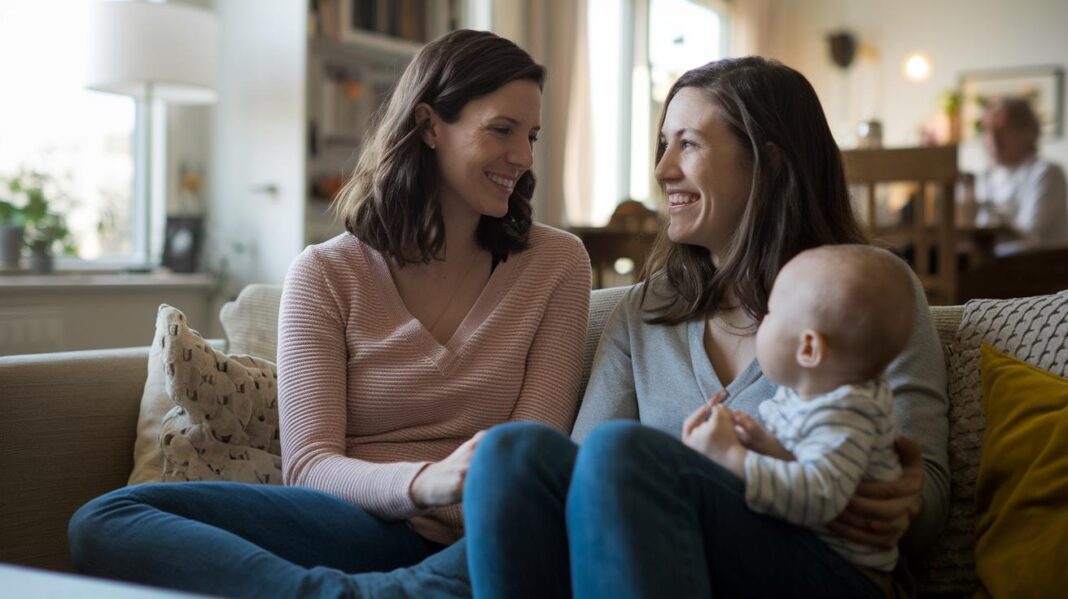
Have you ever felt a bit lost or overwhelmed after giving birth? It can feel like you're carrying the weight of the world, and sometimes a little peer support is exactly what you need, a warm, gentle hug from a friend.
When another mom says, "I’ve been there too," it can lift your spirits and light your way. Sharing little stories about the ups and downs creates a safe space where you can relax, heal, and feel understood.
Connecting with fellow moms can make your journey seem a bit lighter and your recovery a bit smoother. Those caring words and shared experiences truly help make the early days of parenting a bit more manageable.
Remember, you’re not alone in this. Every smile, every shared tear, and every "me too" is a step toward feeling stronger and more supported.
How Peer Support Accelerates Postpartum Recovery
Peer support brings a sense of comfort and real-world help to new moms adjusting after childbirth. It’s like when a friend tells you, "I get it," making even the toughest moments feel a little lighter.
Many moms connect with each other through small group meetings, friendly one-on-one calls, and even chats on apps like WhatsApp. One mom shared, "Hearing another mom say, 'I've been there too,' truly lifted my spirits." These simple exchanges can make the postpartum journey feel less lonely and more supported.
Both face-to-face meetups and digital connections play big roles in helping you bounce back emotionally. Research shows that moms who join these peer support groups often feel less depressed and gain more strength during recovery. These shared moments offer clear insights and gentle guidance for handling everyday ups and downs.
Just one supportive message from a fellow mom can be a powerful reminder: you’re not in this alone, real help is always just a chat away.
Finding and Joining Postpartum Recovery Peer Support Groups
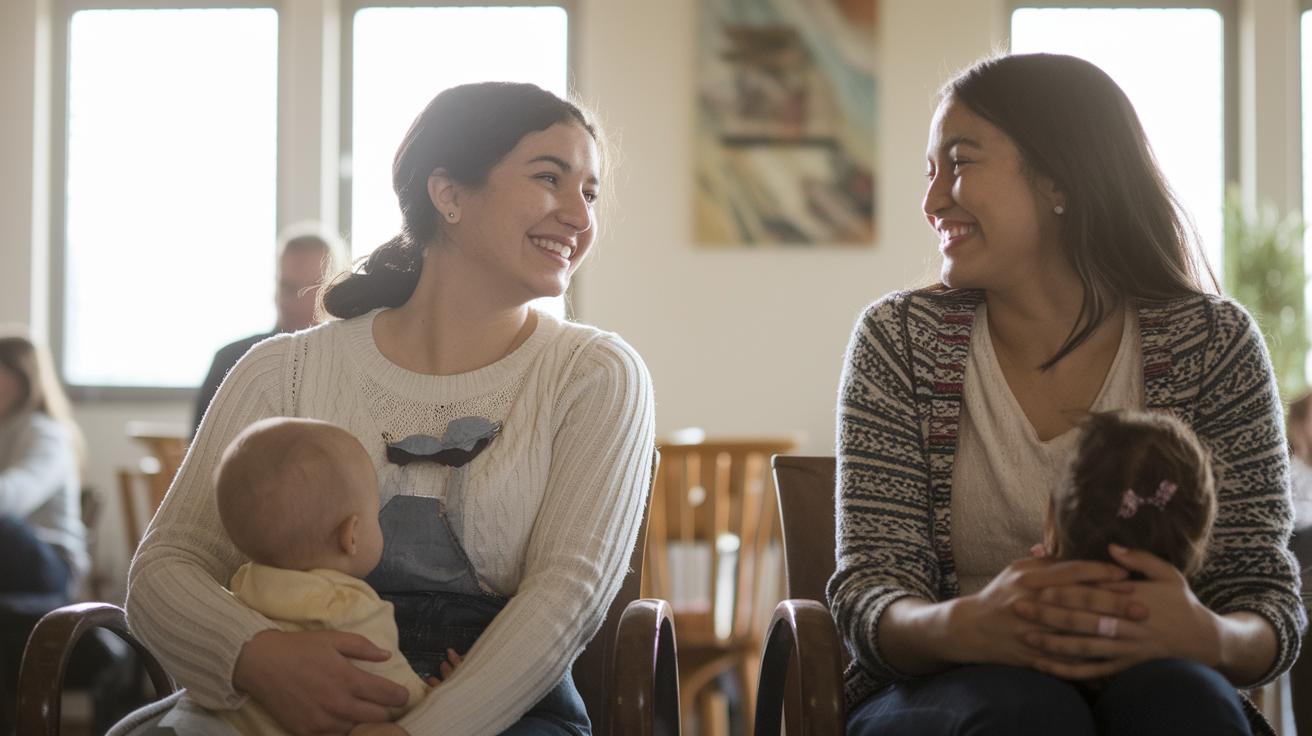
If you're a new mom looking for some help after delivery, there are plenty of ways to find support from others who understand what you're going through. You can join groups with flexible meeting times that address mood changes, baby care, and more. Many of these groups gather at local community centers or hospitals. One mom shared, "I joined a local group and felt understood right away." And sometimes, you might find comfort in digital chat groups that let you message 24/7 on apps like WhatsApp or similar platforms.
Some moms even choose one-on-one calls for private, personalized advice, or telehealth sessions when they need that extra bit of connection. These different choices help build a network that adapts to you and supports your journey as a new parent. The guidance you get not only offers practical tips but also forms real emotional bonds with others who truly get what you're experiencing.
| Support Format | Key Features | Accessibility |
|---|---|---|
| In-Person | Face-to-face sharing, childcare on-site | Local community centers, hospitals |
| Digital Chat | 24/7 messaging, group threads | WhatsApp, dedicated apps |
| One-on-One Calls | Private support, tailored advice | Phone or video conference |
These choices let new parents connect in a safe, friendly space, sharing experiences and getting the support they need after delivery.
Benefits of Shared Experiences in Postpartum Recovery Peer Support
Talking with other moms helps you feel seen and understood during those tough early days. When you hear someone say, "I've felt that too," it reminds you that you’re not facing mood swings, tiredness, or doubts alone. This kind of friendly chat turns practical ideas into everyday advice that boosts your confidence and helps you trust your own parenting instincts. Imagine hearing a simple tip about fighting off tiredness and feeling an instant connection because you’ve been there too.
- Feeling heard and understood
- Realizing that mood swings, fatigue, and worries are normal
- Building warm, supportive connections that ease loneliness
- Sharing easy, practical coping tips with friends
- Growing your confidence as a mom
- Seeing fewer signs of postpartum depression and anxiety
Expert Advice on Maximizing Postpartum Recovery Peer Support
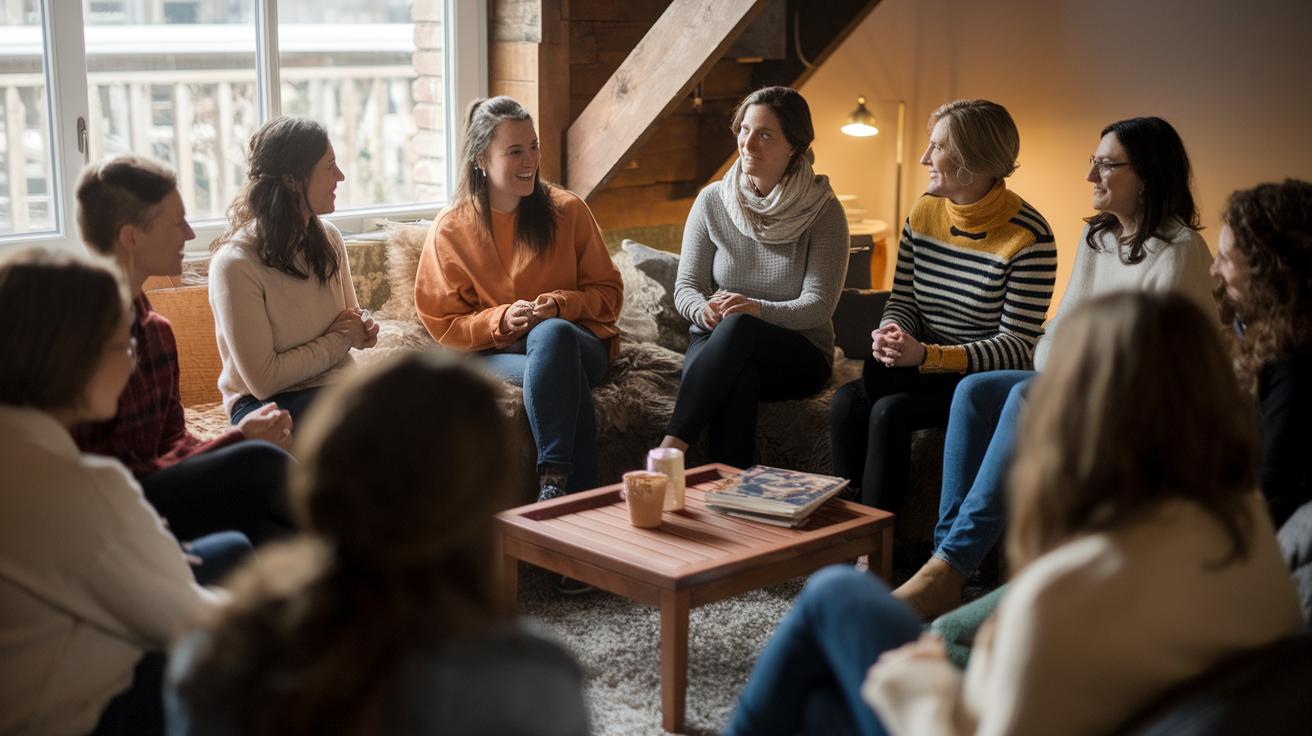
Experts say that setting a regular meeting time is a great first step for a strong support group. Whether you meet every week or every other week, having a fixed time helps build trust and routine among new moms. One mom shared, “We meet every Tuesday evening, and it’s something I can really count on.”
It’s also important to have clear rules about keeping what’s shared in the group private. When everyone knows that their stories and feelings stay in the room, it becomes easier to open up. Most leaders start by reminding everyone about these simple rules, which helps set a tone of honest conversation.
Many groups also like to include a short mindfulness or relaxation moment at the start or end of their meetings. A brief guided breathing exercise, for example, can help ease stress and let everyone feel more centered before diving into conversation. Topics might range from breastfeeding challenges to managing tough moods, making each meeting a little different and very relevant to everyday mom life.
Regular check-ins and some basic training for facilitators are also suggested. These efforts help ensure every mom feels safe, heard, and empowered by sharing her experiences and getting a little expert guidance along the way.
Real Stories: Testimonials from Postpartum Recovery Peer Support Communities
One mom shared that meeting other moms from different cultural backgrounds helped her create a recovery plan that felt truly personal. She explained that chatting with women from various traditions gave her fresh ideas for taking care of both her body and her spirit during those early weeks. It’s a lovely reminder that different experiences can really change how we handle postpartum challenges.
Another mom remembered a time when practical tips from someone who had gone through similar breastfeeding troubles made all the difference. When they exchanged simple ideas, like how to adjust feeding routines during growth spurts, she finally felt understood and supported in a way she hadn’t before. Her experience shows the power of advice that fits each mom’s unique needs instead of general, one-size-fits-all tips.
Yet another story highlights how blending old family wisdom with today’s advice can be so healing. One woman said that talking about mixing time-honored remedies with new techniques helped her bridge the gap between her past and modern recommendations. Her words remind us that peer support can bring creative ways to combine cherished traditions with up-to-date, evidence-based care for postpartum recovery.
Postpartum recovery peer support: Empowering Connections
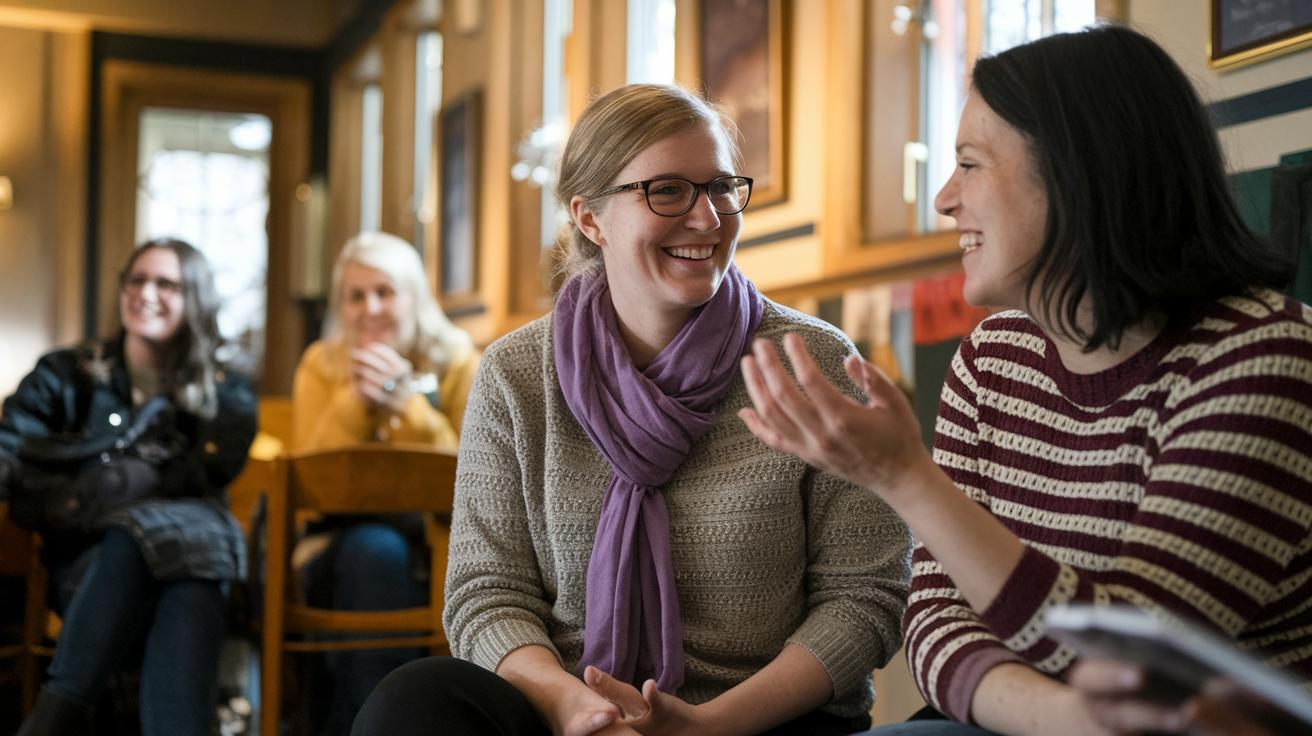
If you’re thinking about starting your own support group, begin by choosing a meeting schedule that fits your busy life. Whether it’s weekly or every other week, having regular get-togethers can build a gentle, comforting routine. Find a place that feels warm and safe, maybe a friendly community center or a secure online room. And don’t forget to set a few simple rules, like saying “what we share here stays here,” so everyone feels respected and relaxed.
Next, sketch out a loose plan for your meetings that touches on topics like how you’re feeling, taking care of your baby, and finding time for yourself. This way, the discussion can naturally adapt to what everyone needs at that moment. Think of it like sharing a beloved family recipe, each ingredient adds its own special touch of comfort.
Finally, let people know about your group. You might hand out flyers at local clinics, post on community social media pages, or even ask nearby healthcare providers to spread the word. The goal is to create a loving circle of support where every mom feels heard, valued, and ready to transform everyday challenges into moments of healing and hope.
Final Words
In the action, we explored how peer support uplifts mothers in their postpartum recovery. The article showed how shared experiences, flexible meeting options, and expert tips create a warm network for real guidance and emotional care.
We touched on simple ways to start your own group and see proven benefits like reduced isolation. Remember, strong postpartum recovery peer support makes a big difference in embracing motherhood with hope and confidence.
FAQ
What is the 5 5 5 rule for postpartum recovery?
The 5 5 5 rule for postpartum recovery means taking three 5‑minute breaks during your day—one to breathe deeply, one to move gently, and one to reflect—helping you manage stress and stay centered.
What is the best thing for postpartum recovery?
The best thing for postpartum recovery is joining a caring peer support group that offers shared experiences, comfort, and practical tips, making you feel less alone and more understood.
What is a PP support group?
A PP support group is a postpartum support network where new moms meet—either in person or online—to exchange advice, share feelings, and build connections that ease the challenges after childbirth.