Have you noticed your baby might already be working on speaking? Even though they are so little, those soft coos and happy gurgles quietly hint at the beginning of language.
This guide shows you how every sound, whether it’s a gentle vowel or a playful babble, is a tiny but important step in your baby's growth. We’ll give you clear pointers on when these little milestones might appear and explain what they mean for your child’s early development.
Stick with us as we explore these sweet signs of communication and share warm, reassuring advice for every parent.
Infant Speech Milestones: Radiant Early Growth
Every baby finds their own special pace when learning to speak. These milestones show little hints of progress along the way. In the very first months, your baby might make gentle coos, happy gurgles, and soft vowel sounds that set the stage for more words later on. Around 4 to 6 months, you could notice the beginnings of babbling and sweet responses to familiar voices. As your little one grows, playing with sounds becomes even more fun, and between 7 and 12 months, you may hear playful repeating sounds or mixes that sound a bit like simple words. Then, around 12 to 18 months, many babies say their first real words, and by 18 to 24 months, those words often come together in simple two-word phrases that mark an exciting step in language.
| Age Range | Key Speech Milestone |
|---|---|
| 0–3 months | Cooing, vowel sounds, and different cries |
| 4–6 months | Starting to babble, smiling and responding to sounds, plus a hearing check right after birth and another between 12–18 months |
| 7–12 months | More playful babbling with repeated or mixed sounds |
| 12–18 months | Beginning to say actual words |
| 18–24 months | Putting two words together in simple phrases |
Remember, these milestones are helpful guides. Every child is unique and may reach these steps at their own pace because of differences in growth, genetics, or even small hearing variations. For more details, take a look at our full chart on language development milestones.
Pre-Verbal Infant Speech Milestones: Early Vocalizations and Communication Cues
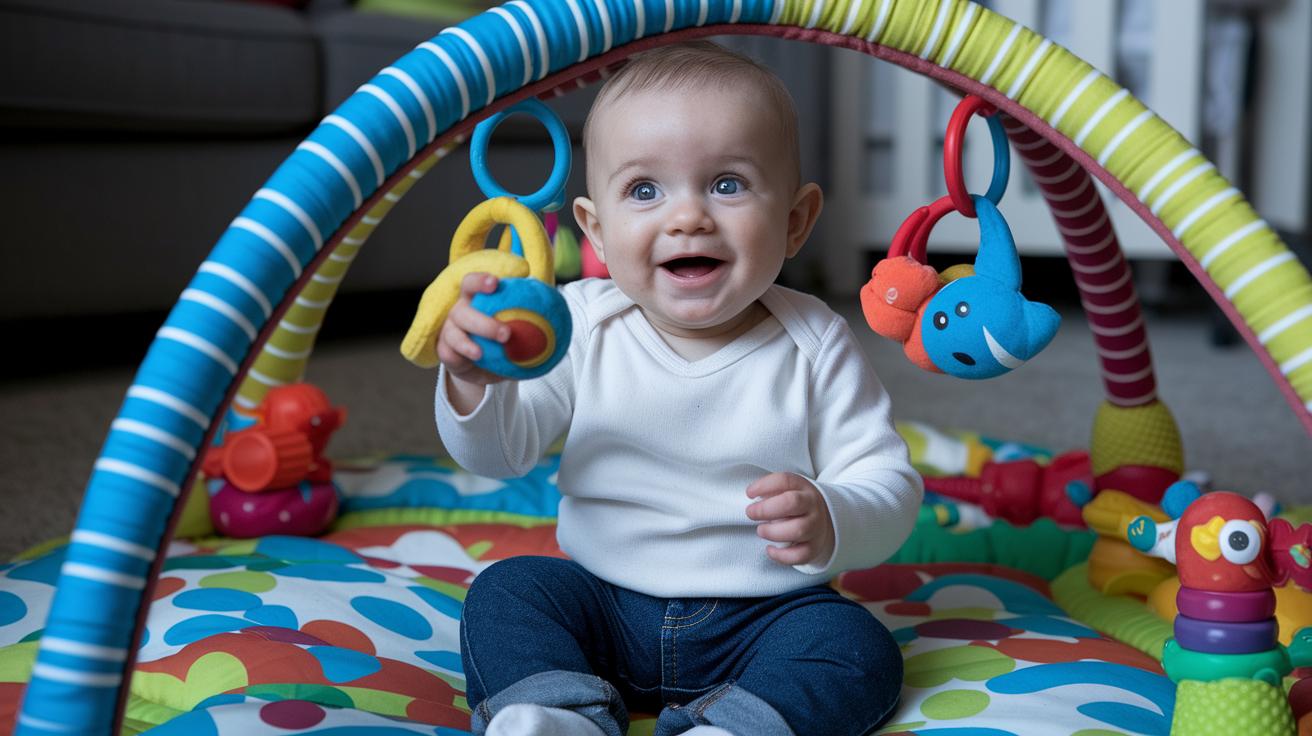
Between 1 and 3 months, your little one starts playing with sounds by cooing, gurgling, and trying out simple vowel noises. These early sounds help build brain pathways that later support language skills. When you hear a soft "oooh" during cuddle time, it’s not just adorable, it’s a sign that language is beginning to grow.
By about 4 months, babies start to recognize familiar voices. They often respond with a bright smile or a gentle gurgle when they hear you speak, showing they’re starting to feel and understand social cues. This little exchange is a big step toward strong and loving communication.
- Chat about what you’re doing during playtime – say, "I’m picking up your ball now" so they can follow along.
- Enjoy face-to-face time – keep eye contact and speak softly to invite them to join in.
- Copy their cute sounds – if they go "ahh" or "oooh," mimic them to support their budding conversation.
- Practice little pauses – let them have a moment after making a sound, so they get used to a fun back-and-forth rhythm.
Babbling Milestones in Infancy: From Reduplicated to Variegated Babble
Babbling is such an important step on your baby’s path to talking. Around 6 months, little ones begin to experiment by repeating sounds over and over, even if it’s just “ba-ba-ba.” This simple play with sounds, known as reduplicated babble, helps pave the way for more varied and clever speech later on. As they grow, their babbling becomes more mixed and creative, showing us how they’re getting ready to say real words. It’s really a natural part of how they learn to share their needs and feelings.
Here’s a quick guide to what you might notice:
- Reduplicated Babble (around 6 months): Lots of repeating sounds like “ba-ba-ba” that are early steps in practicing speech.
- Variegated Babble (around 9-12 months): A mix of different sounds where your baby combines various noises.
- Jargon Babble (around 9-12 months): Babbling that starts to sound a bit like the sing-song of grown-up talk.
- Echoic Babble (around 9-12 months): When babies try to copy real words or noises they hear around them, hinting at early conversation skills.
Spending time reading together and playing interactively can boost this babbling journey. Think of a cozy story time where simple words make your little one feel safe and understood. And by responding to those adorable sounds, you help your baby feel encouraged to explore and refine their early attempts at communication.
First Words and Expressive Language Development in Infants
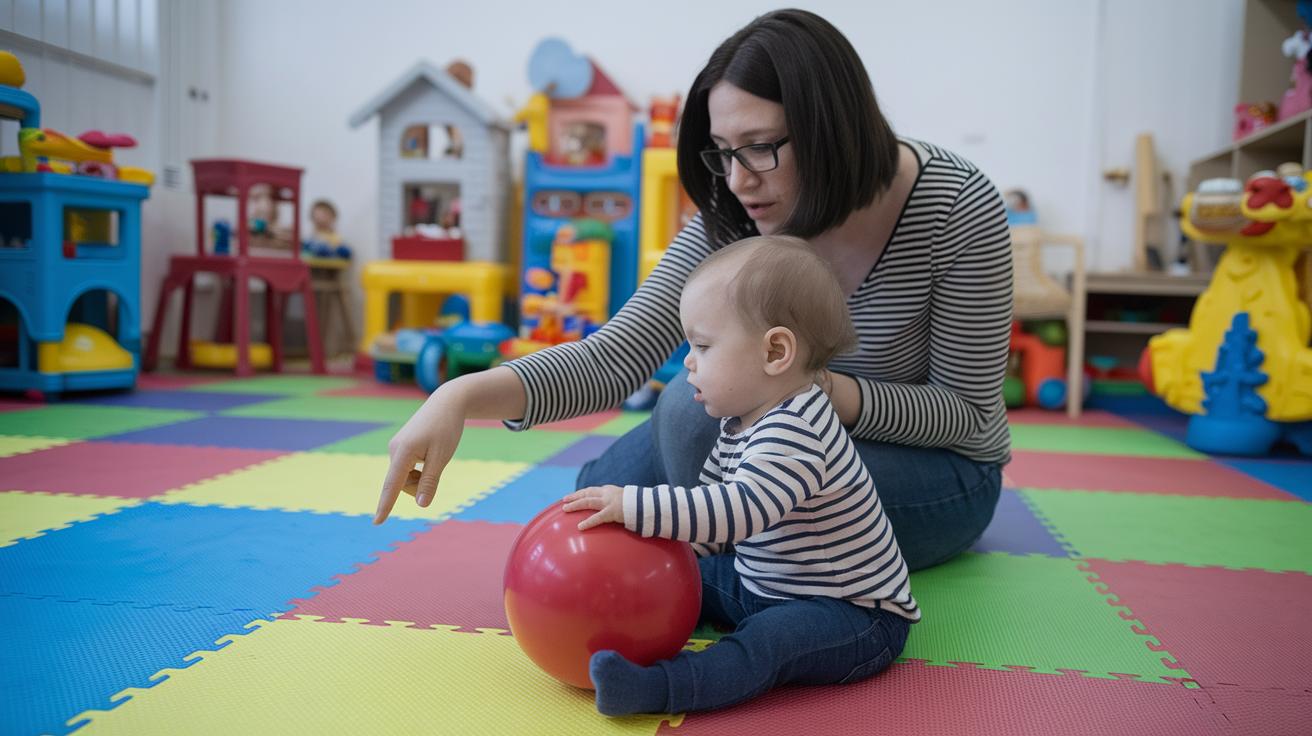
Around 12 to 15 months, most little ones start using their very first words. They begin by naming people they know, favorite objects, and everyday actions. Soon enough, many grow their vocabulary to include about 5 to 10 words by 15 to 18 months. Every child is unique, so some might say “mama” or “dada” early while others take a bit more time to jump into chatting.
Interactive moments really help with this language journey. For example, talking during bath time or while playing connects sounds to the things they see and do. When you clearly label a red ball as “red ball,” it helps build strong word connections in their growing brain. Even quiet moments can be gold, turning everyday interactions into a fun learning adventure.
Encouraging Clear Labels
Using consistent names for objects and actions is a kind and effective way to boost expressive language. Try saying, "Look at your blue cup" or "It’s time for a soft cuddle" during your daily routines. These little phrases help your child connect the dots between words and their meanings, making learning both fun and natural.
Monitoring Infant Speech Milestones: Recognizing Delays and Red Flags
Listening to your baby's early sounds can help you notice little signs of their growth. When you keep an ear out for these noises, you feel more confident supporting every small step they take. Sometimes a tiny delay is just part of growing up, but knowing what to look for can really ease your worries.
- By 3 months, your little one should start cooing (those soft, gentle sounds). If you don’t hear them, take note.
- By 9 months, you’ll usually notice babbling, simple repeated sounds like "ba-ba-ba." Skipping this stage might be a sign to watch.
- Around 15 months, most kids start saying simple, recognizable words. If you aren’t hearing these first words, it might be time to check in.
- By 24 months, putting two words together, like “more milk,” is a common milestone. Missing this could be something to discuss with a professional.
- Also, if your baby doesn’t seem to turn toward voices or sounds in their room, it could point to hearing issues.
If any of these signs seem to be missing, consider scheduling a professional evaluation, like a hearing check or speech assessment, to ensure your baby is developing just fine.
Supporting Infant Speech Milestones: Parental Tips for Verbal Growth
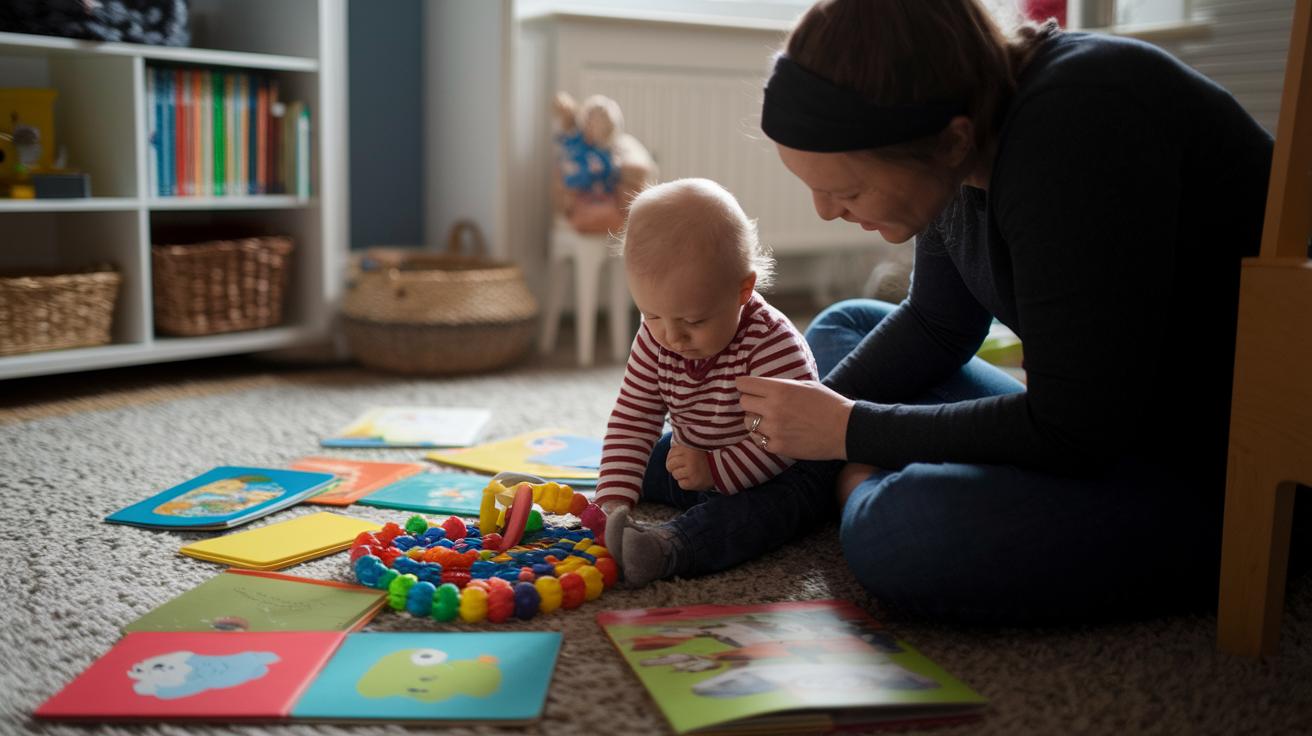
Every day gives you a chance to boost your baby's language skills through simple, familiar routines. You can chat about what you’re doing, like folding laundry or making a snack, to help your little one connect sounds with everyday life. For example, you might say, "Did you know Marie Curie once carried test tubes in her pocket before she became famous?" Try using fun, everyday facts like this to spark curiosity.
Reading and Narration
Set aside a few minutes for reading and chatting during your day. When you open a picture book, point out clear images and simple words; for instance, say, "Look, the bright red ball is bouncing!" You can also describe what’s happening around you, like, "I’m stirring the soup and it makes a soft, swirly sound." This way, even routine moments become a chance for your baby to learn.
Responsive Interaction
Engage with your baby during play by having little back-and-forth exchanges. When your baby babbles or coos, respond with a cheerful "Hi there!" or another friendly word. These warm replies show your child that every sound they make is important. Over time, these gentle interactions help create a safe space where your baby feels excited to share and explore language.
Final Words
In the action, this post broke down key infant speech milestones, from early cooing and babbling to first words and simple phrases. It provided tips for nurturing language through daily routines, reading, and interactive play. Parents can track progress with clear age-based markers and a comprehensive milestone chart available through our resources. Remember, every child develops at their own pace, so celebrate each little breakthrough with positivity and warmth.
FAQ
What does a speech development chart by age show?
The speech development chart by age shows how infants move from cooing to babbling and then to first words, serving as a guide to track and celebrate your child’s growing language skills.
What information is covered in language development milestones for ages 0–3 years?
Language development milestones for ages 0–3 years describe the progression from early cooing and babbling to simple words, offering a helpful overview that parents can compare with their child’s growth and available in comprehensive milestone PDFs.
What speech milestones are typical at 18 months?
Speech milestones at 18 months usually include a few recognizable words and simple two-word combinations, reflecting steady progress in expressive language and growing communication abilities.
When should babies start developing speech?
Babies begin with cooing in the first few months, advance to babbling by around 4–6 months, and often say their first words by 12 months, steadily building their speech skills with age.
What are some red flags for speech milestones?
Red flags for speech milestones include not cooing by 3 months, no babbling by 9 months, and a lack of first words by 15 months, which might signal the need for a professional evaluation.
How many words should a 1-year-old say?
A 1-year-old typically says one to three clear words, using gestures and simple sounds to express needs and interact with caregivers while their language skills are still emerging.
What speech abilities can a baby develop from 0 to 12 months?
From 0 to 12 months, a baby transitions from making cooing sounds and varied cries to experimenting with babbling and eventually forming simple, understandable words as they begin to communicate.