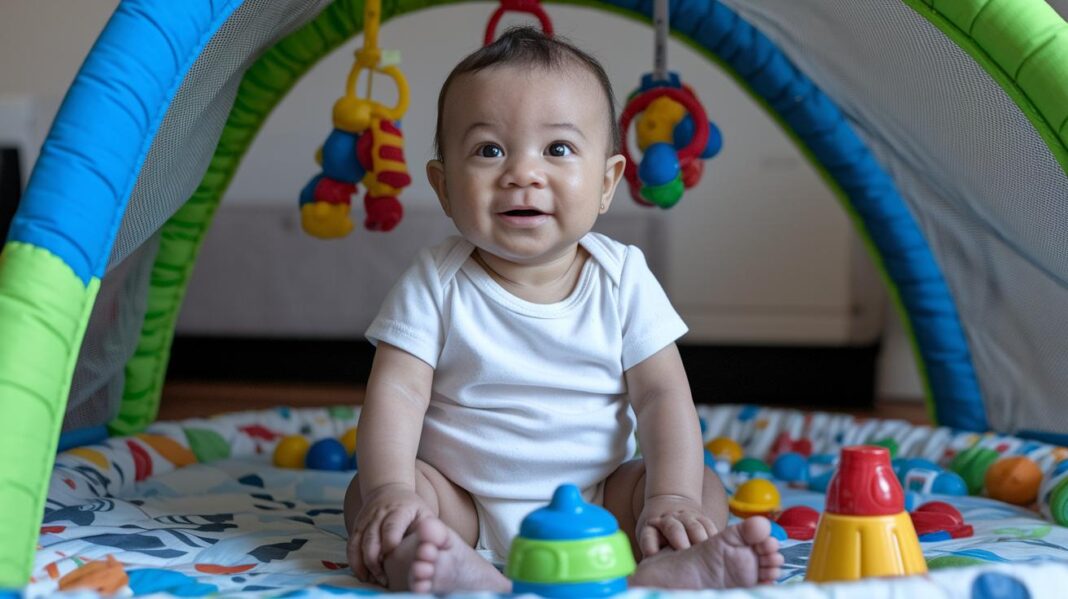
Have you ever noticed how your baby’s tiny efforts might be paving the way for big achievements? It’s so heartwarming to watch them try lifting their head or stretching out their little hands. These first moves can spark both joy and a few questions. In this post, we’re chatting about two simple motor skills that help your baby grow with confidence. I’ll walk you through each step so you feel reassured about their progress and know when it might be time to talk with your pediatrician (a doctor who cares for children).
Age-Based Infant Motor Milestones Overview
Tracking your baby's movements can feel really reassuring. This chart lets you see how your little one's skills are growing compared to what’s usual. It’s a simple way to feel confident about your baby’s progress while keeping an eye out for things that might need a chat with the pediatrician.
| Age (Months) | Gross Motor Skills | Fine Motor Skills |
|---|---|---|
| Newborn | Shows natural reflex movements and starts working on head control | Has a grasping reflex with basic hand motions |
| 2 Months | Begins to lift the head briefly during tummy time | Makes exploratory hand movements and starts reaching |
| 4 Months | Displays better head control and pushes up when held | Reaches for objects more deliberately |
| 6 Months | Rolls from tummy to back | Touches and handles objects with growing steadiness |
| 9 Months | Sits steadily and shows hints of crawling | Uses both hands to pick up small items |
| 12 Months | Starts pulling to stand and moves around more | Puts smaller items, like a toy train, into larger containers |
Think of this chart as a friendly starting point to watch your baby's milestones. Regular pediatric check-ups help make sure your child’s progress is on track. While you enjoy playtime, it’s great to notice both large movements and small hand skills. If, for example, rolling by six months or handling objects by one year isn’t happening, it might be a good idea to mention it at your next visit. A safe and playful environment each day really helps nurture these important skills.
Key Gross Infant Motor Milestones by Age

| Age Range | Milestone | Additional Notes |
|---|---|---|
| 0–3 months | Head Control | At first, babies have little control over their heads. Soon, they start lifting their heads for a few moments during tummy time. If you notice your little one consistently struggles to steady their head, it’s a good idea to mention it at your next check-up. |
| 4–6 months | Rolling | Rolling from tummy to back helps build core strength and balance. If your baby hasn’t started rolling around by six months, you might want to chat with your pediatrician about it. |
| 5–8 months | Sitting | Babies begin to move from leaning on their hands for support to sitting by themselves. If your little one rarely tries to sit without help during play, consider asking a professional for advice. |
| 7–10 months | Crawling | Crawling is great for building strength in both arms and legs, and it helps with coordination. If crawling seems delayed, try encouraging more tummy time and discuss what you observe with your healthcare provider. |
| 9–12 months | Pulling to Stand | This milestone shows that babies are gaining the muscle strength to pull themselves up while exploring their surroundings. If your baby seems hesitant to pull up using furniture, it might be good to bring it up during your next pediatric visit. |
| 12–18 months | Walking | The move to taking first steps marks huge progress in balance and coordination. If your baby isn’t walking by 18 months, it may be time to talk with your pediatrician about some supportive activities. |
Development of Infant Fine Motor Skills
Baby's hand coordination plays a big role in exploring the world. It helps them reach for bright toys, grab tiny treasures, and connect what they see with how they move. This growing control over their little hands makes everyday tasks easier and sets the stage for new discoveries.
- Reflexive grasp (0–2 months): In the first few months, babies naturally grab onto anything that touches their hand.
- Palmar grasp (3–5 months): Around this time, your baby starts to hold objects placed in their palm, showing early signs of coordination.
- Raking grasp (6–8 months): Soon, they use a gentle sweeping motion with their whole hand to pull items closer.
- Pincer grasp (9–12 months): With their thumb and forefinger coming together, your little one can now pick up small items like a favorite toy or a snack.
- Object manipulation (12+ months): As they grow older, babies begin exploring objects by turning them over or arranging them in different ways.
Playing with blocks or simple puzzles is not only fun, it also builds hand-eye coordination and boosts those essential fine motor skills. Every little playtime moment helps your baby grow with confidence and sets the foundation for more learning ahead.
Signs of Infant Motor Delay and Concern

Keep an eye on your little one's everyday moves. For instance, if your baby isn’t holding their head up by 4 months, hasn’t started rolling over by 6 months, or only sits with help at 9 months, it might mean their motor skills are taking a bit longer to develop.
During routine check-ups, your pediatrician will look at how your baby moves to see if they’re on track. If you notice your baby isn’t rolling over or only sits with support, mention it at your next visit. Early attention can lead to fun, gentle exercises, like extra tummy time or a little assisted sitting, that may boost your baby’s strength and movement.
Activities to Support Infant Motor Development
Playing together in simple ways helps your baby build strong muscles and coordination. It’s like sharing little adventures, where every move brings a smile and helps them grow.
Try these five easy play routines: Let your baby enjoy tummy time on a soft mat, which encourages them to lift their head and roll over. Then, support them gently as they practice sitting up to learn balance. You can also play reach-and-grasp games with colorful toys to sharpen hand-eye coordination. Next, hold their hands during guided standing exercises so they can explore how to shift their weight. And finally, mix in some playful stretching with soft clapping to encourage both big movements, like rolling, and small actions, such as picking up toys.
Keep each activity short and sweet. Spread them out during the day to match your baby’s energy. Make sure the play area is safe and free of clutter, filled with familiar toys that spark their interest. Enjoy every little moment as you watch your baby explore and grow.
Tracking Infant Motor Milestones and Resources
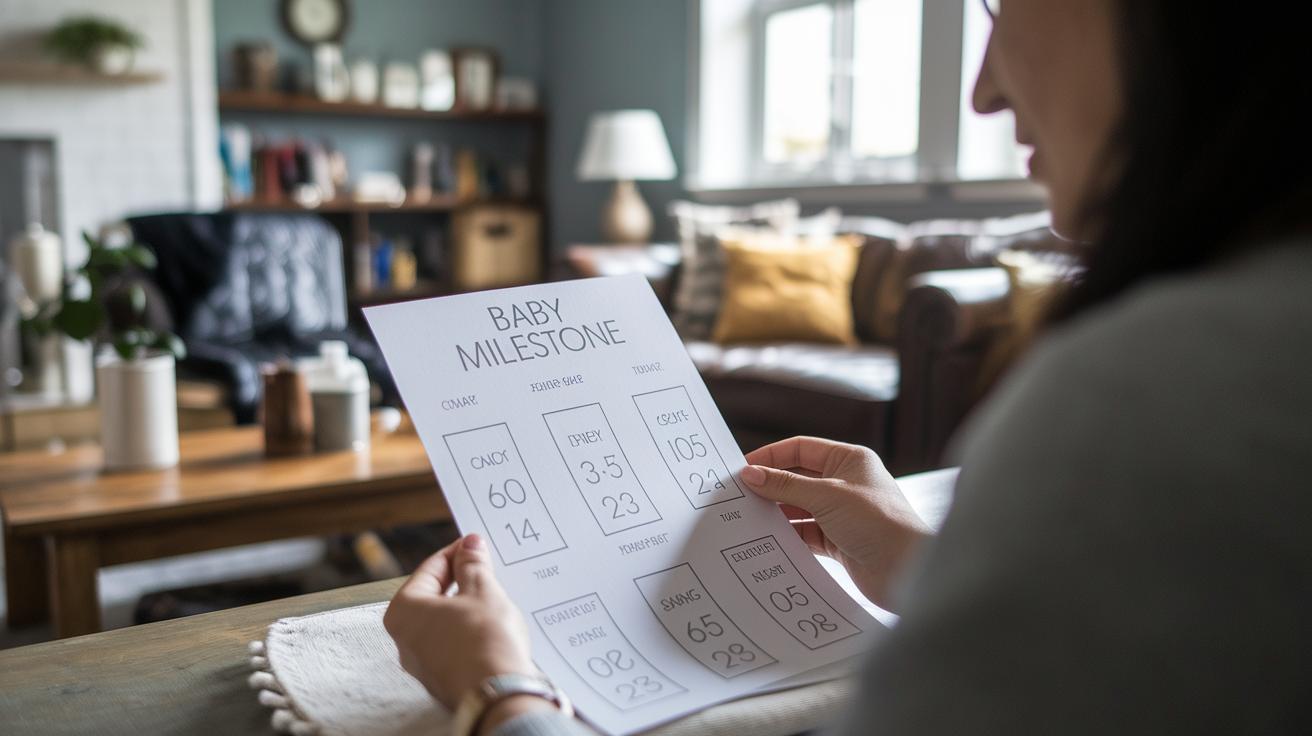
Many parents enjoy using simple printable charts and mobile apps to follow their baby's progress. These handy tools list age-specific skills so you can easily tell when your little one starts rolling, sitting, or even crawling. With a printed checklist or a baby motor skills chart, you can see every new milestone your child reaches. For example, you might download the "childhood development stages chart" (https://womensconference.org?p=11071) and mark off each skill as it happens. And if you prefer using an app, you can quickly add notes about your baby's movement all day, making it easy to remember the little details before a well-child visit. This hands-on method helps you track progress and spot any moments that might need a friendly chat with your healthcare provider.
When it’s time to see your pediatrician, having a clear record of your baby’s milestones, whether on paper or on your phone, can be a great support. It makes it easier to share any worries or ask for advice, so you feel confident about your baby's growth.
Final Words
In the action, this article provided a simple guide for tracking infant motor milestones, from basic movements in newborns to fine motor skills by one year. It shared ideas for safe play and ways to notice early signs that need care.
Parents can use the clear tips and tools offered to support their little ones every step of the way. Embracing these milestones helps celebrate growth, keeping infant motor milestones as a positive part of daily life.
FAQ
Where can I download a developmental milestones PDF?
The developmental milestones PDF is available for free download and includes detailed charts for ages 0–5 years. It highlights key motor, social, and language stages which help you track your child’s progress.
What does a baby milestones chart (0–12 months) show?
The baby milestones chart (0–12 months) outlines month-by-month physical and motor skills. It lists milestones like rolling, sitting, and early fine motor abilities to help you monitor your baby’s growth.
What are the fine motor skills milestones for infants?
Fine motor milestones in infants include developing hand-eye coordination and reaching, grasping, and using a pincer grasp. These skills mark important progress in your baby’s ability to manipulate small objects.
What are the stages of motor development in infancy, including a 7-stage framework?
The stages of motor development in infancy typically start with reflex movements, then progress through voluntary actions, rolling, sitting, crawling, standing, and walking. This seven-stage framework guides assessments of a baby’s progress.
What are five key developmental milestones to watch for in infants?
Five key milestones include achieving head control, rolling over, sitting independently, crawling, and displaying fine motor skills like grasping objects. These markers help ensure healthy overall development.