
Have you ever seen your little one drooling during cuddle time, almost like a tiny waterfall? It might feel adorable at first, but those drool trails can be a hint that something's about to change.
Sometimes, you might notice that their gums look a little puffy or red, or that they’re fussier than usual. That could mean a new little tooth is on its way.
In this chat, I’ll share two important teething signs that may help turn those fussy moments into calm, sweet smiles. Stick with me, and together we’ll learn how to spot these natural changes and help ease your baby into a bit more comfort.
2 infant teething signs for calm smiles
Many parents notice teething in two simple ways: physical changes and changes in behavior. One clue is lots of drool paired with gums that look puffy or red. When you see that puffiness on the spot where a tooth is coming in, it means a tooth is about to emerge. I once saw a little one whose non-stop drooling turned every cuddle into a tiny silvery waterfall. It really shows how obvious this change can be.
On the behavior side, fussiness and crankiness are signs that teething might be causing discomfort. Babies may have trouble settling into sleep and often chew or nibble on their toys to ease the pressure on their tender gums. Picture this: your baby keeps mouthing a favorite soft toy as if it's a magic wand for relief. You might also notice they eat a bit less, get a slight rash around the mouth, or even gently rub their cheeks or ears. These actions can happen because all that extra saliva sometimes irritates the skin, and biting down can feel soothing when a new tooth is pushing through.
Some little ones might even cough because of all the drool or show a mild, low-grade fever. While these signs can be normal, they remind you to keep an eye on how your baby is feeling overall. When you notice both physical and behavioral hints, it’s a great time to try some comforting measures. A gentle gum massage with a clean finger or a chilled (but not frozen) teething ring can go a long way in easing your baby’s discomfort.
Catching these early teething signs helps you step in quickly. Remember, a little extra love and care can turn a moment of fussiness into one of calm smiles.
Infant Teething Timeline and Tooth Eruption Milestones
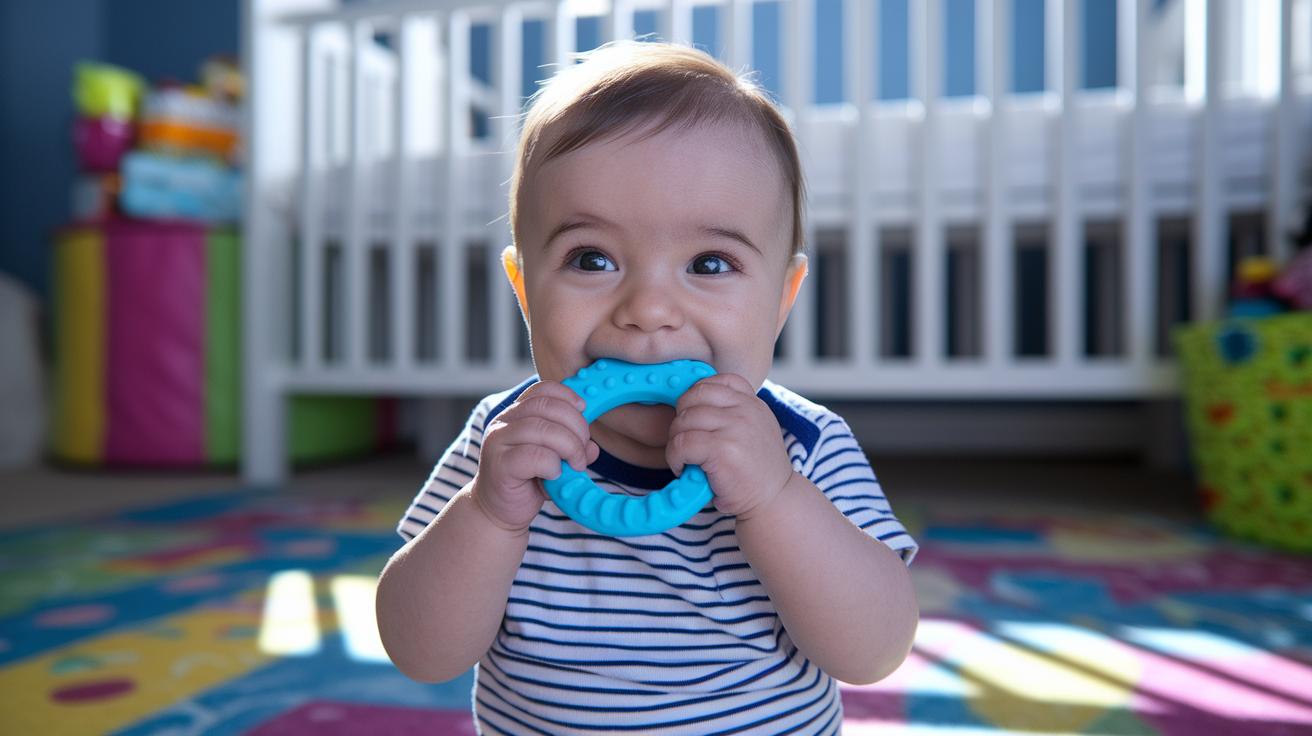
Most babies start teething when they are about 4 to 8 months old. Usually, the bottom front teeth make their first appearance at around 6 months. This is a special moment for parents because it marks the start of a lifelong journey in dental growth. Imagine the joy of seeing that tiny smile light up as those first little teeth peek through, much like watching a little bud bloom into a beautiful flower.
Here's a simple guide to help you see when each type of tooth may show up:
- Lower central incisors: Around 6 months
- Upper central incisors: Around 8 to 12 months
- Lateral incisors: Between 9 and 13 months
- First molars: Appear between 13 and 19 months
- Canines: Emerge from 16 to 22 months
- Second molars: Come in between 23 and 33 months
By around 30 to 36 months, your child should have all 20 baby teeth. With each new tooth, you might notice changes in how your little one eats, sleeps, or plays. Maybe there is more drooling, a bit of fussiness, or a desire to chew on soft things. These signs show that your baby is feeling new sensations as their teeth break through.
Sometimes, a baby might be born with a tooth already in place, which is known as a natal tooth. These teeth can sometimes cause a bit of discomfort or make feeding a little tricky, so a visit to the dentist might be a good idea. Keeping an eye on these milestones can help you soothe your baby during teething and get ready for the next steps in dental care. Gently cleaning their teeth with a soft cloth or a baby toothbrush can make a big difference when those tiny teeth start to shine.
Soothing Infant Teething Discomfort with Home Remedies
When your little one starts showing signs of teething, like biting or chewing, it can be tough to see them in discomfort. But there are lots of gentle, natural ways to ease their pain. One great option is a teething ring that’s both firm and chilled (just not frozen). Imagine your baby happily chewing on a cool, textured ring, the gentle pressure soothing those tender gums.
Another comforting trick is to massage your baby's gums with a clean finger. Picture softly rubbing those puffy, sore spots, much like a warm, reassuring hug for their mouth. This simple touch can help relieve the pain and give your baby a sense of comfort during these new changes.
For older infants, you might try offering cold foods. A bite of chilled fruit can feel like a refreshing treat and help cool down sensitive gums at the same time. Just be sure to avoid anything that might make their mouth even more upset, like dipping pacifiers in sugary things that could cause more trouble later on.
Here's a simple list of ideas many parents find comforting:
- Firm, chilled teething rings or washcloths
- Gentle gum massages with a clean finger
- Chilled, soft foods like fruit for older babies
Often, these natural methods work better than teething gels or tablets. Try one or mix a few to see what brings the most comfort and those sweet smiles back to your baby's face.
Infant Teething Red Flags: When to Seek Pediatric Care
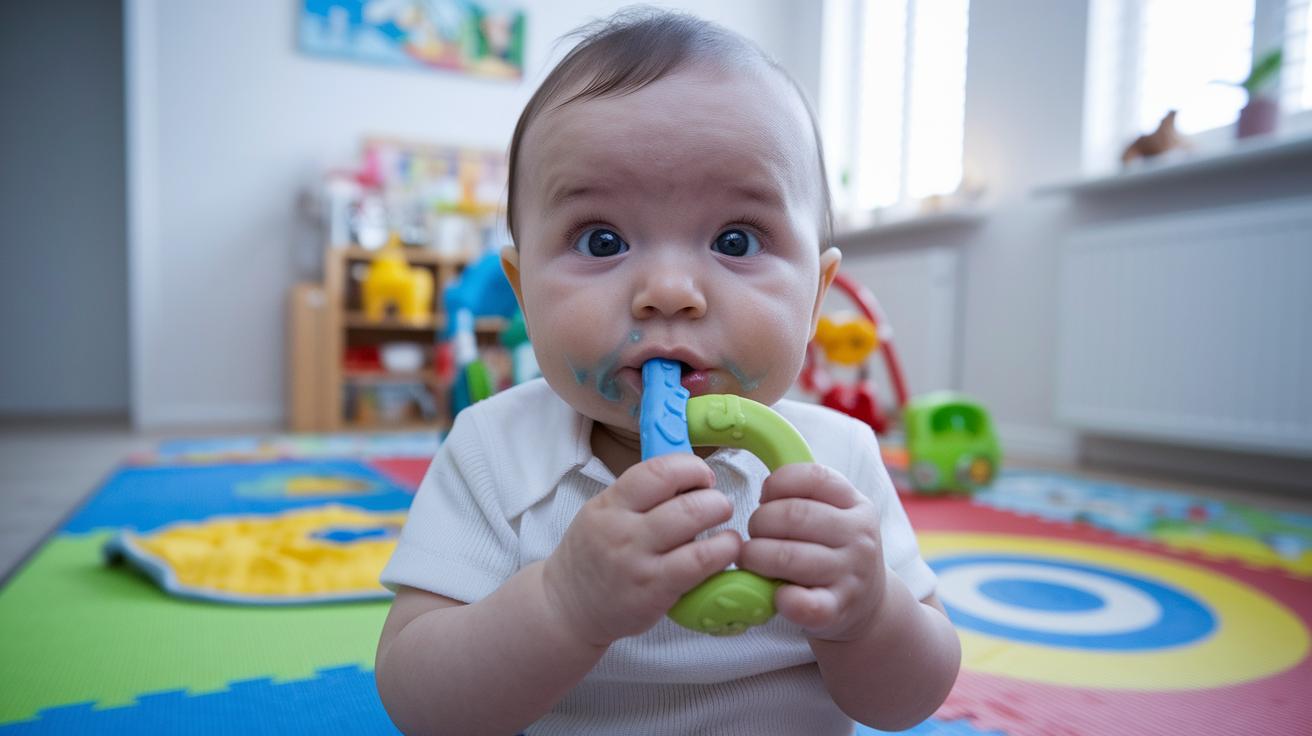
Most babies experience teething with a bit of drool or a small fever. But if your baby gets a high fever of 38°C or more, it might be more than just teething. Imagine your little one who usually just drools a little suddenly running a high fever and pulling at their ears or rubbing their cheeks a lot. That’s a signal to call your pediatrician.
If your baby starts vomiting or has diarrhea for a long time, or even experiences seizures, these are warning signs that go beyond normal teething. Picture your baby continuously rubbing their cheek, almost like they’re trying to say something isn’t right. It can be a sign that the irritation is not just from drooling.
Also, look out for a severe rash or signs of dehydration, such as fewer wet diapers or being unusually sleepy. While it’s normal for gums to be a bit sore during teething, these extra symptoms mean you should get a professional’s advice.
Trust your gut. If your baby seems more off than what you’d expect from teething, it’s a good idea to contact your pediatrician.
Post-Eruption Care: Infant Teething and Early Dental Hygiene
When your little one’s first teeth start to show, it’s a perfect time to begin a gentle oral care routine. Start by softly wiping or brushing the new teeth with a baby toothbrush or a clean, damp cloth. It feels almost like a tiny massage for those new teeth, setting up a future of happy smiles!
Good food is just as important for tiny teeth. Serving up healthy, age-appropriate meals supports overall growth and helps keep early tooth decay at bay. Think of it like adding just the right amount of seasoning to your favorite dish, each bite nourishes your baby’s growing smile.
Another key step is booking that first dental visit. Either when the first tooth pops in or by your baby’s first birthday, a checkup can catch little issues early and make tooth care feel more like an exciting milestone. It’s a chance to share a positive, calm experience that builds trust for both you and your baby.
Plus, remember that some families can tap into government dental assistance programs. These programs can help ease any worries over treatment costs as you navigate these early stages of dental care.
Final Words
In the action, we explored how to spot the clear physical and behavioral teething signals, like drooling and gum swelling, that can help you understand infant teething signs. We shared a guide to the tooth eruption timeline and offered gentle, easy home remedies for soothing discomfort. We also touched on the red flags that signal a need for professional care and steps for early dental hygiene. Taking these steps can bring comfort during teething and brighten this special time with growing smiles.
FAQ
What are the signs that indicate my baby is starting to teethe?
Signs that your baby is starting to teethe include increased drooling, swollen or red gums, irritability, slight fussiness, and a tendency to gnaw on objects. These signals can also appear in breastfed babies.
What might cause early teething in babies?
Early teething in babies can be influenced by genetics or nutritional factors. It’s normal for some infants to show tooth eruption signs earlier than others.
How can I comfort my teething baby at home?
Teething discomfort can be soothed with a firm, chilled teether, a gentle gum massage with a clean finger, or offering cold foods for older babies. These remedies help calm your baby naturally.
When do babies typically start teething and what months are most troublesome?
Most babies begin teething between 4 and 8 months, with lower incisors usually emerging around 6 months. Discomfort tends to peak in these early teething months, though every baby is unique.
Does teething cause diarrhea in infants?
Teething may sometimes bring mild diarrhea as babies swallow extra saliva, but if the diarrhea is persistent or accompanied by a high fever, consult your pediatrician immediately.
How can I tell if my baby is about to teethe?
Early teething signs include your baby chewing on objects, gum rubbing, and increased drooling. These cues suggest that teething is on its way, helping you prepare to offer comfort.
How do I distinguish between teething discomfort and illness?
Teething discomfort is typically marked by drooling and gum irritation without a high fever. If your baby has a high temperature, prolonged vomiting, or severe symptoms, it may be time to seek pediatric care.