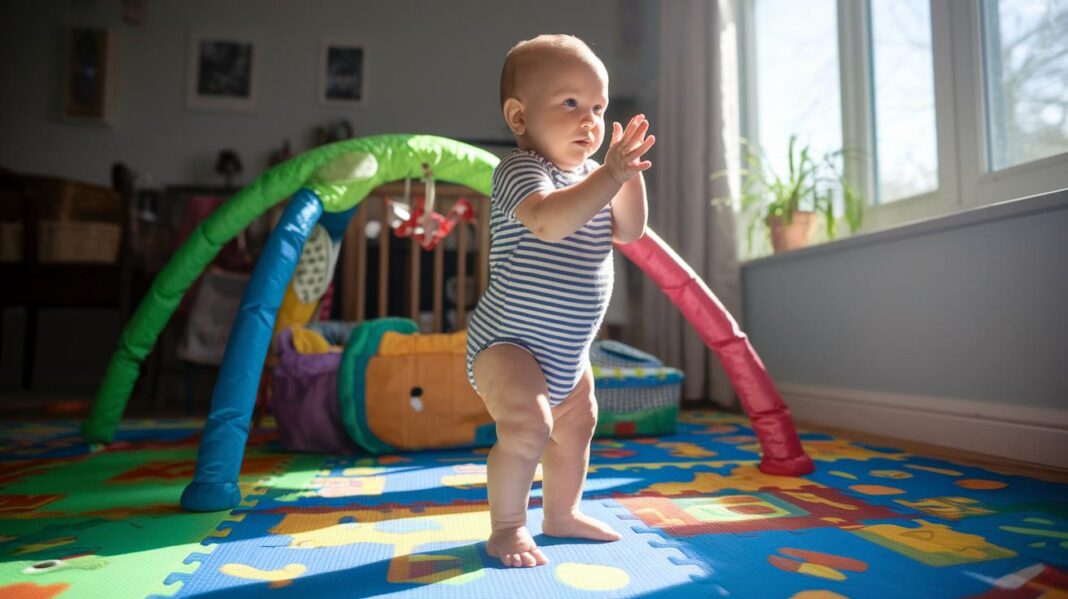
Have you ever noticed how a baby's first steps feel like a little miracle unfolding? Some babies start moving around as early as nine months, while others might take until around 15 months. Watching your child learn to stand and move can be as magical as watching a tiny bird try out its wings for the first time.
Research tells us that these early steps help build strength and boost confidence. In this post, we’ll walk through the signs and stages of infant walking so you can enjoy every bright, new step together.
Infant Walking Milestones: Typical Age Range for First Steps
Babies usually start taking their own steps between 12 and 15 months, but every baby moves at their own pace. Research tells us that once a baby learns to stand on their own (often after pulling up themselves), they might begin walking in just 2 to 3 months. So, while many little ones start walking around their first birthday, some surprise us by starting as early as 9 months, and others might take up to 18 months.
Remember, learning to walk is a gradual process. At first, you might catch your child cruising along the furniture or standing for a little while with their knees a bit bent. I once heard a mom describe it as watching a tiny bird take its first brave leap across the room. These early moments are the building blocks for developing motor skills and setting the stage for those confident, independent steps.
Practice is key during this exciting stage. Every time your baby experiments with standing or stepping, they build both strength and confidence. While there’s a general timeline, it’s important to remember that each child’s journey is unique. Transitioning from supported steps to walking alone highlights both their physical growth and the emotional boost that comes with discovering new abilities.
Early Movement Indicators: Signs Your Infant Is Preparing for Walking
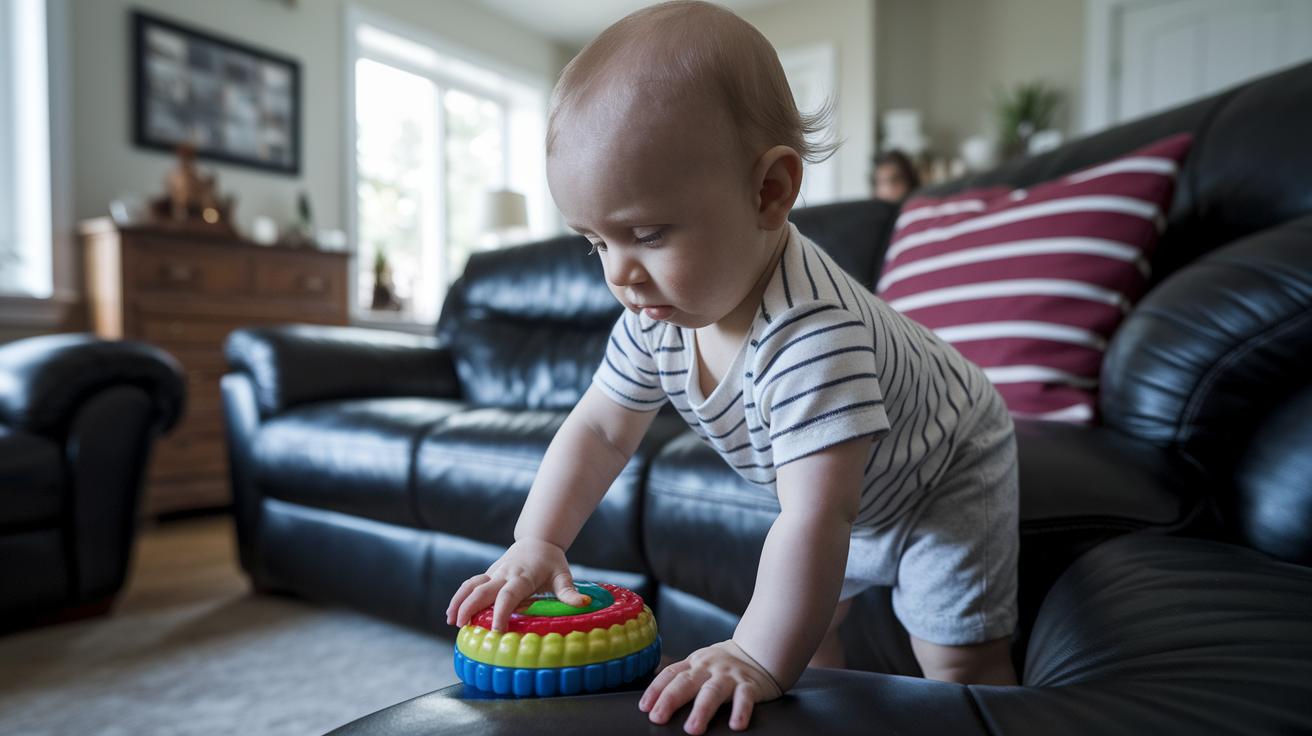
Your baby starts getting ready to move by pulling themselves up to stand when they are about 7 to 10 months old. Imagine your child reaching for their favorite toy while holding on with little hands, it’s a gentle hint that they are testing their balance and building muscle strength.
Around 9 to 13 months, you might see your baby starting to cruise along furniture. They move sideways while holding on to stable surfaces, much like a tiny explorer finding familiar paths. Sometimes, between 10 and 16 months, they may stand for a few seconds with their knees softly bent. This shows they are gaining balance and confidence, one little step at a time.
Research tells us that about half of babies begin taking supported steps by around 9.5 months. And once they can stand on their own, they usually start taking independent steps within 2 to 3 months. With everyday practice and encouragement, your child’s big skill of walking quietly comes together.
It really helps to create a safe space where your child can explore. Every little moment of progress, including those quick seconds of standing by themselves, is a big celebration as they journey towards walking on their own.
Factors Influencing the Onset of Infant Walking
Research shows that once a baby learns to stand on their own, they usually start taking independent steps within 2 to 3 months. Daily practice really makes a difference, those little moments of balancing add up over time. In fact, around 50% of babies take their first steps with a bit of help at about 9.5 months. It’s like watching a tiny acrobat trying new moves!
Culture also plays a big role in when a baby starts walking. In some farming and herding communities, parents hold their babies upright and gently guide them to encourage early stepping. This supportive, hands-on approach can boost a baby’s motor skills and build their confidence. And sometimes, a baby might skip crawling altogether, showing that every little one moves at their own pace. For instance, one baby might happily pull up and cruise along nearby furniture, while another practices balancing in playful ways as they explore new movements.
when do infants start walking: Bright New Steps
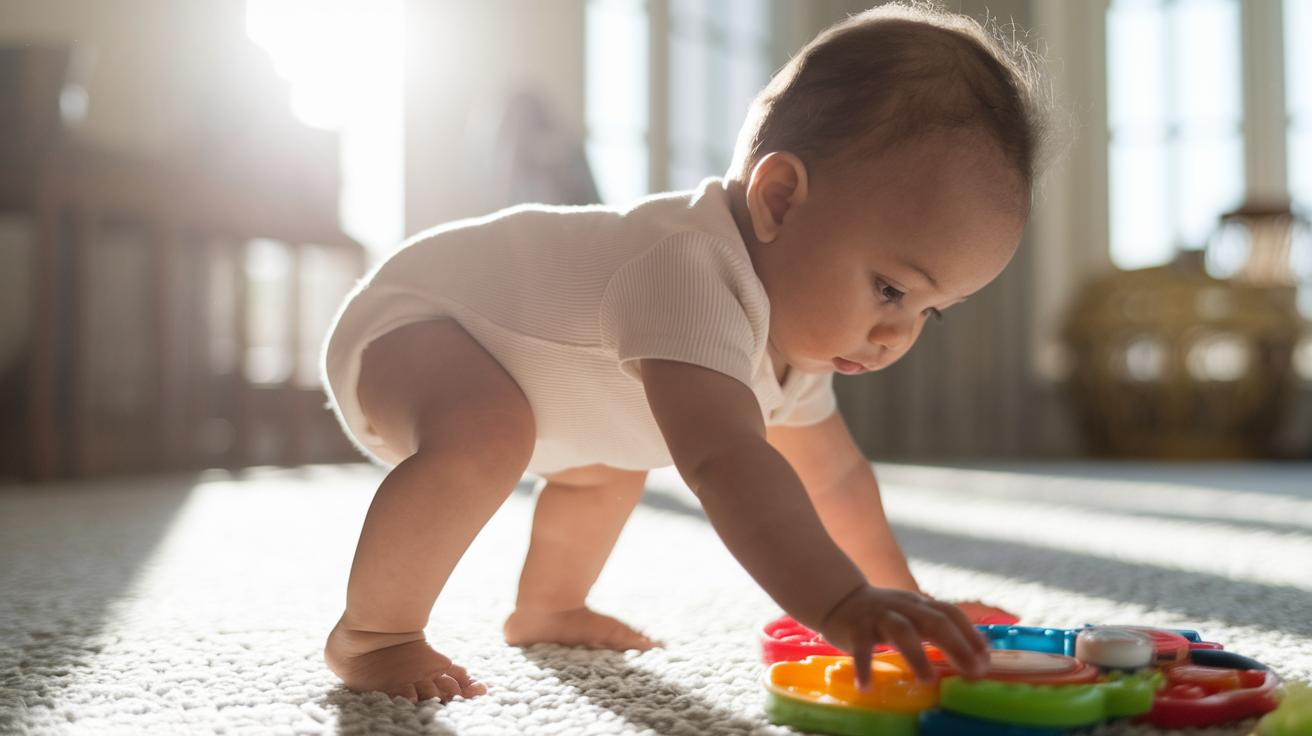
Parents can help kickstart their baby’s walking journey with simple, everyday ideas. Try letting your little one play barefoot indoors, it helps build strong muscles and better foot coordination by letting them feel every step on the floor. This gentle practice not only boosts balance but also gives them a fun, sensory way to learn how to move. For more ideas on how natural movement builds strength, you might check out our guide on Physical development in early childhood.
You can also use toys to encourage stepping. Hold a favorite toy just a bit out of reach, and watch as your baby eagerly moves toward it. It’s a small, joyful challenge that helps boost their confidence. Arranging furniture in a clear, safe path can also guide their steps, and a push-along walker gives extra support as they practice standing and walking.
Here are a few tips to support early mobility:
- Let your baby explore on different, safe surfaces.
- Offer gentle hands-on support while they practice balancing.
- Celebrate even the smallest steps to build confidence and joy.
Every bit of loving practice is a step toward those independent first strides. With simple adjustments and lots of everyday encouragement, your baby will soon be exploring the world on two feet.
Creating a Safe Environment for Your Infant’s First Walking Steps
When your little one starts taking those exciting first steps, it's important to create a safe space where they can explore without worry. Every small bit of support really counts when it comes to preventing falls and building up your baby's confidence. For example, steer clear of baby walkers that move on their own because they might mess with your baby's natural balance and can be a safety hazard. And think about your floors too, glossy tiles or laminate can be quite slippery. Placing non-slip mats on hard floors gives your baby extra grip as they find their feet.
Take a moment to look at the area where your baby is learning to walk. Clutter like toys or loose objects can turn into risks, and furniture that hasn’t been secured might shift or tip over. Many moms find that a bit of bare-foot time indoors helps their baby feel the floor and build muscle strength, while soft, flexible shoes work well outdoors to protect those tiny feet.
Below is a quick checklist to help you baby-proof your space:
- Use non-slip mats on hard floors
- Clear pathways of toys and clutter
- Secure furniture and cover any sharp corners
- Avoid self-propelled walkers; try push-along toys instead
- Encourage barefoot time indoors and use flexible shoes outdoors
When to Seek Help: Recognizing Delayed Infant Walking
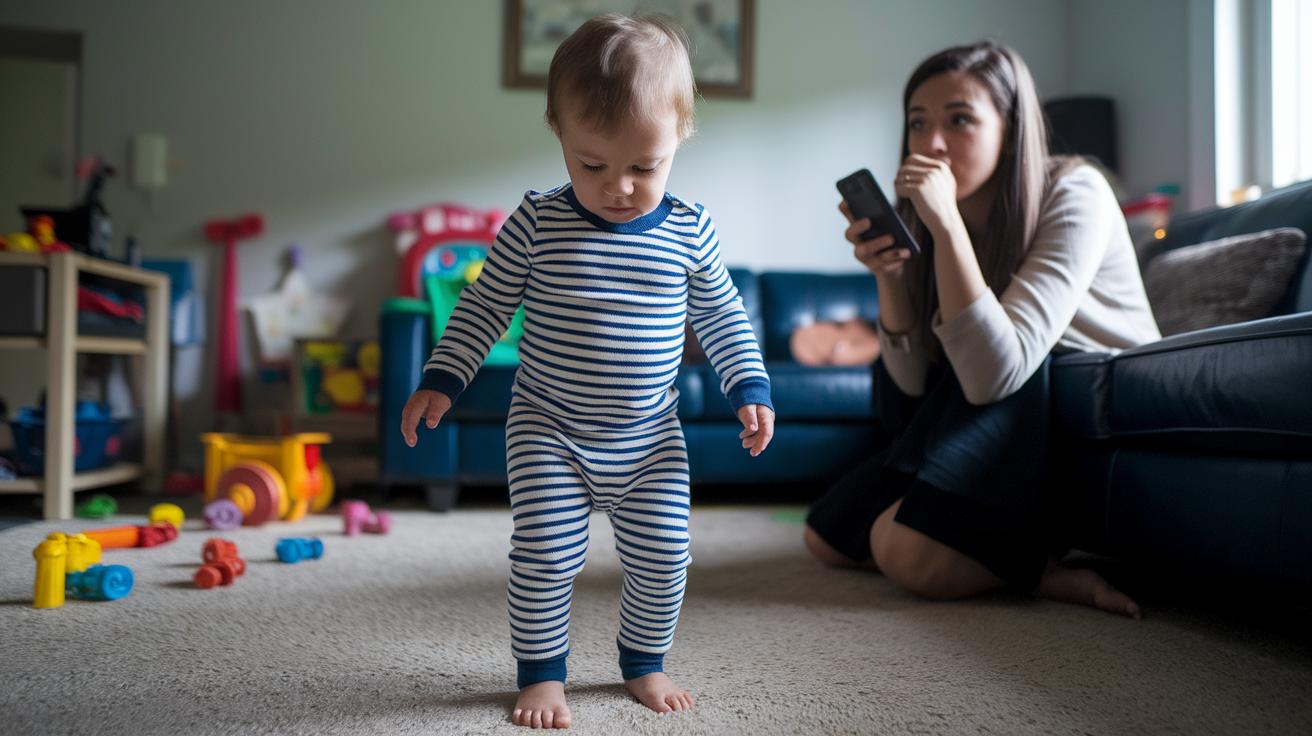
If you notice your little one hasn't taken a step by 15 months or still seems unsteady at 18 months, it might be time to chat with your doctor. Babies can sometimes take a little longer to hit those milestones, but if you're really worried, it helps to get a professional opinion. For instance, it's quite normal for toddlers to try out toe walking as they learn to balance. A few moments like that are expected. Yet, if your child keeps walking on their toes, it may suggest that their balance or muscle strength needs some extra care.
Also, keep an eye out for signs like dragging one leg or if their feet turn inward while they walk. These little cues might indicate a deeper issue that could benefit from early support. Spotting these patterns soon can lead to timely help and guidance to boost their motor development.
Here are some signs to watch for:
- Not taking a step by 15 months
- Still feeling unsteady by 18 months
- Walking on their toes too often
- Dragging one leg during movement
- Feet turning inward when walking
Trust your instincts, every child develops in their own way. And if these signs make you uneasy, talking with your pediatrician could be the best next step to support your child's growth.
Final Words
In the action, we've explored infant walking milestones, from early cues like pulling up to cruising along furniture. We shared practical ideas for encouraging those first steps and outlined how to keep your home safe for growing movers. We also touched on factors that influence when infants start walking, and when to seek help if progress seems slow. Each stage matters. Remember, every little step is progress and a sign of discovery, and these early efforts pave the way for confident, joyful movement ahead.
FAQ
When do babies start talking?
The normal age for babies to start talking is around their first birthday. They begin forming simple words and sounds as they build language skills through babbling and early speech patterns.
When do babies start walking without support, and what is considered an early walker?
Babies typically begin walking independently between 12 and 15 months, though the range can span from 9 to 18 months. A baby who starts walking before 12 months is often seen as an early walker.
What are the signs that a baby will walk soon?
Noticing that your baby pulls up to stand, cruises along furniture, or manages brief moments of unassisted stance indicates that walking may happen soon, usually within a couple of months after standing.
What are common reasons for late walking in babies?
Late walking can come from natural differences in development and the child’s temperament. Fewer opportunities for practice or cautious behavior may also play a part, and persistent delays might need a doctor’s advice.
What does a baby walking age chart typically show?
A typical chart shows that most babies take their first steps between 9 and 18 months, with independent walking usually emerging around 12 to 15 months, reflecting the unique pace of each child’s growth.
What are the dangers of a baby walking too early?
When a baby walks too early, they may have a higher risk of falling and injury due to immature balance and coordination. Creating a safe, baby-proofed area helps protect them as they explore mobility.
When do girl babies start walking?
Girl babies usually begin walking around the same time as boys, often taking their first independent steps between 12 and 15 months, with each child following their own developmental timeline.