Have you ever noticed your baby's first coos opening up a whole new world of language? Those tiny sounds aren't just random noises, they’re the start of meaningful bonds. In this chat, we'll walk through the joyful steps of speech, from early cries to those very first words. Think of each little milestone as a win in your baby’s journey of sharing feelings. Let’s explore these stages together, so you can feel confident celebrating every unique sound your little one makes.
Infant Language Milestones: Age-Based Overview
Watching your baby learn to use sounds is like seeing a little mystery unfold. It’s a sweet way to notice how they start to connect and share their feelings with you.
Newborns mainly show how they feel through crying, eye contact, and actions like sucking or rooting.
Between 2 and 4 months, you might hear soft cooing sounds and gentle vowels when they chat back to soothing voices.
Around 6 to 9 months, your little one begins to babble, putting together simple sounds like "ba-ba" or "da-da" as a fun experiment with language.
From 9 to 12 months, those first words, like "mama" or "dada", start to appear and are used just to catch your attention.
At 12 to 18 months, you'll notice a few more words, usually one to three, often paired with gestures like pointing to clarify what they mean.
By 18 to 24 months, your child starts combining words into simple two-word phrases, giving you a peek into early sentence building.
Remember, every baby grows at their own pace. One child might babble a bit later while another might say their first words sooner, and that's perfectly okay.
Infant Language Milestones: Newborn to 3 Months Early Vocal Cues
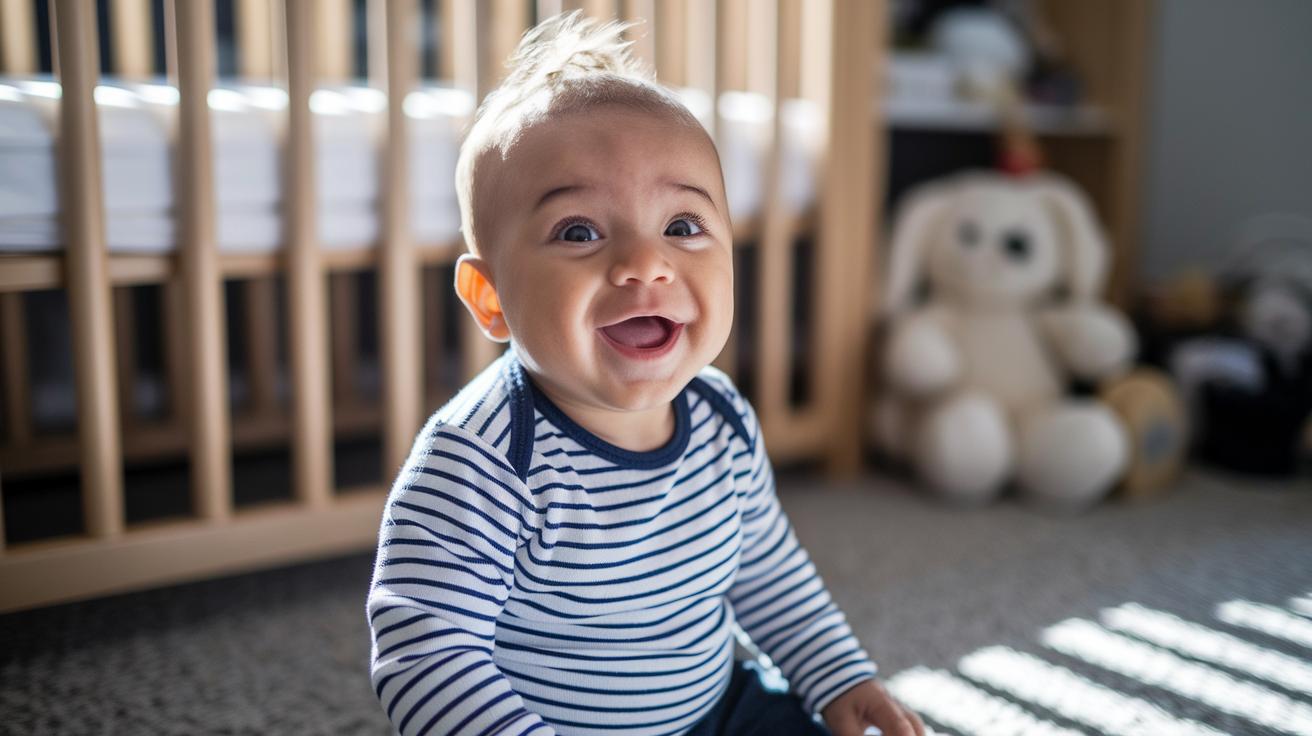
Right from the start, your baby uses crying, rooting, and sucking to share their needs. These natural actions tell you when your baby feels hungry or uneasy, and they also help wake up the brain for language learning. Experts have observed that every baby reacts a bit differently to sounds. When you speak softly, you might see your baby turning their head or their eyes lighting up – simple signs that they're already beginning to recognize the sounds around them.
By about six weeks, many little ones begin to experiment with gentle cooing sounds, which often resemble soft vowel noises. This is an important stage where your baby is playing with different sound textures. When your baby coos, try replying with a quiet "coo coo" or offer a warm smile. It’s a lovely way to encourage their budding language skills and strengthen that precious connection between you both.
Infant Language Milestones: Cooing, Babbling, and Phonetic Exploration
Cooing is that sweet first step in a baby's journey with language. Around 2 months, little ones start making soft, vowel-like sounds such as “oo” as they begin to experiment with making noises. It’s a gentle way for them to start playing with sounds and set the stage for more complex speech later on.
Around 4 to 6 months, babies enter what we call marginal babbling. At this stage, those sounds might seem random and unintentional, just little noises as they get to know their own voices.
Soon, they begin single-syllable babbling. Here, the baby starts to form clear, standalone syllables. It’s a simple step, but an important one in creating a sound pattern that will help with word formation later.
By the time they’re 6 to 9 months old, babies move on to canonical repetition. This is when you might hear a consistent “ba-ba” or similar sound, as they practice and refine how they use their mouth and vocal cords.
Then, between 9 and 12 months, variegated babbling appears. Now, you might catch them mixing different syllables together, something like “ba-ma-ga”, showing that they’re gaining more control over their sounds.
Finally, there’s jargon babbling. At this stage, the sounds get more speech-like in rhythm and tone, almost like a conversation, even though the words still don’t carry meaning.
Each coo and every playful syllable helps build a solid foundation for later word formation, guiding little ones step by step from babbling to meaningful speech.
Infant Language Milestones: First Word Breakthroughs and Word Formation Onset
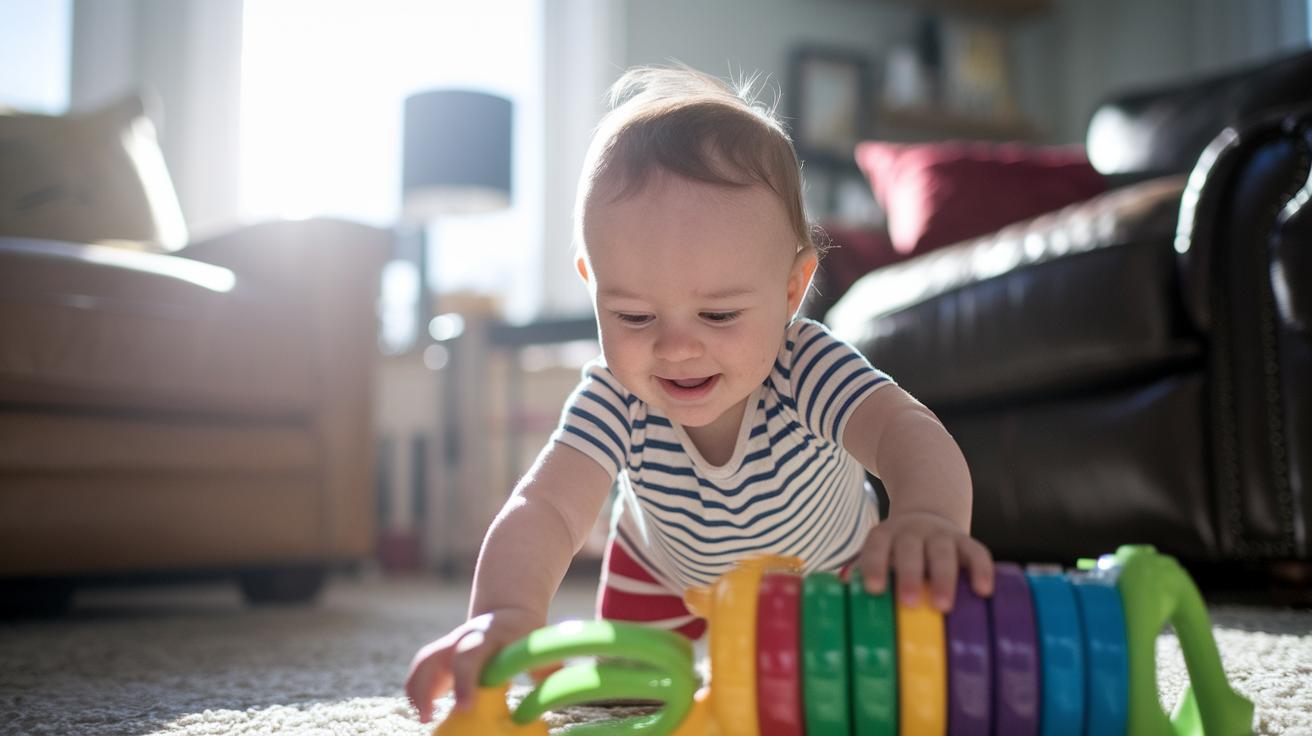
Between 9 and 12 months, little ones start mixing simple words like "mama" and "dada" with their cute gestures. They might point or reach out to show what they mean, almost like a gentle hint to you. For example, a baby might say "dada" and look straight at their dad.
| Age | Typical Words | Gestures |
|---|---|---|
| 9 months | Babbling with hints of first words | Smiling, reaching toward objects |
| 12 months | 1–3 clear words | Pointing and simple waving |
| 15 months | 5–10 words | Enhanced pointing with body movement |
Even if your baby only says a few words at first, they often understand a whole lot more. Their gestures serve as little clues that help them grasp language, building up a much larger understanding than what they can say right away. For instance, if your baby points to their favorite toy while you name it, that’s a sign they really get what you mean.
Infant Language Milestones: Vocabulary Growth Spurts and Two-Word Phrases
Around 18 months, many toddlers hit a magical moment in language. Suddenly, they start picking up and using lots more words than before, almost like a little word explosion. It’s amazing to see how some kids add about 10 to 20 new words each week, bringing their vocabulary to around 20–50 words. Imagine your little one naming everyday objects around the house, saying “ball,” “shoe,” or whichever word catches their fancy. These words might be simple, but they set the stage for more lively chat sessions with family.
Between 18 and 24 months, many toddlers begin to string two words together. You might hear a child say “more juice” at snack time or “mommy up” when they need comfort. These simple phrases show they’re getting better at telling you what they need and feel. Remember, every child develops in their own sweet time, so there’s no need to worry if the pace is different. Watching how your child uses these words in everyday moments can be such a heartwarming way to see their language journey unfold.
Infant Language Milestones: Monitoring Communication Landmark Timing
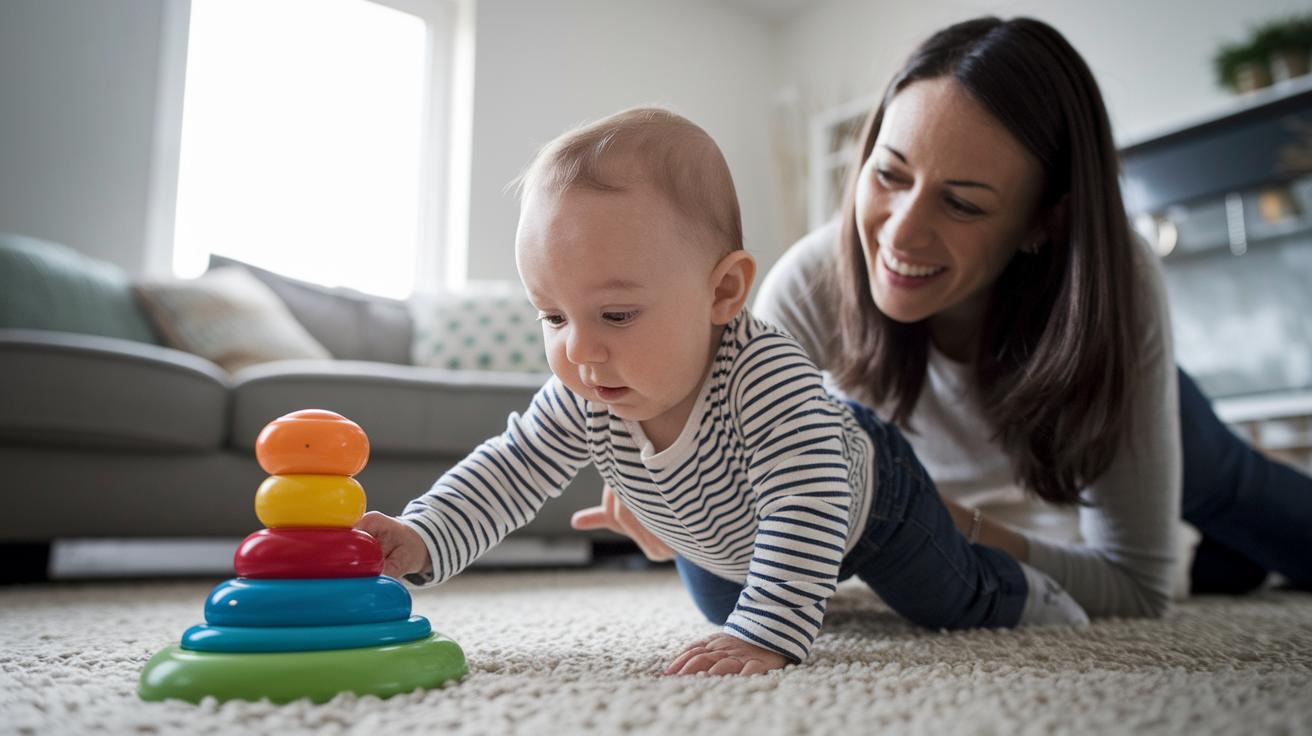
Regular visits to the pediatrician are a great way to see how your baby is growing in their communication skills. Experts suggest scheduling check-ups at around 9, 12, 18, and 24 months so you can gently track their progress with talking. These appointments give you an opportunity to make sure your little one is on track with speaking and understanding. Remember, every baby is unique, and there might be a 3 to 4-month difference in when they reach each milestone. For more details, you can take a look at "Language Development Milestones" on womensconference.org at this link: https://womensconference.org?p=10998.
It’s also important to know the difference between understanding words and actually using words. Your baby might begin to show they understand sounds and even respond to their name well before they start speaking. Those early signs, like turning to a familiar voice or smiling when they hear a sound, are what we call receptive milestones. They often show up before expressive milestones such as babbling or saying simple words. Watching these little cues closely can help you understand your child’s unique pace and feel confident that you’re ready to chat with your pediatrician if anything ever feels off.
Infant Language Milestones: Recognizing Red Flags and When to Seek Help
It can feel overwhelming trying to keep up with every little milestone, but noticing these moments early on can really make a difference in your baby's language journey. Watching how your little one reacts to sounds and reaches out to you can be the first hint that their speech is on track.
There are a few signs you might want to keep an eye on. For example, if your baby isn't making cooing sounds by 4 months, not starting to babble by 9 months, still hasn't said a first word by 15 months, or isn't combining words into simple phrases by 24 months, it might be time for a chat with your pediatrician. Sometimes, hearing issues can look like speech delays, too, so it's always a good idea to discuss any worries with your doctor.
If you notice these early signs, getting advice from a speech-language pathologist can be very helpful. They can offer guidance and support as you navigate your baby's language development together.
Infant Language Milestones: Strategies to Support Early Communication

Every day gives you a chance to help your little one learn to talk. Try describing your daily routines, whether it’s breakfast, playtime, or a walk in the park. Reading a favorite picture book aloud every day can bring fun and simple language into your routine, sparking their interest.
Notice every little sound, coo, or babble your baby makes. Respond warmly and cheer them on, letting them know that every sound counts. Use short and clear sentences and add simple gestures like a wave or clap to show what you mean. These little moments together help build the strong steps toward their first words.
Keep your routine steady and predictable. Taking turns in conversation during play sets a natural rhythm that feels fun and easy for your baby. With patience and a smile, every sound they try out is a step toward joyful speech. It’s amazing how small, caring interactions can create a loving space for language to blossom.
Final Words
In the action, we explored the clear steps of infant language milestones starting from those early cooing sounds through first word breakthroughs and vocabulary growth spurts. We looked at the helpful checkpoints where tiny vocalizations evolve into meaningful communication. Each phase offers insights into your little one’s early interactions and speech progress. Remember, every baby’s path is unique, and with consistent, loving support, progress unfolds naturally. Keep encouraging these early moments, and enjoy every delightful breakthrough along the way.
FAQ
What is a speech development chart by age?
A speech development chart by age outlines key language milestones from birth through preschool, including early sounds, cooing, babbling, first words, and emerging sentences to help parents track communication progress.
Where can I find speech and language milestones in PDF format?
Speech and language milestones in PDF format offer a concise overview of typical language skills, covering age-specific developments and guidelines, such as those from ASHA, for easy reference by caregivers.
How many words should a 1-year-old typically say?
A 1-year-old typically says one to three clear words, often including simple terms like “mama” or “dada,” while also using gestures to express needs.
What are common red flags for speech milestones?
Common red flags include not cooing by four months, not babbling by nine months, lacking clear first words by fifteen months, and no formation of two-word phrases by twenty-four months.
What are the four basic language milestones for babies?
The four basic language milestones for babies are nonverbal cues, cooing, babbling, and the emergence of first words, each marking a clear step in early communication development.
What are the stages of language development during infancy, including the seven stages?
The stages of language development during infancy progress from early nonverbal cues to cooing, various forms of babbling, first words, and early phrases, often detailed in models that include seven distinct stages.