Have you ever wondered if there’s more than just medicine to help with the aches you feel after having a baby?
Picture a warm heat pad, a cool ice pack, and your baby’s gentle hug all teaming up like good friends to melt away your stress after birth.
These natural methods can ease your physical hurts and lift your spirits as you recover.
In this blog, we share simple steps that bring real comfort to your body and fill every moment with gentle, nurturing care.
Comprehensive Natural Strategies for Managing Postpartum Pain
Many new parents find that easing postpartum soreness naturally can make recovery feel a lot gentler. Using simple, non-medicine methods helps soothe issues like uterine cramping and tender incision sites. Imagine placing a warm heating pad on your lower belly, it feels like a soft, cozy hug on a chilly day.
This time after birth is all about listening to your body and giving yourself careful, natural care. You might try cold packs to ease any swelling from tears or a cesarean cut, which can help reduce discomfort. And holding your baby close creates a special, healing connection for both of you. Even light activities like walking or gentle stretching can trigger happy hormones that work to relax tight muscles. Each step, no matter how small, leads to a recovery that feels nurturing and kind.
- Heat therapy: Using a heating pad on your lower belly can ease uterine cramping. Think of it as a gentle, warm touch that comforts you.
- Cold therapy: Applying an ice pack to swollen areas from tears or incisions can feel as refreshing as a cool breeze on a warm day.
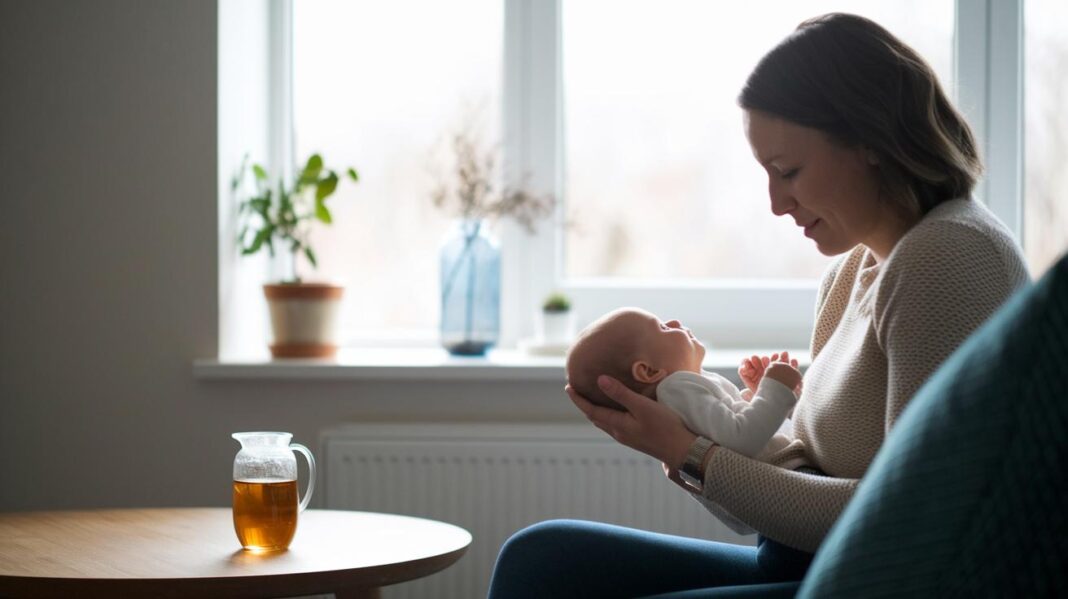
- Skin-to-skin contact: Holding your baby close fosters healing and bonding, a quiet, reassuring moment for both heart and body.
- Bodywork: Getting a gentle massage or trying pelvic floor therapy can help ease muscle tension. Imagine a soft touch gently releasing the stress of childbirth.
- Gentle movement: Taking a light walk or doing some easy stretches can help loosen muscle tightness, much like a refreshing, leisurely stroll.
- Essential oil application: Dabbing a bit of diluted lavender oil on sore spots can feel like a breath of relief, soothing and light.
Blending these natural methods creates a caring way to not only target pain but also nurture your overall recovery. By exploring different self-care practices, you set the stage for both physical relief and emotional comfort.
Herbal and Plant-Based Remedies for Postpartum Pain Alleviation
Herbs can be a gentle friend when your body is healing after childbirth. They help ease aches and help you feel calm and clearheaded. Using simple plant remedies might ease afterpains, soothe tender spots from incisions, and lessen swelling, all without harsh chemicals. It’s like having a trusted, time-tested helper by your side.
| Herb | Form | Benefit |
|---|---|---|
| Cramp Bark | Tincture | Helps ease afterpains and uterine cramps |
| Chamomile | Tea | Makes you feel calm and relaxed |
| Arnica | Ointment | Soothes bruises and softens tender cuts |
| Calendula | Sitz Bath | Helps reduce swelling and supports gentle healing |
When you try these remedies, start with a little to see how you feel. It’s always best to buy your herbs from a reliable source to be sure they’re pure and safe. You might also chat with a herbal expert to find the best option for you. Listening to your body and taking it slow can make these natural approaches a real help in your journey to recover.
Gentle Exercise and Mind–Body Practices for Natural Postpartum Pain Relief
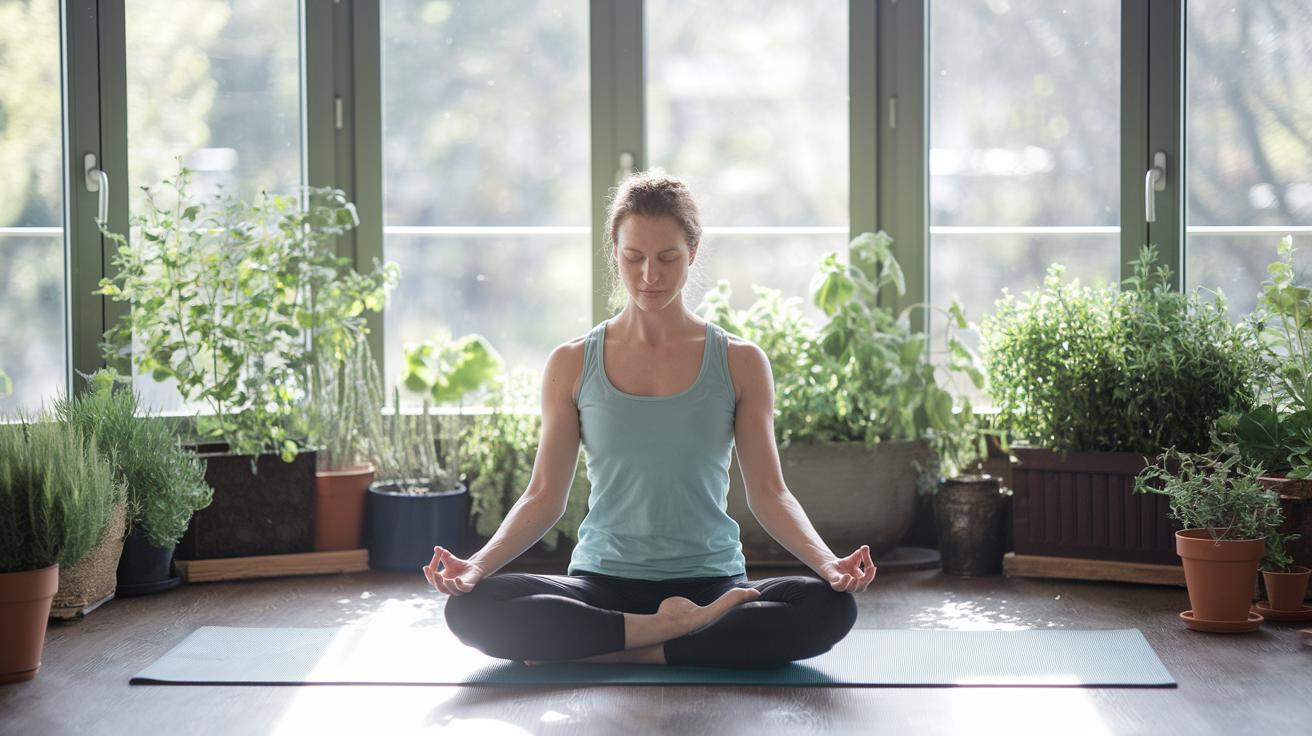
After childbirth, a mix of movement and mindfulness can ease muscle tension and calm your mind. A short daily walk or a simple yoga routine can help reduce aches by sparking your body's natural pain relievers. Plus, practices like meditation and deep breathing lower stress and bring a sense of peace during your recovery.
Postpartum Yoga Sequences
Why not try a few gentle yoga poses to ease lower-back pain and uterine cramping? Begin with a soft child's pose to relax your back, move into a seated twist to ease tension, and finish with a gentle cat-cow stretch to boost flexibility and calm your body. Each pose is a small, soothing step on your healing journey.
Mindful Breathing Techniques
A simple four-part breathing exercise can do wonders for easing tension. Start by slowly inhaling through your nose, hold for a count of three, then gently exhale through your mouth with a brief pause before the next breath. This routine not only lowers stress but also makes the challenges of postpartum recovery feel a little lighter.
Gentle Stretching Routines
Incorporate daily stretches that focus on your hips and shoulders, areas that often feel tight after delivery. Simple moves like gentle hip circles and soft shoulder rolls can gradually release built-up tension. This routine helps improve your mobility while making sure you don’t overdo it during this delicate time.
Mixing these mind and body techniques creates a cycle of relief and calm. Not only do they ease physical discomfort, but they also nurture your emotional well-being as you move through your postpartum recovery.
Self-Care Rituals and Supportive Therapies for Non-Drug Postpartum Recovery

After giving birth, a gentle massage can really help ease those tight muscles. Start by softly moving your fingers in small circles on your lower back and hips. Adjust the pressure as needed until you find what feels good. It’s like giving yourself a little hug from the inside.
You might also try mixing one or two drops of lavender essential oil with a neutral carrier oil. Gently dab this blend on your wrists or temples and let the calming scent fill your space. It can work wonders in softening the stress of the day.
For some quick comfort, consider using both warm and cool therapies. Place a heating pad on your lower belly for about 15 minutes to soothe any cramps. Then, if you have a cesarean incision, a cold pack applied for 10 minutes can help cut down any swelling. Alternating warm and cool compresses is a simple recipe for easing discomfort.
Holding your baby close skin-to-skin is another beautiful way to nurture both of you. Adding in a warm sitz bath for about 10 minutes after nursing can soothe perineal discomfort and help you feel more at ease. It’s a small ritual that offers big relief.
Try to design a daily self-care routine that fits your life. Maybe you start with a relaxing massage, diffuse your favorite essential oil, use heat or cold therapy when needed, and top it all off with some calming skin-to-skin time with your baby. This thoughtful blend of practices can help you care for your body and calm your mind as you recover.
Nutritional Guidance and Supplements to Support Natural Postpartum Healing
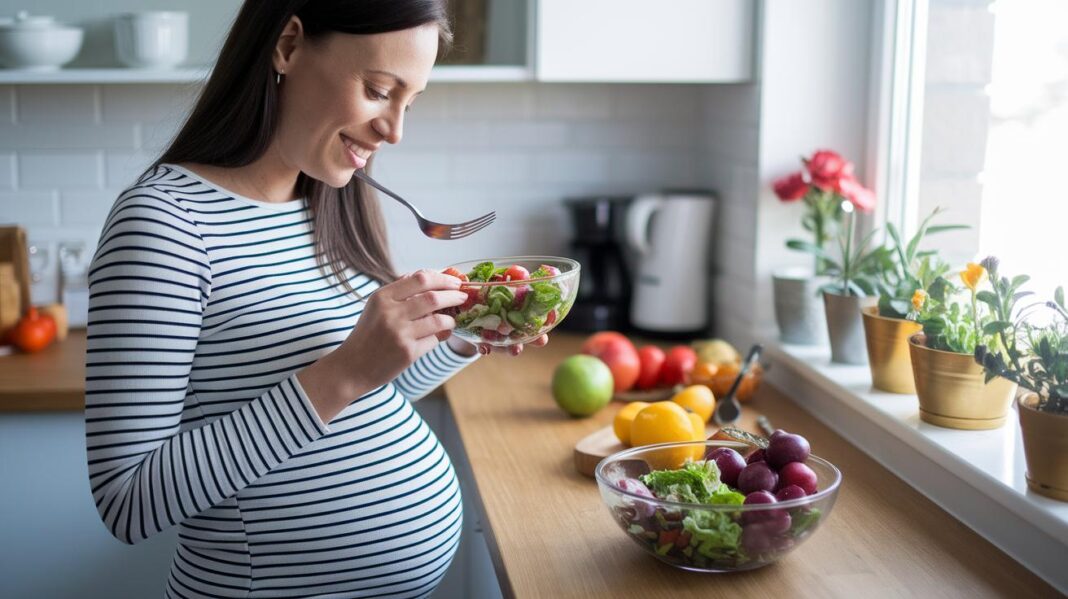
Eating lots of colorful, anti-inflammatory foods can really help your body recover after childbirth. Imagine sipping water throughout the day like a gentle bath for your insides, it feels refreshing and helps keep everything moving. High-fiber treats like fruits, veggies, and whole grains can keep your digestive system happy and help prevent that uncomfortable constipation feeling. Picture a vibrant salad packed with fresh colors after a long day; it boosts your energy and gently supports your healing process.
Adding a few extra supplements to your diet can also fill in any gaps. Omega-3 fatty acids, found in a small portion of fatty fish or a spoonful of flaxseeds, help your body repair tissue. And foods high in magnesium, like leafy greens or a handful of nuts, can ease those muscle cramps and help your movements feel a bit smoother. Vitamin C from citrus fruits or bell peppers is a great helper too, think of it as a little boost for your immune system and tissue repair. Even preparing a simple, nutrient-rich smoothie in advance can make it easier to enjoy steady, healing nutrition throughout your day.
Safety Considerations and Professional Support for Natural Postpartum Pain Management

Taking care of yourself naturally after having a baby is a gentle process that works best when you know its limits. Simple methods like using a warm or cool compress and enjoying quiet moments with your little one can help ease discomfort. But remember, these natural tricks are just one part of your recovery journey. It helps to really listen to your body and keep your postpartum checkups so you can share how you're feeling with your doctor.
Be on the lookout for signs that mean you might need a little extra help. If you get a fever above 100.4°F, notice heavy bleeding that soaks through a pad in an hour, or see redness or any unusual drainage at your incision, it's a good idea to pay close attention. These signals, especially when paired with increasing pain, might mean your recovery needs a different approach.
Talking with professionals, like your doctor, a physical therapist, or a lactation consultant, can give you extra comfort and clear advice. By mixing natural self-care with expert support, you can feel safe and cared for as you adjust to this new chapter in your life.
Final Words
In the action, this article explored simple, natural ways to ease pain after birth. You read about safe, non-drug methods that include heat and cold therapies, gentle movement, and soothing herbal treatments. It also highlighted practical self-care rituals and nutritional tips to help your body recover smoothly.
Each section shared clear guidance and actionable strategies. Using these tips can really help with managing postpartum pain naturally. Stay bright and be kind to yourself every step of the way!