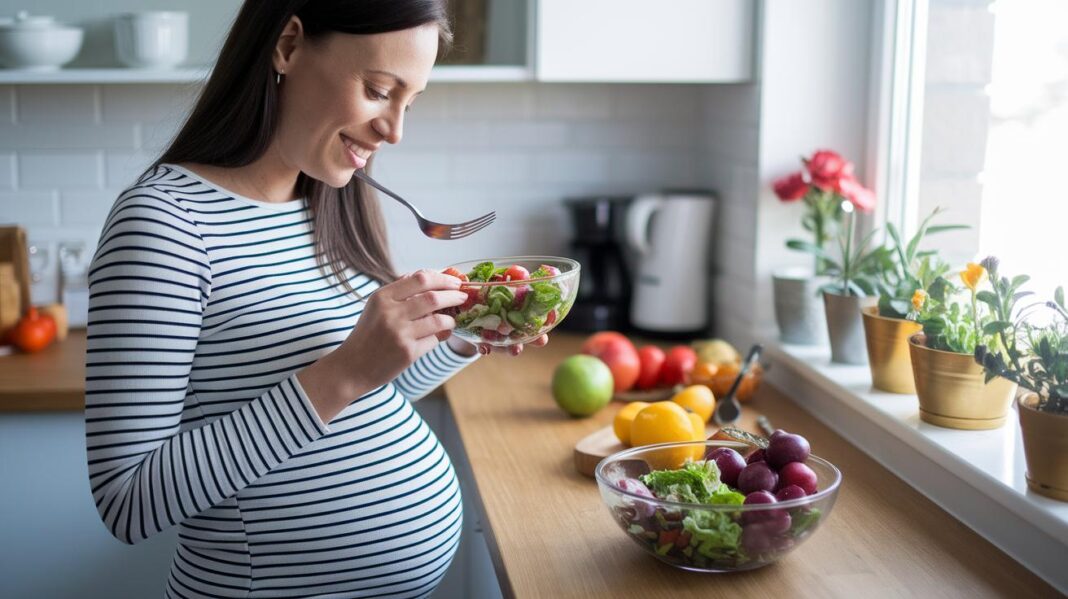
Have you ever thought that one meal might change your health while you're pregnant (the time when you expect your baby)? Imagine your food as a puzzle where every piece, like fruits, veggies, lean proteins, and whole grains, fits in perfectly. Studies tell us that a balanced diet can help lower risks such as gestational diabetes and an early birth. In this blog, we're talking about how little, thoughtful food choices can build a strong, healthy base for both you and your baby, helping you both thrive during this special time.
Dietary Patterns and Maternal Health Outcomes: Key Evidence and Associations
Maternal dietary patterns explain how moms-to-be mix various food groups to get the nutrients they need. It’s like putting together a colorful puzzle of fruits, veggies, lean proteins, and whole grains. For example, one study showed that a meal with a bright salad and lean protein not only tastes great but also delivers important vitamins. This kind of healthy eating helps build a strong nutritional base during pregnancy.
Research shows that paying close attention to your diet before and during pregnancy may lower the risk of gestational diabetes and even reduce the chances of a preterm birth. Think of it like fueling your car with premium gas, a bit of extra care in food can make a big difference in how smoothly things run during pregnancy. This approach helps keep blood sugar levels stable and supports the growth and development of your baby.
There’s still a lot to learn too. While many studies show benefits like lower risks for gestational diabetes and preterm birth, not many have looked at how different food combinations might influence your baby’s weight when they’re born. This is a call for more research so we can get clearer, more detailed advice for expectant moms.
Maternal Dietary Patterns Across Reproductive Periods
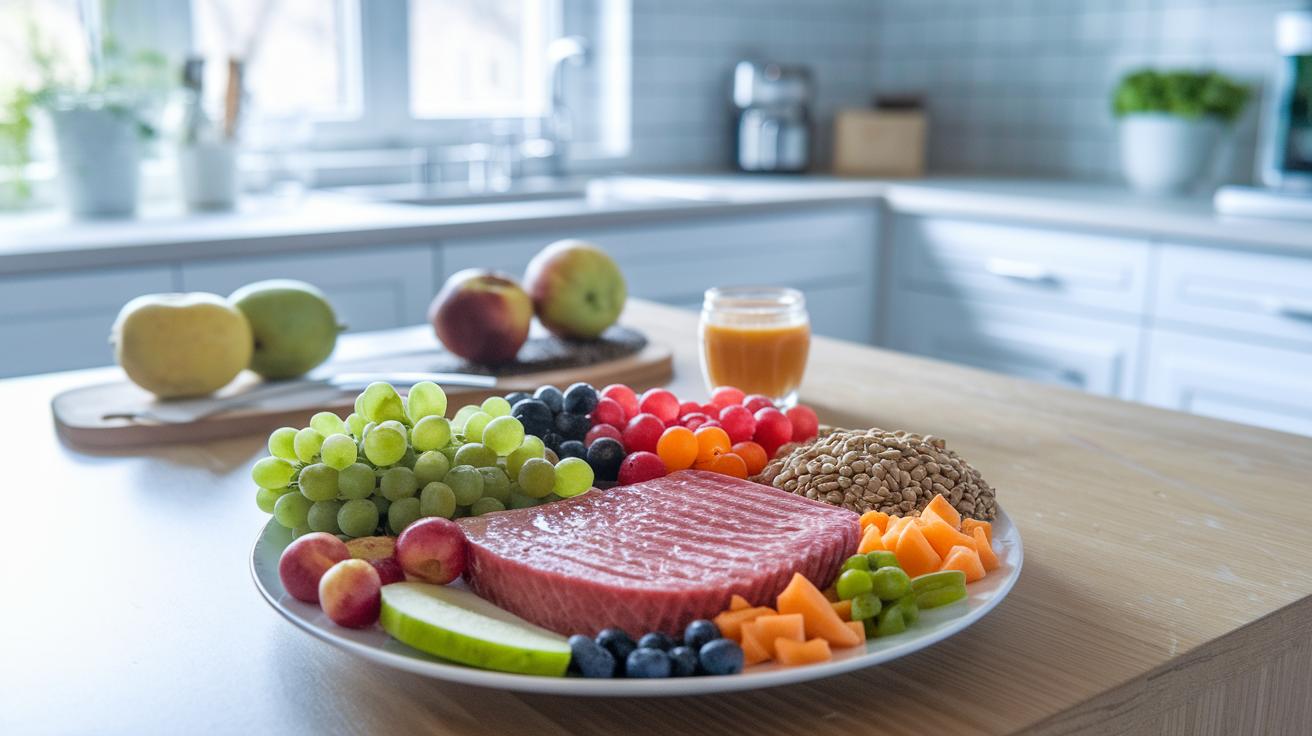
It can be really surprising how little research we still have on what moms can do before pregnancy to set up healthy eating habits. Even though it doesn’t get a lot of spotlight, this phase is a great time to start mixing in more fresh fruits, veggies, and lean proteins. Just a few simple changes now can really pave the way for a healthier pregnancy later.
When you’re pregnant, whether it’s the early, middle, or later stages, most studies talk about sticking to meals packed with nourishing foods. Moms often find that a plate full of whole grains, dairy, and lean proteins not only helps in managing weight during pregnancy but also lessens the risks associated with early delivery. Imagine a meal that's bursting with different colors and textures, making you feel both comforted and energized!
Keeping a steady routine of good nutrients during pregnancy is like having a supportive friend by your side; it boosts your energy and gives your baby the building blocks for healthy growth. Moms who enjoy a balanced spread of good fats, vitamins, and minerals often notice smoother changes in their bodies along with an overall sense of well-being.
After the baby’s born, especially in the first three months, it’s a time when many moms shift from their pregnancy eating habits to a diet that helps with recovery and supports breastfeeding. This early postpartum period might not be studied as much, but it’s just as important to focus on nutrient-rich foods that help you heal and care for your little one.
| Area for Further Study | Why It Matters |
|---|---|
| Preconception Dietary Impacts | Setting up healthy eating habits early can make a big difference |
| Optimal Postpartum Eating Habits | Helps moms recover well and supports breastfeeding |
| Long-term Dietary Patterns | Understanding how eating habits change after early postpartum |
Dietary patterns and maternal health outcomes: Thriving
Researchers are blending different parts of a healthy lifestyle, like what you eat, how much you move, and whether you smoke, into one simple score to show how these choices work together. This approach helps us see that a balanced way of life can lead to healthier pregnancies and better birth outcomes. For example, a mom who enjoys nutritious meals, stays active, and avoids smoking is more likely to get the nutrients she needs during pregnancy.
When looking at the food part alone, experts pay close attention to the right mix of proteins, fats, and carbohydrates, along with vitamins and minerals. They also think about how many different types of food groups a mom enjoys every day. Just picture a plate filled with lean protein, whole grains, and a bunch of colorful fruits and veggies, it’s a helpful way to see how balanced eating supports a mom’s health.
The insights from these studies are paving the way for better nutrition plans that guide moms in a caring, clear way. This fresh look at diet tells us why eating well is so important during pregnancy and helps shape new advice for moms who want the best for themselves and their babies.
Cohort Studies Linking Healthy Dietary Patterns to Maternal and Child Outcomes
Large studies from different parts of the world gently remind us that a balanced diet during and after pregnancy can make a real difference for moms and their little ones. Researchers looked at groups of moms and their children, as well as shorter studies, to see how eating well can reduce birth worries and help early childhood health. In Ireland, one study found that moms who stick to healthy meals tend to face fewer birth challenges, while research in the United States showed that a good lifestyle links to lower rates of childhood obesity. Studies in China and Tanzania back up these ideas too, suggesting that a mix of wholesome foods might boost overall health for families.
| Study Location | Design | Sample Size | Main Findings |
|---|---|---|---|
| Ireland | Mother–offspring cohort | Large-scale | Healthy dietary habits linked to fewer birth challenges |
| United States | Mother–offspring cohort | Large-scale | Good diets connected with lower childhood obesity rates |
| China | Cross-sectional study | Thousands | Results show the benefits of a varied diet |
| Tanzania | Cross-sectional study | Several hundred | A mix of different food groups linked to better health for moms and kids |
Looking at these findings, it feels clear that healthy eating is a simple key to better outcomes. When moms enjoy balanced meals, they usually have fewer complications during birth and give their children a solid start in life. And when families include a variety of nutrient-packed foods in their daily routine, it can lead to better overall health. In truth, a straightforward nutritional plan during pregnancy not only helps with immediate birth results but also lays the foundation for lasting wellness.
Nutritional Intervention Strategies to Improve Dietary Patterns and Maternal Health
Taking care of your diet before and during pregnancy is like laying a strong foundation for a happy, healthy family. Research shows that well-planned meals not only keep your body strong during these important times but also help your baby grow and develop beautifully. Experts agree that mixing a variety of nutrient-rich foods with the right supplements can lower the chances of problems like anemia and some nerve issues in newborns. For trusted advice, you can always check out resources like the maternal diet and wellness guidelines (https://womensconference.org?p=11209) as you learn what your body needs.
- Include iron-rich foods: Adding lean red meat, spinach, or legumes helps your body absorb iron and ward off anemia.
- Boost with folic acid: Using fortified grains or supplements can reduce risks related to neural tube issues (problems that affect your baby’s early development).
- Mix in omega-3 sources: Eating fish or flaxseeds gives your little one an extra dose of support for early brain growth.
- Keep a balanced mix: A blend of proteins, healthy fats, and whole grains provides steady energy and solid nutrition throughout your pregnancy.
- Monitor weight gain: Keeping track of healthy weight gain can support long-term benefits and make postpartum recovery a little easier.
Doctors and nurses use these strategies to design easy-to-follow meal plans that really work. When they suggest a mix of whole foods along with supplements like prenatal vitamins (https://womensconference.org?p=10823), they’re building on evidence that these choices benefit both you and your baby. By weaving these nutritional tips into your daily routines, you can work hand in hand with caring professionals to create a plan that supports you every step of this special journey.
Research Gaps and Future Directions in Dietary Patterns for Maternal Health
Right now, most studies look at what moms eat during pregnancy. We don't know enough about the food habits before pregnancy or right after the baby arrives. Some research hints that a mom's diet might affect things like the baby's birth weight and timing, but we need more details. Plus, many studies don't include enough moms from minority or low-income backgrounds, which means we're missing important parts of the story.
One big focus should be on the food moms eat before getting pregnant and in the early days after birth. Imagine if a small shift in meal timing could help manage healthy weight gain! We also need to look closely at how specific eating habits might support healthier birth outcomes. And by including more moms from diverse backgrounds, we can make sure our advice truly helps everyone.
Learning more in these areas could really show us how simple dietary changes can lift both maternal and baby health to a new level.
Final Words
In the action of understanding how eating habits impact pregnancy, we've explored key research linking healthy diets to lower risks like gestational diabetes and preterm birth. Evidence shows that careful planning during preconception, pregnancy, and postpartum phases matters.
We also reviewed findings from large-scale studies that shine light on dietary patterns and maternal health outcomes. Positive changes in everyday meals can lift both mood and well-being. The research paves the way for more empowering, informed choices.
FAQ
How does maternal nutrition influence pregnancy outcomes and maternal health?
The impact of maternal nutrition shows that a balanced diet rich in key nutrients supports a healthy pregnancy. It helps lower risks of conditions like gestational diabetes and preterm birth while boosting overall maternal well‐being.
What is the relationship between maternal health literacy and dietary self efficacy with pregnancy outcomes?
The connection between maternal health literacy and dietary self efficacy means that when mothers understand nutrition and feel confident managing their diet, they’re more likely to experience improved pregnancy outcomes.