
Have you ever noticed that your baby might not be taking those big first steps like other little ones? Sometimes parents see small signs that their child may be moving, talking, or playing a little differently.
It could be that your baby seems to be moving at a slower pace, or maybe they aren’t interacting in the way you expect. These little hints can feel a bit worrisome, but they are also a chance to catch anything early. When you spot these clues, you can reach out for the right care, and that care can open the door to a brighter path for your baby filled with fun and learning.
Remember, every baby grows at their own pace. Have you ever thought that a tiny difference might just be a gentle nudge to check in with a trusted expert? Taking note early means you’re giving your child the best chance to thrive, each day turning into new adventures and happy milestones.
Milestone Timelines and Early Signs of Delayed Infant Milestones

Babies grow and learn in five main areas: moving big muscles (gross motor), using small muscles (fine motor), talking, making friends (social), and thinking skills (cognitive). Knowing these steps can help you feel more confident when watching your little one develop. You can even check out the childhood development stages chart here: childhood development stages chart.
Most babies can sit on their own by 6 months, start crawling around 9 months, and take their first independent steps between 12 and 15 months. Their hand skills grow, too – they begin by moving toys from one hand to the other and later, they develop a pincer grasp (using thumb and finger to pick things up). When it comes to talking, they start with babbling at around 6 months, say their first words close to 12 months, and then combine words into simple two-word phrases by 24 months. Social smiles emerge by 2 to 3 months, and by 15 to 18 months, they often point at things to share their interest. Early thinking, like understanding that something hidden is still there (object permanence), usually happens by 12 months.
Here’s a quick list of some key milestones:
- Sit without help by 6 months
- Crawl by 9 months
- Walk on their own between 12–15 months
- Babble by 6 months and say their first words around 12 months
- Use simple two-word phrases by 24 months
- Smile socially by 2–3 months and start pointing at things by 15–18 months
- Understand that hidden objects still exist by 12 months
If your baby is 25–50% later than these milestones, it might be a sign to talk with a pediatrician. Early guidance from a specialist can help you feel more at ease and ensure your baby gets the support needed as they grow.
Recognizing Gross Motor Delay Indicators in Infants
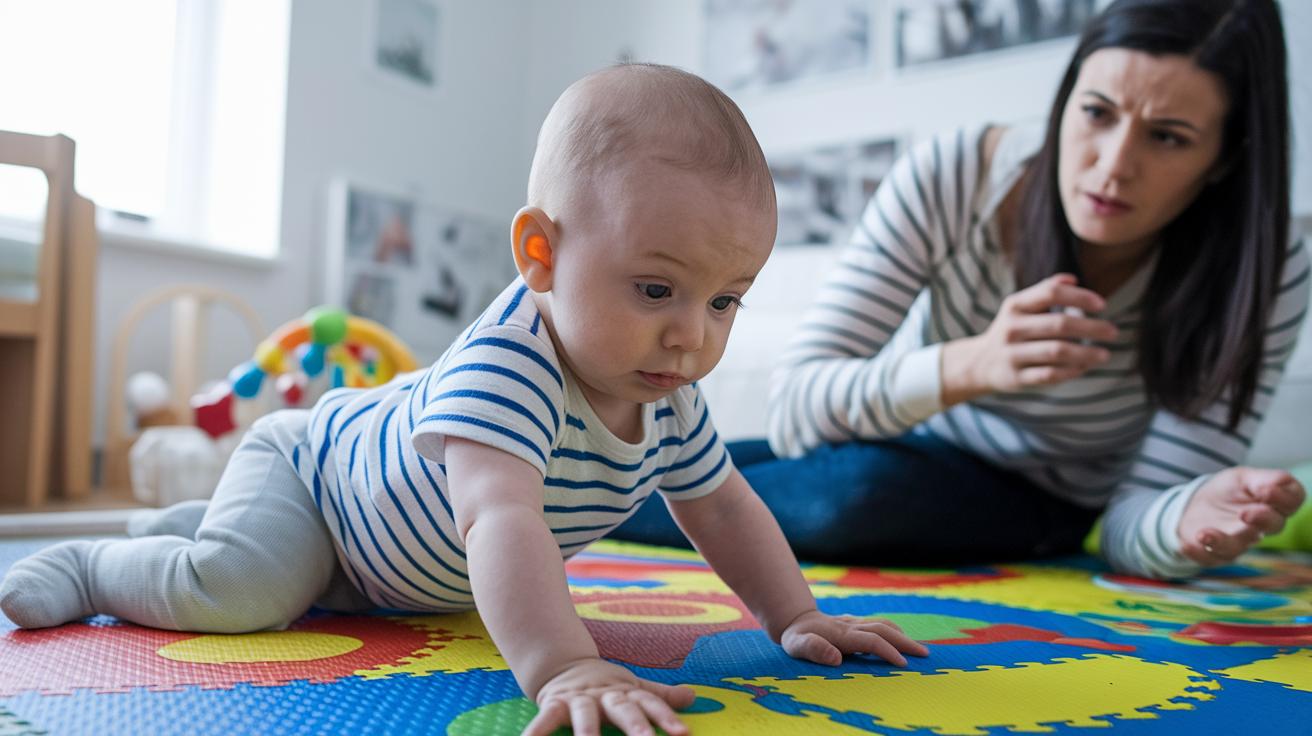
Watching your baby move is like seeing a little adventure unfold. You notice more than just when they sit, crawl, or walk, you also see how they hold their head and move their arms and legs when they play. It’s a bit like watching a little sailor keep his hat on during a playful gust of wind.
Sometimes, you might see little hints that something might need a closer look. For example, if your baby’s muscles seem uneven or if they have a hard time reaching for a toy during tummy time, it could be worth noting. Rather than only celebrating big milestones, try to see how your baby moves with everyday objects. Maybe your baby struggles to shift their weight or their arm and leg movements seem out of sync. These moments deserve your attention.
If you start noticing signs like poor head control, uneven muscle strength, or off-balance movements, write these down over a few days. Then, have a chat with your pediatric specialist about what you’ve seen.
| Observable Sign | Action Step |
|---|---|
| Difficulty keeping head steady during play | Note the instances and speak with your pediatrician |
| Uneven muscle tone or uncoordinated movements | Keep track over several days and get expert advice if needed |
Identifying Fine Motor and Coordination Delays

When your baby starts using their hands to explore, they're learning to connect with the world. Watching them move an object from one hand to the other shows they’re building important skills. It's all about how they learn cause and effect while strengthening those little muscles.
By about 6 months, most babies can easily pass a toy from one hand to the other. Then, around 9 to 10 months, they'll usually begin using a pinching motion with their thumb and index finger to pick up small things. If your baby isn’t reaching for a toy, has trouble holding something tiny, or can’t pick up little pieces of food by their first birthday, it might mean they’re taking a bit longer to develop these skills.
Keep an eye on them during play. How they handle a small ball or reach for their favorite toy can give you a gentle clue about how well their hand and finger skills are growing.
Signs of Delayed Infant Milestones: Active Care Needed
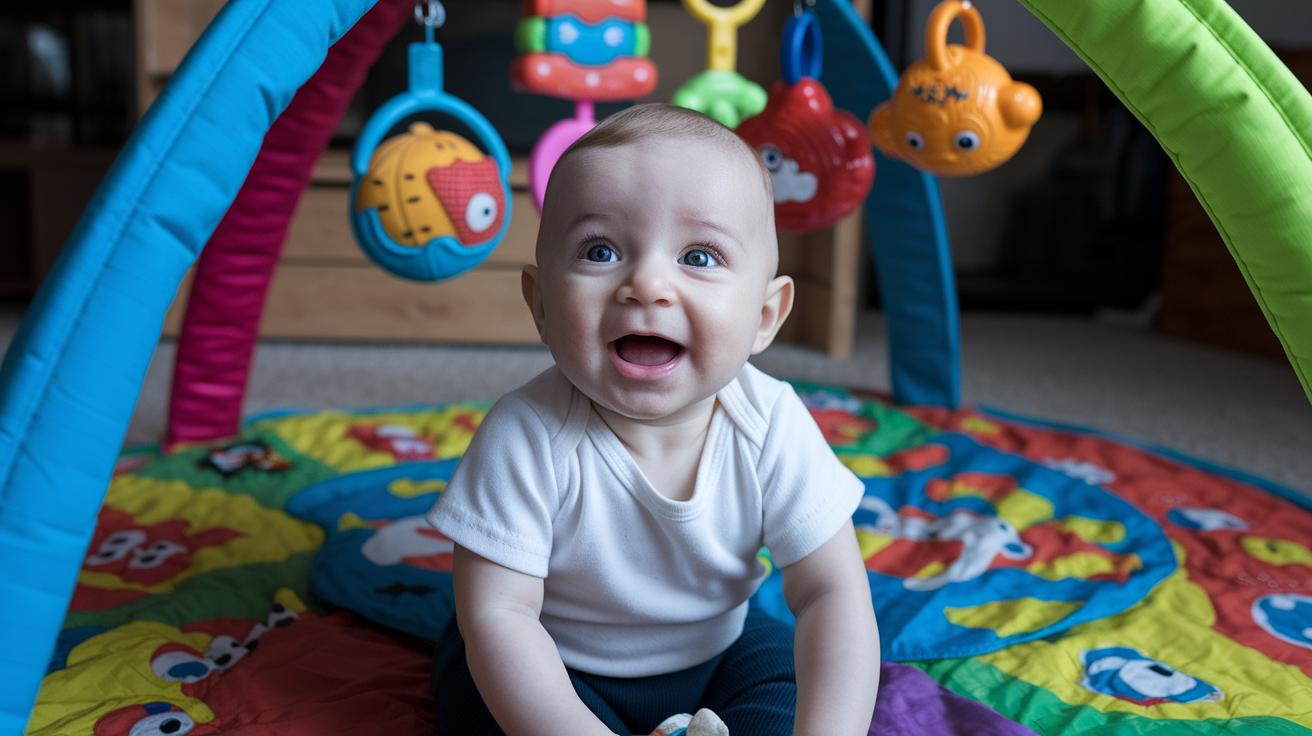
Babbling usually starts around 6 months when babies play with sounds to get ready for real words. Most little ones say their very first word by 12 months, using these early sounds to share simple needs.
Around 15 months, many babies begin to use gestures like waving or pointing to show what they mean. By 18 months, you’d expect a child to know about 20 to 50 words, which helps them share basic ideas and connect with their world.
There are a few clues that might mean your baby's speech or language is not developing as expected. For example, if your baby doesn’t start babbling by 6 months, it might be time to check in with a professional. If they aren’t using gestures like waving or pointing by 15 months, that is another sign to watch for. Not hearing any clear word by 12 months might be concerning too. And if your baby uses far fewer words than the expected range by 18 months, it could be a sign of expressive language delay that needs extra care.
Noticing these signs in everyday moments can help you decide when it’s a good idea to ask for professional advice. For more details, you might find these language development milestones helpful: language development milestones
Screening Social, Emotional, and Cognitive Development for Red Flags

These areas help us see how your little one bonds with others and learns about the world. Social, emotional, and thinking skills set the stage for how a child interacts day by day. When these skills seem to be coming in later than usual, it might mean there are some differences that could affect later learning and friendships. Catching these early hints means you can get help sooner, making you feel more at ease as your child grows.
| Domain | Expected Age | Red Flag |
|---|---|---|
| Social | Smile by 3 months | No smile by 9 months |
| Emotional | Responds to voices by 6 months | No response by 9 months |
| Cognitive | Finds hidden object by 12 months | No object permanence by 15 months |
| Self-soothing | Calms to caregiver by 9 months | Continued distress at 12 months |
It really helps to watch for these signs. If your child is a few months behind, it doesn’t mean something serious is wrong. Still, it might be a good idea to talk with your doctor about what you’ve noticed. You might wonder, “Is my baby smiling enough?” or “How does my child react when I speak?” Bringing these questions up can lead to the support you need. Keeping an eye on these signs along with other milestones helps you see the whole picture of your child’s growth, and makes everyday moments a chance to see progress and address any worries early.
Using Milestone Checklists and Tracking Tools for Early Detection

Using a checklist can really help you keep track of your child's growth. It guides you from one step to the next, showing typical milestones like moving, talking, and playing. This way, you'll feel at ease watching your little one’s daily progress, and you can catch changes early if something seems different.
Health experts suggest that your child gets screenings at 9, 18, and 24 or 30 months. Their checklists show what to expect at each age, making it fun to mark moments like when your baby first reaches for a toy or says a simple word. You might also try a baby tracker app, which lets you log these moments and gives you a little alert if something seems delayed. By using both a checklist and an app, you get a clear record of your child’s development and can easily see if it’s time to talk with your doctor.
Don’t forget to mark your calendar for these important check-ups. It’s a small step that helps keep your baby's care on track.
When to Consult a Pediatrician: Assessment and Early Intervention

It’s helpful to visit your child’s doctor regularly to keep an eye on their growth. Each checkup is a chance to see how your little one is doing with talking, moving, and interacting with others. These friendly visits can catch early hints that your child might be taking a bit longer to reach some milestones. At around 9, 18, and between 24 to 30 months, more detailed screenings are done so that if there’s a delay, help can begin as soon as possible.
You might consider chatting with your pediatrician if you notice:
| Sign | Description |
|---|---|
| Multiple Milestone Delays | Your child is missing two or more expected steps, like smiling, reaching, or babbling. |
| Ongoing Parental Concerns | You’ve been worried for longer than a month about your child’s progress. |
| Skill Regression | Your child seems to lose skills they previously had. |
| Abnormal Muscle Tone or Reflexes | You notice unusual muscle tone or reflexes that set your child apart. |
When one or more of these signs pop up, it’s a good idea to discuss your observations with your pediatrician. A conversation about your child’s coordination, language, and social interactions can lead to more targeted checks. Professionals might assess everything from how your little one moves to how they communicate and interact with others. Often, early intervention can boost these skills, laying a strong foundation for both school and everyday play.
Taking action early can really make a difference. The sooner a specialist takes a look, the faster your child can start therapies that support social, communication, and motor skills. This proactive approach not only puts your mind at ease but also creates a wonderful, supportive path for your child’s ongoing growth and self-confidence.
Common Risk Factors Associated with Infant Developmental Delays
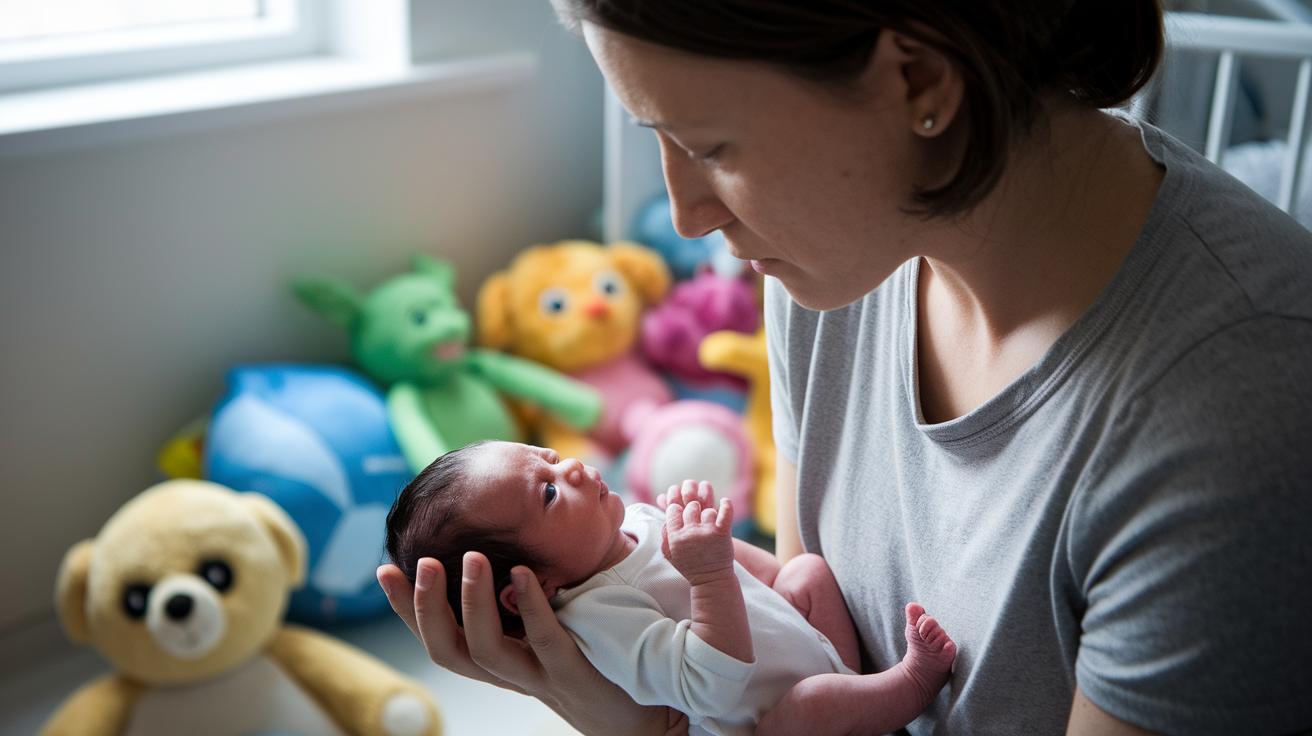
Babies born too early, before 37 weeks, can run into more delays. In fact, their risk can increase by as much as 50%. Low birth weight and early complications, like breathing problems, only add to these challenges. Sometimes, genetic conditions such as Down syndrome can also make it harder for a baby to hit key milestones. And then there’s the environment: things like lead exposure or not enough good food during early development might affect your little one’s physical growth, brain development, and even how they process what they see and hear.
If your child has faced one or more of these risk factors, it might be a smart idea to set up screenings a bit earlier rather than later. Keeping an eye on things during routine check-ups can help you spot any slowdowns early on. This way, you and your healthcare provider can team up to create a plan that supports your child’s growth, easing any delays before they start affecting everyday activities.
Tips for Parents to Support and Monitor Infant Milestones
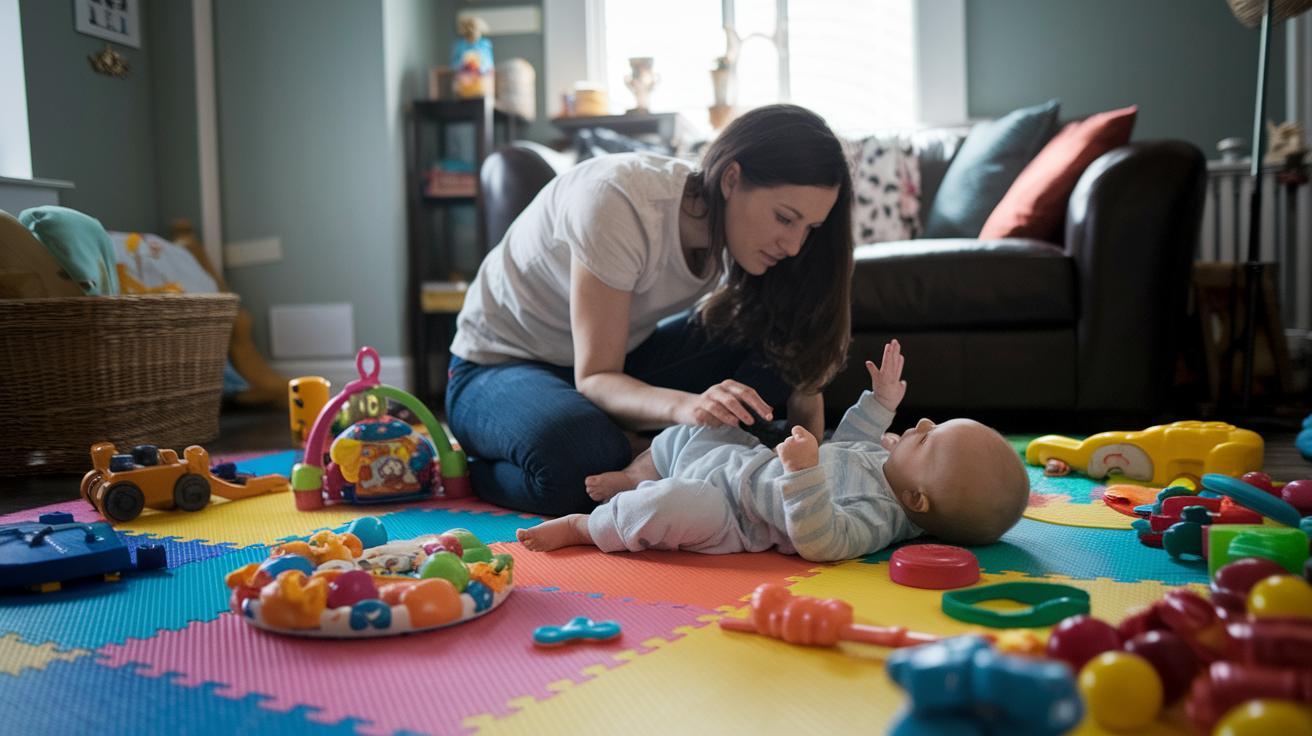
Every day offers a chance to connect with your baby through fun, hands-on activities. Spending time playing together not only helps boost their motor skills and language but also deepens the loving bond you share. It’s a joyful way to watch every little progress, making even the smallest milestone feel like a celebration!
Try setting aside 15 minutes twice a day for tummy time. Read to your little one or name simple things you see, it’s amazing how these small moments light up their world. Offer toys that invite reaching and grasping, and around 9 to 12 months, gently introduce turn-taking games. Keeping to consistent sleep and feeding routines can also help create a calm, stress-free environment.
By making room for these regular activities, you’re setting up a peaceful space that encourages learning and growth. Keeping a simple log, whether it’s in a journal or a quick note on your phone, can help you track those special milestones and celebrate every step along your child’s journey.
Final Words
In the action of tracking your little one’s progress, we shared a look at those key areas: gross motor, fine motor, speech, social smiles, and cognitive skills. We offered simple tips and practical watchpoints to help you feel good about each step.
Small shifts in routine can sometimes signal signs of delayed infant milestones. Keep using your milestone checklist and lean on your pediatrician’s guidance to support every precious moment with care and confidence.