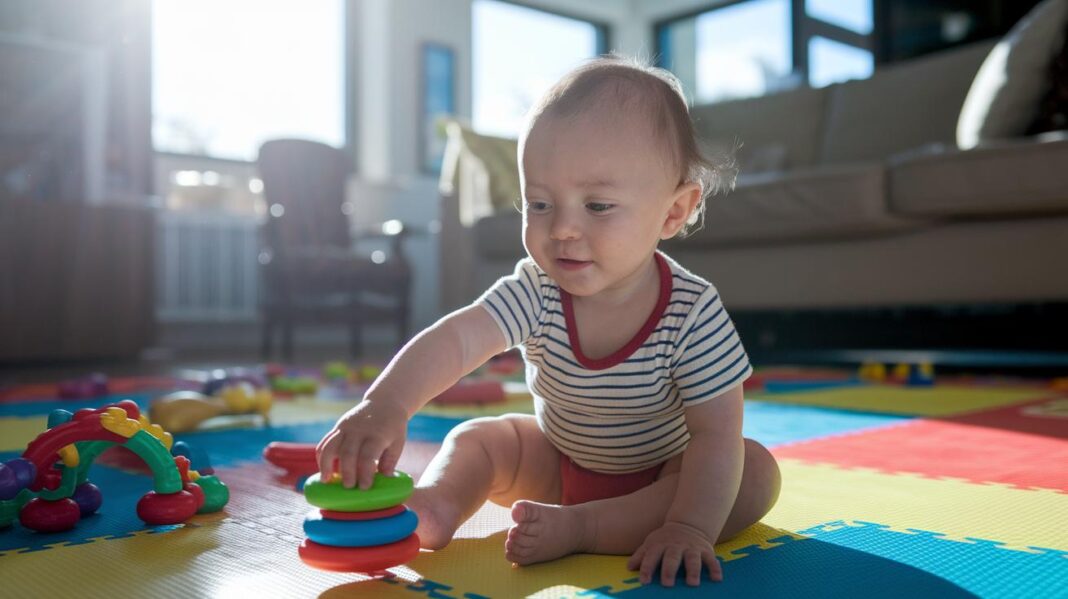
Have you ever wondered if you're really boosting your baby's growth? Sometimes, just a few playful moves and gentle touches can set your little one on a path to amazing achievements.
Imagine rolling your baby from back to tummy and watching as their curious smile lights up the room. It’s a small act that can mean so much to their developing body, brain, and feelings.
In this post, we'll share simple tips that show how every joyful step matters as your baby learns and blossoms.
Practical Strategies to Support Infant Milestone Achievement
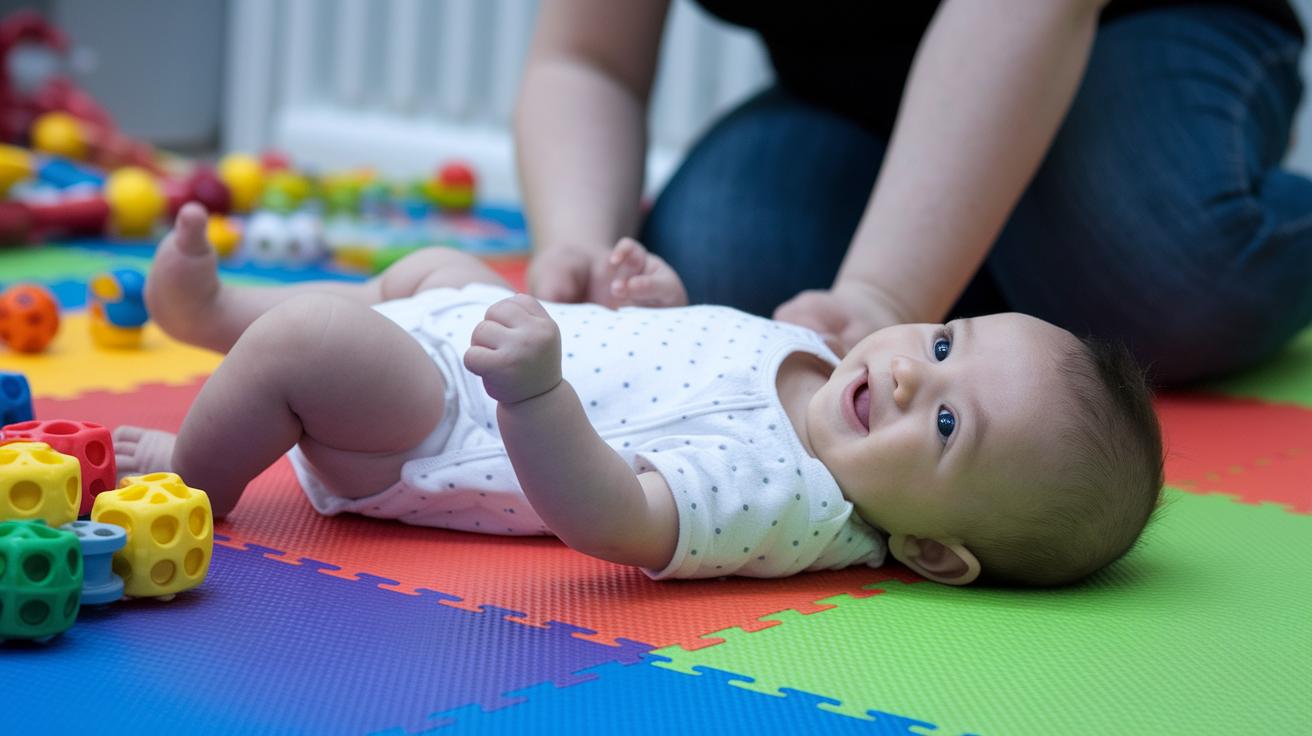
Taking time to play with your baby can really boost their growth. When you play and move together, you're helping their body, brain, and feelings grow. It's about noticing the little hints your baby gives every day and using simple tricks to support them.
Every baby is unique, so try mixing free play with gentle guidance. For example, you might carefully roll your baby from back to belly and watch their eyes light up with curiosity.
Here are some easy tips:
- Use baby gear like swings, bouncers, or jumpers only sometimes. They might help while you’re busy, but nothing beats time on the floor.
- Gently guide your baby's arms and legs to show the difference between lying on their back and tummy.
- Keep an eye on both sides of their body. If one side seems quieter, place a favorite toy there to encourage balanced play.
- Trust your gut feelings. If something feels a bit off, pay attention to it.
- Small changes can be clues. Keep an eye on early signs and do not hesitate to ask for a check-up.
- If you notice minor delays, consider reaching out to a physical, occupational, or speech therapist.
- Remember that there’s a wide range of what’s normal. Every milestone is a part of your baby learning how to move, feel, and respond.
Mixing gentle guidance with fun play builds a loving and encouraging space for your baby. Every little success adds up to a strong start for a happy, growing child.
Motor Skills Development Activities for Infant Milestones
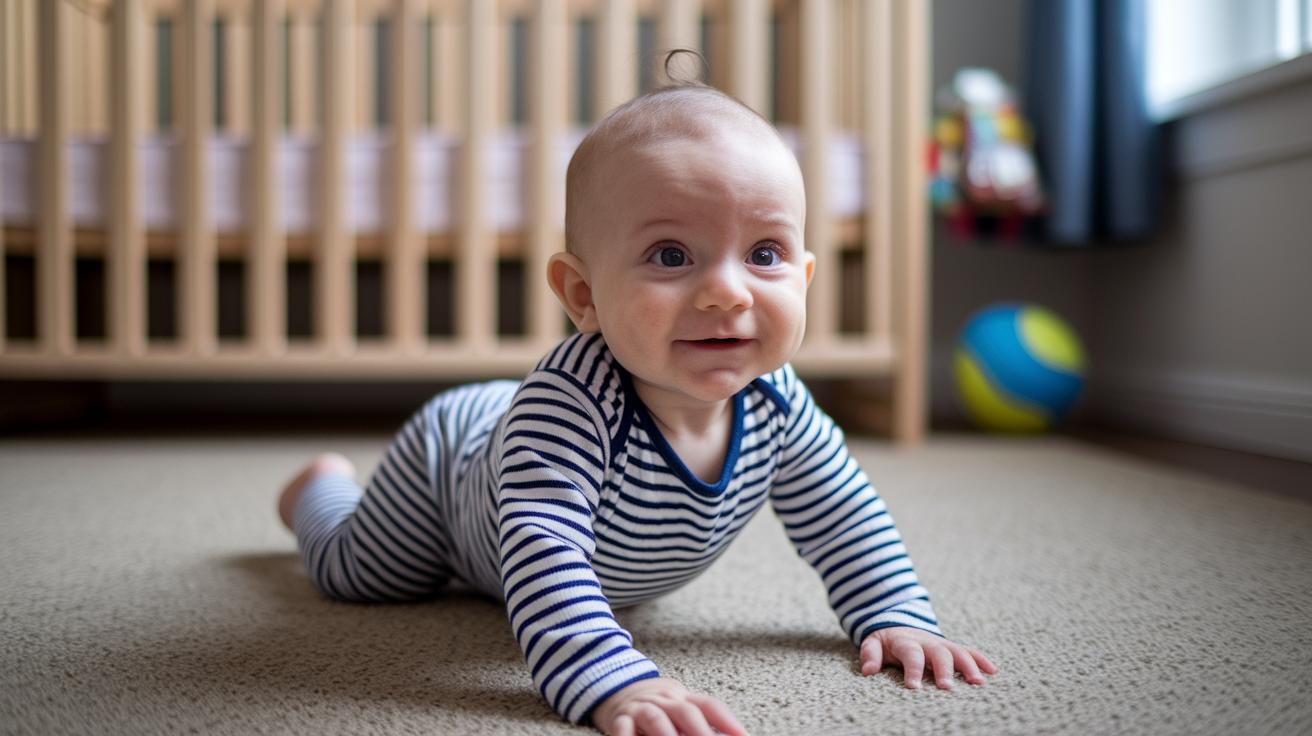
Every little step matters when your baby is learning to move. Simple activities at first, and then slowly adding a bit more challenge, helps build your baby's strength and confidence. For example, during tummy time, your baby might lift their head to peek around, and you might catch that first tiny smile.
| Age Range | Activity | Target Skill |
|---|---|---|
| 0–3 mo | Tummy time for 2–3 minutes, 2–3 times daily | Neck and shoulder strength |
| 4–6 mo | Gently guide arms and legs to help with rolling | Coordination and movement control |
| 7–9 mo | Help support sitting with pillows and place toys just out of reach | Crawling start and balance |
| 10–12 mo | Encourage pulling to stand using a stable couch edge | Leg strength and balance |
Tracking your baby’s progress can be both fun and helpful. You might note how long they hold tummy time or when they start rolling or pulling up to stand with ease. If things seem a bit tricky, you can try doing the movement together to show them how it’s done. Every new move is a cause to celebrate, no matter how small.
Sensory Stimulation Activities to Promote Infant Milestones
Diaper-time can be a fun way to connect with your baby while helping them learn to feel and communicate. While changing their diaper, try adding a gentle massage, a few tickles, and a sweet song. It’s a simple way to turn a regular moment into one full of cozy, meaningful interaction.
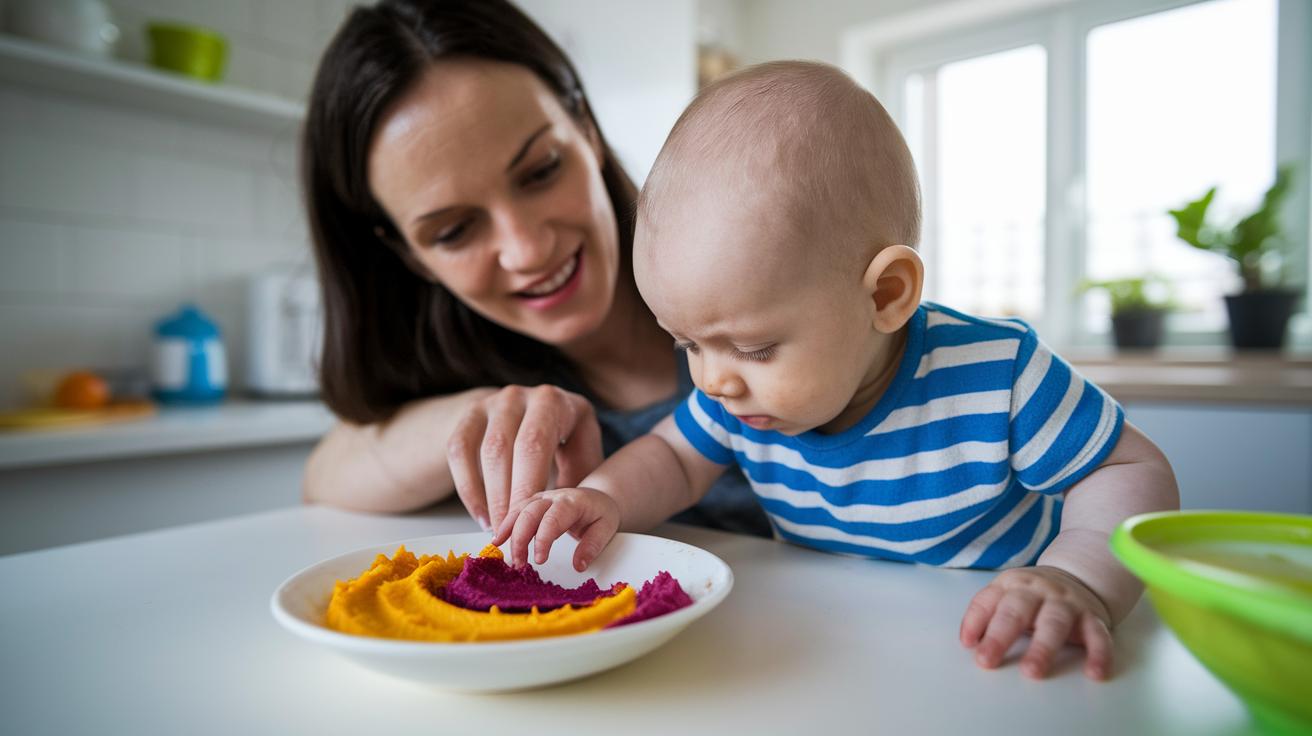
In the kitchen, you can have playful adventures with textures by letting your baby explore safe foods. Imagine lightly putting a bit of puree on your baby’s hands or face so they can feel and explore new textures as they get curious about flavors. You might even make a little beat by letting your baby tap on pots and pans during a short, playful session.
When you go for outdoor walks, invite your baby to explore the world of sounds and smells. As you stroll, you can point out the soft scent of herbs and the bright colors of flowers while listening to nature’s unique sounds. These outdoor moments help your baby learn about movement, feeding, and communication in a calm and engaging way.
Techniques for Encouraging Early Communication and Social Skills Milestones
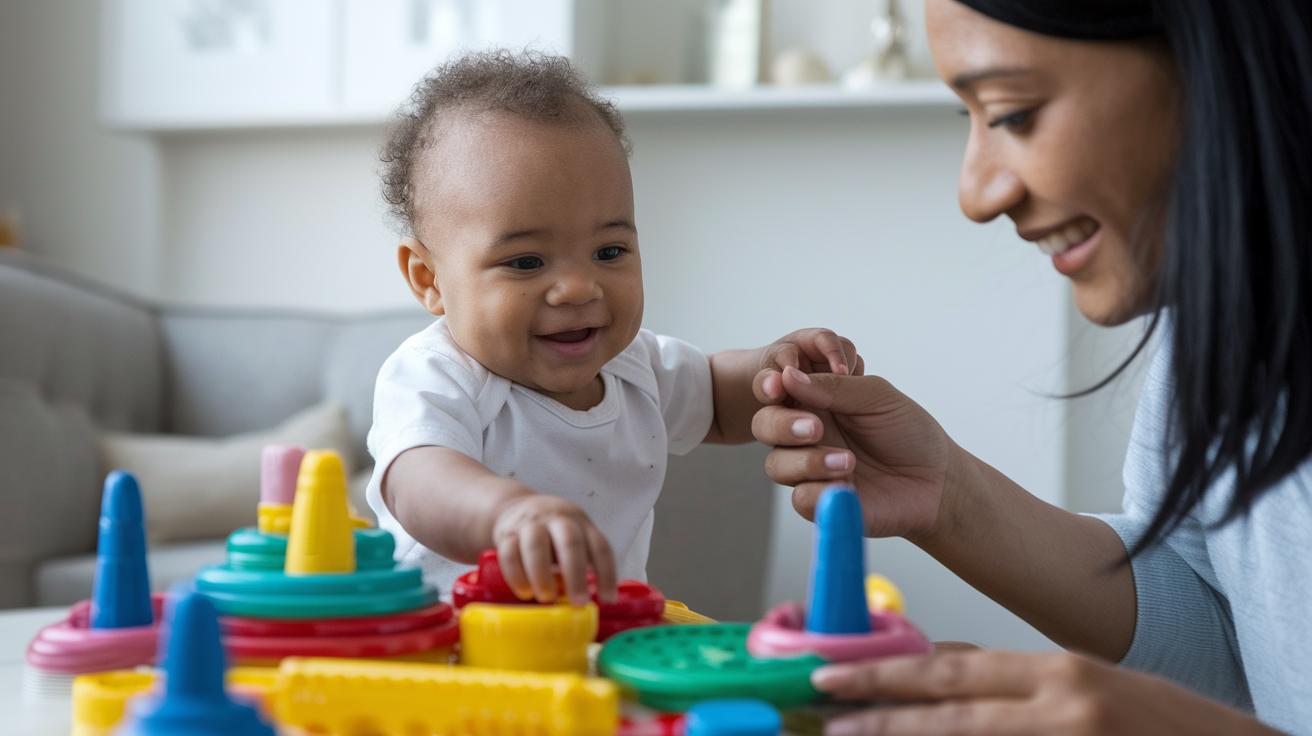
When your little one starts cooing or making little sounds, every giggle and gesture forms a tiny bridge of connection. Chatting together during play or even while doing chores turns everyday moments into fun learning opportunities. It’s amazing how these simple exchanges help boost both their speech and social skills.
Language Acquisition Practices
Try echoing what your baby says and then add a little extra. If you hear a “ba-ba,” you might reply with “Yes, baba!” to invite more sounds. It’s like turning a mealtime description, “This is a round plate”, into a playful language game. These moments make daily tasks feel special, and before you know it, your baby is picking up new words with ease.
Interactive Social Engagement Methods
Every little trip outside or friendly visit offers a great chance for your baby to explore social expressions. Whether you're strolling through the park, running errands, or at a familiar playdate, talking about the things around you helps build their vocabulary. And as they listen, they begin to learn about taking turns and sharing. Think of these outings as playful adventures where every new word is a step toward feeling more connected.
By bringing these practices into your daily routine, your baby will feel more confident expressing their thoughts and connecting with others. With every sound echoed and each conversation shared, you’re laying the foundation for a warm and bright future in communication and social skills. Isn’t it wonderful how small moments add up to something so meaningful?
Monitoring Progress and Keeping Infant Milestone Activities Safe
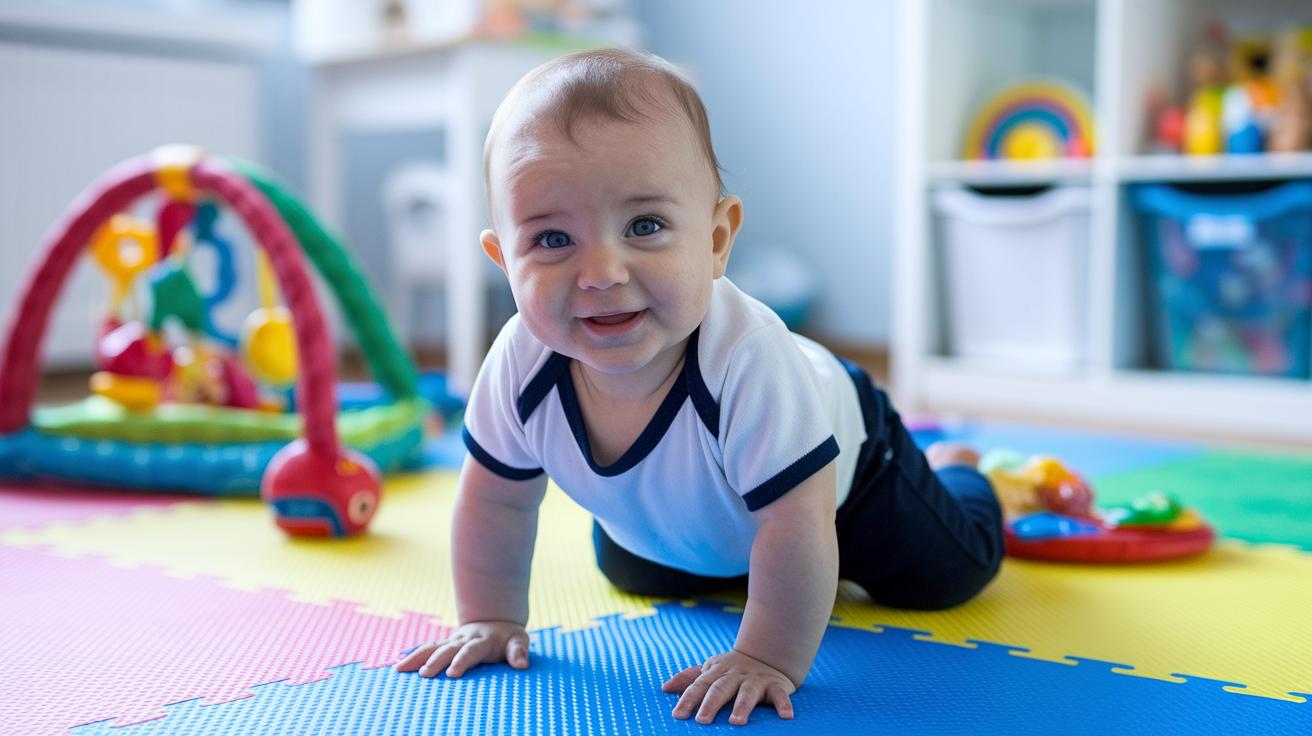
When it comes to helping your baby hit those exciting milestones, it all starts with a safe space. It’s best to pick secure, straightforward areas that let your little one explore freely, rather than relying too much on gadgets that might slow down their natural movement.
Babies love time on firm, padded floors. A cozy play mat or a well-cushioned area like a Pack ‘n’ Play gives them room to roll, crawl, and even try little tumbles safely. Sure, devices like bouncers or walkers can be useful for short breaks, but using them sparingly means your baby gets plenty of chances to move naturally and build strength.
Regular pediatric checkups not only help you keep track of your baby’s growth but also catch any early signs of delay. It might be fun to keep a little journal or use an app to note important moments, like when your baby first rolls, sits, crawls, or even speaks a cute word. These notes, along with your routine appointments, give you a clear picture of your baby’s progress. And remember: trust your gut. If something seems off, don’t hesitate to share it with your pediatrician.
Final Words
In the action, we explored practical strategies for infant milestone achievement. You learned about balancing floor time with minimal gear use, gentle guided movements, and engaging sensory activities that boost baby development.
Our discussion also touched on early communication, safety measures, and tracking progress through simple logs and checkups. Every tip for infant milestone achievement offers real, hands-on guidance. Remember, each small step can brighten your baby’s path. Keep nurturing and enjoy these joyful moments!
FAQ
What resources can help track and encourage infant milestones?
The printable guides and charts for baby milestones offer step-by-step tips to track progress month by month, making it easier to understand and support your infant’s development.
What milestone tips apply to infants around 2, 4, 5, and 6 months old?
The milestone tips for 2, 4, 5, and 6 months focus on gentle tummy time, assisted rolling, and interactive play to build motor skills and strengthen both head control and limb coordination.
How can I help an infant reach milestones and promote overall development?
Helping an infant reach milestones involves setting up safe, floor-based play, engaging in simple physical exercises, and talking through daily routines to nurture both movement and communication skills.
What are the key developmental milestones for infants?
The key developmental milestones include motor skills, language and social interaction, cognitive play, and early self-help abilities, all of which can be observed through actions like rolling, sitting, and babbling.