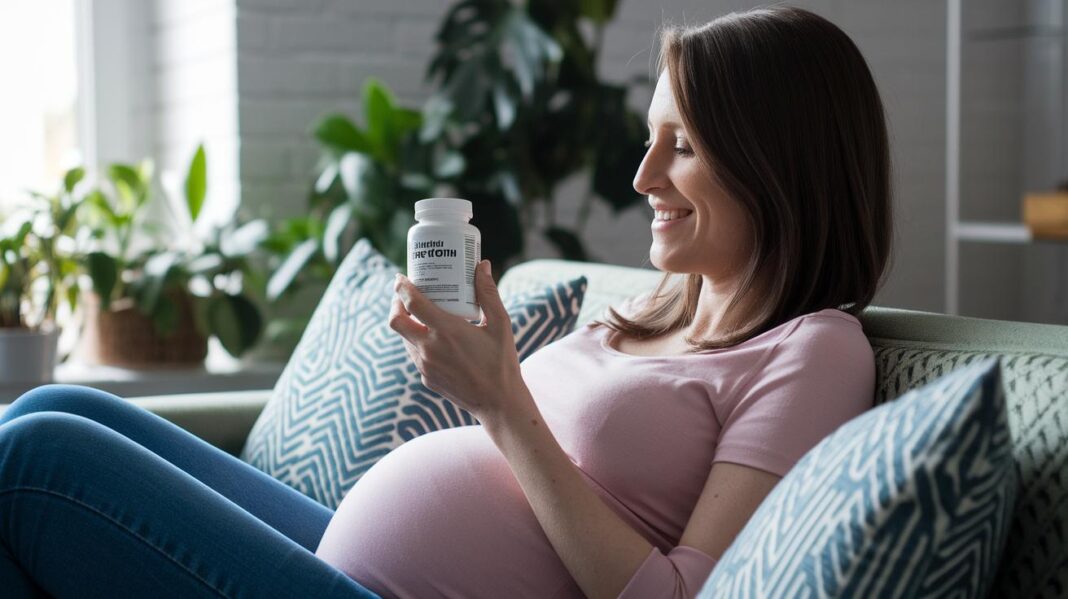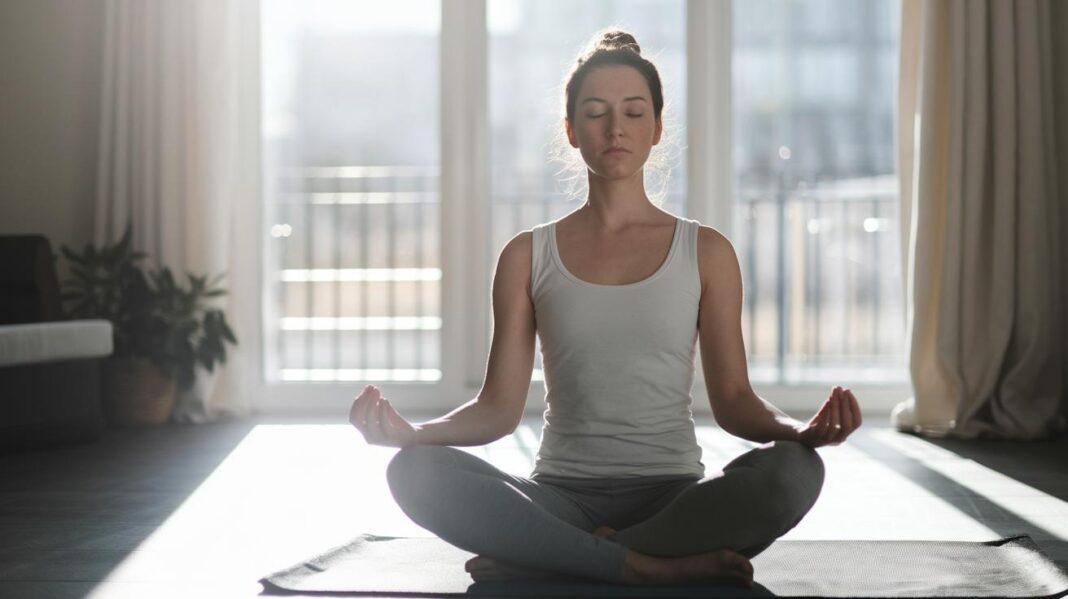
Have you ever wondered if a few deep, mindful breaths could help calm your stormy feelings after giving birth? Sometimes, after having a baby, the changes can feel overwhelming and surprise you with unexpected emotions. A quiet moment of mindfulness meditation, where you focus on your breathing, can gently relax your mind and body during this tender time.
Studies show that this simple practice may lower your stress and help balance your emotions. It might be just the little step that makes you feel steadier, more at peace, and ready to care for yourself as you continue to heal.
How Mindfulness Meditation Supports Postpartum Recovery
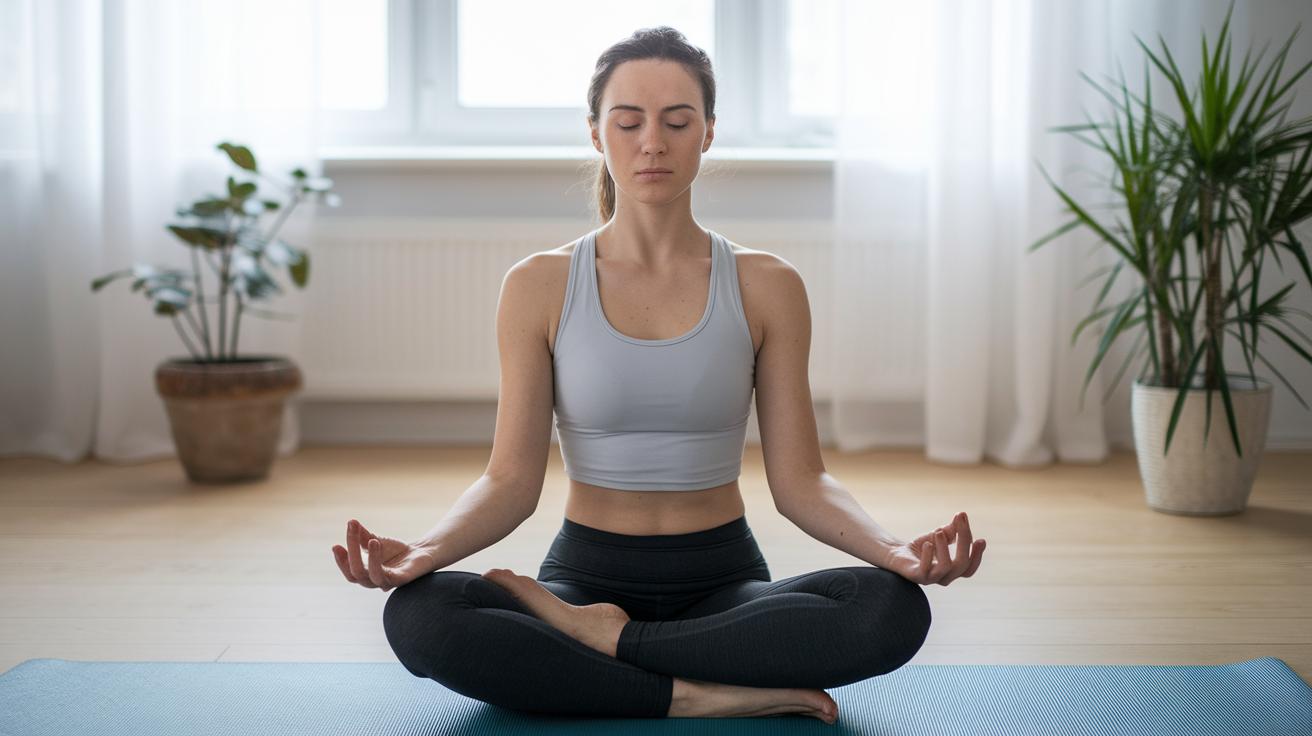
Many new moms face tough feelings after birth, with about 1 in 7 dealing with postpartum depression and 1 in 10 with anxiety. At this time, your body is busy changing, your uterus is shrinking, cuts and tears are healing, and you might even notice lochia bleeding. Mindfulness meditation offers a simple way to bring a bit of calm during these shifts. Imagine taking a few mindful breaths and feeling a little relief as you let go of tension.
This practice works by gently turning on your body’s natural calm mode. It helps lower stress, soothes your mind, and steadies the ups and downs of postpartum emotions. A lot of moms find that taking a few moments for slow breathing and gentle movement can really boost their mood and help their bodies heal. When you mix mindfulness with other self-care tips, like eating well, getting enough rest, and checking out helpful postpartum recovery advice, it can become a key part of your nurturing recovery plan.
Here are some of the main ways mindfulness can support you:
| Benefit | Description |
|---|---|
| Easing Stress | Helps relax your muscles and quiet your mind. |
| Mood Boost | Gives you moments of clear, calm peace. |
| Calming Anxiety | Focuses your breathing to calm nervous feelings. |
| Physical Healing | Promotes gentle relaxation that supports recovery. |
These benefits can help you feel balanced and more confident as you adjust to your new role as a mom.
The Science of Postnatal Recovery Mindfulness

Mindfulness Impact on Postpartum Depression
Research tells us that guided meditation can ease postpartum depression symptoms by up to 30%. When you take a little time to practice mindfulness, it helps balance your stress hormones and steady your emotions during a period of big changes. Imagine taking a few mindful breaths and feeling a gentle lift in your mood. One mom shared, "After a 10-minute session, I felt the heaviness of the day start to fade gently." This practice not only soothes the mind but also helps your body shift from high stress to a more relaxed state. Techniques like the 5-5-5 rule, which mixes short rests with mindful moments, create a simple, flexible way to support healing. Many new moms notice these changes, feeling a bit lighter and less overwhelmed by negative feelings.
Mindfulness Effect on Postpartum Anxiety
Feeling anxious after having a baby is more common than you might think, but breath-based practices can be a real lifesaver. They work by lowering cortisol (a stress hormone) and guiding your body toward a calming state. For instance, the 4-7-8 breathwork technique helps slow down your racing thoughts and makes you feel more relaxed. One mother mentioned, "I tried the 4-7-8 technique, and within minutes, my racing thoughts slowed down, bringing a sense of calm." Studies back up these benefits, showing that mindfulness really does help reduce anxiety in new moms. This practice not only manages stress in the moment but also builds up emotional strength for everyday challenges.
| Metric | Mindfulness Group | Control Group |
|---|---|---|
| Depression Score Change | 30% Improvement | 15% Improvement |
| Anxiety Score Change | 25% Reduction | 10% Reduction |
| Cortisol Level Change | 20% Decrease | 5% Decrease |
Step-by-Step Mindful Meditation Routine for New Moms

Find a comfy spot where you can relax for a few minutes. Spend about 2–3 minutes setting up your space, maybe adjust the lighting, grab a cozy cushion, or sit in your favorite chair. Picture yourself with a warm drink, ready to welcome some calm into your day.
Now, try a simple breathing practice that you can do with your baby. For 3–5 minutes, sit or lie down comfortably and take slow, deep breaths. Breathe in deeply so your belly rises, then breathe out slowly as you let go of any tension. Think of your breath as a gentle lullaby, calming both you and your little one.
Next, use a guided nature visualization for 5–7 minutes. You might play soft nature sounds from a meditation app and imagine a peaceful forest or a quietly flowing stream. Let each breath bring in calm and wash away your worries, just like the soothing sounds of nature.
Finally, take 1–2 minutes to share kind words with yourself. Whisper affirmations like “I am gently healing” or “I deserve this peaceful moment.” Let these words settle in your heart, reminding you that even a short break filled with mindfulness can uplift your mood.
Integrating Mindful Practices into Daily Postnatal Self-Care
-
When you’re feeding your baby, whether you’re nursing or bottle-feeding, try to take slow, deep breaths and really focus on the present moment. Imagine your little one looking up at you with gentle eyes, reminding you to stay calm and centered.
-
Think of diaper changes as little moments to reset your mind. As you care for your baby, pause for a moment to notice how your hands feel, the steady rhythm of your breath, and the love you’re giving. It’s a small act that can really lift your spirits.
-
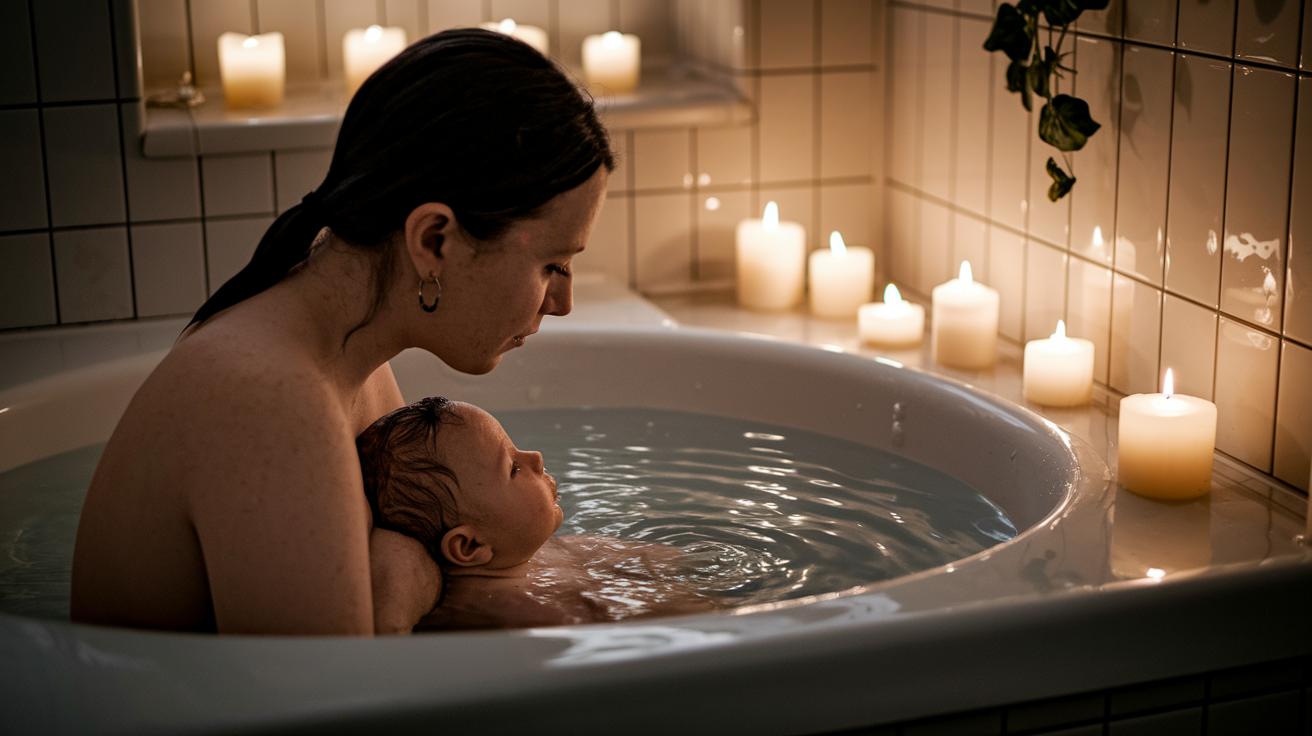
Make bath time a peaceful time for both of you by adding some gentle movement. As you bathe your baby or create a soothing bath setting, you might try a few simple stretches or sway slowly. This helps your body feel calm, boosts your circulation, and gives you a quiet break too.
-
At bedtime, take a few moments for a mindful check-in. Whether you’re tucking your little one in or enjoying a quiet minute while your baby sleeps, use the time to be kind to yourself. Think of a few positive affirmations that remind you how hard you work and that you deserve to relax.
Remember, taking care of yourself is just as important as caring for your baby. After a calm moment, try jotting down your thoughts for a few minutes, maybe note a bit of gratitude or a small joy you experienced today. This little ritual can help build your inner strength and clear your mind, making your daily self-care feel even more rewarding.
Real Stories: Mindful Postpartum Healing Journeys
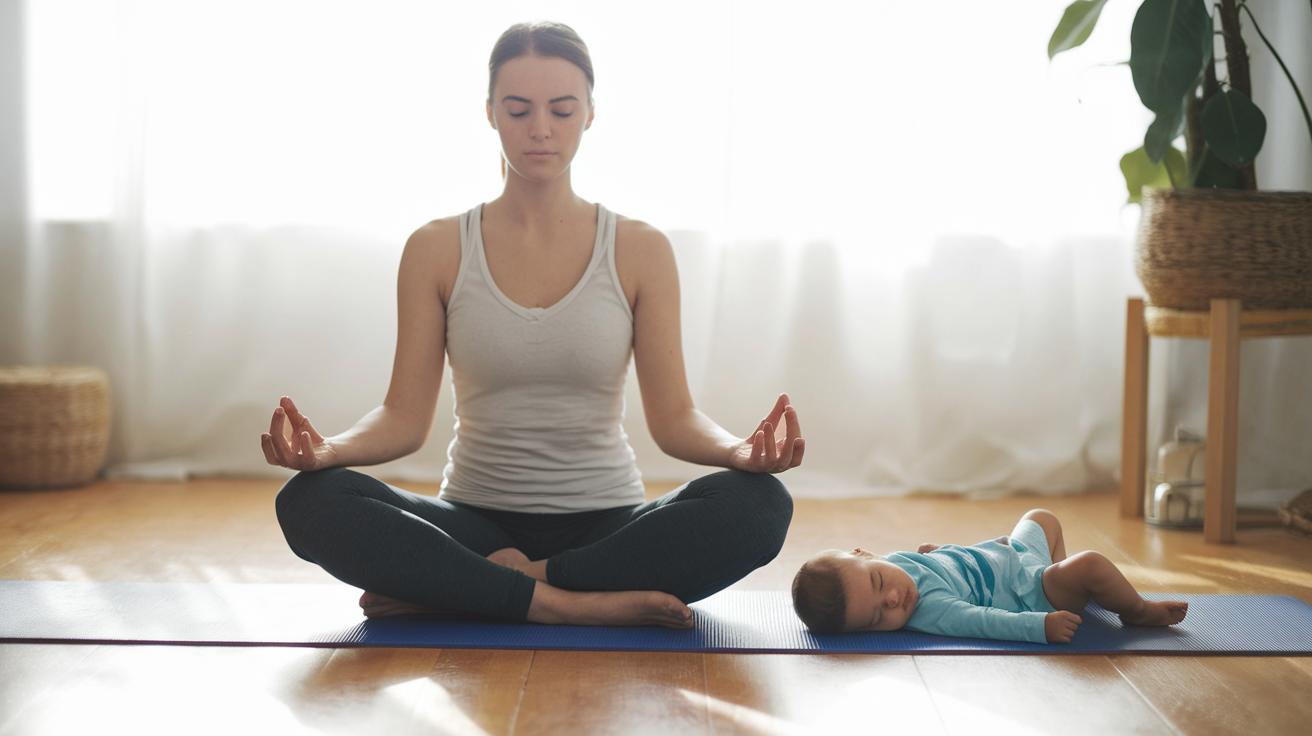
Sarah, a new mommy, started a simple 5-minute meditation routine each day a few days after giving birth. In just three weeks, she felt a big change. Her worry level dropped from 8 out of 10 to 4 out of 10, which felt like a breath of fresh air during those tough early days. She noticed that these short moments of mindful breathing and gentle guided meditations not only slowed her racing thoughts but also helped her sleep better after just two weeks. One quiet minute, Sarah reflected, "It felt like I was reconnecting with myself, and I began to trust that I could handle the ups and downs as they came."
Anna found that meditating together with her baby deepened their bond. By taking time every day for a few guided breathing exercises, she noticed that her baby settled nicely and they started to sync their rhythms. Over a month, these peaceful sessions brought a breakthrough in their connection. Anna said, "Every time we meditated, it felt like we shared not just a moment, but a feeling of peace." These brief, regular moments helped her feel more balanced and turned everyday interactions into cherished times of closeness and healing.
Overcoming Common Challenges in Postpartum Mindfulness Meditation
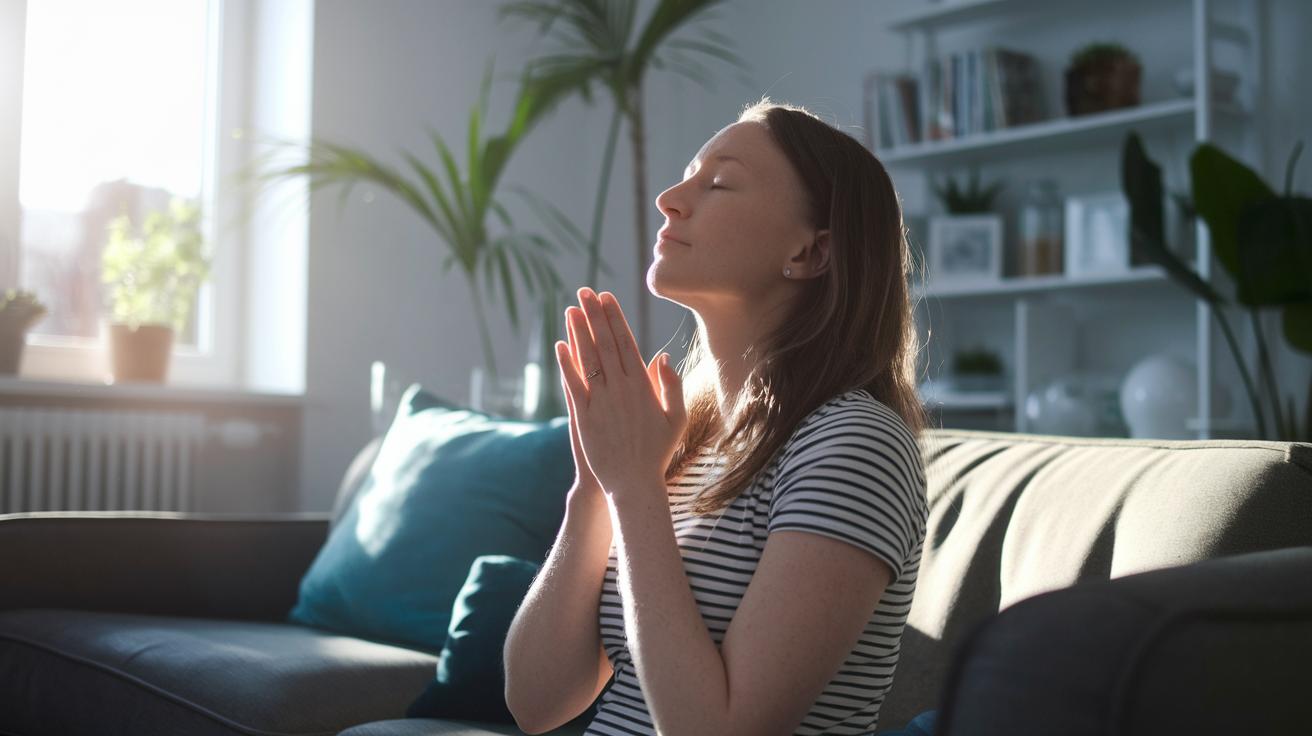
Many new moms find it hard to squeeze mindfulness into their busy days. It might feel like there’s just no time, especially with little sleep and a whirlwind of daily tasks. But even tiny moments can make a big difference.
When time feels scarce, try a quick 1–2 minute session instead of a long sit-down. Even one minute of slow, mindful breathing can feel like a brief, gentle hug to your spirit.
If you're struggling with sleep deprivation, you might use short guided meditations during your naps or when you have a few spare moments with your headphones. It’s a small way to recharge while you rest.
Sometimes the world around you is noisy and unpredictable. In these moments, using everyday tasks, like during a diaper change, as a cue to focus on your breath can be a wonderful, grounding practice.
When overwhelming emotions arise, try a quick reset with mindful counting or deep breaths. It can help ease the stress and allow you to regain a sense of calm.
And if you sometimes feel guilty for taking a moment just for yourself, remember that these brief mindfulness practices can boost your mental well-being. They’re a little act of self-love, important for keeping up your energy through the busy days of postpartum life.
Embracing these small, flexible steps can truly help shift your day towards more calm and balance.
Final Words
In the action, we explored how mindfulness meditation for postpartum recovery eases stress and supports healing after childbirth. The post looked at the science behind mindful care, step-by-step routines, and simple ways to weave meditation into everyday life. Real stories of mothers shared their successes along with tips to ease practice challenges. These ideas aim to brighten your day and bring calm as you care for yourself and your little one. Here's to finding peace in even the smallest moments.
FAQ
What does a mindfulness meditation script for postpartum recovery look like?
A mindfulness meditation script for postpartum recovery gently guides you through deep breathing and body relaxation, helping to soothe stress and support your emotional healing.
How can I find mindfulness meditation for postpartum recovery on YouTube?
Finding mindfulness meditation on YouTube means searching for guided sessions that use calming visuals and simple instructions to help you ease anxiety during postpartum recovery.
Where can I access free mindfulness meditation for postpartum recovery?
Free mindfulness meditation resources for postpartum recovery are available through various websites and mobile apps, offering brief, guided sessions to support your mood and stress relief.
What is considered the best mindfulness meditation for postpartum recovery?
The best mindfulness meditation for postpartum recovery combines short, guided sessions with gentle breathing techniques and self-compassion practices to help you manage stress and find calm.
What should I know about postpartum medication alongside meditation?
Postpartum medication is one option for managing recovery, but pairing it with mindfulness meditation can naturally lower stress and provide extra support as you heal physically and emotionally.
What does the 5-5-5 rule postpartum signify?
The 5-5-5 rule postpartum means spending five days in bed, five on the bed, and five around the bed, blending rest with mindful moments to gently support your physical healing.
Can meditation help with postpartum challenges?
Meditation helps with postpartum challenges by reducing stress, easing anxiety, and promoting a calm, balanced mood, which supports your overall recovery and emotional well-being.
How can I speed up postpartum recovery naturally?
Speeding up postpartum recovery naturally involves combining mindful practices, gentle movement, and other self-care tips to support both your physical healing and emotional health.
What is the 40-day postpartum recovery period?
The 40-day postpartum recovery period is a traditional time of rest that encourages new mothers to focus on self-care, bonding with the baby, and gradually easing back into their routines.