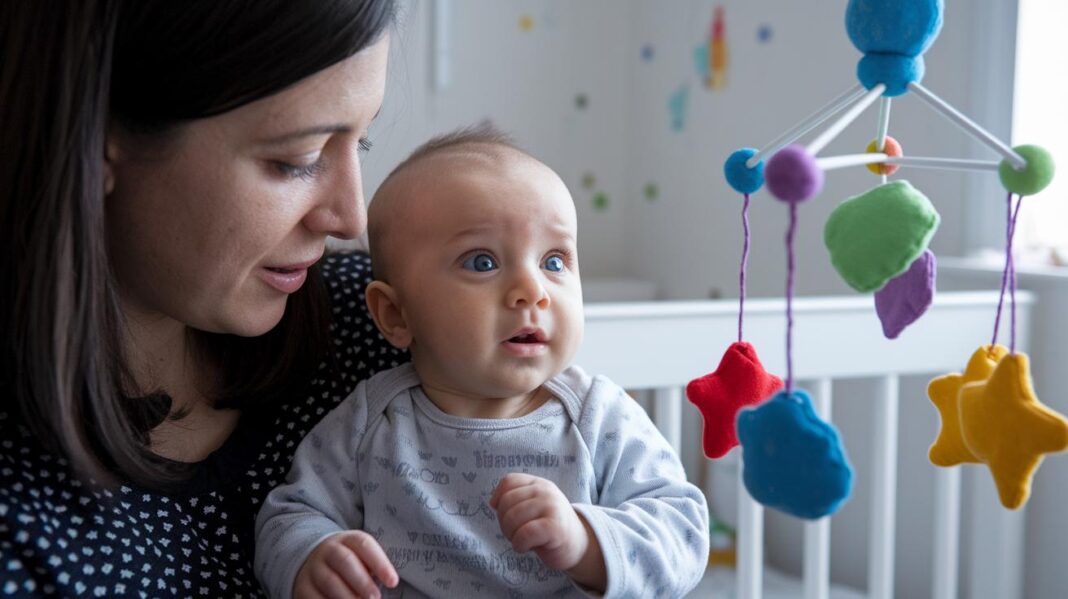
Have you ever thought about how your daily meals might shape your baby's health? When you choose balanced foods while you're expecting (pregnancy care), you're not just giving yourself energy, you’re also setting the stage for your baby’s growth.
A mix of proteins, healthy fats, and whole grains gives you both the important nutrients needed for healthy development. This article shares how eating mindfully can lower risks and bring warm, positive feelings for you and your little one.
Comprehensive Maternal Nutrition Blueprint for Healthy Baby Development
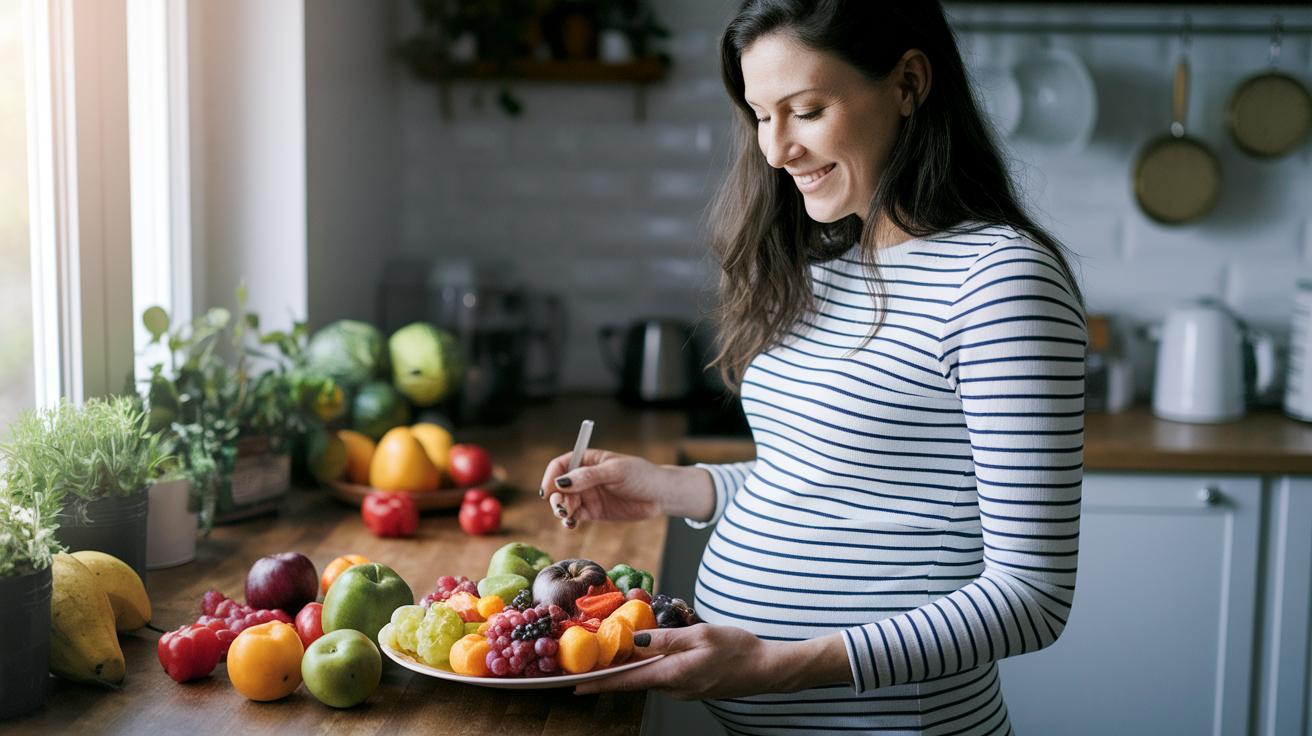
Eating well while you're pregnant boosts your energy and gives your baby the essential building blocks for growing strong. A balanced diet helps your body handle its many changes by providing extra nutrients for both you and your little one.
Planning your meals carefully can lower risks and help ensure long-lasting health for you and your baby. Research even hints that what you eat might affect boys and girls in different ways, showing just how important healthy eating is during pregnancy.
- Adjust the number of calories you need based on how far along you are
- Mix proteins, good fats, and whole, complex carbs
- Focus on key vitamins and minerals like iron, folate, calcium, and omega-3s
- Drink enough water (around 8 to 10 cups a day)
- Plan your meals and snacks so you consistently get the nutrients you need
- Keep regular appointments with your healthcare provider
Using these easy tips helps you build a meal plan that grows along with your changing needs while supporting your baby’s development. By updating your diet with each trimester, you’re creating a nurturing environment that benefits both your immediate comfort and long-term wellness.
Essential Nutrients in Maternal Nutrition for Healthy Baby Development
Your body and your baby need energy to grow strong. Proteins, fats, and carbohydrates, known as macronutrients, are the fuel that keeps you both going during pregnancy. Foods like lean meats, beans, and eggs provide protein to help your baby’s tissues form, while keeping your energy steady.
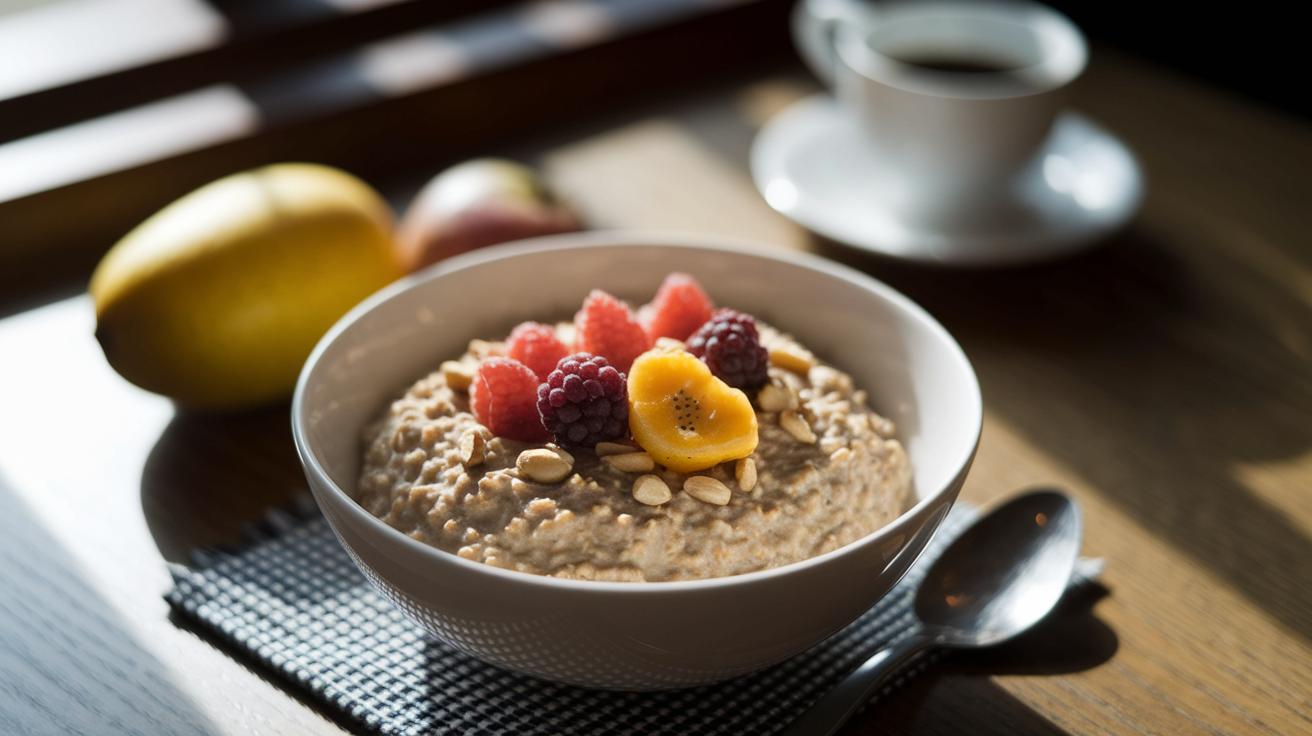
Protein is key to growth. Healthy fats from nuts or olive oil and complex carbohydrates from whole grains also play a big role in giving you the energy you need. Imagine starting your day with a warm bowl of oatmeal that feels like a little hug, it fills you up and brightens your morning!
Micronutrients, even though you need them in smaller amounts, are super important too. Iron helps get oxygen to your baby's developing tissues, and folate (often called folic acid) is needed early on for growth. Calcium builds strong bones, vitamin D helps absorb other nutrients, and DHA supports brain development. Each one works in its own gentle way to help you and your baby thrive.
Below is a quick table that shows these important nutrients, how much you need each day, and some good foods to eat. This simple guide can help you plan meals that nurture both your health and your baby’s development.
| Nutrient | RDA | Food Sources |
|---|---|---|
| Protein | 75 g/day | Lean meat, beans, eggs |
| Iron | 27 mg/day | Red meat, spinach, lentils |
| Folate | 600 µg/day | Leafy greens, fortified cereals |
| Calcium | 1,000 mg/day | Dairy, tofu, kale |
| Vitamin D | 600 IU/day | Fortified milk, sunlight |
| DHA | 200 mg/day | Low-contaminant fish, algae oil |
Taking care of yourself is a way to care for your baby, and every small food choice can make a difference. Enjoy the simple, nourishing moments as you plan meals that keep both of you feeling vibrant each day.
Trimester-Specific Maternal Nutrition Guidelines for Healthy Baby Development
In the first trimester, try having small, nutrient-rich meals to help ease any nausea and keep your energy steady. If you feel a bit off or light-headed, imagine enjoying a few whole grain crackers or a small bowl of fruit. These gentle snacks can soothe discomfort while gently nourishing both you and your baby.
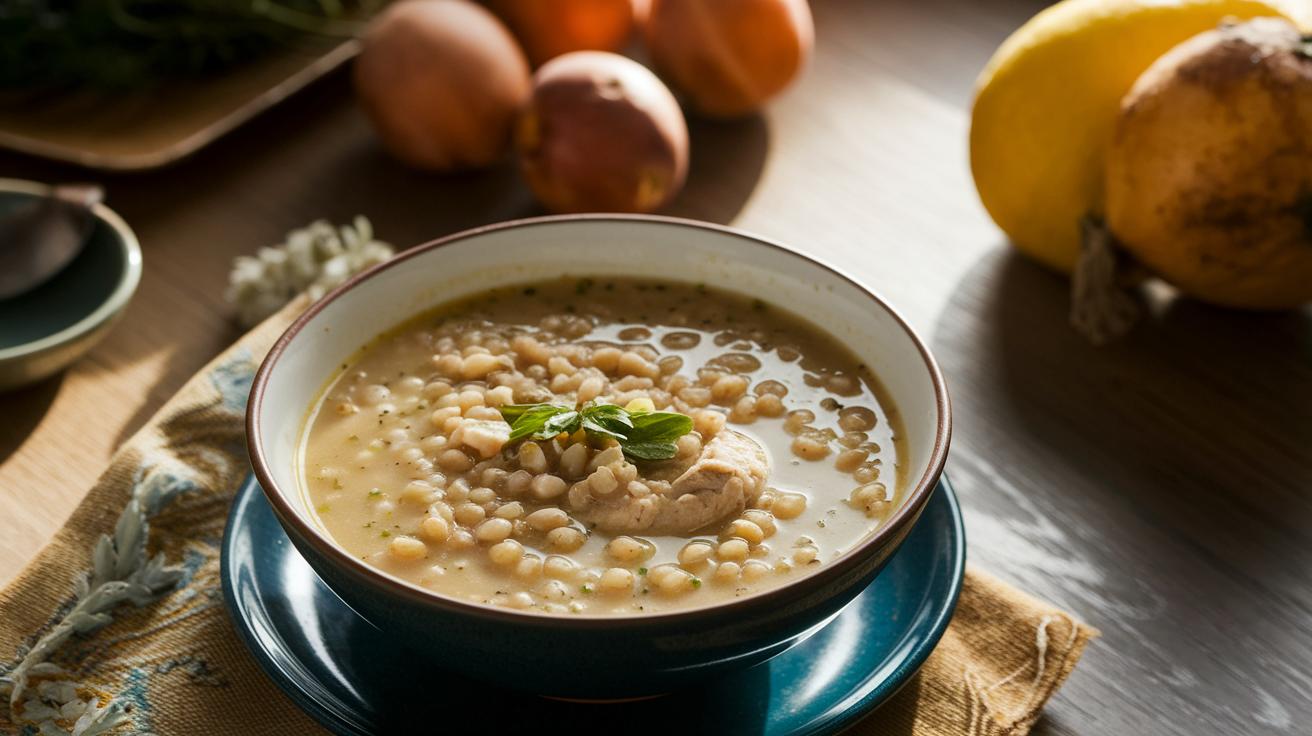
Moving into the second trimester, you might notice your energy needs growing by about 340 extra calories each day. This is a great time to raise your portions a little and include lean proteins and fortified grains to support your baby's developing tissues. Picture a warm bowl of chicken barley soup, it’s not only comforting but also keeps you feeling energised throughout your busy day.
By the third trimester, your body craves even more support, especially calcium and omega-3s, to help build strong bones and boost brain development in your little one. At this stage, you could need roughly 452 extra calories. Think about indulging in dairy alternatives or low-contaminant seafood. Maybe enjoy a smooth almond milk shake with a hint of vanilla; it’s a tasty way to satisfy cravings while caring for your baby's growth.
Maternal nutrition for healthy baby development: Good vibes
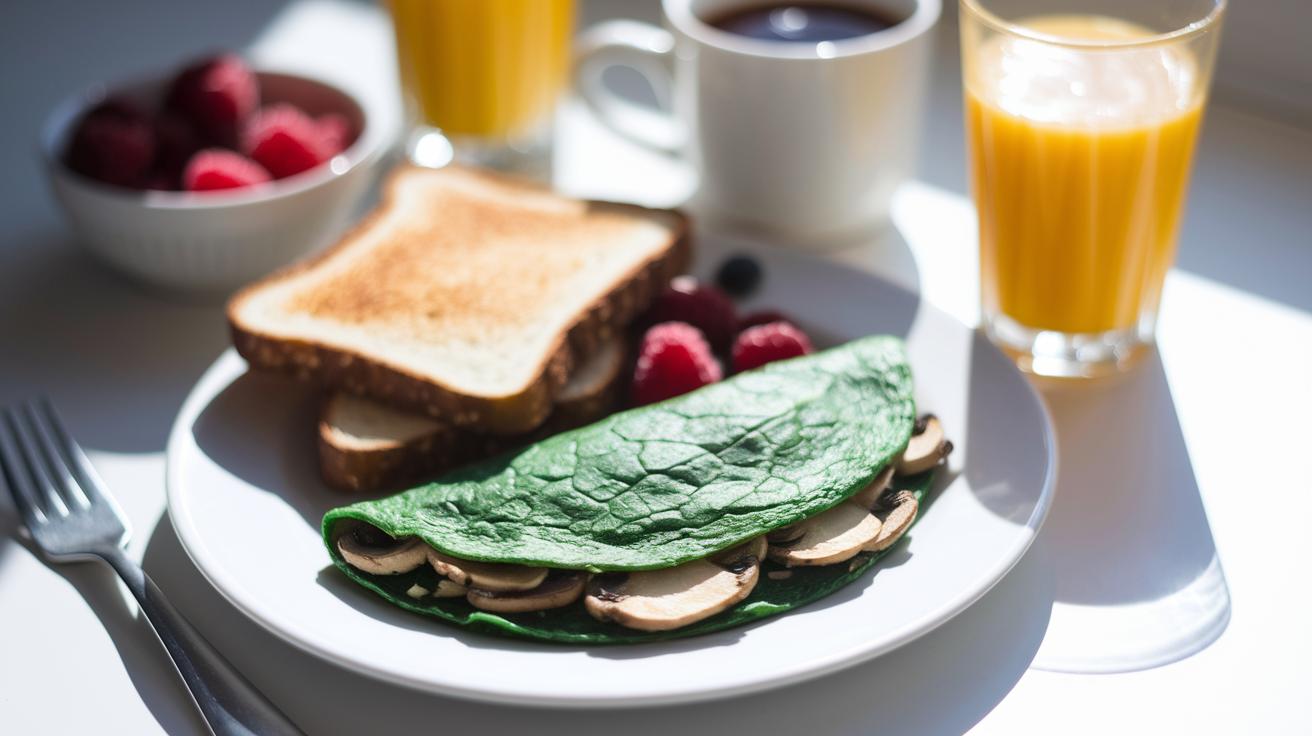
Begin your morning with a wholesome breakfast or lunch that feels like a warm hug. Imagine savoring a spinach-mushroom omelet with a slice of whole grain toast, or enjoying a bowl of quinoa and beans bursting with fresh veggies. How about a bowl of fortified oatmeal crowned with sweet berries, a mixed greens salad crowned with grilled chicken, or a scrambled egg wrap full of colorful veggies in a whole-wheat tortilla? These meals are a delight, blending protein, whole grains, and vegetables to give you a boost of energy while caring for your growing nutritional needs.
When evening comes around, take comfort in a dinner that treats you and your baby to lean proteins, healthy fats, and plenty of fiber. Picture tender salmon served with roasted veggies lightly drizzled with olive oil, or a warm lentil-vegetable stew mixed with juicy tomatoes and fresh spinach. You might also enjoy turkey meatballs laid over a cozy barley pilaf, baked cod next to quinoa paired with steamed broccoli, or a vibrant tofu stir-fry with bell peppers and snap peas. Each plate nourishes you deeply, like a caring embrace after a long day.
Throughout your day, reach for snacks that are simple yet satisfying. Think about a creamy Greek yogurt parfait layered with juicy fresh fruit, a handful of almonds and dried apricots for a crunchy treat, or a slice of whole-grain toast smothered in mashed avocado. You could also grab crisp carrot sticks with a little scoop of hummus, or sip on a smooth banana-chia seed smoothie that refreshes you. These handy bites keep those cravings in check and your energy balanced, making it easy to feel your best.
Managing Maternal Weight and Health Risks through Balanced Maternal Nutrition
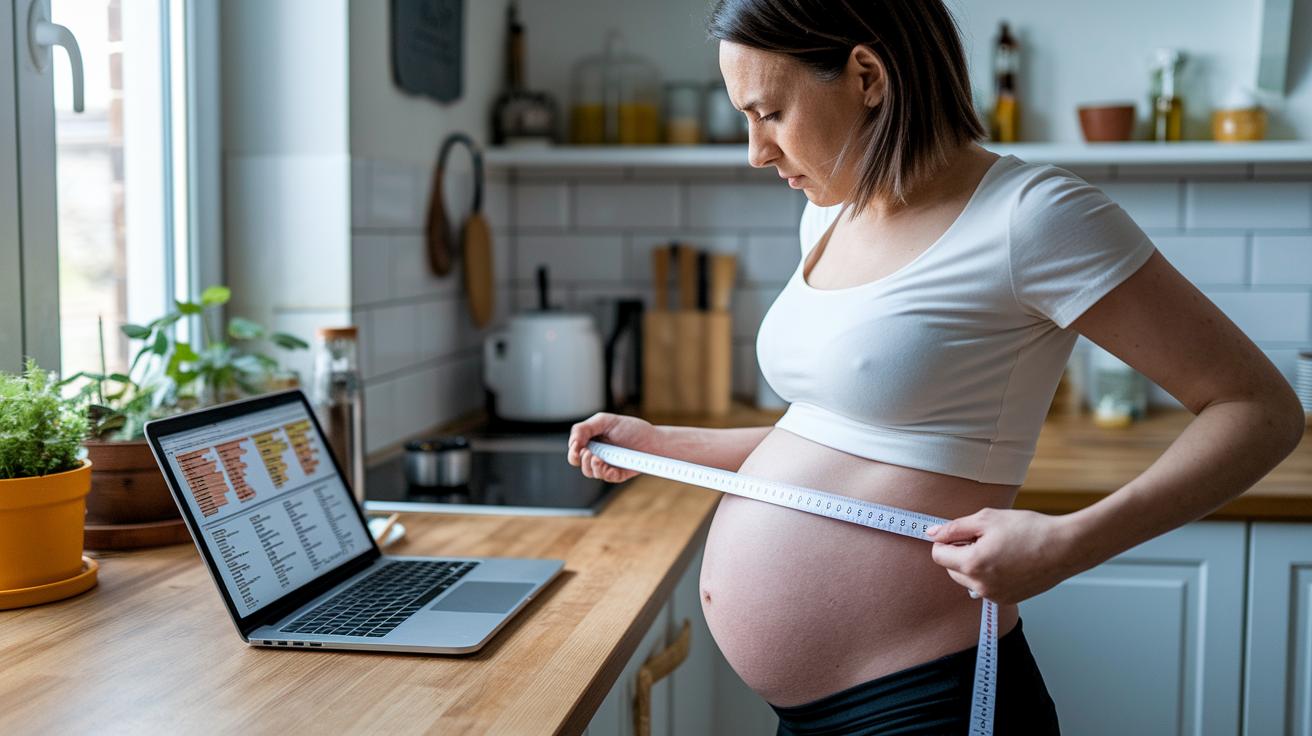
At your very first prenatal visit, your care team calculates your BMI by dividing your weight (in kg) by your height (in m²). This simple number gives them clues about your overall nutrition. If your BMI is too low or too high, it could signal risks like gestational diabetes, high blood pressure issues, blood clots, a cesarean delivery, or even a longer hospital stay.
| BMI Category | Range (kg/m²) | Associated Risks |
|---|---|---|
| Underweight | <18.5 | Early birth, small baby |
| Normal | 18.5–24.9 | No extra risks |
| Overweight/Obese | >25.0 | Risks like diabetes, high blood pressure and cesarean delivery |
Eating a balanced diet is key to healthy weight gain and reducing those risks. Think about it like this: by steering clear of too many processed or fatty foods, and instead enjoying fruits, veggies, whole grains, and lean proteins, you're giving your body exactly what it needs during pregnancy. A little approved physical activity here and there not only helps keep your weight in check but also supports your heart. And those regular prenatal check-ups? They let your doctor adjust your plan if needed, making sure both you and your baby feel safe and supported.
Professional Monitoring and Lifestyle Practices to Support Maternal Nutrition for Healthy Baby Development

Registered dietitians are here to support you and your baby by creating a balanced eating plan just for you. They use simple tests like blood iron checks and glucose tolerance assessments (that’s a test for blood sugar) to understand your needs. Working with a caring expert before you get pregnant can give you a strong start. Think of it as having a friendly roadmap for your nutritional journey.
Along with expert advice, a balanced lifestyle makes a big difference. Eating lots of fruits, vegetables, whole grains, and lean proteins helps you feel great every day. Adding gentle, approved exercise and drinking 8 to 10 cups of water can keep you calm and healthy. And studies show these warm, everyday choices not only boost your well-being but also set the stage for your baby’s bright future.
Final Words
Jumping right into the action, this guide shows how balanced meals, tailored nutrition plans, and practical meal ideas can support both moms and babies. It breaks down strategies like adjusting caloric needs, focusing on proteins and key micronutrients, and monitoring weight through every pregnancy stage. These simple steps and smart choices form a blueprint for maternal nutrition for healthy baby development. Every well-planned meal and mindful snack builds confidence and well-being, turning everyday choices into caring practices for a healthier future for both mom and child.
FAQ
What does a 1 to 3 month pregnancy diet chart include?
The 1 to 3 month pregnancy diet chart shows a balanced plan with small, nutrient-packed meals to help ease early symptoms like nausea while supplying the extra vitamins and minerals both you and your baby need.
How do PDF resources explain nutritional requirements during pregnancy?
The nutrition PDFs outline essential needs during pregnancy by detailing recommended amounts of protein, iron, folate, and hydration guidelines so that you can support healthy growth for you and your baby.
What are the effects of poor nutrition during pregnancy on mother and child?
Poor nutrition during pregnancy can impact both mom and baby by increasing the risk of complications and influencing the child’s long-term growth and developmental outcomes.
Which foods should expectant mothers avoid?
Pregnancy food to avoid typically includes raw or undercooked animal products, unpasteurized dairy, and high-mercury fish, helping to reduce risks while promoting a balanced diet for you and your baby.