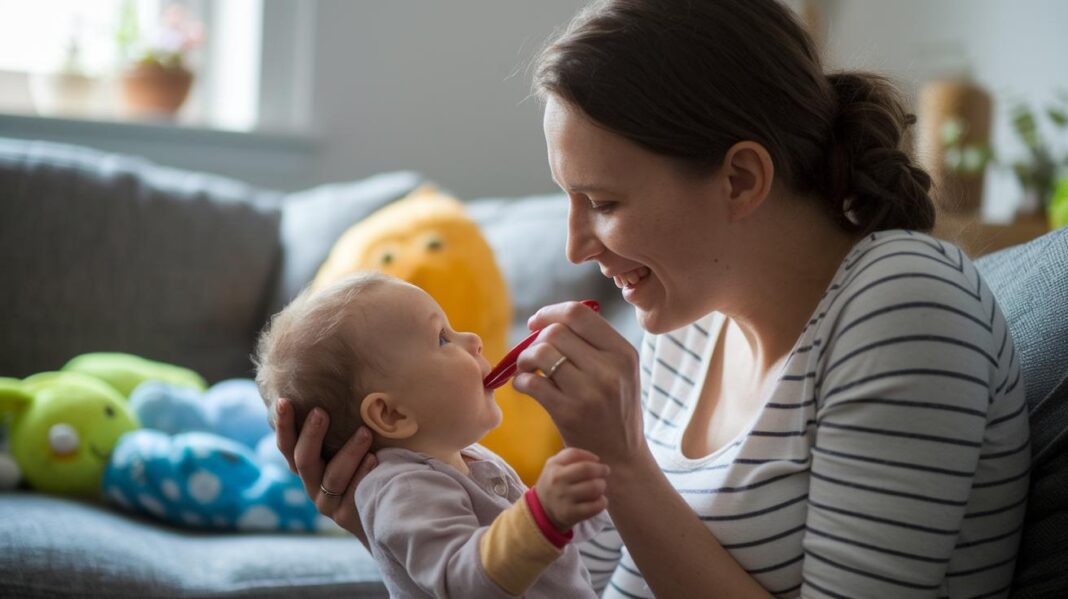
Have you ever felt like your world turned upside down after bringing your baby home? New routines and unexpected feelings can catch you off guard, leaving you in need of a little extra understanding. Local postpartum support networks can light the way. They bring moms together to share real stories and help lift the weight of tough moments.
Research tells us that many parents wrestle with post-birth blues, so finding a welcoming group near you is more important than ever. When you join a community that cares, you step into a space filled with honest chats, shared strength, and true comfort. It’s a place that can help make those overwhelming days a bit easier to bear.
Locating Local Postpartum Support Networks Near You

After your baby is born, everything changes and it’s normal to feel overwhelmed as you adjust to new routines. Studies tell us that about one in five moms and one in ten dads might struggle with feelings like postpartum depression. Finding the right support can really lift your spirits and make caring for your little one feel a bit easier.
If you're looking to connect with caring groups nearby, try starting with a few trusted tools. Check out the PSI “Find Local Support” directory, the PSI Perinatal Mental Health Provider Directory, or the PSI Peer Mentor Program. These resources can help you find in-person meetups, online communities, and professionals who understand what you're going through.
Once you spot a support group that feels right, reach out to the coordinator or facilitator. You might set up a quick call or join an introductory session to see if it fits your personal and emotional needs. It may seem like just a small step, but it can truly turn challenging times into moments of shared understanding and warmth.
Profiles of Major Postnatal Group Gatherings in Los Angeles County

Los Angeles County has a range of groups built just for moms to help create community and offer a warm hand during the busy postpartum period. These gatherings are designed to support you in those first few months after your baby’s arrival. For example, at Village Birth, you might swap birth stories and try out simple breathing exercises in an atmosphere that feels like a comforting hug.
Below is an HTML table that shows six popular support groups in the area, highlighting who leads them, what they offer, and who can join:
| Support Group | Facilitator | Key Services | Eligibility |
|---|---|---|---|
| Village Birth | Postpartum Doula | Sharing birth stories, breathing exercises, baby-friendly setting | Babies born within six months |
| Flourish Mindset | Associate Professional Clinical Counselor | Trauma-informed support for postpartum anxiety and depression | Parents needing mental health support |
| Jewish Family Service LA | Staff-led online groups | Sessions for new moms, dads, and those expecting | Open to everyone, all gender identities |
| Life After Birth | Psychotherapist | Personal phone calls, discounts on movement or meditation programs, special event rates | Babies born within one year |
| Elements Therapy Group | Mental Health Professional & Mother of Three | Guidance for adjusting to the new role of parenthood | Women transitioning to motherhood |
| Postpartum Support International (PSI) | National Network Providers | 90-minute online sessions tackling different needs | Accessible to families nationwide |
Once a group catches your eye, why not reach out and see if their approach feels like a good fit for you? It's a bit like choosing the perfect recipe for a warm, comforting meal – every group brings its own special flavor to support your motherhood journey.
Choosing Between In-Person and Virtual Postnatal Group Gatherings

Finding support after becoming a mom can feel like a big decision, and sometimes a friendly chat makes all the difference. You might enjoy the warmth of meeting other moms in person, where a comforting face-to-face interaction really lifts your spirit. But on days when your schedule feels extra tight, joining a virtual group right from the safety of your home can be just as rewarding.
In-person meetings let you connect directly with your group when space and a caring facilitator are available. Meanwhile, the online sessions, some lasting about 90 minutes, offer a lovely blend of flexibility and ease. Plus, if you need a little extra help, there’s phone support available on weekdays from 10 am to 3 pm PT, and text support runs from 10:30 am to 2:30 pm PT. This way, a friendly ear is never far away, even on your busiest days.
Here are a few points to consider:
- How easy it is for you to travel versus being right at home.
- Whether you prefer a schedule that flexes with your day or set meeting times.
- The lively, different vibes that each type of group offers.
- And how much privacy and comfort you feel in each setting.
Take a quiet moment to think about what fits best with your day-to-day life. If a heartfelt, in-person connection feels like the personal touch you crave, an in-person gathering might be ideal. But if the convenience of logging in from home and blending your support sessions into your routine sounds perfect, then a virtual group could be just the match you're looking for.
Specialized Maternal Mental Health Circles and Emotional Recovery Sessions
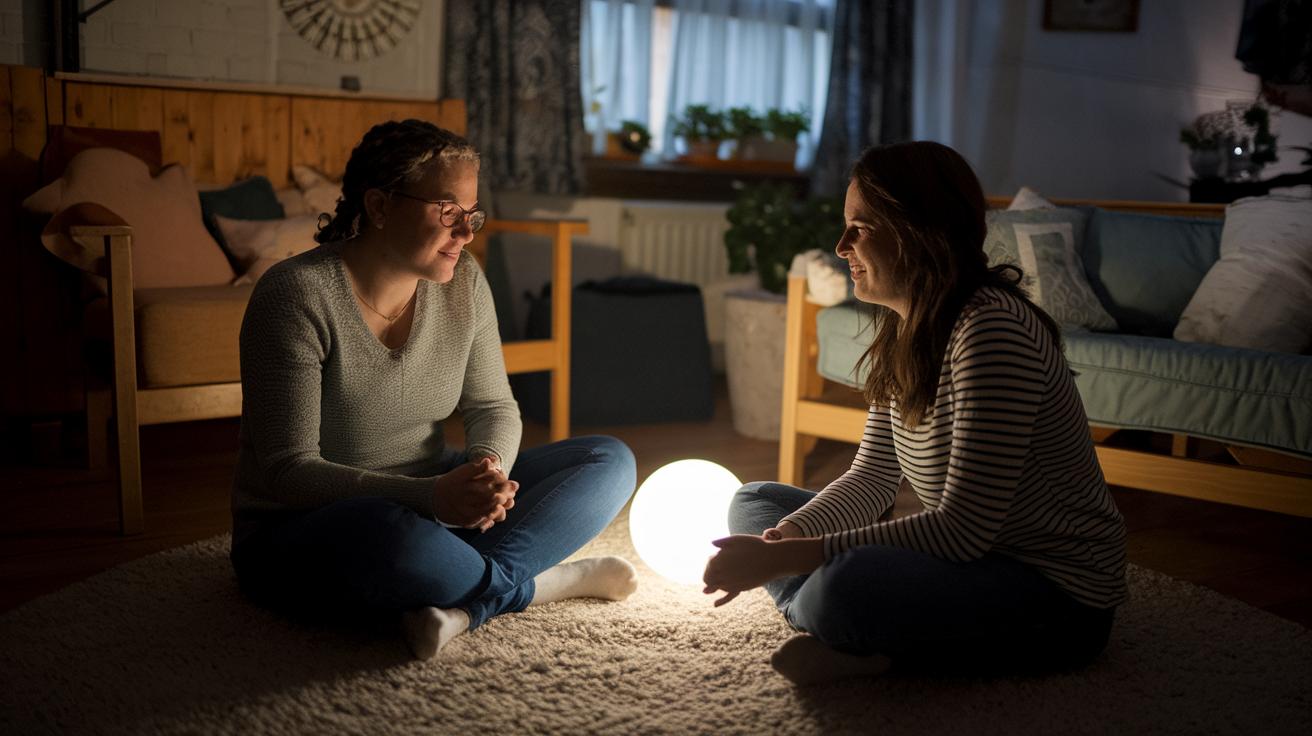
In many support circles, you'll meet caring individuals who share their own life experiences to gently guide the conversation. Their stories help create a warm space where you can freely talk about life's challenges.
On the flip side, clinician-led sessions are run by trained counselors and psychotherapists. They offer clear, step-by-step advice based on solid research, ensuring every topic is approached with expert care and a focus on recovery.
This way, moms can decide which style suits them best. With peer-led circles, you might instantly feel that genuine connection that comes from shared experiences. Meanwhile, clinician-led groups focus on proven strategies to manage symptoms and boost your emotional well-being.
Often, these sessions feature calming activities like deep breathing, gentle meditation, and simple movement exercises. You might even explore topics like PMADs 101 (a basic guide to perinatal mood and anxiety disorders), understand postpartum psychosis, and learn about trans-inclusive reproductive mental health. All of these self-care techniques and trauma-informed practices are here to support your emotional healing and make the transition into motherhood a bit smoother.
Immediate Support: Local Parental Counseling and Crisis Helplines

When stress or loneliness hits, getting help quickly is so important. If you’re feeling overwhelmed, local parental counseling and crisis helplines can offer a caring ear and real-world advice to help lighten the load.
PSI phone support is here for you on weekdays between 10 am and 3 pm PT. If texting feels easier, simply send "Help" to 800-944-4773 for English or 971-203-7773 for Spanish from 10:30 am to 2:30 pm PT. Think of these options as your friendly first step toward family wellness and postpartum support, a place where someone is always ready to listen.
And remember, if you ever feel unsafe or face a crisis, please contact your doctor, local emergency services, or the National Emergency Hotline right away. Your safety is the most important thing.
Registering for Maternal Wellness Workshops and Post-Birth Coaching
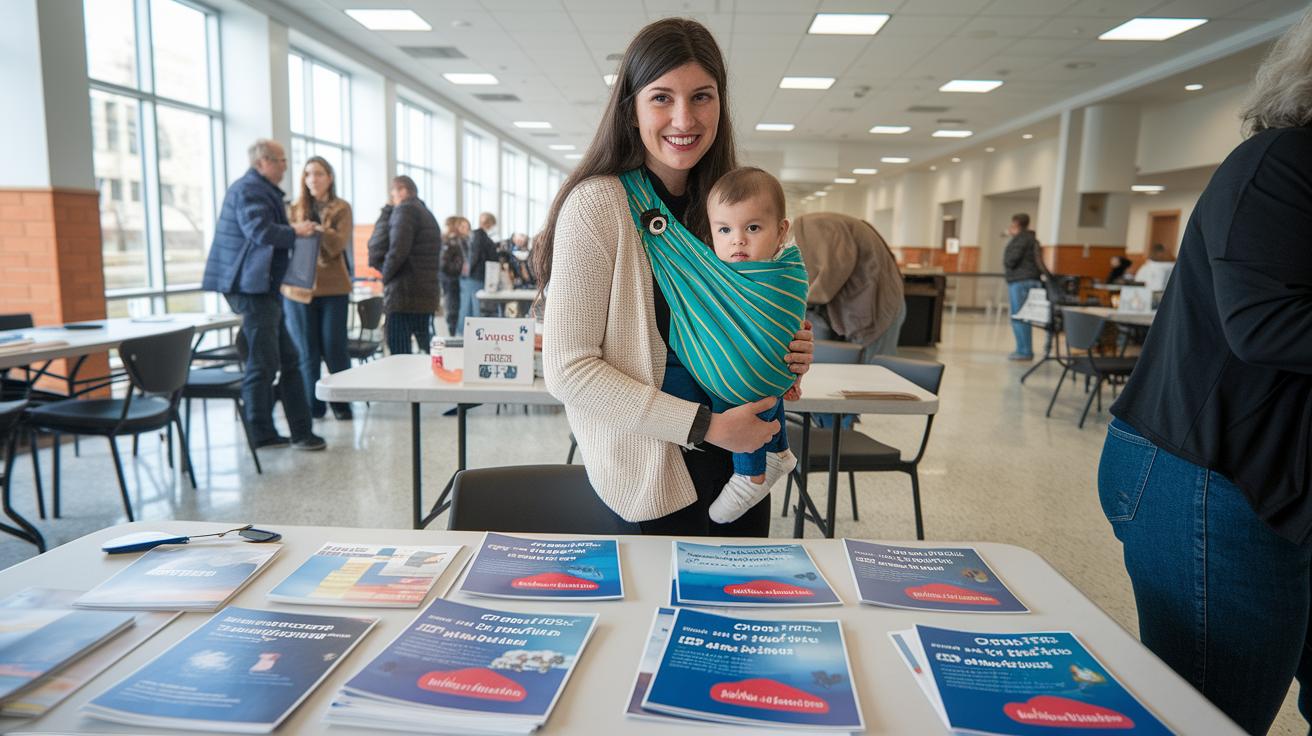
If you're ready to get started, try searching online for maternal wellness workshops and post-birth coaching sessions. You can find friendly directories that list options from places like Life After Birth and Jewish Family Service LA. These listings even include handy details like a concierge call, discounted programs, and useful tips on coaching sessions. It's a great way to compare your choices and pick what feels right for you.
Next, check if you can show proof that your baby was born within the last six months to one year. Most providers ask for this to make sure you qualify for the workshop benefits. This step also helps create a welcoming group for new and expectant parents of all gender identities, so you know you're getting support that's both thoughtful and affirming.
When you're all set, go ahead and complete your registration on the provider's website, and keep an eye out for a confirmation email. Take a moment to read any extra details like session times or simple prep guidelines before your first meeting. A little preparation can make your first session feel more relaxed and easy, so you can truly enjoy the supportive resources waiting for you.
Engaging in Local Mother Peer Circles and Empowerment Events

When you join a local peer circle, you'll meet moms who share their own journey, talking about those real-life moments that make motherhood so unique. One mom shared, "When I first became a mom, a simple tip made all the difference." Her words remind you that sometimes a small piece of advice can brighten your day.
These gatherings are all about honest storytelling and practical tips, mixed with a gentle sense of support. Picture a circle where one mom says, "Sharing even small moments helped me feel understood," and it sparks a warm, caring conversation among everyone there.
Next, take a look at your community calendar for upcoming circles and events. It's a wonderful way to connect, learn, and feel supported as you navigate this beautiful journey of motherhood.
Using Provider Directories for Local Infant Care and Parental Mental Recovery

When you explore the PSI Provider Directory, you can easily use filters for language, service type, or accepted insurance. This lets you see only the providers in your area who match what you need. Many of these caring experts even offer telehealth consultations, so you might never have to leave your cozy home. For instance, just by entering your zip code, you can find perinatal mental health specialists, lactation consultants, and infant care educators nearby. It really simplifies the search for the support that fits your personal and community needs.
Once you’ve refined your search, take a moment to check out each provider’s profile. Look at their credentials, specialties, and reviews from other parents to get a sense of what they offer before booking a session. Many profiles include details about different appointment options and telehealth services, giving you a clear idea of how to start your care journey. This little extra step helps you connect with a provider who truly understands your experience and can offer the gentle guidance you're looking for.
Final Words
In the action, you’ve seen practical steps to find help through proven search tools and support groups. We explored search methods for immediate help, found details on specialized care circles, and reviewed both in-person and virtual options.
The guide brought you tips on maternal wellness workshops and peer events so you can confidently take next steps. With local postpartum support networks in your corner, each mom can feel heard and cared for, growing stronger every day.
FAQ
What is the postpartum peer support group?
The postpartum peer support group is a caring community where new mothers share experiences and advice during the weeks and months after birth.
Who can I talk to about postpartum?
You can talk to experienced peers, trained counselors, or perinatal mental health professionals who offer guidance and empathetic support during the postpartum period.
What is the new mother syndrome?
The new mother syndrome describes common emotional and physical changes new mothers experience after birth, including mood swings, anxiety, and stress related to adjusting to parenthood.
What resources are available for postpartum depression?
Resources for postpartum depression include online and in-person support groups, professional directories for perinatal mental health providers, crisis helplines, and counseling sessions tailored to new parents.