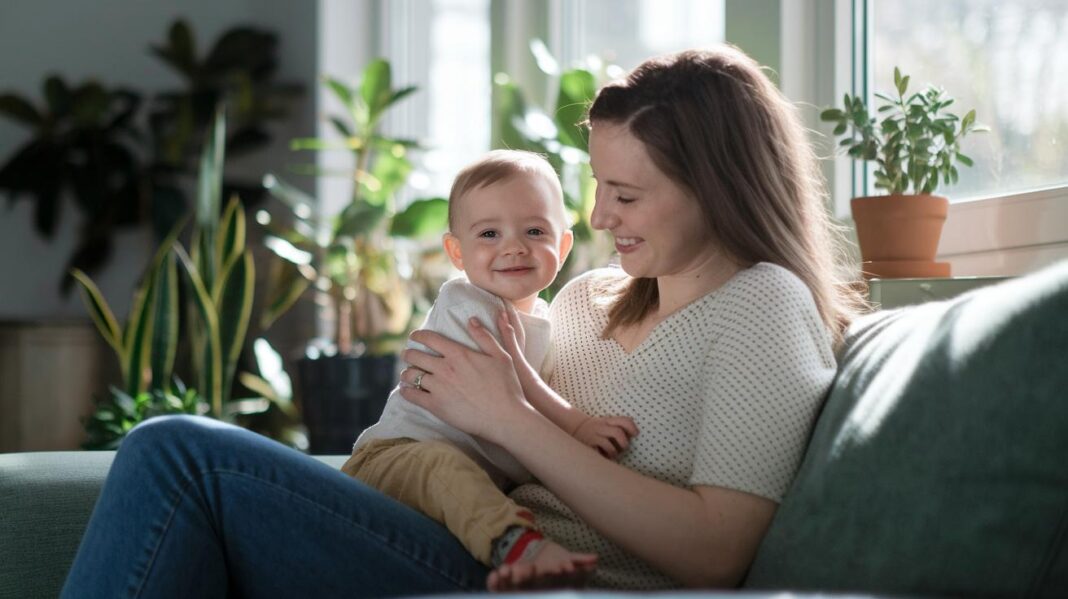
Have you ever noticed how your baby's very first coo can brighten your whole day? Those little sounds are more than cute, they're the first steps in a wonderful journey of learning and growing.
When your little one kicks, reaches out, or babbles away, it's like watching the start of a sweet dance that leads to movement, thinking, and connecting with the world.
In this chat, we’re going to explore how these everyday moments help build the strong foundation for the skills your baby needs as they grow.
infant play milestones Spark Joyful Growth
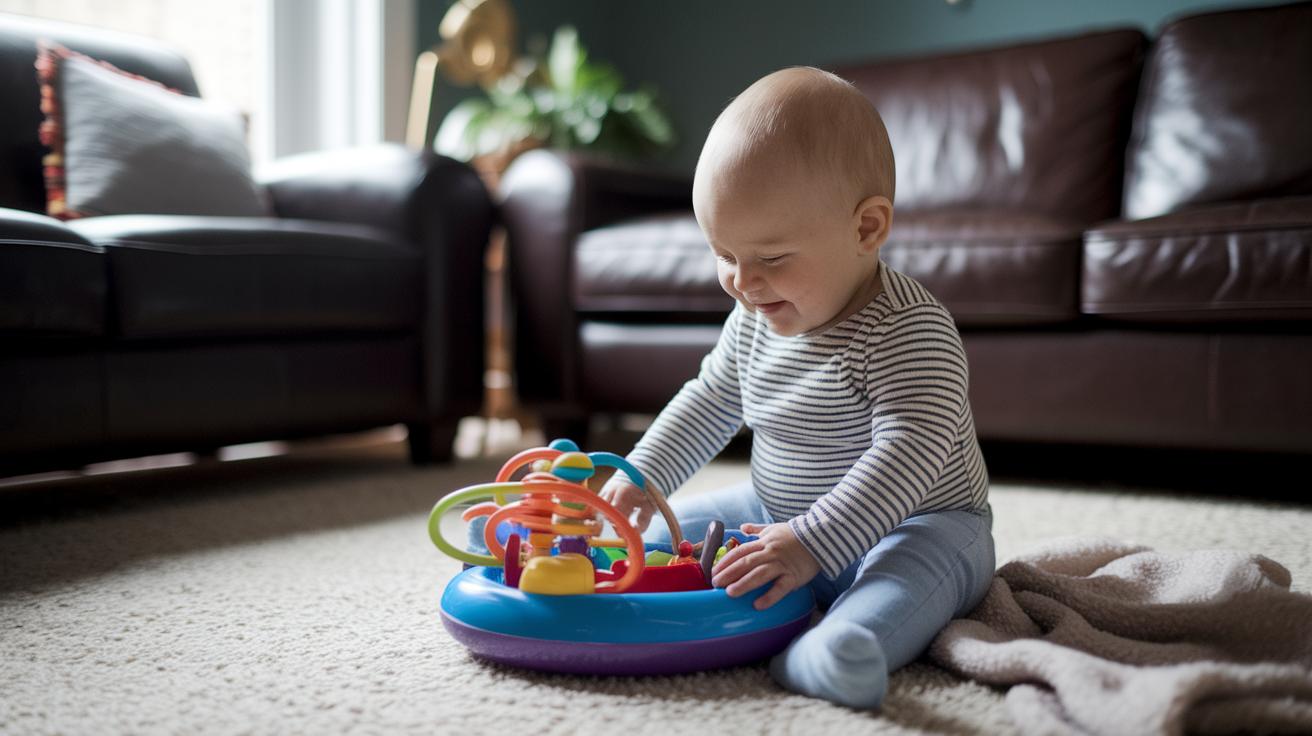
Infant play milestones are the little steps that show how babies grow. They cover moving, thinking, talking, and even connecting with others. For example, in moving skills, a baby learning to hold up their head or roll over is like the first gentle dance of growth. In thinking skills, watching a baby drop a toy or bang it to see what happens is their way of learning cause and effect. Early sounds, like cooing and babbling, mark the beginning of sharing thoughts, while a bright smile and a steady, loving look help form those first close bonds.
Before engaging in more complex play, even a simple smile can light up a room and spark deeper emotional connections.
Babies develop at their own pace. Generally, you might see reflexive responses and loving face-to-face moments between 0 and 3 months. Then, from 4 to 6 months, they start reaching, grasping toys, and tracking moving objects. Soon after, between 7 and 9 months, they might sit up without help, move objects from one hand to the other, or enjoy a fun game of peek-a-boo. By 10 to 12 months, crawling, using a small grip (like a pinch), and playing with purpose become favorites in their playtime.
Every baby is unique, and that’s why keeping an eye on these milestones can really help caregivers support their little ones. Sometimes, a baby might show skills a bit early or take a little longer. And for preemies, these milestones are often looked at based on their adjusted age rather than when they were born. This gentle awareness reminds us that every tiny step is key to a baby’s way of learning and connecting with the world around them.
Infant play milestones by age: a first-year timeline
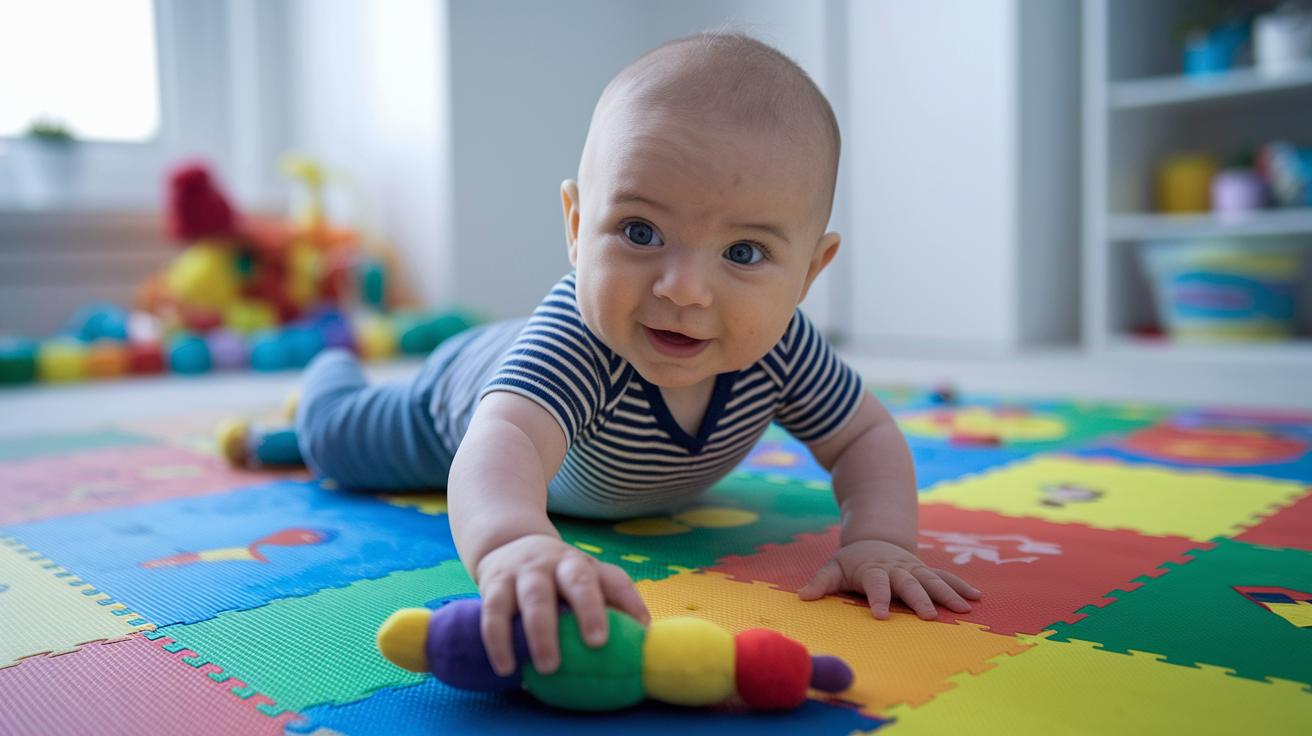
In baby's first year, you’ll notice lots of exciting changes in how they play. These new activities help boost movement, hand skills, thinking, and social fun. Below is a table that shows important play steps during four parts of your baby’s first year. For more details on these stages, check out the stages of childhood development.
| Age Range | Big Movements | Hand Skills | Thinking Play | Social Fun |
|---|---|---|---|---|
| 0–3 months | Lifts head during tummy time | Grasps things automatically | Follows familiar faces with eyes | Enjoys face-to-face time |
| 4–6 months | Rolls from front to back | Reaches for toys and moves them around | Babbles and responds to sounds | Smiles when you smile |
| 7–9 months | Sits up without help | Moves toys from one hand to the other | Plays peek-a-boo | Loves simple games with family |
| 10–12 months | Crawls or walks by holding on | Uses a pincer grasp to pick up small items | Plays with objects in a purposeful way | Starts playful interactions on their own |
Remember, every baby grows a little differently, so these steps might show up a bit sooner or later.
Play activities to boost infant play milestones

Little play moments can lead to big smiles and growing skills. For your baby’s first few months (0–3 mo), try some tummy time with a mirror. This simple game helps steady head control, and you can find more on early childhood physical development by following the link. When your little one reaches 1–4 months, hanging a bright, high-contrast mobile above their play area is a fun way to help them learn to follow objects with their eyes.
As your baby grows further (4–6 months), introduce a rattle or grasp toy to encourage reaching out. Then from 6–9 months, stacking cups and pull toys that show cause and effect create moments of playful discovery. When your baby turns 9–12 months, push-along wagons and soft finger foods help build their pincer grasp and support early movement. Imagine your baby’s delight when a simple toy makes a funny sound or light, with each moment, they’re celebrating a big win!
It’s just as important to create a safe place for play as it is to pick the right toys. Lay out a soft floor mat in a clear space free from hazards, and always have a caring adult nearby to guide your little one. Setting up a dedicated play space not only supports their physical milestones but also gives them the freedom to explore. These gentle, guided moments build confidence and nurture a deep love for active play.
Recognizing red flags in infant play milestones
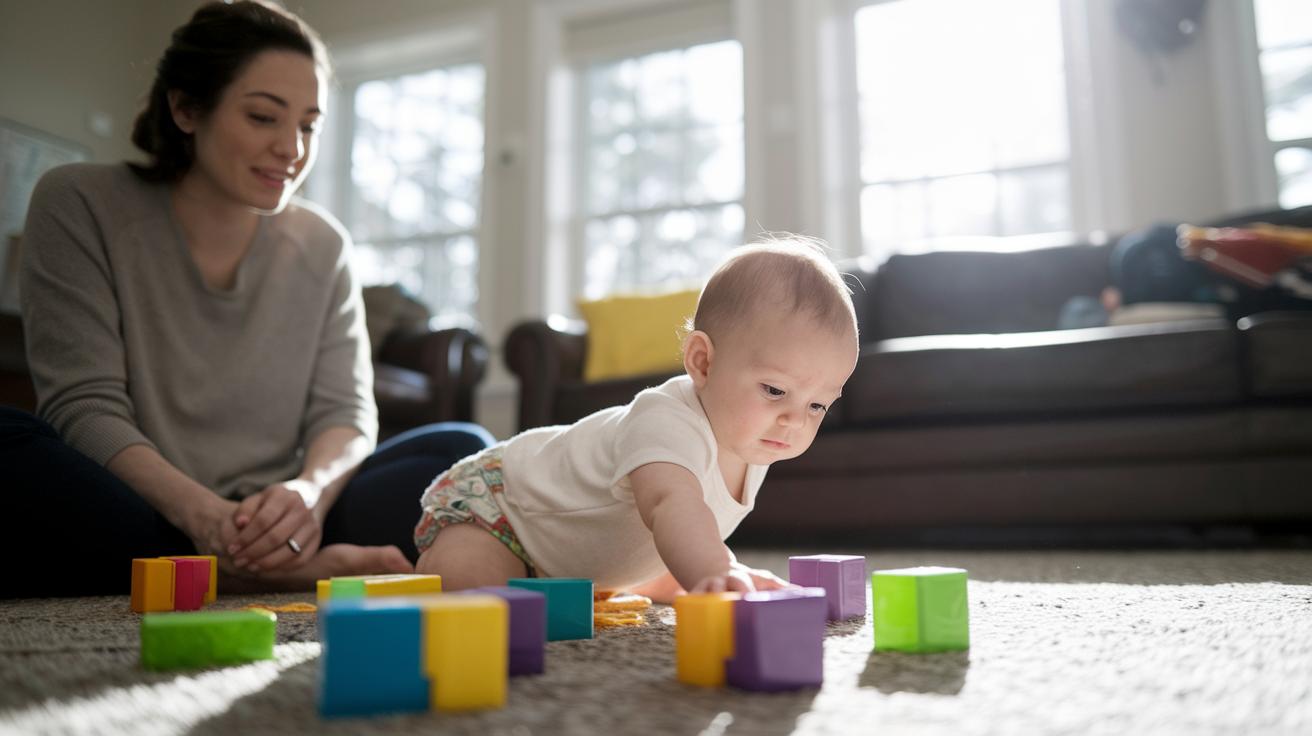
Keep an eye on how your little one plays. Sometimes, small delays in their play can be hints that they might need a bit of extra help. For example, if your baby still struggles to hold their head up by four months, hasn’t started reaching out by six months, or isn’t sitting on their own by nine months, these could be gentle signals to pay attention. Also, if they aren’t passing toys from one hand to the other by eight months or haven’t started babbling by nine months, it might mean they’re having a bit of trouble with movements or sounds. Just remember, for premature babies, we measure these milestones using their adjusted age (based on their due date).
If you notice these delays, it could be a good idea to chat with a pediatrician or therapist. Trust your gut as you watch your baby during playtime. Early advice from a professional can help set up a care plan that supports your baby’s growth. Jotting down these milestones not only helps you feel more confident about your child’s progress but also guides you in making choices that best support their unique journey. Stay aware and trust your instincts.
Choosing toys for successful infant play milestones

When you're picking out toys for your baby, safety always comes first. Look for items that are BPA-free and meant for little ones aged 0–12 months. I love choosing toys with big, chunky shapes that tiny hands can hold easily. It’s best to keep designs simple, fewer small parts means a safer playtime, and smooth materials free of harsh chemicals can give you extra peace of mind. Rotating the toys now and then also helps keep the play environment fresh without overwhelming your little explorer.
Toys that spark the senses make playtime both fun and a great learning experience. Think about choosing items with different textures that invite touching and feeling. Bright, high-contrast colors catch your baby’s eye and help train those little eyes to follow moving objects. And sometimes, a toy with gentle sounds or soft musical touches can add an extra layer of joy to their play. Mixing these features creates a warm, inviting space that not only entertains but also supports your child’s growing skills in a natural, playful way.
Parent-led tracking of infant play milestones
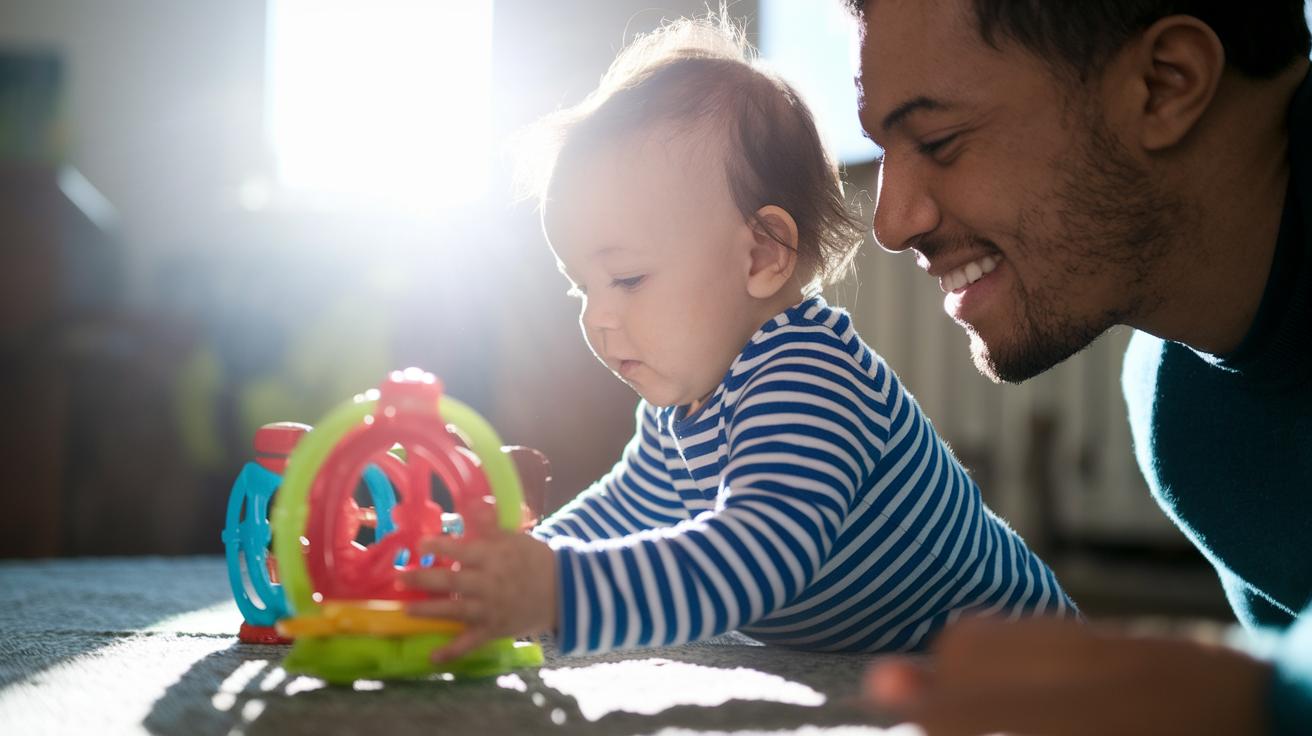
Watching your little one play is a really special way to see how they are growing and connecting with you. When you catch that new smile during feeding, see a curious look at their favorite bath toy, or notice a playful gesture on the floor, it isn’t just a milestone, it’s a precious moment shared between the two of you. These moments not only build a stronger bond but also let you see hints of early independent play. Jotting them down fills your heart and gives you handy insights to share with your baby’s care team if you ever need to chat about their progress.
Start with something simple. You might choose a notebook or snap photos and videos during everyday moments like mealtime, bathtime, or playtime. Or you could use a checklist app to quickly mark off each new skill as it appears. These little tips help you keep track of your baby’s journey in a way that feels fun and natural every day.
Final Words
In the action of nurturing development, caregivers see infant play milestones shaping growth in motor skills, language, and social interactions. The article walked through each stage of the first year, offered playful activity ideas, and explained how to spot early challenges.
Simple tracking methods help celebrate each tiny win while guiding care. Through hands-on play, every smile and grab builds a foundation for future discovery. Embrace these moments with hope as they set the tone for lifelong progress with infant play milestones.
FAQ
How do baby milestones progress month by month?
The baby milestones month by month detail emerging skills in motor, cognitive, language, and social-emotional areas—from early head control and smiling to later skills like rolling, reaching, and intentional play.
What does a developmental milestones chart for infants show?
A developmental milestones chart for infants outlines age-linked skills such as lifting the head, rolling, babbling, and crawling. It provides a quick view of progress in motor, cognitive, and social play areas.
What do play developmental milestones in occupational therapy refer to?
Play developmental milestones in occupational therapy refer to key age-related skills observed during play. They help professionals assess progress in motor, cognitive, and social areas to guide early interventions.
What are the 5 stages of play in child development?
The 5 stages of play in child development begin with simple, undifferentiated play, then move through functional play, constructive play, dramatic play, and finally interactive games with rules, reflecting growing social and cognitive skills.
What are the 5 developmental milestones for infants?
The 5 developmental milestones for infants cover progress in motor skills, cognitive abilities, language, social-emotional responses, and play. They include improvements like head control, rolling, babbling, smiling, and purposeful object use.
What are three red flags to watch for around 12 months?
Three red flags at 12 months include not crawling or cruising, a lack of babbling or intentional communication, and minimal interactive play. These indicators suggest the need for a professional evaluation.
What does a baby milestone chart for 12-18 months cover?
A baby milestone chart for 12-18 months covers advanced skills such as beginning to walk, using a pincer grasp, improved coordination, and more interactive social play, highlighting important growth during this period.
How are play milestones categorized by age?
Play milestones categorized by age group start with basic reflexes and gradually move to interactive games like peek-a-boo, reflecting a child’s progress in motor, language, and social engagement through different stages.
What does play milestones ASHA refer to?
Play milestones ASHA refer to guidelines from the American Speech-Language-Hearing Association that specify expected play skills and communication behaviors, which help track developmental progress during early childhood.