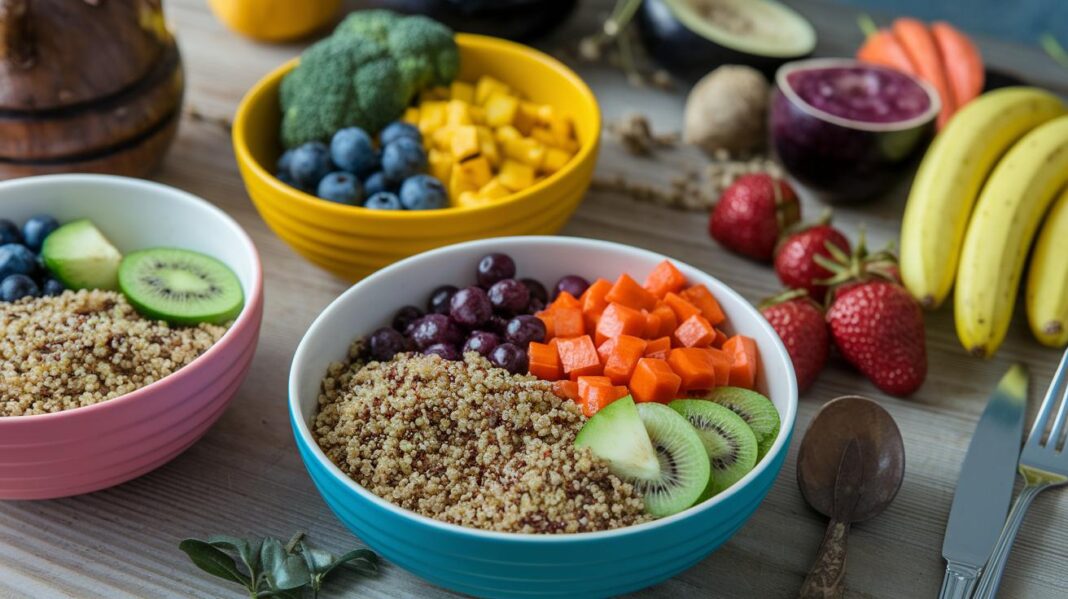
Ever notice how your tired afternoons might be linked to what you eat? Many moms need an extra boost, whether they're expecting a baby or busy caring for their little ones. Think of your body like a car that runs best with great fuel. When you mix in a variety of balanced foods, it helps keep you energized throughout the day. In this chat, we’ll look at how adjusting your food choices can keep you feeling cheerful, balanced, and ready to tackle even the busiest days.
Maternal Nutrition and Energy Requirements During Pregnancy and Postpartum

Hey there, moms, let’s chat about your body's extra energy needs during pregnancy and after your little one arrives. In your second trimester, you might find that you need about 340 extra calories a day. As you move into the third trimester, that number can go up to roughly 450 extra calories each day. And if you're breastfeeding, your body may ask for an extra 500 calories a day to keep up with both your energy and your baby’s growth. It’s all about giving your body what it needs to feel strong and supported.
Eating a balanced diet really makes a difference, too. Your unique weight gain targets depend on where you started before pregnancy, for example, you might aim for 28–40 pounds if you were underweight, about 25–35 pounds if you were at a normal weight, 15–25 pounds if you were overweight, and 11–20 pounds if you were obese. Simple guides like the USDA MyPlate can turn those extra calories into clear, everyday meal ideas that work for you.
Mixing in consistent meal planning with these energy tips is a real game changer. It helps you feel energized each day while caring for your growing baby and then taking care of yourself during postpartum recovery. Remember, every little change counts, and together these steps can help you feel nourished and vibrant on this journey.
Essential Nutrients in Maternal Diet to Sustain Energy
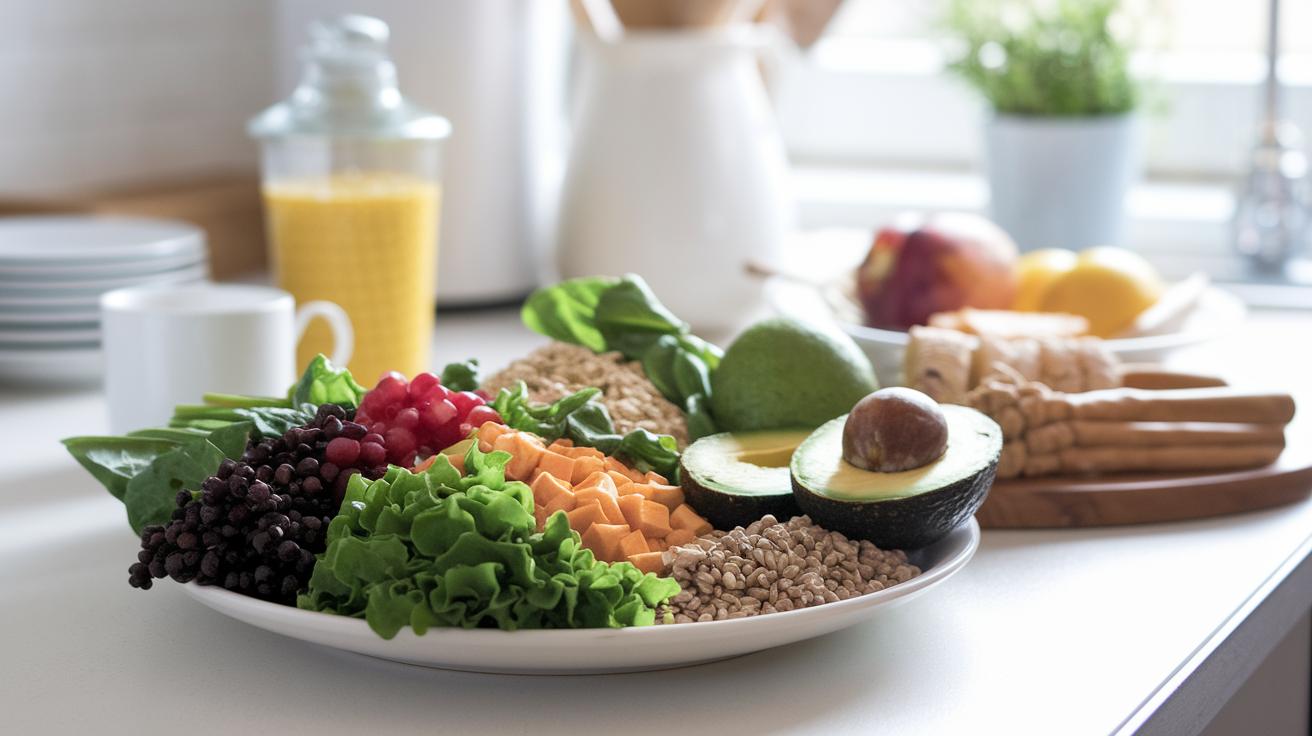
To keep your energy steady, it's important to enjoy a mix of big nutrients (like proteins, carbs, and fats) along with essential vitamins and minerals. Try to have protein make up about 10–35% of your daily calories. Foods such as whole grains and fiber-rich fruits and vegetables help even out your blood sugar. Plus, adding healthy fats from avocados or nuts supports your baby's brain development and keeps you feeling well. If you're curious about more details, check out our friendly maternal diet and wellness guide.
Macronutrients for Energy
Your body runs best on a mix of protein, carbohydrates, and healthy fats. Lean options like chicken, beans, and eggs work to repair and build your tissues, while whole grains, fruits, and vegetables provide long-lasting energy. Healthy fats from nuts and seeds not only help you feel satisfied but also boost your brain health. This balance is key whether you're expecting or adjusting after baby arrives.
Micronutrients for Energy
Little nutrients pack a big punch too! Iron and folic acid (or other key vitamins and minerals) help keep your blood healthy and fight tiredness. Calcium and vitamin D are great for building strong bones, and omega-3 fatty acids from fish or seeds support your baby's growth. Mix these nutrients with some gentle daily movement and proper rest, and you'll feel more energized throughout the day.
| Nutrient | Source |
|---|---|
| Protein | Chicken, beans, and eggs |
| Complex Carbs | Whole grains and quinoa |
| Healthy Fats | Avocados, nuts, and seeds |
| Iron | Spinach and lean red meat |
| Calcium | Dairy products and fortified plant-based milks |
| Folic Acid | Leafy greens and legumes |
Maternal nutrition for sustaining energy levels: Feel bright
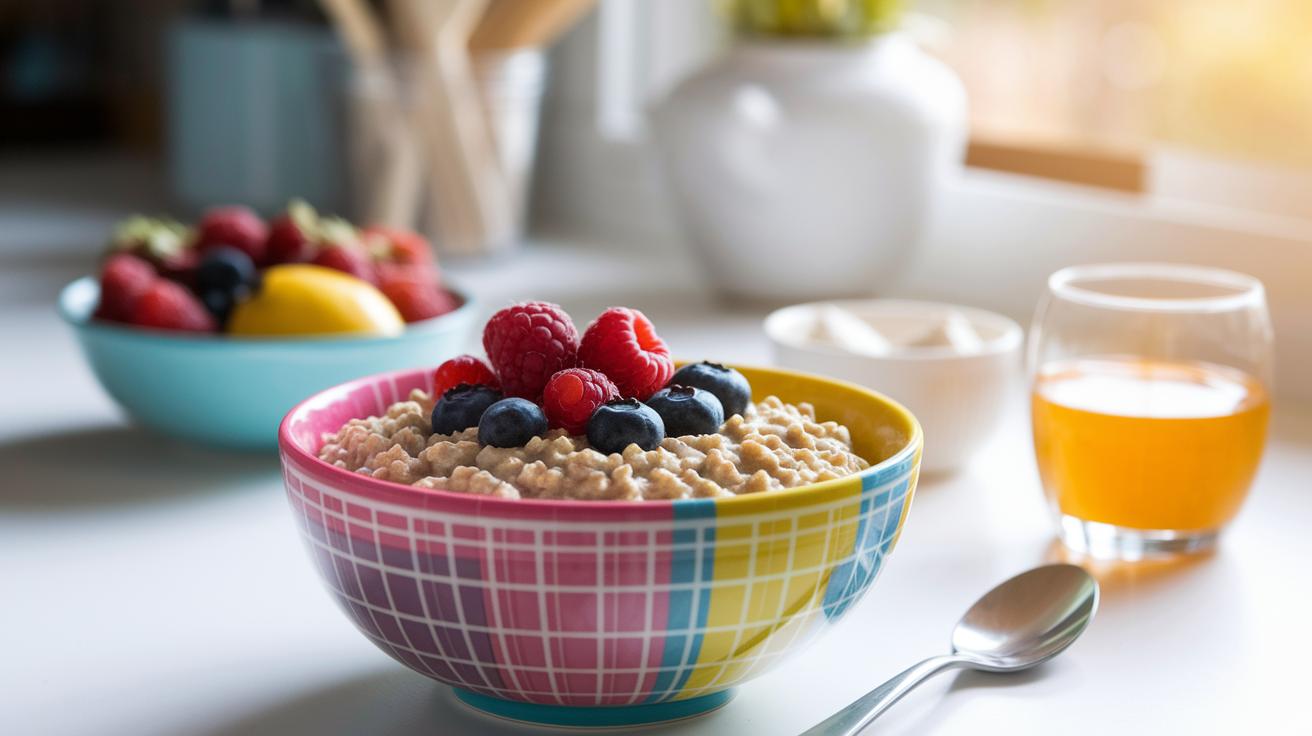
Eating foods full of nutrients helps keep your energy steady while nurturing your body during pregnancy (prenatal care) and after your baby is born. Imagine starting your morning with a warm bowl of oatmeal topped with fresh berries, it feels like a gentle, energizing hug that fills you with fiber and antioxidants. Then picture a lunch like a tasty quinoa salad with chickpeas and veggies that gives you a boost of complete protein and complex carbs to keep you going. A snack such as a Greek yogurt parfait with a few crunchy nuts is a fun way to enjoy protein and healthy fats, while a dinner like lentil soup with a handful of spinach brings in a good mix of iron and fiber. Even a quick treat like whole-grain toast with nut butter can be just what you need to feel refreshed and energized.
| Recipe | Main Nutrient Focus | Prep Time |
|---|---|---|
| Oatmeal with Berries | Fiber, Antioxidants | 10 min |
| Quinoa Salad with Chickpeas & Veggies | Complete Protein, Complex Carbs | 15 min |
| Greek Yogurt Parfait with Nuts | Protein, Healthy Fats | 5 min |
| Lentil Soup with Spinach | Iron, Fiber | 30 min |
| Whole-Grain Toast with Nut Butter | Sustained Energy | 5 min |
Customizing your meals can be both simple and fun! You can adjust the serving sizes or swap ingredients to meet your calorie and nutrient needs. For instance, if you feel you need a little extra boost, try adding another spoonful of nut butter to your toast or toss in an extra handful of spinach in your soup. You can also mix up the fruits and veggies based on what’s fresh and available, making sure your meal always has a good balance of lean protein, whole grains, and healthy fats. It’s a bit like curating your favorite family recipe, experiment with herbs and spices until the flavors feel just right. Have you ever noticed how a small change can make your meal feel extra bright and satisfying?
Maternal nutrition for sustaining energy levels: Feel bright
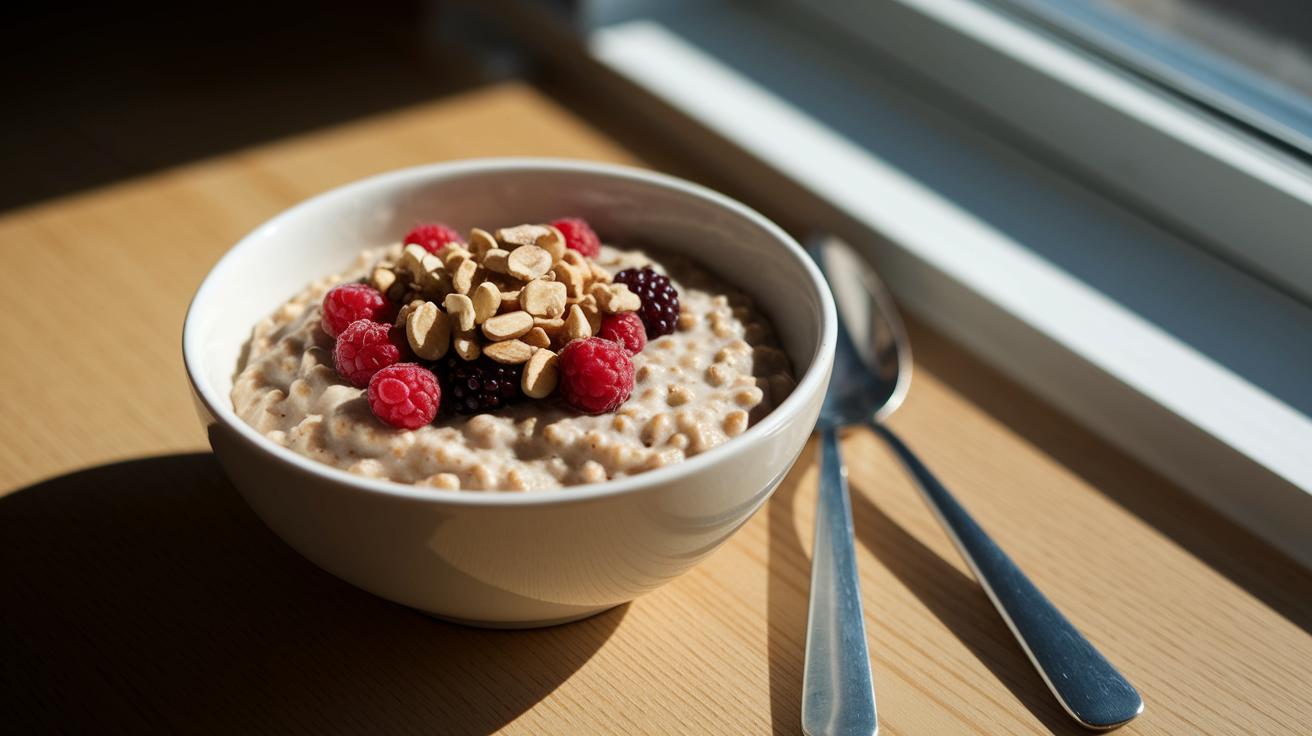
Start your morning with a simple routine to help keep your blood sugar steady. The USDA recommends three meals and two snacks, with protein and complex carbs every three to four hours. Imagine a warm bowl of oatmeal topped with chopped nuts and berries to jumpstart your day – a little meal that brings energy and balance.
When planning your meals, picture your plate split into parts. Fill half with a rainbow of vegetables, one-quarter with lean protein like grilled chicken or tofu, and the last quarter with whole grains such as quinoa. How about a fresh idea for the afternoon? A snack of Greek yogurt with a touch of honey and a sprinkle of granola is a light and tasty pick-me-up.
Check in with yourself at home or during your prenatal visits to see how you’re doing. You might decide to adjust your meals or portions based on how strong you feel. Sometimes a small switch, like trying a new snack or mixing up your veggies, can be just what you need to keep feeling bright and energized.
Hydration and Natural Energy Boosters in Maternal Nutrition

Staying well-hydrated might seem simple, but it's a real game-changer for boosting your energy naturally. Try to drink about 8 to 10 cups (64-80 oz) of water every day to help keep tiredness and headaches away. Think of it as giving your body a refreshing refill during a busy day.
You can also mix things up with drinks rich in electrolytes, like coconut water, or enjoy fruits and veggies that are full of water, imagine crisp watermelon or a cool cucumber on a hot day. And if you need a little extra push, safe herbal teas are a great pick. For instance, ginger tea can gently ease nausea, while peppermint tea offers a subtle lift. Picture yourself with a warm cup of ginger tea on a quiet morning; it feels like a soft hug, inviting you into the day.
Adding a bit of movement along with regular water breaks can really help, too. Even a quick walk or a gentle stretch lets your body use all that nourishing fluid more efficiently. A short pause with a hydrating snack or a few sips of your favorite drink can make all the difference, leaving you feeling balanced and refreshed. These simple, natural tips not only support your metabolism during pregnancy but also set the stage for feeling bright and vibrant every day.
Managing Maternal Fatigue: Sustaining Energy Naturally During Pregnancy

Pregnancy is full of changes, and each trimester brings its own kind of tiredness. In the early months, you might feel as if you barely slept at all because of all the hormonal ups and downs and nausea. By the second trimester, many moms find a little extra pep in their step, even though fatigue might still pop up now and then. And in the third trimester, when discomfort and sleep disruptions kick in, even simple tasks can feel extra challenging. It’s all part of your body’s natural rhythm during this special time.
One way to keep those energy dips at bay is to eat small, regular meals. Imagine having a light snack, like a few whole-grain crackers with cheese, every three to four hours. Pairing these snacks with your prenatal (care during pregnancy) vitamins can really help boost your energy. And sometimes, taking a short walk or even a quick power nap can feel like a mini-refresh for your day.
Studies show that a balanced diet not only feeds your body but also brightens your mood. Adjusting your routine to fit in regular little meals and short breaks can truly make a difference. Even a small change can help you feel a bit more energized and supported every day.
Postpartum Nourishment and Supplementation Guidelines in Maternal Nutrition

After your baby is born, your body needs extra care to heal and support breastfeeding. Your energy needs change, and eating a mix of nutrient-packed foods helps a lot. A balanced postnatal diet means enjoying healthy meals along with iron and folic acid (or a blend of many vitamins), keeping an eye on your weight, taking steps like deworming if needed, staying active, and getting enough rest. If you’re a younger mom, you might also find energy-protein supplements helpful to boost your recovery and keep tiredness away.
Micronutrient Supplementation Guidelines
Taking the right vitamins right after birth is very important. Adding iron with folic acid or a multi-micronutrient mix helps replace key nutrients, keeps your blood healthy, and repairs your body as it heals. These supplements can give you a steady energy boost during those busy first days so you can better take care of your little one.
Postpartum Nutrition Support Strategies
Talking with a nutrition counselor can be a warm help in planning your meals. They can guide you to include lean proteins, healthy fats, plenty of vegetables, and whole grains in your diet. They might even suggest energy-protein supplements when you need them. These tips are all about making sure your eating habits support your recovery and daily energy needs.
Overall, good nourishment means mixing smart, healthy eating with advice from experts. This comprehensive approach, including ideas from holistic maternal wellness, helps every mom feel vibrant, strong, and ready to enjoy the journey of motherhood.
Final Words
In the action, we explored how balanced meals and smart snacking can boost your day-to-day energy. We looked at practical meal plans, nutrient timing, hydration, and even simple recipes to meet both prenatal and postpartum needs. The article shows that a well-planned maternal diet and energy strategies can make a real, positive impact. Remember, feeding your body right is the key to maternal nutrition for sustaining energy levels and nurturing your well-being every day.
FAQ
Why is maternal nutrition important for health?
Maternal nutrition is important for health as it supports fetal growth, meets extra energy needs throughout pregnancy, and aids in healthy postpartum recovery, ensuring both mom and baby receive the necessary nutrients.
How do energy requirements change during pregnancy and lactation?
Energy requirements in pregnancy and lactation increase as the body supports rapid fetal growth and milk production; the second trimester needs roughly 340 extra kcal per day, the third around 450 kcal, and breastfeeding may need up to 500 extra kcal daily.
How much energy does a pregnant woman use per day?
A pregnant woman uses extra energy daily, which varies by trimester; for example, she may need an additional 340 to 450 kcal per day, with further increases during lactation to support continuing nutritional demands.
What are the effects of poor nutrition during pregnancy?
Poor nutrition during pregnancy can lead to issues like suboptimal fetal development, inadequate weight gain for the mother, and an increased risk of complications, making proper nutrient intake essential for both mom and child.
What is the essential maternal nutrition during pregnancy?
Essential maternal nutrition during pregnancy involves a balanced diet with lean proteins, whole grains, healthy fats, and key micronutrients such as iron, calcium, folic acid, and vitamin D to support overall wellbeing.
How do maternal energy requirements in the first trimester compare to pre-pregnancy needs?
In the first trimester, energy needs are similar to pre-pregnancy levels since early fetal growth is gradual, but later trimesters demand more energy to support faster developmental changes.