Have you ever noticed that heavy feeling in your chest when you start life with a new baby? It might feel like you’re wandering through a twisty maze of emotions, unsure of which way to turn. Thankfully, there are post-birth mental health resources that can help you regain your footing. In this article, you'll find warm, practical advice and support designed to ease those overwhelming first moments. With trusted guidance and a caring community by your side, you can feel a little lighter and more confident every day.
Essential Post-Birth Mental Health Support and Treatment Options

After your baby arrives, things can feel pretty overwhelming. It’s a big, new world, and the right mental health help can really change things for the better. Over time, caring teams of professionals and community mentors have come together to guide parents through these early moments.
Since 1998, the PSI resource center has been a warm, supportive friend to new families, and it will keep helping until 2025. They offer everything from crisis help to hands-on training, making sure that every parent has quick access to both kind emotional support and practical tools for everyday life.
- PSI Helpline: Text “Help” to 800-944-4773 (English) or 971-203-7773 (Spanish) when you need immediate help.
- National Emergency Hotline: A speedy lifeline for urgent moments.
- PSI Directory: A list of local providers who offer in-person care.
- Peer Mentor Program: Connect with others who truly understand the ups and downs of being a new parent.
- Online Support Groups: Safe spaces online where you can share, listen, and learn.
- Expert Chat Options: Get quick, heartfelt advice from caring experts.
- Family Webinars: Join sessions that focus on mental health and wellness after your baby is born.
Getting the help you need is simple and made with every parent in mind. Materials are available in Spanish, and support is ready for anyone, no matter what language you speak. Whether you’re reaching out during a crisis or joining an online session, this network is here to offer gentle advice and practical support every step of the way.
Postnatal Psychological Therapy and Clinical Emotional Regulation

New parents can sometimes feel a bit lost when a flood of new emotions comes in after the baby arrives. It’s completely normal to feel overwhelmed. There are caring therapy options available that give you practical ways to handle these feelings and help you stay balanced. In 2025, you’ll find several training sessions and one-on-one consultations designed to walk you through simple methods for managing emotions and finding the right support.
Have you ever wished for a friendly chat about what you’re going through? That’s exactly what PMAD training programs offer. They focus on understanding and managing the ups and downs that come with the hormonal shifts after birth. Organizations like Helping Hands Psychotherapy, Motherhood Center of NY, Postpartum Stress Center, and Seleni Mental Health lead these workshops. Imagine being in a hands-on session where you pick up useful tips to ease anxiety and lift your mood. It's like having a friend share advice over a cup of tea.
Then, there are EPDS sessions. The Edinburgh Postnatal Depression Scale (EPDS) is a simple tool that helps spot early signs of depression. These training sessions guide mental health professionals and caregivers in spotting symptoms and addressing them early. Think of it as a gentle reminder, like keeping a daily journal to catch those first hints of a cloudy day.
For those who need a more personal touch, expert psychiatrist consultations through Project TEACH are here for you. In these one-on-one sessions, you'll get clear advice on your treatment options, including insights into using SSRIs if needed. It’s a warm, personal talk that leaves you feeling understood and supported.
| Therapy Option | Description | 2025 Dates & Providers |
|---|---|---|
| PMAD Trainings | Workshops that help you manage mood and anxiety changes after birth, led by caring experts. | Helping Hands Psychotherapy, Motherhood Center of NY, Postpartum Stress Center, Seleni Mental Health |
| EPDS Sessions | Training on using the EPDS tool to spot early signs of depression and take action. | Postpartum Support International training events |
| Expert Consultations | Personal sessions offering tailored advice and support to guide your emotional well-being. | Project TEACH consultations |
Post-Birth Mental Health Resources: Uplifting Care

New parents often feel a bit more at ease when they chat with others who have been through the same early days of parenting. It’s like having a supportive friend who really gets the ups and downs. With community circles and networks like the "You Are Not Alone" initiative, families can share their own stories and feel less alone when times get tough.
There are some heartwarming programs available too. For example, the peer mentor initiative pairs you with someone who has walked in your shoes, offering a gentle, kind presence when you need it most. And local support finders help connect you to community events, like the Hope is Here 5k Run/Walk and Maternal Mental Health Awareness Month 2025. These local gatherings give parents a chance to form bonds and build a support system that can make everyday challenges feel a little lighter.
For parents who feel more at home speaking Spanish, there are support groups that offer comfort in your native language, ensuring that everyone can share their feelings openly. These group meetings, whether it’s an informal chat or a more organized story-sharing session, give you the time and space to rebuild your confidence step by step. And through sharing those little wins each day, the weight of isolation starts to lift.
When families come together like this, every shared smile or kind word adds a bit of hope and strength. It’s a reminder that you are truly valued and that even on the hardest days, there’s always someone who understands and cares.
Self-Help Guides and Digital Maternal Well-Being Tools

After your baby arrives, it's really important to look after your mental health. There are both digital and printed resources that can help. One great resource is the self-help guide "Action Plan for Depression and Anxiety Around Pregnancy." It gives you clear, step-by-step advice to help turn hard moments into chances for caring for yourself. You can also find newsletters from February, Fall, and November 2017, plus palm cards, posters, and wristbands that offer simple ideas for getting through tough days. Imagine holding a bright palm card with a practical tip, as if a good friend is right there with you.
Online, there are friendly tools like screening tests, quizzes, and symptom checkers such as the EPDS. These tools let you pause and check in with your feelings, guiding you gently when things feel too much. They’re a lot like a caring friend noticing when you might need a little extra support.
If you need even more help, the PRCNY Resource Directory App and a professional bookstore bring together a range of useful, self-help materials. These platforms provide a mix of resources and digital tools that let you take care of your mental well-being at your own pace, making self-care feel like a natural part of your everyday life.
Essential Post-Birth Mental Health Support and Treatment Options

When you're feeling overwhelmed after your baby arrives, please don't wait, reach out to your doctor, call your local emergency number, or use the National Emergency Hotline right away. Getting help fast can really change things when you're in a tough spot.
For those extra stressful moments, here are some friendly reminders:
- If things feel urgent, you can text "Help" to 800-944-4773 for English or 971-203-7773 for Spanish. The PSI Helpline is available anytime, day or night.
- And seriously, if you ever feel unsafe or are in deep distress, dial your local emergency services immediately.
Imagine feeling swamped with worry just as you welcome your little one. Sometimes, a simple call can be that lifeline to help you feel safe and supported.
Professional Training, Research Opportunities, and Conferences on Maternal Mental Health
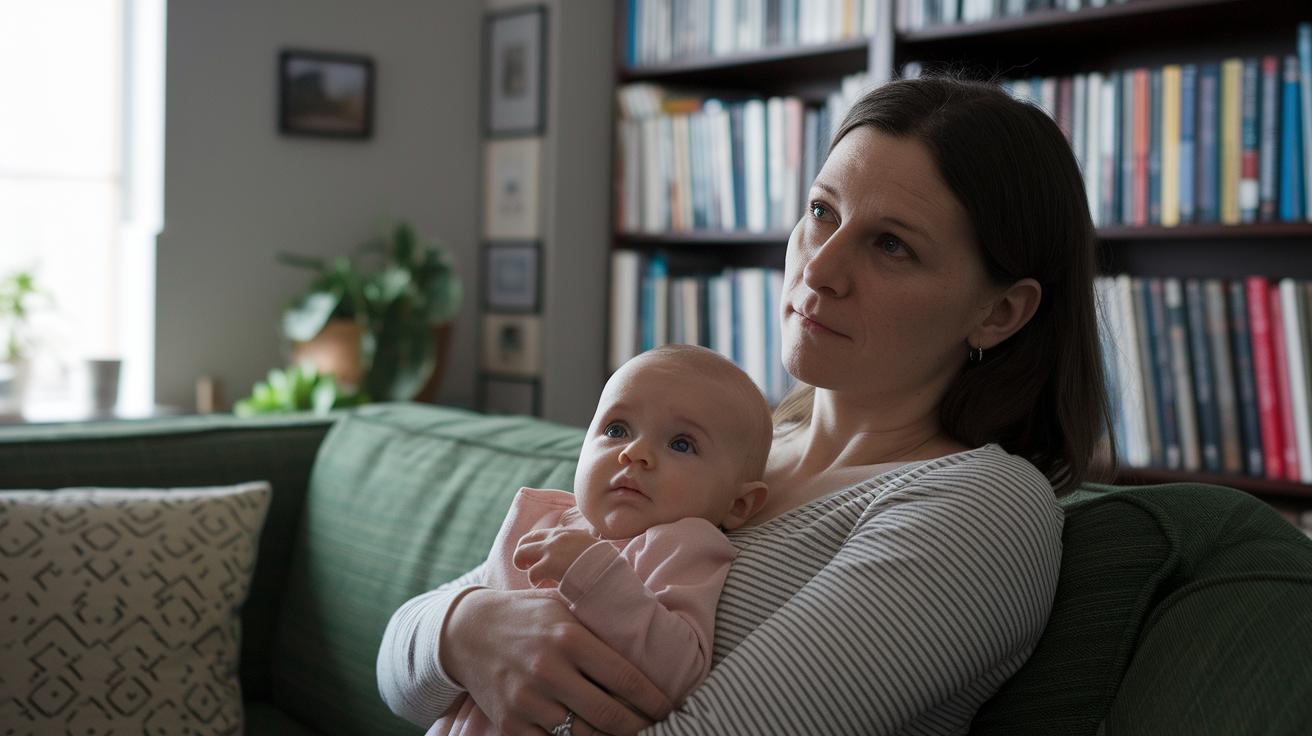
The PSI Research & Impact team leads studies that help us understand mental health after birth. They collect findings from various research fields to bring clear insights into the challenges moms may face after childbirth. Their work guides health professionals in tailoring everyday care and offers families trusted advice.
If you’re curious about the latest treatment labs and team-based training methods, there are many ongoing programs and expert sessions available. These trainings are designed to build thoughtful skills in maternal care counseling, helping experts give caring and practical support exactly when it matters most.
One event to watch is the 38th Annual PSI Conference, set for July 9 to 13, 2025, in New Orleans. It offers a friendly space to share fresh research, attend workshops, and join networking sessions. Early Bird registration is open until April 11, 2025. This conference gives you a hands-on feel for the newest science, sparking meaningful conversations in our community.
Healthcare providers and interested parents can tap into these chances to learn and grow. These events bring together a caring network, making it easier to support moms in their journey toward better mental health.
Final Words
In the action, mothers can find guidance through essential support systems that include expert therapy, community connections, self-help tools, and clear crisis hotlines. The article outlined varied treatment options and real-world programs designed to ease the challenges of early motherhood.
With resources like these at hand, every step feels supported and hopeful. Accessing post-birth mental health resources makes it possible to build a happier, healthier life for both mom and baby.
FAQ
How to help postpartum mental health?
The postpartum mental health can be improved by connecting with crisis support, professional counseling, local support groups, and online self-help tools. These options help moms share their experiences and feel understood.
What resources and professionals are available for postpartum depression?
The available resources for postpartum depression include crisis helplines, directories of mental health specialists, local care providers, and peer mentor programs. These supports offer both immediate help and ongoing assistance for new moms.
How long does it take to heal mentally after giving birth?
The healing process after giving birth can vary for each person. Many moms notice improvement over weeks to months, with supportive counseling and community connections playing key roles in recovery.