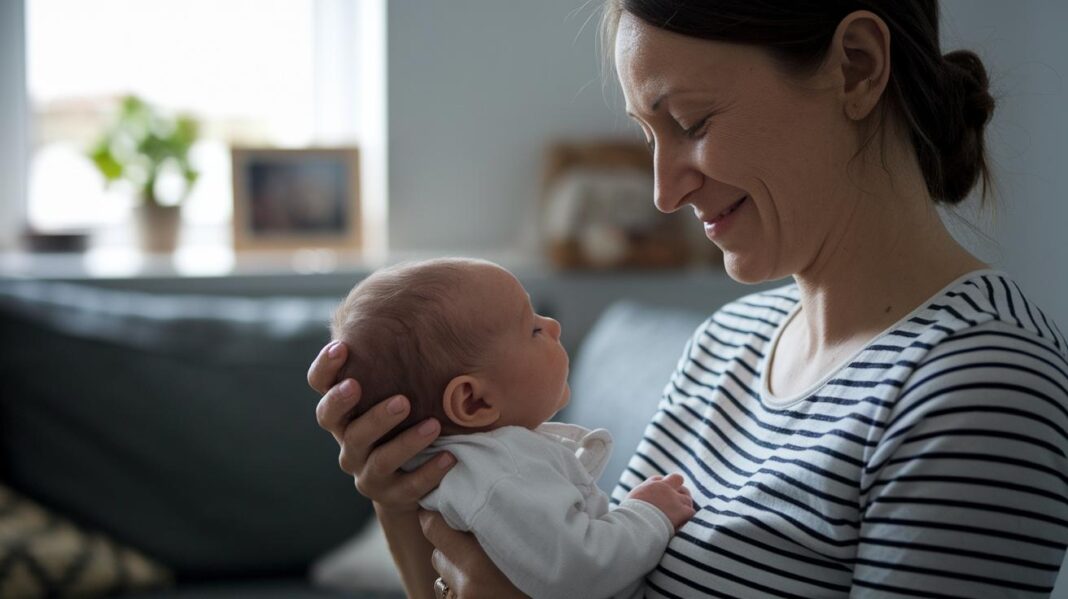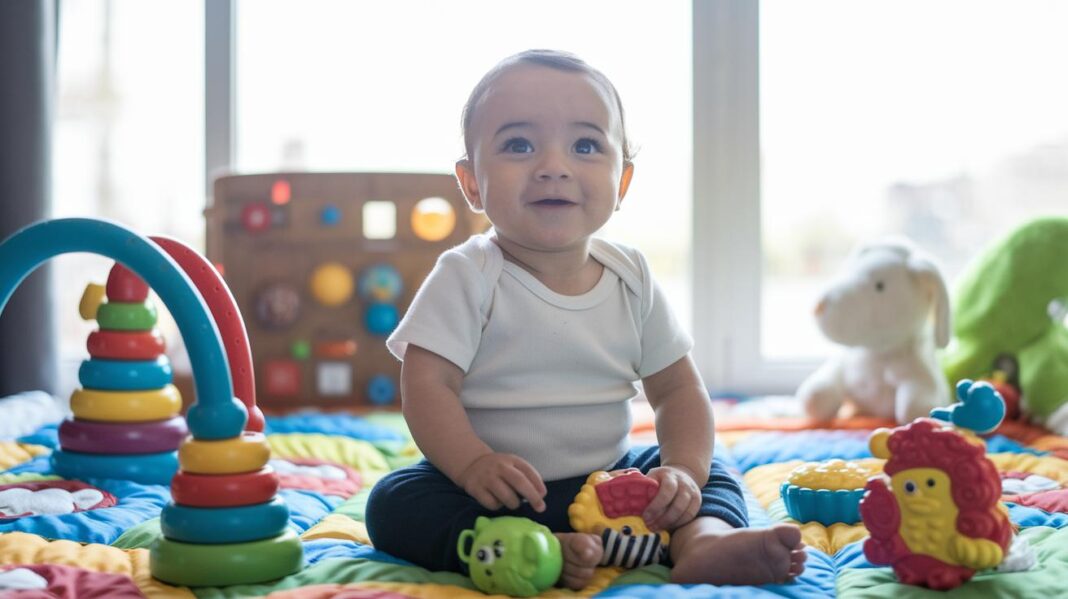
Have you ever noticed how your baby's first smile can feel like a hint of all the wonderful things ahead?
Watching them grow is simply amazing. Each little milestone, from that first social smile at two months to the curious reach at six, helps build a strong bond and sharpens their learning.
Every small achievement really does count in your baby's journey.
Keep reading, and you'll see how each early step paves the way for a lifetime of growth and discovery.
Infant Developmental Milestones Review: Comprehensive Timeline and Benchmarks
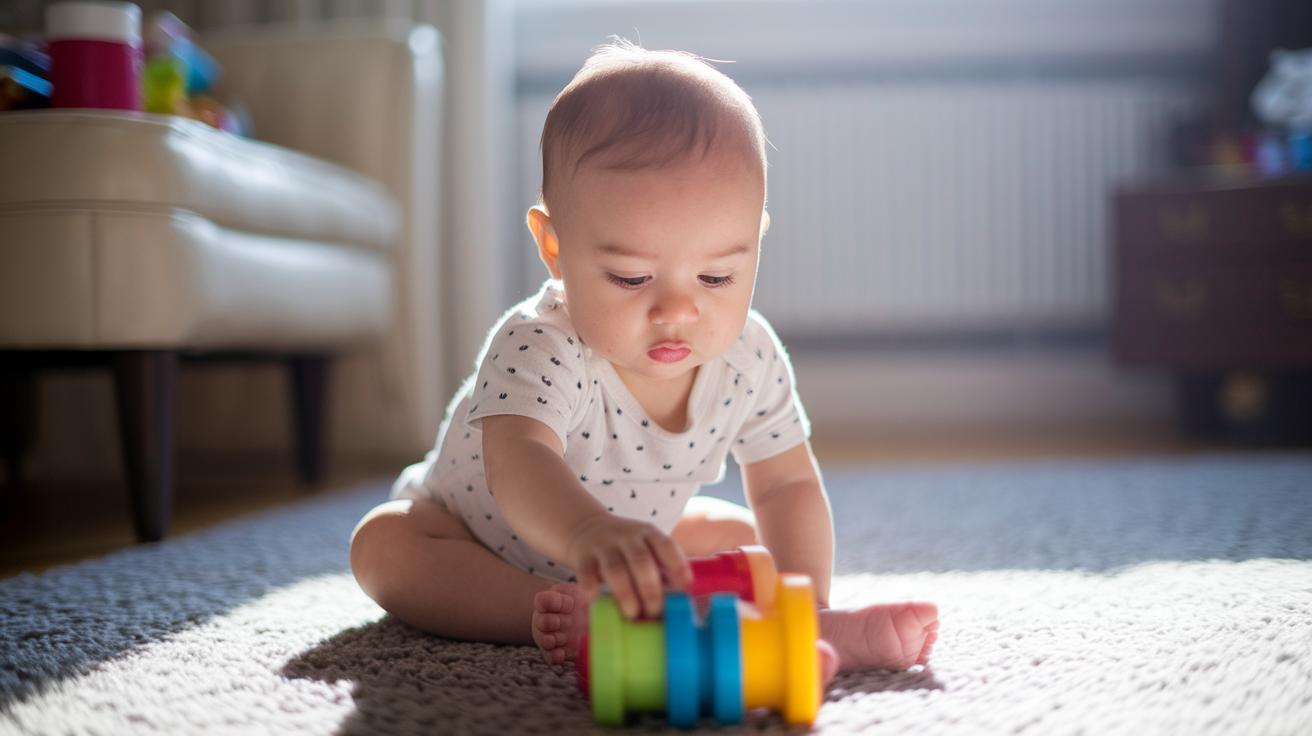
By two months, many little ones start to share their very first social smiles and can follow moving objects with their eyes. Imagine your baby gazing up at a bright, colorful mobile, those smiles sparkle like little bursts of connection and signal the start of social awareness.
At four months, babies begin to explore the world with sounds, cooing happily and opening their mouths when they are hungry. Picture a tender moment when a baby coos excitedly as a caregiver offers a small spoonful; it’s not just about hunger but also the early steps of a gentle conversation. Doctors note that these actions help babies grow both in their ability to interact and in learning about the world through their senses.
By six months, you may notice your baby’s hand-eye coordination getting stronger. They might start reaching for toys, rolling over, or even sitting with a little support. Think of that tiny hand reaching out for a soft toy, as your baby practices moving it between their hands, an important step toward more detailed movements and skills.
By nine months, many babies become little explorers. They start searching for objects they have dropped, showing that they remember and understand cause and effect. And by twelve months, simple tasks like putting small items into bigger containers show they are ready for more interactive and organized play.
At every step, keeping your baby safe is key. As they become more curious and mobile, a little extra watchfulness makes sure they stay out of harm’s way. Doctors often keep an eye on these milestones during check-ups that start as early as one month, with detailed milestone tracking beginning at two months.
Physical Skill Evaluation in Infant Developmental Milestones
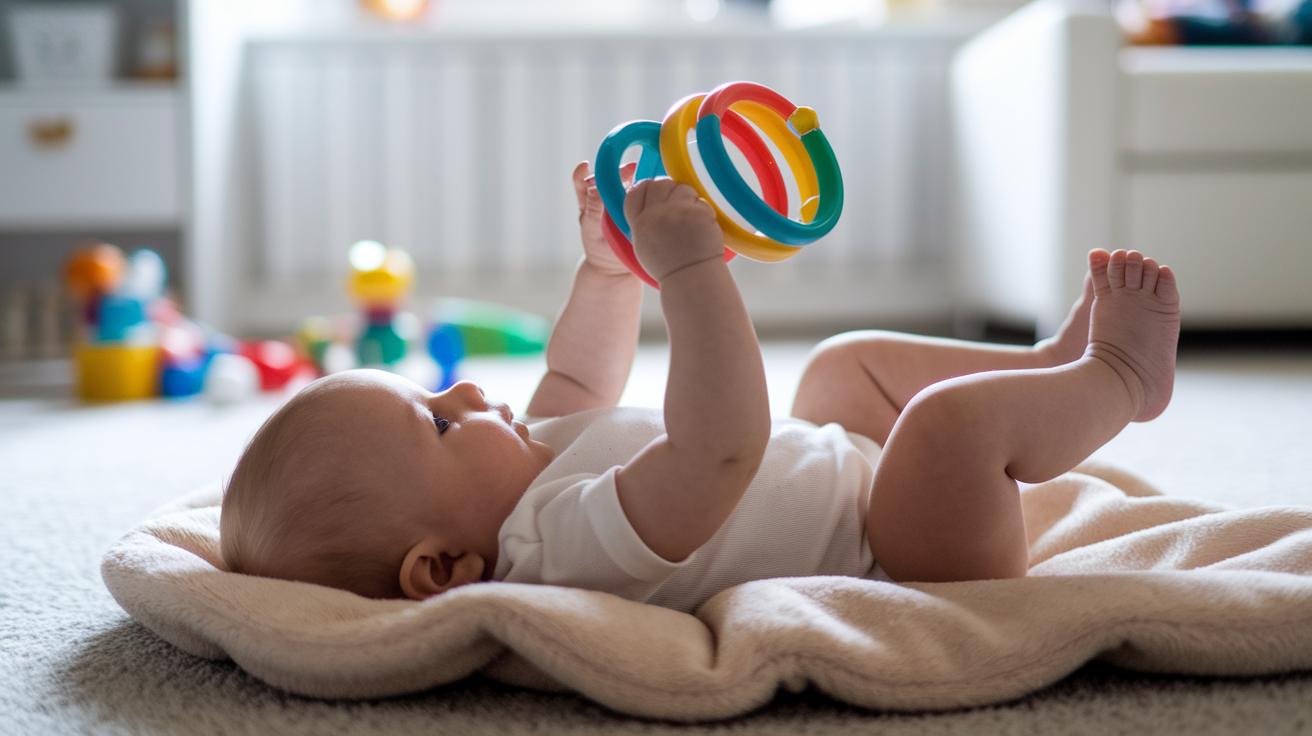
When your baby spends time on their tummy, take a moment to notice how well they can hold up their head. Picture this: your little one lying on a soft blanket, lifting their head to get a closer look at a bright, cheerful toy. This simple move shows early neck strength and helps set the stage for later skills.
By the time your baby is around six months old, you'll see them shift from just reaching out to grasping objects tightly. Keep an eye on how they pass items from one hand to the other. It's a sweet sign that their hand movements are getting more steady and intentional.
Between six and nine months, it’s helpful to watch for small differences in core strength. Instead of just checking off milestones, see how your child sits while casually reaching for nearby toys. Each baby moves at their own pace, whether they’re doing little leg lifts or trying out crawling during playtime.
From nine to twelve months, it's a great time to notice new steps like cruising by holding onto furniture and using a pincer grasp. For example, watching your child pick up a tiny piece of cereal shows that their fine motor skills are becoming more precise.
A little tip for busy parents: Design a safe, fun space where your baby can enjoy plenty of tummy time and practice these new skills under your watchful eye.
Cognitive Achievement Review Across Infant Developmental Milestones
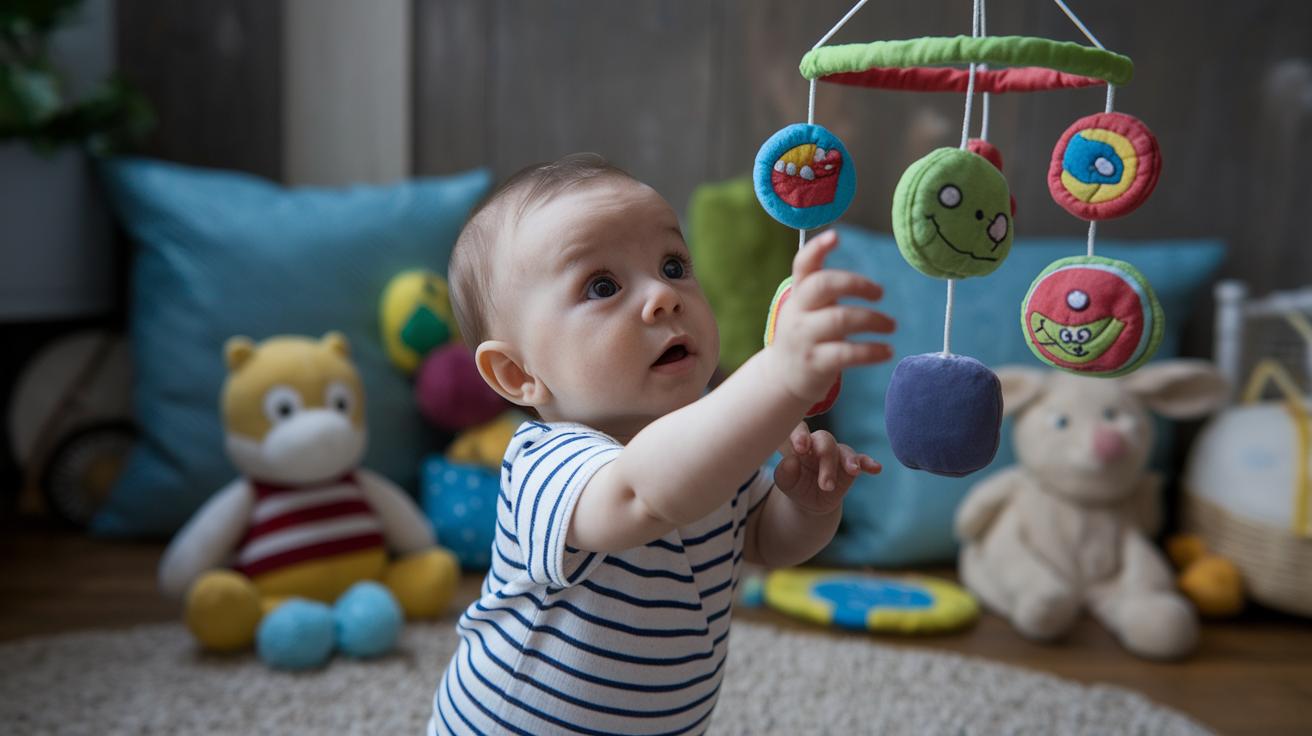
From day one, babies begin showing a spark in their minds. They listen closely to familiar voices and keep their eyes on a caregiver’s face. Think about how a baby turns their head when they hear a loved one call, it’s a small moment that hints at big learning to come. In those early months, they only track moving objects for a few seconds, but that simple act paves the way for more focused skills later.
Between two and four months, you might see your little one reacting to sounds by turning their head toward gentle clapping or a soft melody. Imagine watching your baby pause for a moment to look at a mobile swaying, while a pleasant sound fills the air. This sweet reaction is a gentle step toward learning language and refining how they watch the world.
Around six months, delightful babbling fills the air. Babies start playing with vowel and consonant sounds, almost like they’re testing the waters of speaking. Then, between nine and twelve months, these tiny learners begin recognizing their own name and even start waving hello. They also get a taste for problem-solving, like finding a toy hidden under a soft blanket.
For more insights, check out our detailed guide on language development milestones.
Social-Emotional Progress Tracking in Infant Developmental Milestones

By about two months old, many babies start to smile when they see a familiar face. Imagine how heartwarming it is when your little one lights up with a gentle smile as you enter the room, it's one of those early signs of a deep connection.
Between four and six months, your baby’s playful moments become even more delightful. They might burst into giggles and make cute sounds when something funny happens or when you give a little tickle. These precious moments show that your baby is learning to express feelings and connect with others.
From six to nine months old, you may notice your baby feeling a bit uneasy around strangers. They might cling to a familiar hand and look carefully at new faces. This is a time when your baby starts to show clear preferences for the people they trust and feel safe with.
Between nine and twelve months, babies begin to express themselves with gestures like pointing and reaching. These actions help them communicate what they like or dislike, whether it’s a favorite toy or a fun activity. You might also notice them self-soothing by thumb-sucking or cuddling a soft blanket when they need a bit of comfort.
Delay Signal Identification in Infant Developmental Milestones

Sometimes, as you watch your baby grow, you might notice that they aren't meeting some milestones as early as you expected. If your little one isn’t showing a social smile by 4 months or isn’t holding their head up steadily by 6 months, it might be a good idea to chat with your pediatrician. A simple check can help get things on track if any extra help is needed.
Here are some little warning signs to keep an eye on:
- No social smile by 4 months.
- No head control by 6 months.
- Lack of babbling sounds by 9 months.
- Not sitting with help by 8 months.
- Showing either consistently stiff or unusually floppy muscle tone.
Remember, every baby grows at their own pace. Regular check-ups give you a chance to see how your baby is doing and share your notes with your doctor. Keeping track of these small changes can really make a difference in getting the right support at the right time.
Tracking Progress Methods for Infant Developmental Milestones
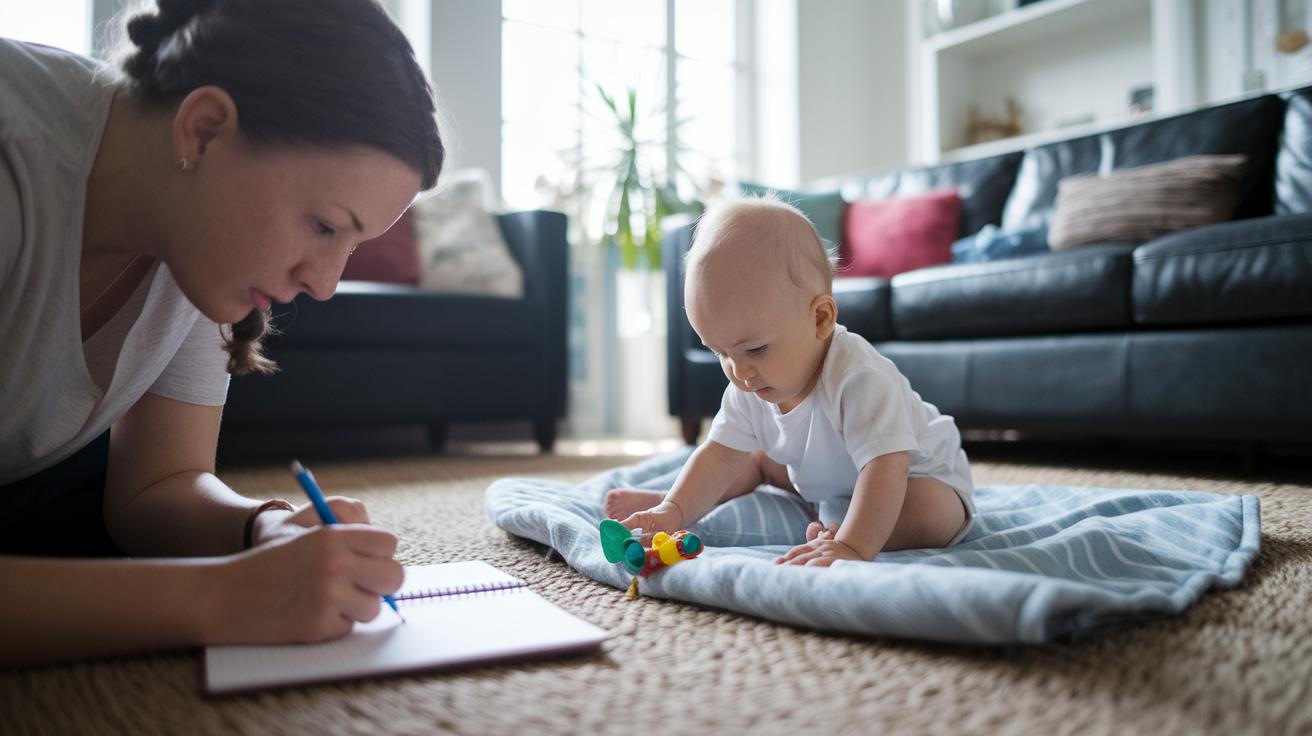
Doctors use checklists during visits at two, four, six, nine, and twelve months to see how your baby is growing. You can add your own special touch by jotting down your child’s changes at home. One cozy idea is to keep a milestone journal where you write down each new skill as it happens. For example, you might note, "This morning, my baby reached for and grabbed a toy for the first time," which clearly shows progress.
Another handy trick is to use mobile apps to record these milestones. These apps work like digital checklists that let you capture tiny details as they occur. When you mix these everyday notes with your doctor’s evaluations, you build a complete picture of your baby’s development.
Here are some tips to help with your tracking:
| Observation Area | What to Note |
|---|---|
| Playtime & Feeding | Simple behaviors and new sounds |
| Tummy Time | Movements and how long they hold their head up |
| Everyday Moments | Gestures or little actions you notice |
Mixing the insights from professionals with your personal notes can help support steady progress for your little one. Have you ever seen how a small note can turn into a big memory? It’s a sweet reminder to celebrate those everyday wins.
Final Words
In the action, the article clearly outlines how infants grow in physical skills, language chatter, and social smiles. It reviews developmental milestones like holding the head up and first steps, along with understanding key cognitive and social-emotional behaviors while noting when to check in with a pediatrician. Parents can use simple tracking tools and trusted benchmarks to mark these changes. This review of infant developmental milestones is designed to bring reassurance and inspire confidence, leaving you with hope and positive steps for the road ahead.