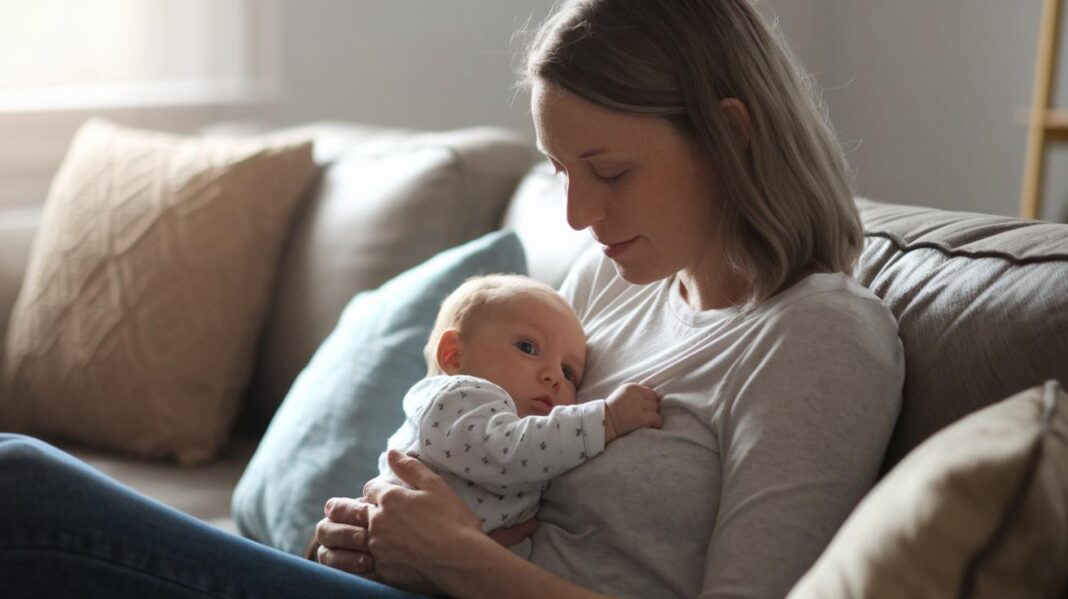
Have you ever felt like worries just overwhelm you after having your baby? You’re not alone. Many moms experience racing thoughts that make everyday life feel extra tough. In this chat, I’d like to share some real tips to help ease that anxiety and bring a sense of calm back to your day.
We’re talking about simple changes, like creating a small routine or carving out just a few mindful moments for yourself. It might seem like a little thing, but these gentle shifts can help you feel more in control. Let’s explore these ideas together, just like chatting with a close friend.
Tips for Overcoming Postpartum Anxiety: Embrace Calm
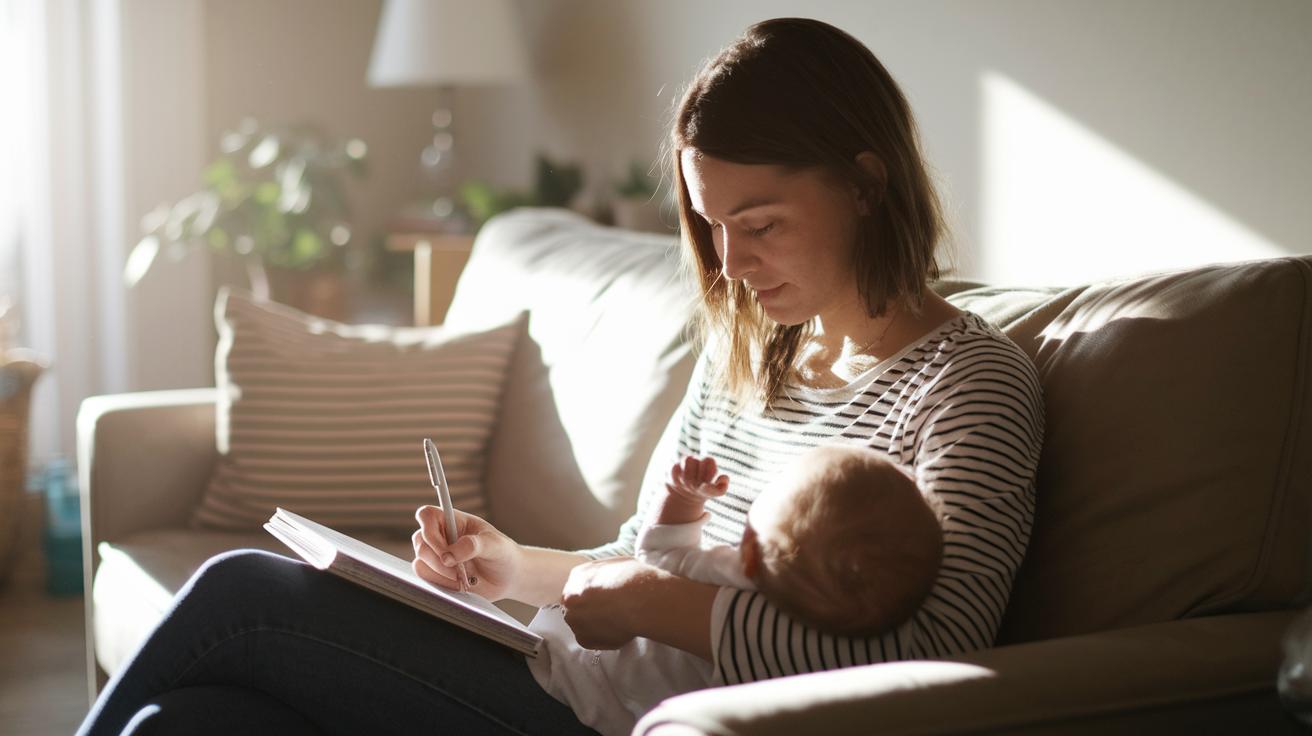
Postpartum anxiety can feel like a heavy wave of worry and racing thoughts that makes even simple tasks seem overwhelming. Unlike the baby blues that usually fade in a couple of weeks, this anxiety might stick around for months. One cozy trick is to set up a daily routine. For instance, start your day by getting dressed, even if you're staying home, to gently remind your mind that it's time to get going.
Taking care of yourself every day is a wonderful way to ease this anxiety. Try fitting in a short nap when you’re feeling tired, enjoy meals that have proteins, whole grains, and healthy fats, and remember to drink plenty of water. Sometimes even a quick five-minute break with a little snack or a glass of water can help you feel a bit better.
It also helps to add some gentle movement to your routine. A short walk, a little yoga, or even some light stretching can do wonders. Stepping outside for a moment and soaking up some natural light might lift your mood and help your sleep cycle settle. Imagine taking seven minutes for a brisk walk, feeling the cool breeze and the warm sunlight on your skin, a simple act that can brighten your day.
And don’t forget about a few minutes of mindfulness. Whether it is deep breathing, a bit of meditation, or jotting down your thoughts, these moments can make a real difference when intrusive worries creep in. If things ever feel too much to handle, talking to a healthcare professional can be a really helpful next step to bring back your calm.
Recognizing Postpartum Anxiety Symptoms and Triggers
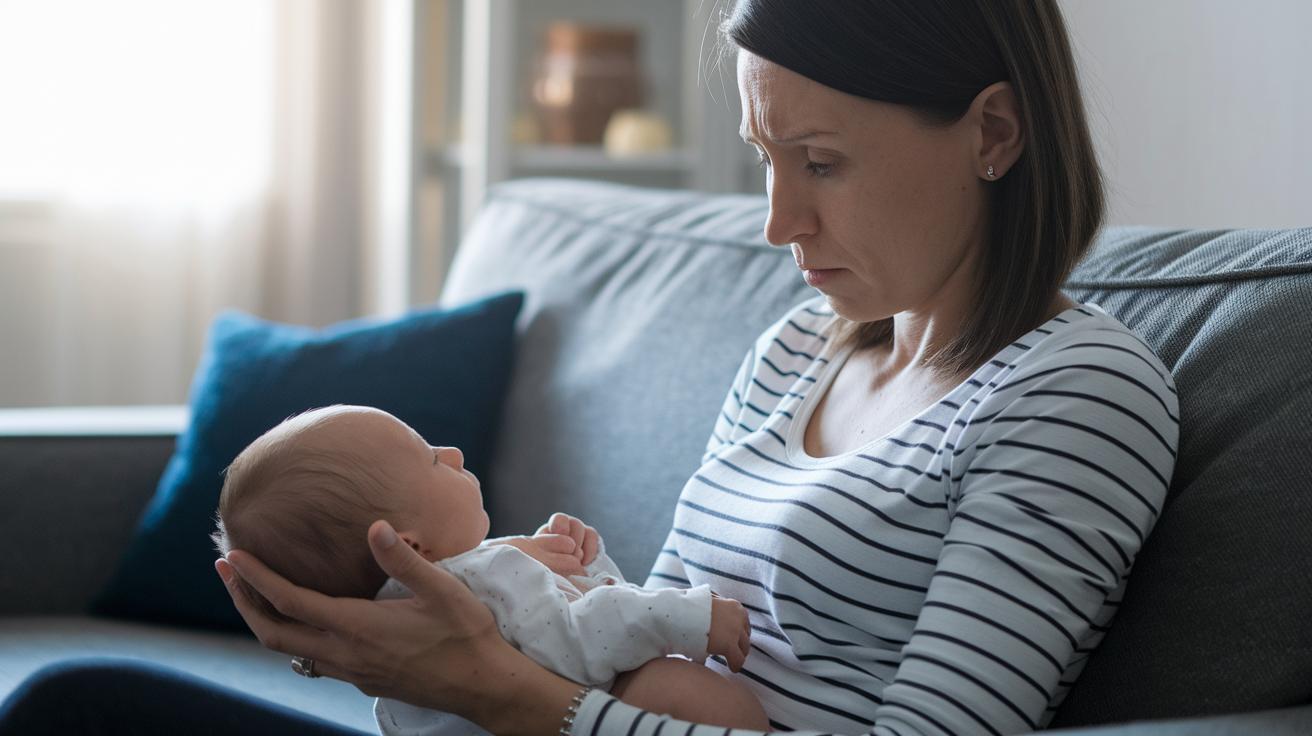
Postpartum anxiety can creep in, affecting both your feelings and your body. Many new moms share that they feel a constant, uneasy worry about their baby's safety, almost like a cloud of fear that never lifts. You may catch yourself fretting over little details, even while the baby sleeps peacefully. Imagine your heart racing every time your baby stirs, like a car engine unexpectedly revving up.
Sometimes, you might notice physical signs like shortness of breath or muscles that feel tight and tense all day long. Unlike the baby blues that usually dissolve after a couple of weeks, postpartum anxiety can hang around for months, or even into your toddler years. It's important to see if worry is taking over, rather than just feeling sad. Deep sadness and feelings of worthlessness are more reflective of postpartum depression.
Triggers can be simple yet very overwhelming. For example, sleep deprivation, challenges with feeding, and the ups and downs of hormonal changes often light the fuse. Noticing these signs is the first step toward feeling better. If you recognize them, consider reaching out for support. It might mean the start of finding practical ways to bring comfort to both you and your baby.
Self-Care Techniques for Postpartum Anxiety Relief

-
Try setting up a room that feels calm and cool, with dim lights and quiet sounds. A quick 20-minute nap can be like hitting a mini reset button on a busy day!
-
Fuel your body with balanced meals that include protein, whole grains, and healthy fats. Don’t forget to drink plenty of water. A light, nourishing snack might be just what you need to keep your energy steady and boost your mood.
-
Enjoy skin-to-skin moments or gentle cuddle sessions with your baby. These warm embraces release a natural feel-good hormone that calms your nerves and brings you closer together.
-
Give your eyes a break from screens. Taking a brief moment to close your eyes and focus on your breath can feel like a tiny mental vacation amid your busy day.
-
Make sure to carve out some time for activities you love, whether it’s reading, listening to calming music, or indulging in a favorite hobby. Even a minute with your favorite book can offer a peaceful escape.
For more helpful self-care tips, check out Maternal Self Care Routines for Busy Moms (https://womensconference.org?p=10988).
Mindfulness and Relaxation Exercises for Postpartum Anxiety
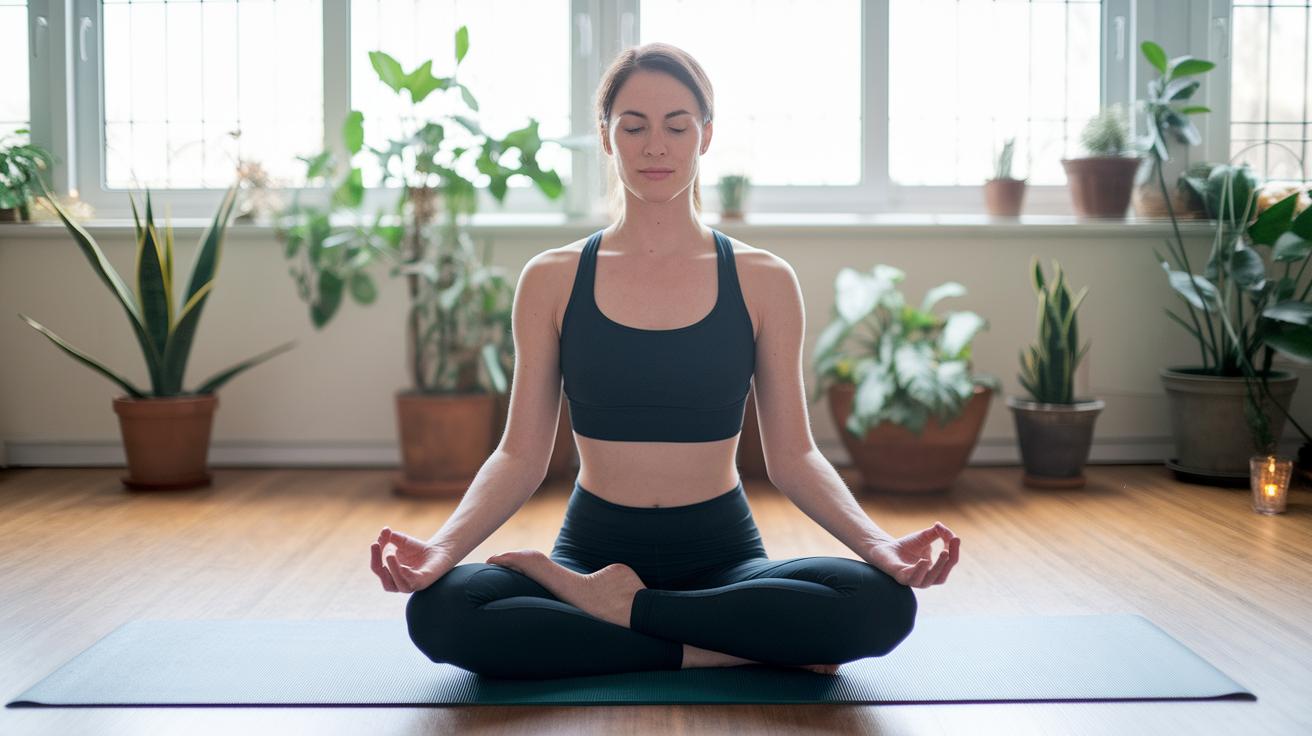
Deep Breathing Exercises
Try the 4-7-8 breathing method to soothe a racing heart and clear your mind. Breathe in deeply through your nose for four seconds, hold it for seven seconds, and then exhale slowly through your mouth for eight seconds. It feels a bit like pressing a reset button when intrusive thoughts bother you. This simple method can help slow everything down.
Progressive Muscle Relaxation
Start by gently tensing a group of muscles for about five seconds, then let them go for ten seconds. Begin with your hands, move on to your shoulders, and finish with your legs. This little exercise eases tight muscles and brings a sense of calm to your body and mind. It’s like finally letting go after a long day of worries.
Guided Visualization
Close your eyes and picture a quiet, soothing place like a peaceful beach or a gentle garden. Imagine the sound of soft waves or feel a cool breeze rustling through trees. Let your mind wander here; it’s your own special place to retreat whenever you feel overwhelmed. This mental escape can be just the comfort you need.
Gentle Postpartum Yoga
Try some simple yoga poses that combine slow, careful movements with deep breathing. These poses help ease body tension and lift your mood, much like a gentle stretch that reminds you to feel grounded. It’s a way to connect with your body and find a bit of calm in your day.
Daily Routine Habits to Support Postpartum Anxiety Management

A regular routine can really help ease your postpartum anxiety. When your day has a steady flow, you don’t have to make tough decisions all the time, this simplicity gives you comfort, especially when balancing your own care and caring for your newborn. Experts agree that sticking to a routine can calm those anxious feelings and boost your overall sense of well-being.
Imagine your day filled with small, comforting moments: a light morning walk, a quiet nap, and shared family meals that bring everyone together. Here’s one way to set up your day:
| Time of Day | Activity |
|---|---|
| Morning | Enjoy a 30-minute walk plus a healthy breakfast |
| Afternoon | Take a nap and attend to baby care in a calm, structured way |
| Evening | Sit down for a family dinner and a soothing wind-down routine |
This kind of schedule works like little anchors during your day, each one helping to lift your mood and bring clarity when things feel hectic. It’s a simple way to build stability and manage anxiety, giving you the room to feel both supported and at ease.
Professional Support and Treatment Options for Postpartum Anxiety

Many new moms find that Cognitive Behavioral Therapy (CBT) is a great way to manage postpartum anxiety. It helps you notice anxious thoughts as they come and gently shift your focus. This approach is often the first choice because it offers simple, practical tools to ease anxiety day by day.
Sometimes, if things feel really overwhelming, medications might be needed too. For example, SSRIs can help slow down racing thoughts and lift your mood. And on rare occasions, doctors might use benzodiazepines for a short time to calm sudden, intense anxiety while waiting for SSRIs to work. If you're breastfeeding, your doctor will carefully decide what’s best for both you and your baby.
There are also many options that don’t involve medication. Many moms share that online support groups or chatting with a peer mentor can ease feelings of isolation. Plus, postpartum classes, offered in both English and Spanish, can be a welcoming place to learn, ask questions, and share your experiences in a caring environment.
If ever your thoughts feel too heavy, please reach out for help right away. In an emergency, call local services or the National Emergency Hotline. And remember, professional counseling services like Waypoint Counseling & Maternal Wellness PLLC really understand what you're going through and can offer expert, compassionate support tailored just for postpartum anxiety.
Maintaining Postpartum Mental Wellness for Long-Term Anxiety Prevention

Keep track of your mood each day by noting how you feel and any changes in your sleep or exercise. For example, you might jot down: "After a short walk today, I felt a bit lighter." It’s a simple step that can help you notice little shifts over time.
Take a little time each week to look over your notes or mood tracker. This helps you see patterns and know when you might need a little extra care. One mom even used a checklist to record her mood, activities, and what helped her feel calm.
Every month, try comparing your recent weeks. Some moms find it helpful to use a table like the one below to see how they are doing. You may start to notice small improvements that keep you motivated.
| Date | Mood Rating | Note |
|---|---|---|
| April 1 | 7/10 | Good sleep and enjoyed a nature walk |
| April 8 | 5/10 | Felt tired; skipped morning exercise |
Using these records for a monthly check-in makes it easier to set clear mental health goals and see how you're progressing. One mom shared, "After reviewing my notes each month, I noticed better sleep and improved mood scores once I started adding a little meditation to my routine."
Final Words
In the action, we covered practical methods to ease postpartum anxiety. We talked about recognizing symptoms, embracing self-care, and tapping into mindfulness techniques. We even looked at how establishing a steady routine can help manage stress. Each section provided clear, evidence-based strategies, including tips for overcoming postpartum anxiety, to guide you through moments of worry. It’s all about creating a supportive daily rhythm that nurtures both you and your baby. Keep moving forward with small, positive steps.
FAQ
How do you treat postpartum anxiety?
Treating postpartum anxiety involves a mix of self-care routines, mindful breathing, gentle exercise, and sometimes professional therapy. These strategies work together to quiet intrusive thoughts and help you feel more at peace.
How long does postpartum anxiety last?
Postpartum anxiety may last for several months, which is much longer than baby blues that generally fade within two weeks. Each experience is unique, so reaching out for help can make a big difference.
What is the 3-3-3 rule for anxiety?
The 3-3-3 rule guides you to name three things you see, three sounds you hear, and three objects you can touch. This simple exercise shifts your focus and helps break the cycle of anxious thoughts.