Have you ever thought about how the foods you eat while pregnant can shape your baby's future? New research shows that simple changes in your diet and stress levels during pregnancy (the time before your baby is born) can really make a difference for your little one.
Imagine it like this: small adjustments now can lead to big, positive shifts later on. In this article, we'll chat about the science behind what you eat and how it helps your baby's growth and long-term health. Each choice you make builds a stronger, healthier start for your child.
Scientific Overview of Maternal Nutrition and Fetal Programming

Fetal programming means that what happens during key moments in pregnancy can shape a baby's health for years to come. Back in 1995 at the University of Southampton, researchers found that not getting enough nutrition during the middle to later parts of pregnancy could slow a baby's growth and lead to health issues down the road. It’s a bit like tweaking a recipe, small changes during pregnancy can really influence a child’s long-term well-being!
Scientists now understand that it’s not only about food. A mother’s stress, mental health, and even exposure to everyday toxins can shape how a baby’s brain and body develop. When stress kicks in, it can wake up the immune system and send out chemicals that may affect the growing baby. At the same time, a good diet helps form healthy organs and guides how the body uses energy, which matters for everything from heart health to everyday metabolism.
Maternal nutrition is one of the few areas moms have control over during pregnancy. Whether it’s choosing balanced meals or finding little moments to relax, every decision builds a strong start for a baby’s organ development and future health. And isn’t it interesting to think that before we had modern nutrition science, few would have imagined how deeply a mom’s diet could influence her child’s life?
Epigenetic Mechanisms Linking Maternal Diet to Fetal Programming

When a mom changes what she eats or feels more stressed, it can affect how her baby's genes work even before birth. Think of it like setting up a machine, how it runs later depends on the settings you pick now. In this case, those settings are tiny markers and switches on our DNA that help turn genes on or off.
A baby's growing system can be shaped by a few natural processes. For example, extra stress hormones from a mom, like cortisol, can cross the barrier of the placenta and change how genes work. Likewise, messages from the immune system, such as IL-6, can adjust these genetic instructions. Even nutrients from the foods a mom chooses affect little molecules called miRNAs. These molecules help fine-tune the body’s metabolism without changing the DNA itself.
Here are five main epigenetic processes that maternal factors can influence:
| Process |
|---|
| DNA methylation alterations |
| Histone acetylation/deacetylation shifts |
| miRNA expression changes |
| Long non-coding RNA regulation |
| Chromatin remodeling events |
These processes don’t change the actual genetic code, instead, they change how the code is read. When these adjustments happen, they give the developing baby a special blueprint that can affect health well into later life. It’s a gentle reminder of how a mom’s everyday choices can be deeply connected to her baby's future well-being.
Role of Placental Nutrient Transfer in Fetal Programming
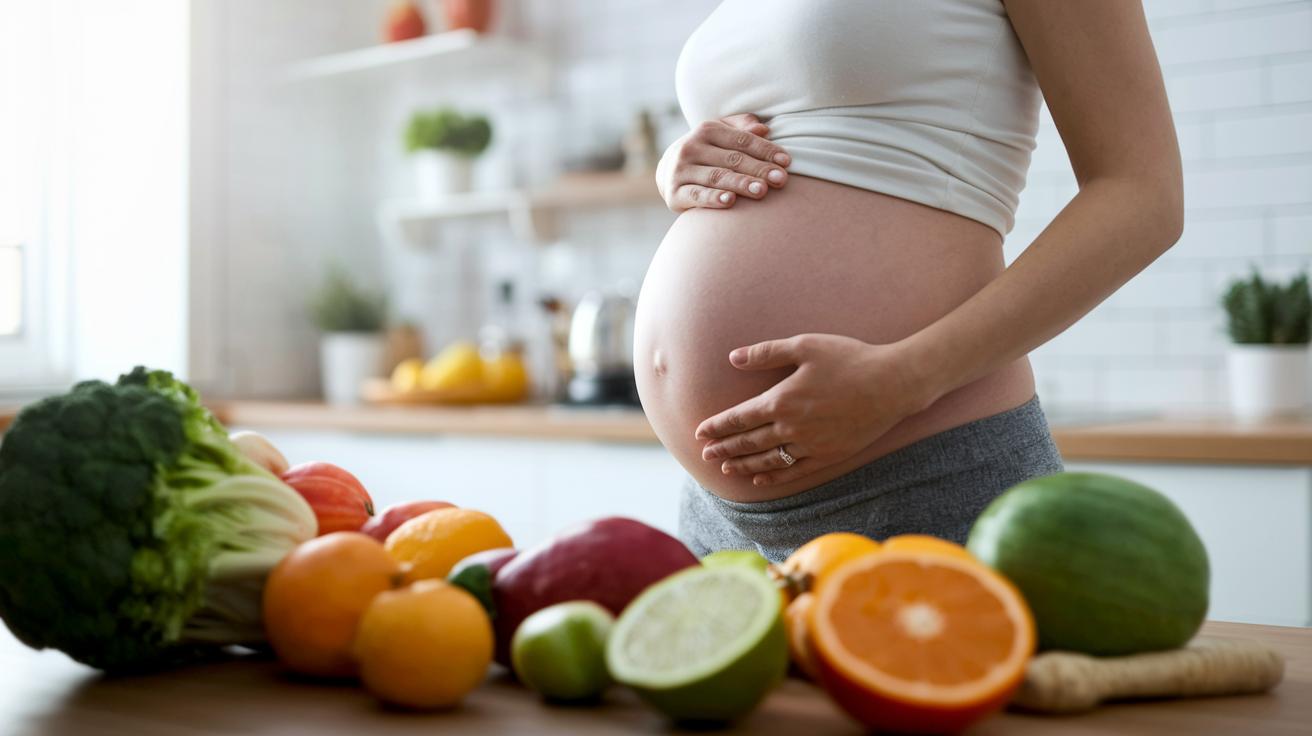
The placenta acts like a life-support system for your baby. It doesn’t just bring oxygen, it also supplies key nutrients such as glucose, amino acids, and fatty acids, which help build tissues and support growth. Think of placental transporters as the gentle couriers that set up your baby’s nutrient system.
At the same time, the placenta works as a protective barrier. It uses an enzyme called 11βHSD2 (which helps lower stress hormones) to calm down any extra cortisol from the mother. This way, your baby develops in a stable, nurturing environment, free from too much stress.
When you feel stressed, your body releases hormones like noradrenaline and adrenaline that can slow down blood flow to the placenta. This reduced flow means fewer nutrients reach your baby, which might interrupt the careful balance needed for proper growth.
The placenta also adapts to changing conditions inside the womb. It sets up a kind of long-term plan that not only supports your baby’s immediate health but also influences important body systems for life. In this gentle but powerful way, the placenta helps shape how your child’s body will work long after birth.
Impact of Maternal Micronutrient Intake on Fetal Organ Development

Moms, what you eat during pregnancy really shapes your baby's developing organs. Take folate, for example, adding just 400 µg every day can lower the chance of neural tube defects by about 70%. It’s like a tiny act of care that brings a big reward.
Iron is another must-have nutrient. When a mom doesn’t have enough iron, she might develop anemia, which means the baby’s brain might not get all the oxygen it needs, and even birth weight can be affected. And then there's vitamin D. A daily dose of about 600 IU helps build strong bones and supports the immune system.
When you mix in balanced protein (around 1.1 g/kg/day) and healthy fats like DHA and EPA from omega-3s, it’s like giving your baby a solid foundation for strong muscles, organs, and a bright brain. Taking a good prenatal vitamin that covers folate, iron, and vitamin D means you’re setting the stage for your baby’s healthy start. Even tiny gaps in these nutrients can change how well their organs and brain grow over time.
Maternal Dietary Patterns and Neonatal Outcomes in Fetal Programming
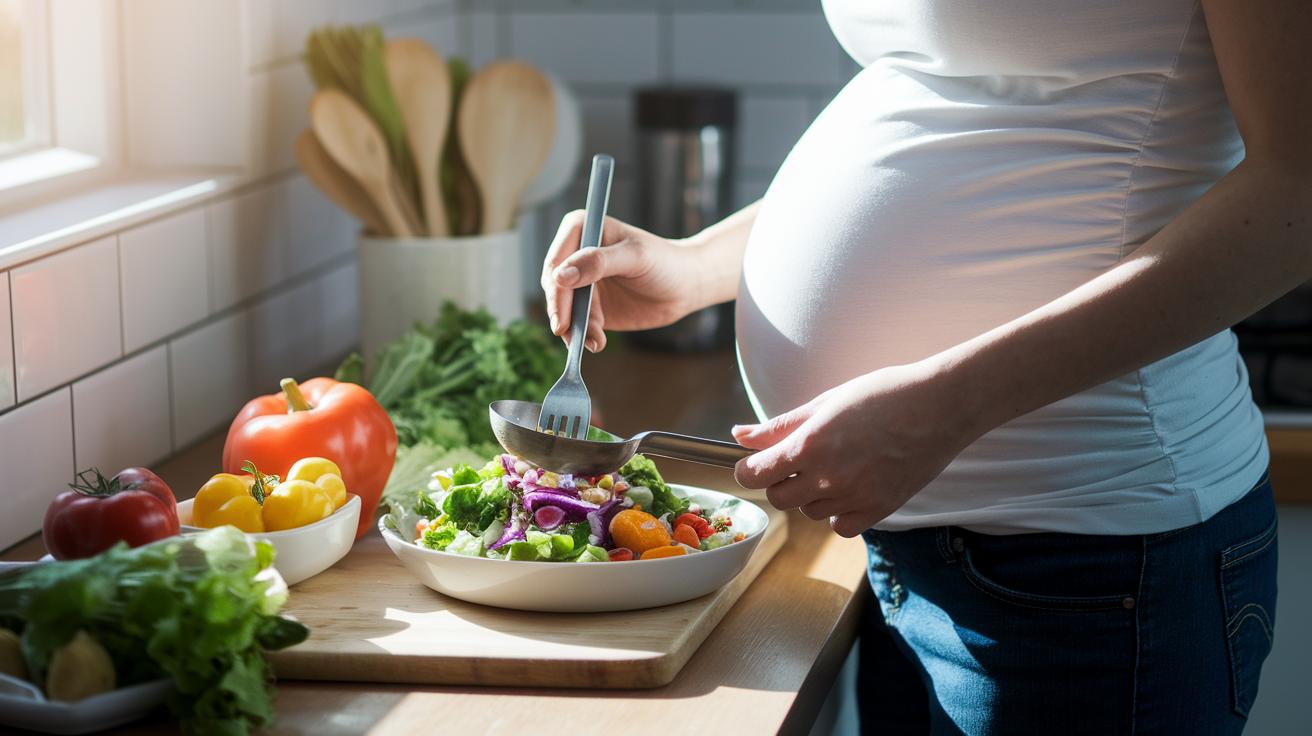
When you go about your day, every bite you take can help shape your baby’s early health. The foods you choose support your little one’s growth and development. Studies have found that meals high in fat and sugar during pregnancy might change how your baby’s liver works and how their body handles fats. For example, a study from October 18, 2021, discovered that these eating habits could alter fat metabolism, so your baby’s body might deal with fats differently later on.
If your diet doesn’t give you enough energy or nutrients, your baby may be born smaller. Babies born with low weight sometimes face a higher risk of issues like blood sugar or blood pressure problems as they grow up. On the flip side, enjoying a Mediterranean-style diet, with plenty of fresh fruits, vegetables, whole grains, and healthy fats, can support a healthy birth weight and boost their future metabolic health.
Taking the time to plan your meals creates a warm, nurturing environment for your baby’s early growth. Focusing on good food during pregnancy helps the baby’s body make the most of the nutrients, setting the stage for a healthier life right from the start.
Long-Term Health Implications of Gestational Nutritional Programming

Barker’s idea tells us that if a baby doesn’t get enough good food while in the womb, it can affect them well into adulthood. A low supply of nutrients during these important times can set up challenges with the heart, like a higher chance of getting heart disease or type 2 diabetes later. Think of it as laying out a blueprint that might lead to health hurdles down the road.
When a mom has extra weight, things can get even trickier. Extra weight can change the way nutrients balance in her body, and that shift might influence the little one in unexpected ways. Research shows that kids born to moms with extra weight may be more likely to face issues like metabolic syndrome, insulin resistance, and high blood pressure. These problems aren’t just separate things; they often hint at a broader change in how the body handles energy.
Even more, when nutrition isn’t quite on track during pregnancy, it can reach all the way down to a baby’s genes. The signals from a diet that isn’t balanced might cause small but important changes in gene expression, what experts often call epigenetic modifications. These tiny adjustments can slowly add up, leading to long-term health challenges. It’s a bit like making a small change in the plans of a home that later leads to big differences in how everything works.
Evidence-Based Prenatal Nutrition Guidelines and Interventions
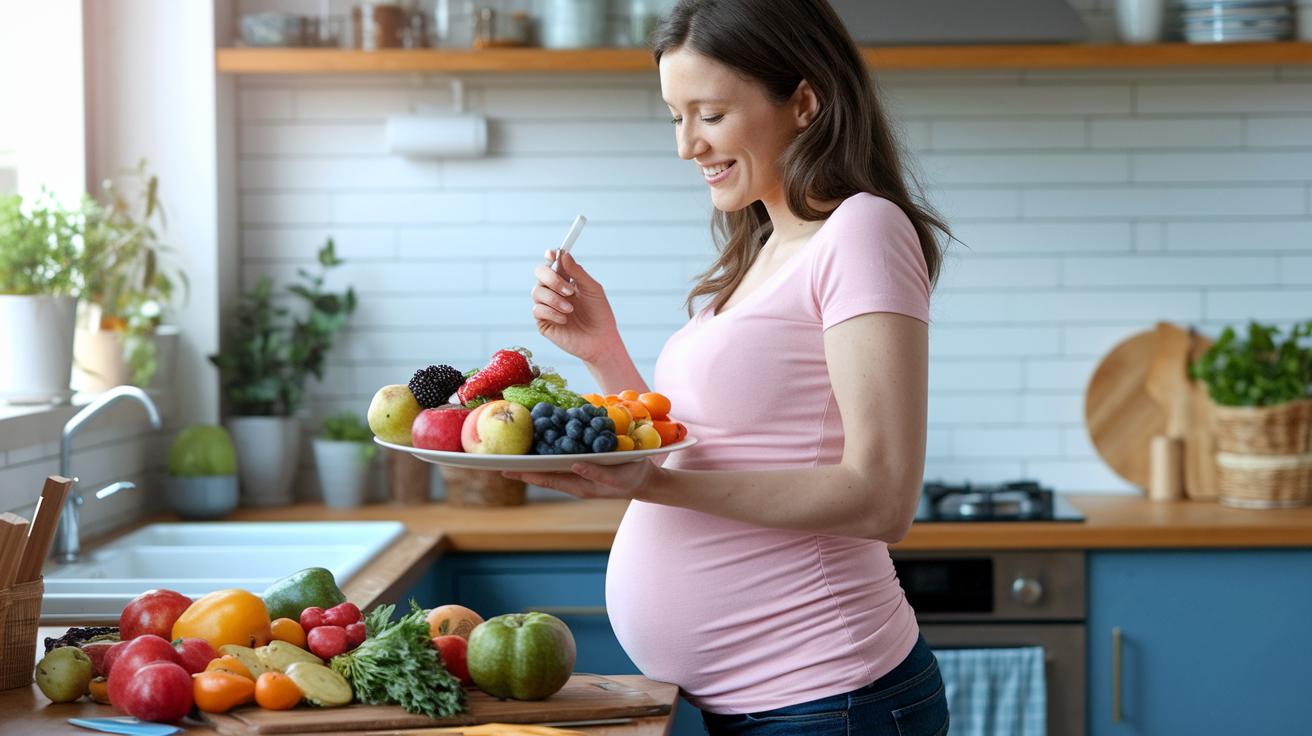
When you're expecting, everyday nutrition really matters. Experts suggest aiming for about 2,200 to 2,900 calories a day. That means enjoying a balanced mix of carbs, proteins, and fats that shifts a bit as your pregnancy goes on. It’s like fueling your body, and your baby's, with the right kind of energy for each part of your journey.
During pregnancy, a few key supplements can make a big difference. For example, taking 400 micrograms of folic acid daily helps guard against neural tube defects. Adding about 27 milligrams of iron supports the oxygen flow to your growing baby. Around 600 IU of vitamin D keeps bones and immunity in good shape, while 250 mg of DHA supports brain and eye growth. Think of these as quality ingredients in your favorite recipe, they help build a strong foundation for a healthy future.
Studies show that having regular chats about nutrition during pregnancy can actually reduce risks like gestational diabetes and low birth weight. These counseling sessions are like personalized meal planning with a friend who understands your needs. You'll talk about choosing the best nutrient-rich foods and even tackle any unique dietary challenges you might face.
For more in-depth advice, you can explore maternal diet and wellness guidelines. By following these simple tips and getting the right nutritional help, you're creating a nurturing environment that supports both your baby’s development and a future full of health and happiness.
Final Words
In the action, we explored how maternal nutrition influences fetal health through detailed insights on epigenetic changes, placental nutrient transfer, and micronutrient impacts on organ development. We also reviewed how different dietary patterns can shape neonatal outcomes and long-term health. This article offered a clear look at evidence-based prenatal nutrition guidelines for a balanced diet during pregnancy. The science behind maternal nutrition and fetal programming shows that thoughtful care today builds a healthier tomorrow. Keep embracing small changes that brighten each day.
FAQ
How does maternal nutrition affect fetal development?
Maternal nutrition affects fetal development by shaping organ growth, metabolism, and gene regulation. A balanced diet supports proper nutrient supply, ensuring healthy placental function and long-term wellness for the baby.
What is fetal programming in animals and cattle?
Fetal programming in animals and cattle refers to how early nutritional and environmental exposures during pregnancy set critical health pathways that influence lifelong development and disease risk.
What factors affect maternal nutrition during pregnancy?
Maternal nutrition is influenced by diet quality, stress, overall health, and proper supplementation. These factors help provide the nutrients needed for optimal growth and development of the fetus.
Can you give examples of fetal programming effects?
Examples of fetal programming effects include altered metabolism, variations in organ development, and shifts in gene expression. These outcomes can impact the risk of developing chronic conditions later in life.
What is the fetal programming hypothesis?
The fetal programming hypothesis suggests that nutritional and environmental conditions during critical pregnancy periods shape fetal development, setting the stage for health outcomes and potential adult disease risk.
Why is maternal health crucial to fetal development?
Maternal health is crucial because it directly affects nutrient delivery, placental function, and fetal gene regulation. Good maternal health supports a nurturing environment necessary for healthy fetal growth.
How do fetuses receive nutrition from their mother?
Fetuses receive nutrition through the placenta, which transfers essential nutrients such as glucose, amino acids, and fatty acids while also moderating hormonal exposures to support development.
What are the primary epigenetic processes influenced by maternal factors?
Maternal factors impact key epigenetic processes including DNA methylation alterations, histone acetylation/deacetylation shifts, miRNA expression changes, long non-coding RNA regulation, and chromatin remodeling events.
Where can I find information on nutrition during pregnancy in PDF format?
Information on nutrition during pregnancy, including guidelines on folic acid, iron, and vitamin D, can be found in reputable maternal nutrition PDFs provided by trusted health organizations.