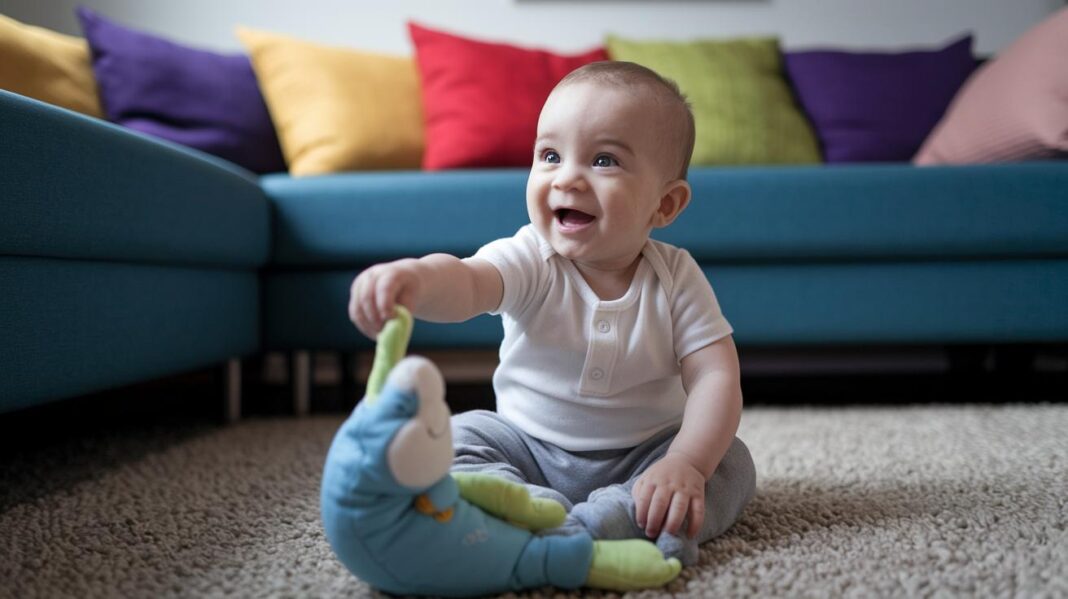
Have you ever wondered if every little giggle or crawl shows your baby exploring a magical inner world? Each tiny win creates a picture of growth and the joy of discovering new things. It’s like watching a favorite story unfold, where every chapter brings fresh curiosity and strength. Today, we celebrate how these simple milestones mark your baby’s early growth and make each moment a special part of their life.
Typical Infant Milestones: Celebrating Early Growth
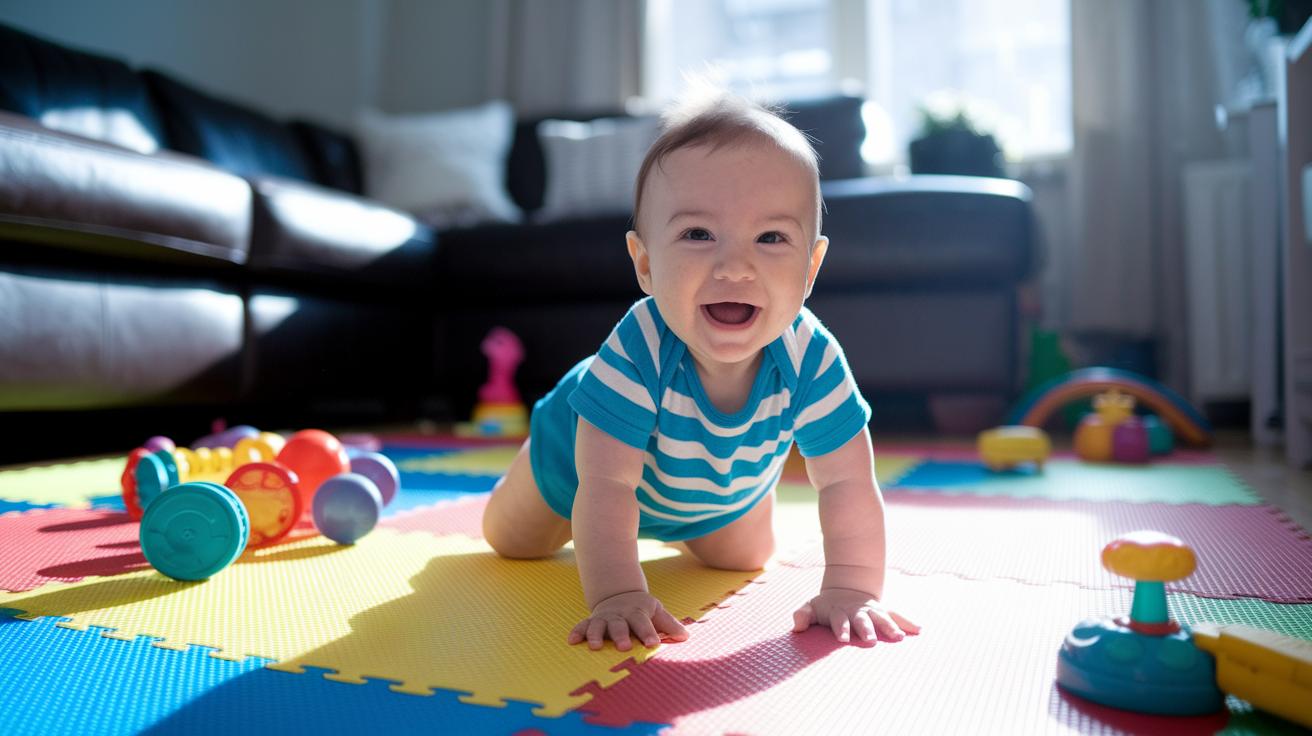
Watching your baby reach each little milestone is like seeing them take their first steps on a magical journey. Every giggle, babble, or gentle crawl is a sign they are learning about the world, growing stronger each day. It’s not about checking off boxes on a strict list, it’s about celebrating each new skill as it comes.
Every child grows at their own pace. Some babies might start walking as early as nine months, while others may not take their first steps until around fifteen months. This range shows us that every journey is unique and each little win is a reason for joy.
We often note these milestones on a simple chart or in a keepsake diary, but the real beauty lies in noticing every tiny change. Whether it’s a bright smile or a new sound, each moment is a gentle reminder of how wonderfully your baby is blossoming.
Month-by-Month Milestones in the First Year
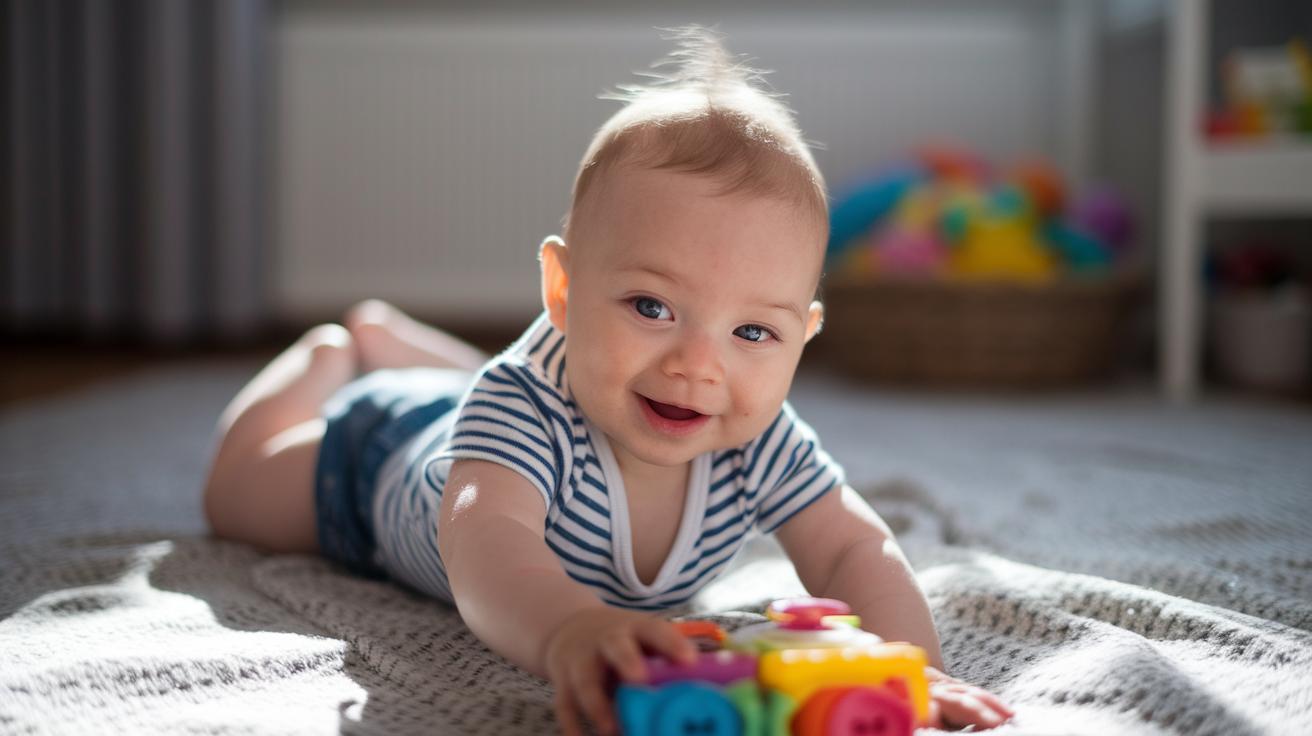
The first year is an exciting time filled with little changes that show just how much your baby is growing. When your little one is first born, those gentle movements and reflexes are like soft signals of all the wonderful things to come. It’s a bit like watching the first pieces of a colorful puzzle come together, each piece slowly building up a big, beautiful picture.
Take a look at the simple guide below to see some of the key physical and social moments you might notice along the way. These early skills, from a startle reflex to cooing at a friendly face, gently set the stage for more amazing discoveries later on. And remember, every baby grows at their own pace. If it takes a little extra time to roll over or sit up, it’s just another unique part of your baby’s journey.
| Month Range | Physical Milestone | Social/Cognitive Milestone |
|---|---|---|
| Birth–3 months | Startle/rooting reflexes | Tracks faces, coos |
| 4–6 months | Rolls over | Reaches for toys |
| 7–9 months | Sits without help | Recognizes familiar faces |
| 10–12 months | Pulls to stand or cruises | Shows curiosity in objects |
Every little milestone is a cause for celebration, a tip of the hat to how your baby is learning and growing each day. It brings to mind those joyful moments when a soft sound sparks a little startle, almost as if your baby is saying, "I’m ready for the next adventure!" Enjoy these moments, knowing that while this guide can help you notice what’s typical, your baby’s journey is special and uniquely theirs.
Gross Motor Development in Typical Infant Milestones
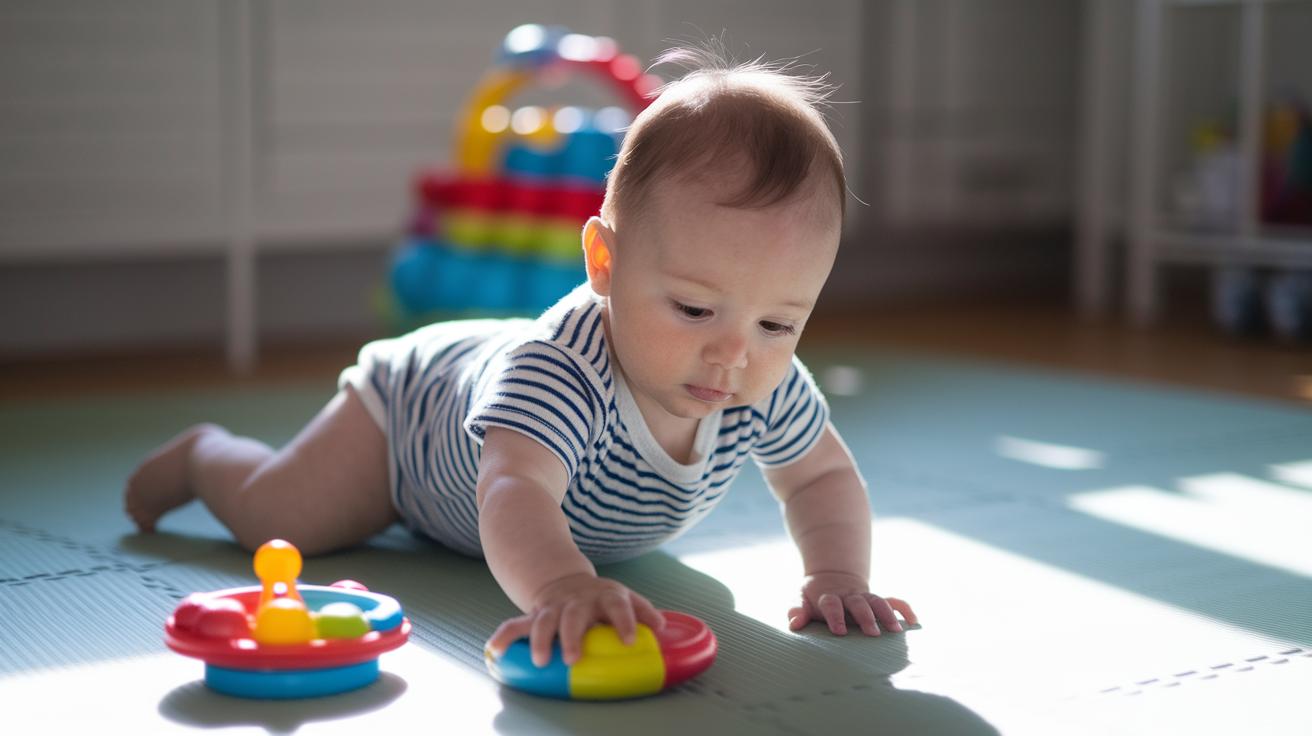
Watching your baby build big muscles is truly amazing. Fun, interactive play can help you notice how each little one grows at their own pace while making everyday moments special.
Rolling Over
Between four and six months, many babies start to roll over. At this stage, they're learning how to control their neck and tummy. Try this playful tip: set a small, soft toy just out of reach so your baby gently rolls toward it. And if your baby isn’t rolling as quickly, a bit more tummy time can really help strengthen those muscles and boost their confidence.
Sitting Up
Around seven to nine months, a lot of babies find that they can sit up on their own. You might try putting your baby on a soft cushion and lightly tapping their back to help them balance. It’s perfectly okay if they seem a little unsure at first, a bit more supported practice can make a big difference in helping them feel steady and secure.
Standing and Walking
By the time they’re around ten to twelve months old, many infants begin to pull themselves up and cruise along furniture, and you might see them taking independent steps anywhere between nine and fifteen months. For a fun challenge, place a favorite object on a safe table so your baby can step toward it while holding on for support. Remember, every baby develops in their own time, and there’s a wide range of normal when it comes to pulling to stand and cruising.
Every milestone appears in its own time. Regular play that builds strength, like tummy time, supported sitting, and guided steps, helps your little one grow and explore at a rhythm that’s just right for them.
Social and Cognitive Growth in Typical Infant Milestones
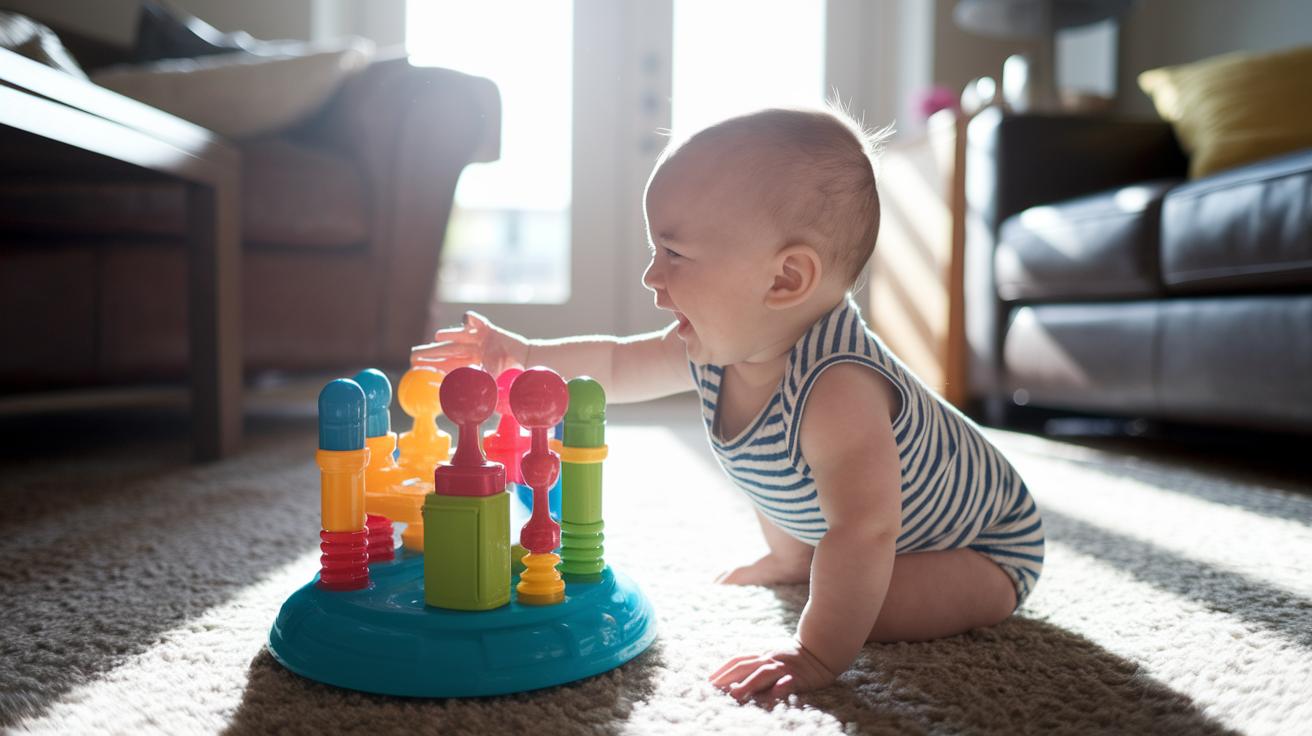
Right from the start, babies begin to show hints of their social side. They smile warmly when they see a familiar face or a loved one, and you might catch your little one lighting up just by hearing a friendly voice. It’s as if they’re recalling a special, comforting memory. Even a simple giggle or a bright smile tells you that they’re starting to connect emotionally with the world around them.
As they grow, babies also show signs that their curious minds are at work. They reach out for new toys, follow moving objects with their eyes, and pause to explore different textures and colors. Think of it as a gentle nudge from their curious little brains, saying, “I’m learning about everything around me!” Their actions, like stopping to admire a shiny toy or reacting to a new sound, show that they’re building important brain connections, one small discovery at a time.
These sweet moments of social smiles and curious exploration aren’t just fleeting, they’re markers of healthy brain growth. Watching your baby interact with their world can be a joyful reminder of how they learn and grow every day, paving the way for all the wonderful skills that lie ahead.
Tracking and When to Seek Help for Typical Infant Milestones

Regular visits with your baby’s doctor during the first year help you see how your little one is growing and learning every day. These check-ups are a gentle way to monitor changes and notice new skills, whether it’s rolling over or sitting up with help. Using a simple milestone list, you can track each step of your baby’s progress and enjoy every small win. They’re also a great time to ask questions and hear caring advice from someone who truly understands.
Keep an eye out for early signs that your baby might need a bit more help. For example, if your baby isn’t rolling by six months or still needs help to sit by nine months, don’t hesitate to call your pediatrician. Trust these signals, as getting help soon can boost language, movement, and thinking skills. Noticing any changes early gives you and your doctor a chance to work together to support your baby’s healthy growth.
Final Words
In the action, we explored typical infant milestones and key steps in everyday growth. The post broke down month-by-month changes, highlighted gross motor skills like rolling and early walking, and touched on social and cognitive signs of healthy development.
We also shared tips on tracking progress and when to seek help. Every baby grows at their own pace, and these typical infant milestones serve as handy guidelines to reassure and support families on their path to joyful parenting.