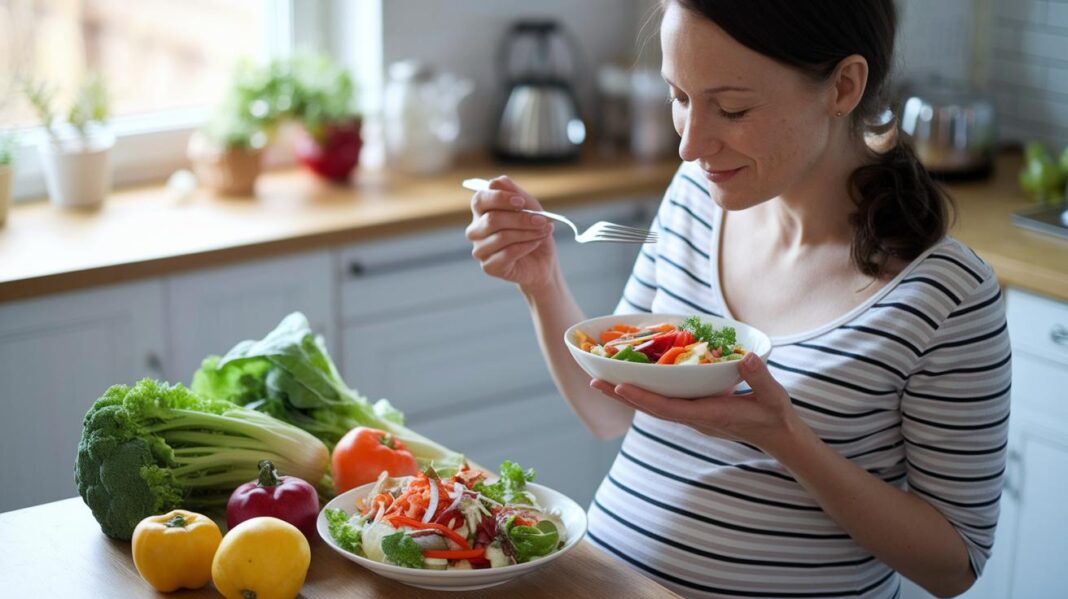
Have you ever thought about how your food choices during pregnancy might affect both your health and our planet? Studies show that choosing your food mindfully can help ease discomfort and boost your energy while you’re expecting. In this article, we talk about filling your plate with fresh fruits, vegetables, lean proteins, and fish that is low in mercury (a type of metal sometimes found in fish). Every bite helps your baby grow and takes care of our earth, too.
Foundations of Sustainable Prenatal Nutrition
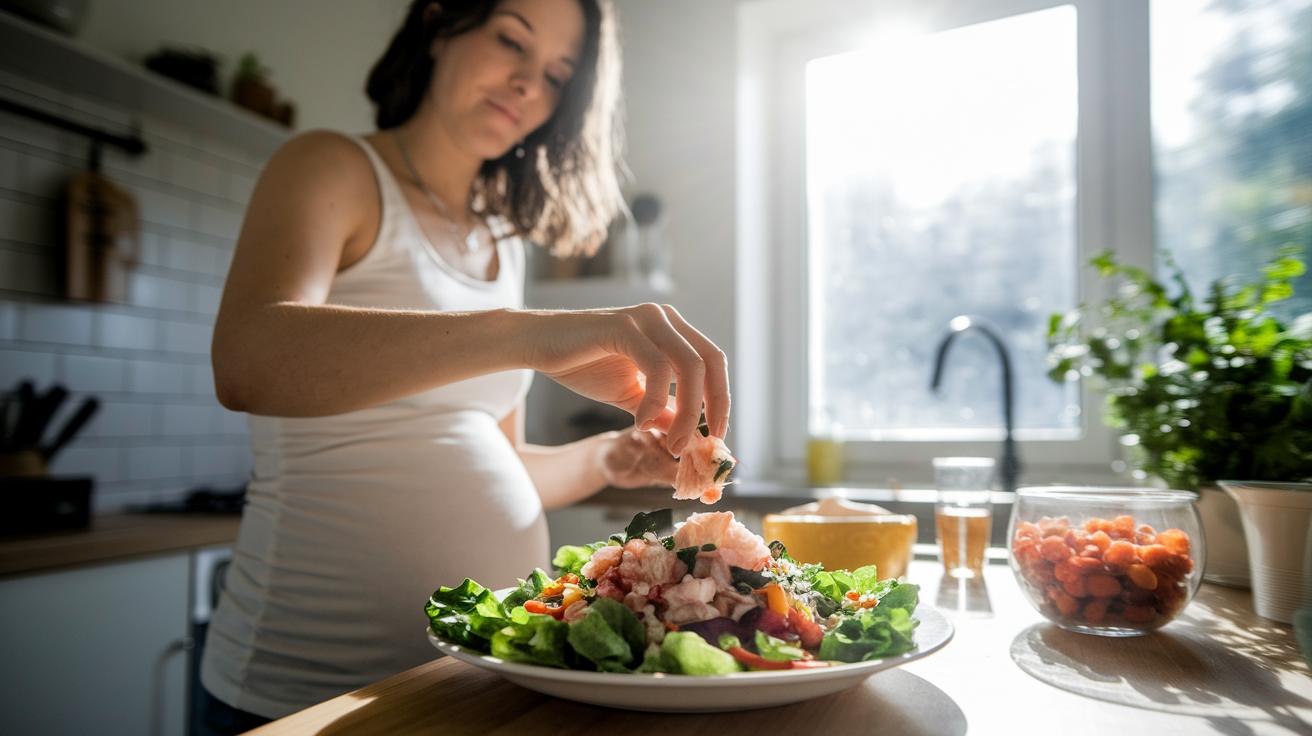
A healthy pregnancy starts with a mix of different foods like grains, lean proteins, veggies, fruits, and dairy. These foods give you important nutrients such as folic acid, iron, calcium, and Vitamin D. When you enjoy a variety in your meals, you not only care for your own body but also create a loving, nurturing space for your baby to grow. Imagine a mom who found that eating lots of different foods helped her feel less discomfort during pregnancy and kept her energized every day. Every bite really does count.
Choosing foods that are good for you and kind to the environment makes a big difference. Try to pick organic and locally grown produce whenever you can. Organic foods help you avoid chemicals, support healthy soil, and bring less pesticide residue onto your plate. Sticking to whole, unprocessed foods also means you’re doing something great for both your family and nature.
Adding low-mercury fish like salmon and sardines is another great idea. They offer omega-3 fatty acids that help with your baby’s brain development. Experts suggest eating about 8–12 ounces each week. By choosing these fish along with organic fruits and veggies, you support both your health and ethical farming practices. This well-rounded approach to prenatal eating is all about taking care of yourself and the planet with every meal.
Organic and Ethical Food Choices for Expectant Mothers
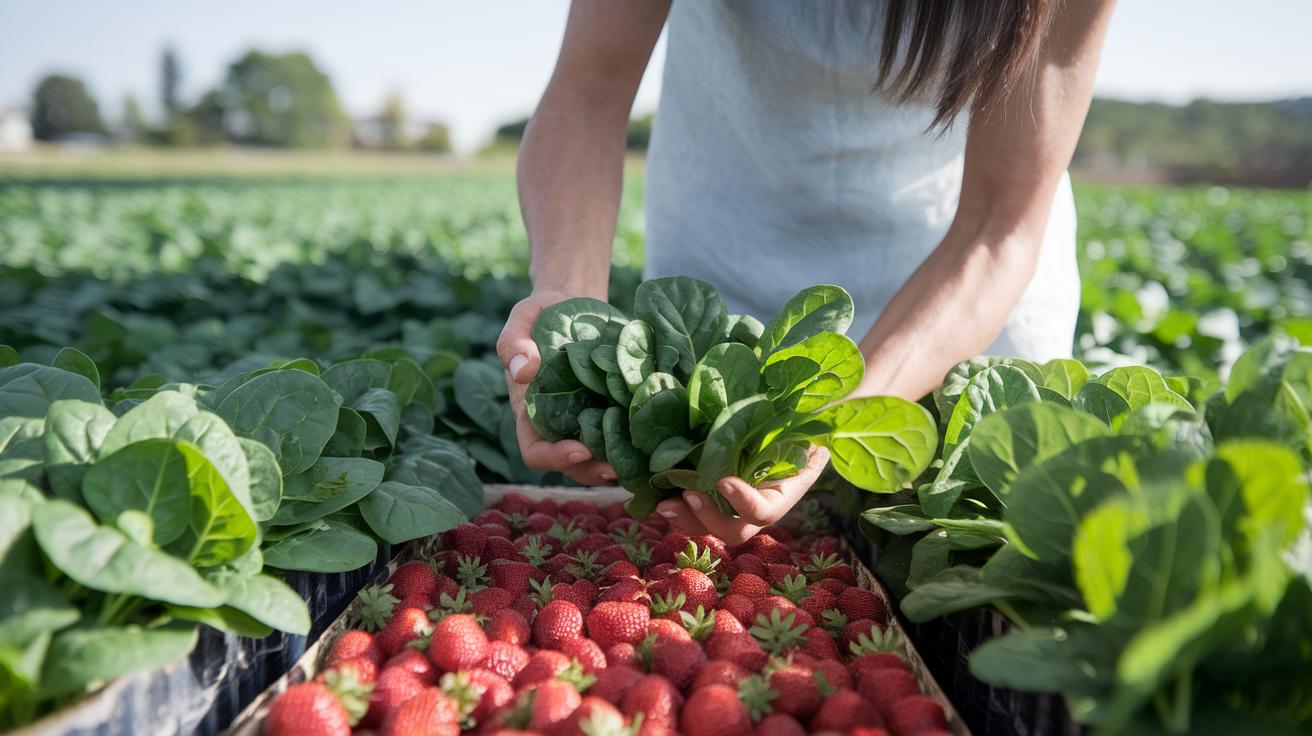
Organic certification tells you that food is grown without synthetic pesticides or harmful chemicals. When you choose certified organic ingredients, you’re not only enjoying meals packed with good nutrients; you’re also helping out ethical farming and local growers.
Moms who pick organic superfoods are giving themselves a healthy boost while also protecting our planet. By relying on local suppliers, you help cut down on transport emissions and build a community that’s healthier and more sustainable.
| Food Item | Key Nutrient | Sustainability Tip |
|---|---|---|
| Spinach | Folate | Helps the soil stay healthy with fewer pesticides |
| Orange | Vitamin C | Local sourcing cuts down on food miles |
| Strawberry | Antioxidants | Promotes community farming practices |
| Bell Pepper | Vitamin C | Grown ethically with fair labor practices |
| Broccoli | Vitamin C | Low chemical use is better for the environment |
Organic leafy greens and bright fruits give your body the vitamins it needs. They help support your baby's growth and boost your immune system. When you choose ethical, organic foods, you're doing something wonderful for your family and helping to create a sustainable food system for generations to come.
Green Prenatal Menu Planning and Eco-Minded Meal Prep
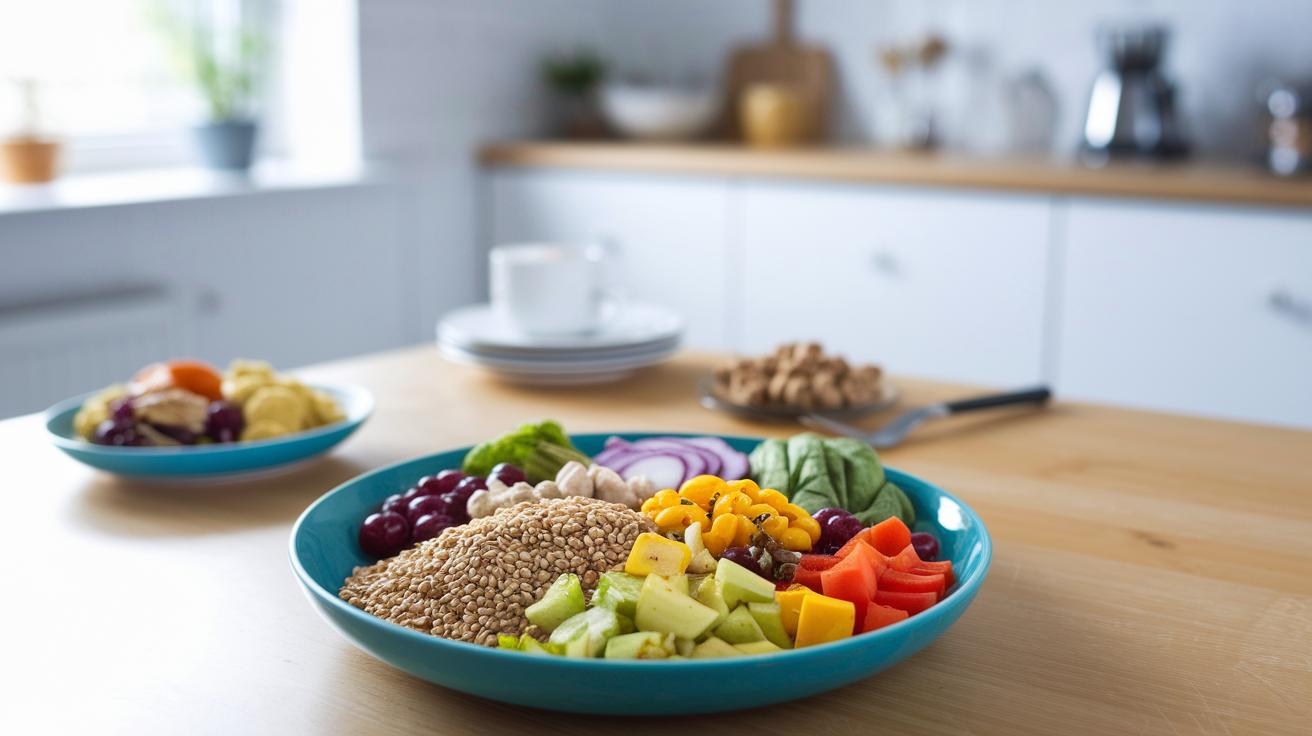
When you're expecting, nibbling on small, frequent meals can really make your day easier. Instead of sticking to large meals, try enjoying light snacks like a slice of whole-grain toast topped with avocado or a comforting bowl of brown rice. These choices help keep your blood sugar steady and might ease a bit of nausea, all while making mealtime a fun and flexible part of your day.
One simple tip? Use reusable containers for your meal prep. Not only does this cut down on waste, but it also encourages you to shop for grains in bulk and enjoy seasonal produce. And hey, why not add some plant-based days into your week? It’s a tasty way to boost your fiber intake and even shrink your overall carbon footprint.
Imagine setting up an eco-friendly prenatal plate that's both balanced and full of color. Start with a solid base of whole grains, add in a serving of lean protein or a plant-based alternative, then fill half your plate with an assortment of vibrant, seasonal veggies. Top it off with a little drizzle of olive oil or a handful of nuts for some healthy fats. This plate not only meets your nutritional needs but also reflects a gentle, eco-conscious way of planning your meals for you and your little one.
Sustainable eating habits for expectant mothers boost wellness
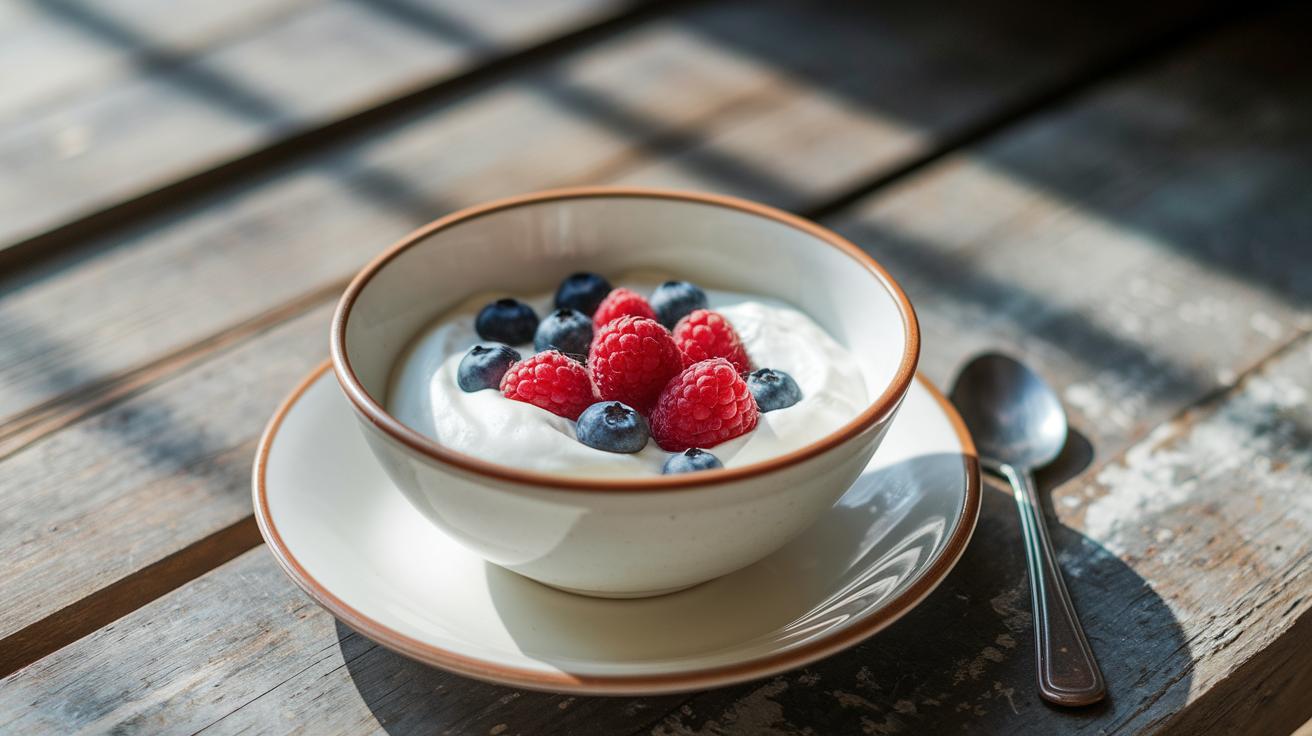
Snacking at just the right time can really brighten up a busy day. Having a little bite in the mid-morning or mid-afternoon can help keep your energy steady and your mood light.
Try reaching for Greek yogurt with fresh berries. It packs in protein and calcium for strong bones, along with antioxidants to help you feel energetic. Or enjoy a small bowl of hummus with carrots and bell peppers, which gives you plant protein, fiber, and vitamins you need to stay balanced. If you like variety, a homemade trail mix with nuts, seeds, dried fruit, and whole-grain cereal is a great way to fuel up with healthy fats and minerals during those busy moments.
Mixing up your snacks not only keeps your taste buds happy but also gives you a range of nutrients throughout the day. For more ideas on nutritional goals, check out the maternal diet and wellness guidelines at the link provided. Enjoy experimenting with healthy recipes that take care of your body and support choices that help our planet.
Safe and Sustainable Food Handling for Eco-Conscious Moms-to-Be
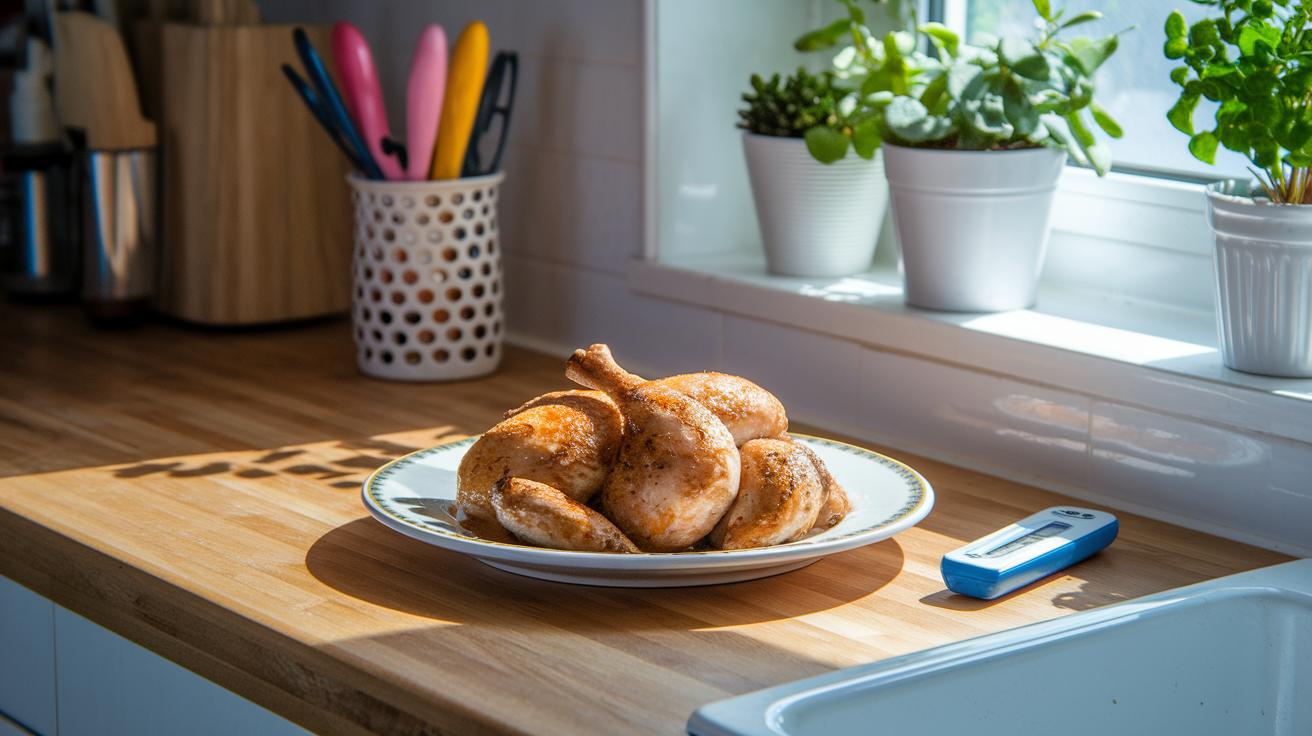
Keeping your kitchen sparkling clean is the first step to a healthy and earth-friendly way of eating. It’s really simple, just wash your hands and clean all surfaces before you start cooking, like tidying up after a family meal, to keep those unwanted germs away.
Cooking your meals properly is just as important. Have you ever used a food thermometer to check your meats, poultry, seafood, or eggs? This little tool makes sure your food is cooked at the right temperature, keeping harmful bacteria out and giving you one less thing to worry about during this special time.
Once you’ve finished cooking, remember to pop your leftovers into eco-friendly glass containers right away. It’s a good idea to steer clear of unpasteurized dairy and ready-to-eat meats from the fridge since they might carry bacteria linked to listeriosis (a type of food poisoning). By following these simple tips, you’re not only looking after your family’s health but also helping keep our planet a little greener.
Monitoring Nutrient Gaps and Sustainable Supplementation
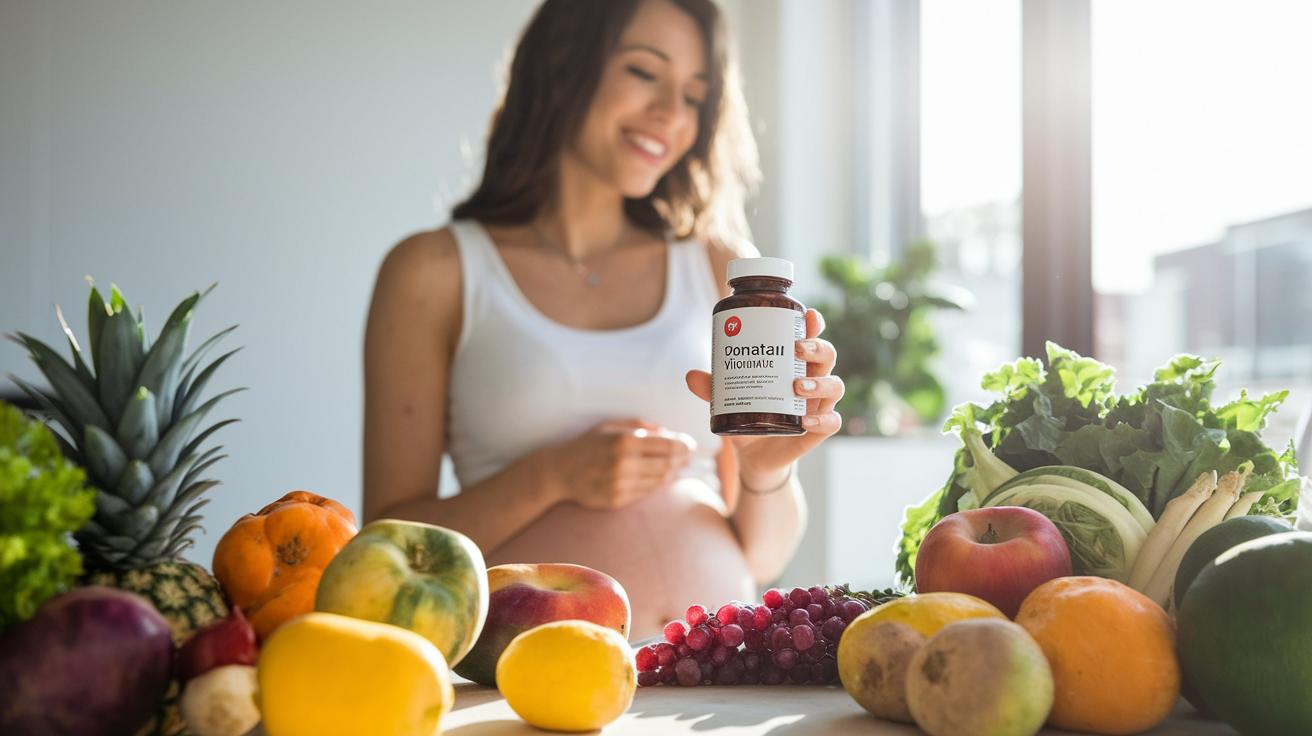
Taking a prenatal vitamin is a gentle, daily boost for you and your baby. It helps cover important gaps like folic acid, iron, calcium, and Vitamin D. These nutrients support your baby's growth while also meeting your extra needs during pregnancy. A small, daily supplement makes it easy to keep things balanced as you enjoy a mix of healthy foods.
Chatting with a registered dietitian can feel like getting advice from a wise friend. They can help you pick the right supplements and make sure you're getting what you need. Their guidance can really simplify adjusting your nutrient intake as you and your little one grow together.
Choosing eco-friendly supplement brands is a smart, caring choice. Look for those that use organic ingredients and Earth-friendly packaging. It’s a bit like following a Mediterranean way of eating, enjoying whole foods and balanced fats. If you’d like detailed advice, visit https://womensconference.org?p=10823. This thoughtful approach not only supports your health but also shows care for our planet.
Final Words
In the action, this article unpacked a balanced prenatal framework with nutrient-rich foods, eco-friendly pregnancy meals, and safe food handling tips. It explored organic options for prenatal care, meal planning with reusable containers, and simple, plant-powered snack ideas. The overview also touched on supplement integration and eco-conscious selection of low-mercury fish. Every step supports confident, healthy choices. Remember, embracing sustainable eating habits for expectant mothers can lead to a nurturing and supported experience for both mom and baby.
FAQ
What does a 1 to 3 month pregnancy diet chart include?
The 1 to 3 month diet chart encourages a balanced mix of fruits, vegetables, lean proteins, whole grains, and dairy while emphasizing essential nutrients like folic acid, calcium, and vitamin D for early development.
What does a 4 to 6 month pregnancy diet chart include?
The 4 to 6 month diet chart builds on early nutrition by adding more iron-rich foods and extra portions of protein and calcium sources to support the baby’s growing needs and maternal energy.
What sustainable eating habits for expectant mothers are recommended?
Sustainable eating for expectant mothers focuses on eco-friendly meal choices like organic produce, whole foods, and locally sourced ingredients, which help limit pesticide exposure and support a healthy environment.
What pregnancy foods should be avoided?
Foods to avoid during pregnancy include high-mercury fish, undercooked meats, unpasteurized dairy, and overly processed items, as these can pose risks to both the mother and developing baby.
What nutritional requirements during pregnancy are essential?
Essential nutritional requirements emphasize adequate intake of folic acid, iron, calcium, vitamin D, and low-mercury fish, which all play a key role in supporting fetal development and maternal well-being.
What should a pregnant woman eat during the first trimester to support a beautiful baby?
During the first trimester, a nourishing diet of colorful fruits, vegetables, lean proteins, and whole grains provides the vitamins and minerals needed to support both a healthy mother and a radiant baby.
What is the best daily diet for an expectant mother?
The best daily diet includes balanced servings from all food groups, featuring fruits, vegetables, lean proteins, whole grains, dairy, and low-mercury fish to meet nutritional needs and promote overall health.
How can pregnant women avoid overeating?
To avoid overeating, pregnant women can practice mindful eating by listening to hunger cues, planning balanced meals, and having portion-controlled, healthy snacks readily available throughout the day.
What is the first morning food recommended for a pregnant woman?
The first morning meal should offer nutrient-dense options like whole-grain toast with lean protein or a serving of fruit with yogurt, providing steady energy and vital nutrients to start the day right.