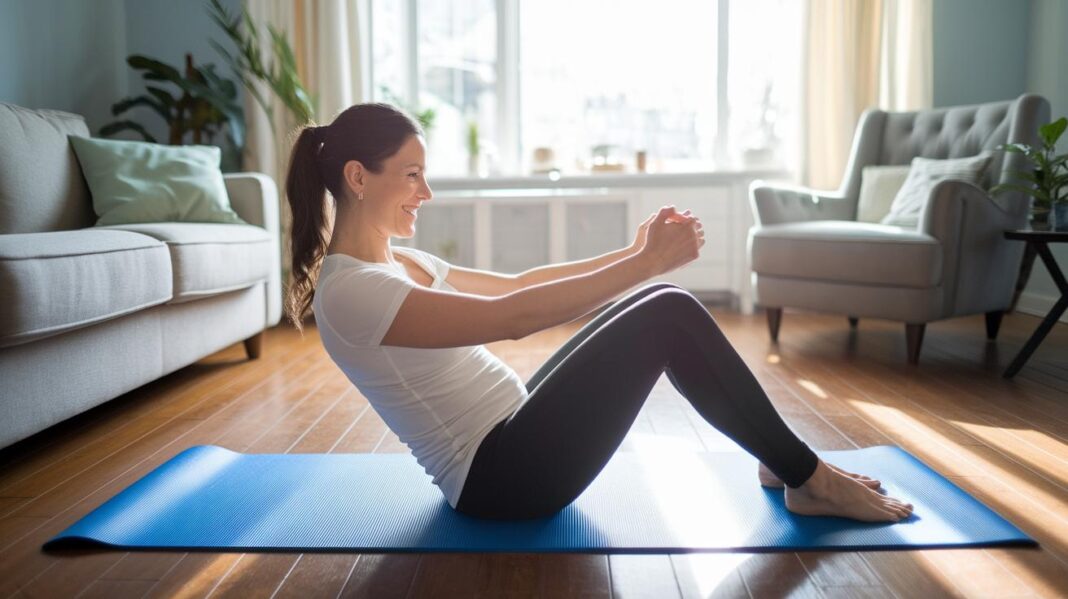
Have you ever thought a few gentle moves might make life after childbirth a little easier? Many new moms feel that even simple daily actions can become tougher when core muscles feel weak after having a baby.
Try adding some easy exercises, like deep belly breathing (imagine slowly filling your tummy with air), to help ease discomfort and boost your confidence when you move. These steps can bring back balance, support better posture, and add comfort to your day.
Ready to start feeling better and reclaim your strength?
Essential Postpartum Core Strengthening Tips for New Moms
After giving birth, rebuilding your tummy muscles is a smart idea. It helps you stay steady, supports a good posture, and can even ease back pain. Your midsection and pelvic floor might feel a bit weak after childbirth, so even the smallest task might seem harder. Starting with gentle moves, like deep belly breathing (a kind way to help reconnect with your core), can be a great first step, even just a few days after a vaginal birth. Imagine taking a slow, deep breath and feeling your tummy gently tighten, almost like the soothing rhythm of your favorite lullaby.
Here are a few simple tips:
- Try doing small core exercises every day by using your tummy muscles during routine tasks.
- Focus on gently engaging your ab muscles before moving on to any more active exercises.
- Move slowly and carefully to keep proper form and avoid any strain.
- You can even blend these gentle core moves into everyday actions like picking up your baby or standing up from a chair.
Keep in mind that progress takes time, and listening to your body is key. If you ever feel unsure about when to try more challenging exercises, consider a guided program like "nourish move love postpartum" for some expert tips and reassurance.
Taking a few mindful minutes for these simple exercises now can help you build strength and stability for the long run.
Safe Timing and Exercise Safety Guidelines for Postpartum Core Workouts
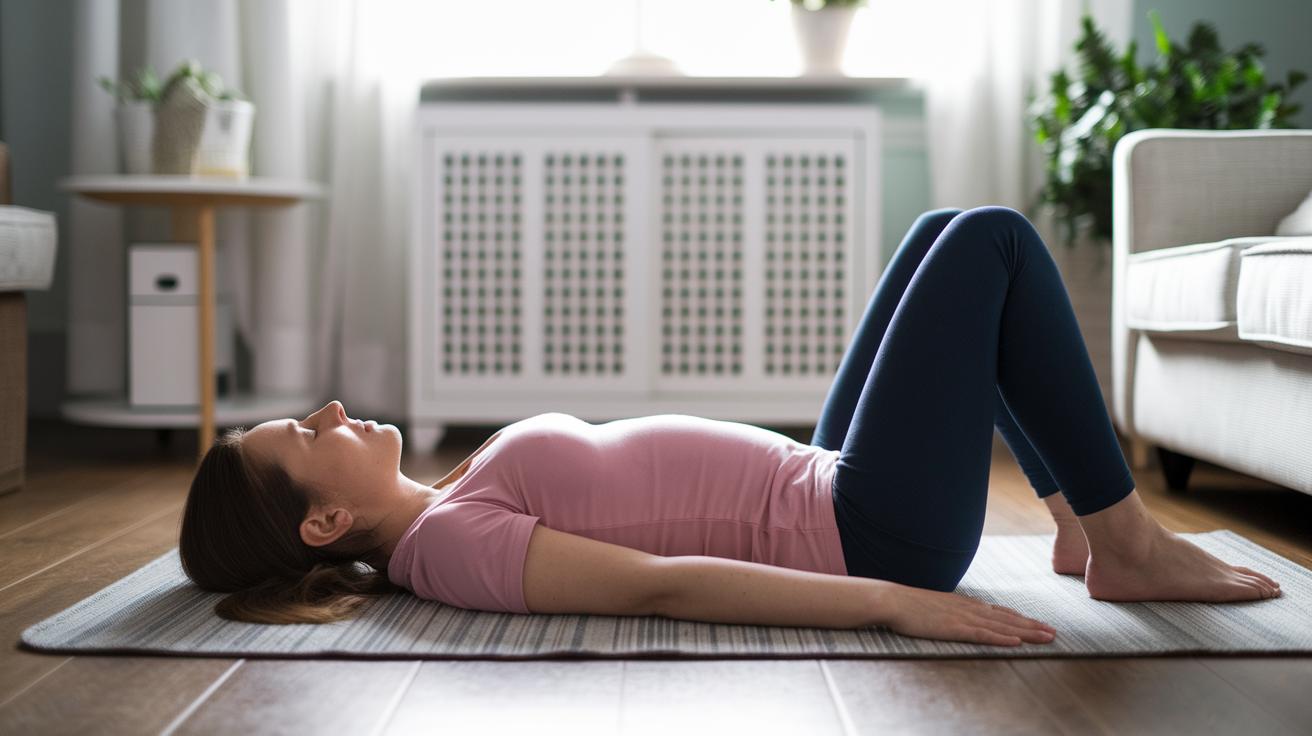
Most moms can start gentle core moves, like deep belly breathing, just a few days after a vaginal birth. This simple exercise helps you gently wake up your inner muscles without putting too much strain on your body. Think of it like taking a slow, calming breath, imagine a soft wave coming in, reminding you that true strength grows with patience.
It’s best to hold off on more challenging moves, such as planks or leg lowers, for about 6–8 weeks after your birth or until your doctor says it’s okay. Starting with just your body weight can help keep you safe from injury while building a strong foundation. In those early days, focus on doing each move correctly instead of trying to be fast or too intense. And if a move doesn’t feel right, making simple changes can really help you feel better.
- Begin with deep belly breathing to gently wake up your core muscles.
- Wait until around 6–8 weeks before trying tougher exercises.
- Always listen to your body and get the green light from your healthcare provider when needed.
Taking it slow and steady not only supports your recovery, but it also helps you feel more empowered as you move through your postpartum journey.
Top 10 Postnatal Abdominal Workout Moves to Rebuild Core
Start with deep belly breathing. Lie comfortably on your back with your knees bent. Place one hand on your belly and take a slow, deep breath. Notice how your stomach gently rises and falls, almost like soft, soothing waves. This simple move helps wake up your deep core muscles, setting the stage for a secure and strong belly.
- Deep belly breathing: You can sit or lie down. Breathe in slowly, and feel your stomach move in harmony with your breath. Imagine your belly expanding gently with every inhale like it's filling up with calm energy.
- Pelvic bridge: Lie on your back with your knees bent and your feet resting flat on the floor. Tighten your tummy and lift your hips until your shoulders, hips, and knees form a straight line. Picture lifting your pelvis as if you were raising a soft cushion.
- Bent leg raises: While lying on your back, bend one knee at a time. This simple move invites your lower abs to work, one leg at a time, like a friendly nudge for each muscle.
- Horizontal forearm plank (10–30 sec): Get into a plank position on your forearms. Keep your body straight from head to heels, focusing on slow, steady breathing and proper alignment.
- Side plank (modified): Lie on one side and support your body with your elbow. Keep your hips lifted and let your side muscles do the work to keep your balance.
- Heel slides: Lie on your back and slide one heel away from you and then back in a smooth, controlled movement. This exercise helps reinforce stability in your core.
- Modified dead bug: While lying on your back, stretch your arms toward the ceiling. Slowly lower one arm behind you while extending the opposite leg, then switch. It’s a gentle way to engage your entire midsection.
- Bird-dog: On all fours, extend the opposite arm and leg while keeping your back steady. This move works both your lower back and your abs, promoting a balanced core.
- Leg circles: Lie down and lift one leg. Trace small circles in the air slowly, using smooth, controlled movements to engage both your hip and core muscles.
- Rolling plank: Start in a plank position and gently roll from side to side. This dynamic move helps activate the stabilizing muscles throughout your midsection.
Progressive Postbirth Muscle Toning Phases for Steady Core Strength
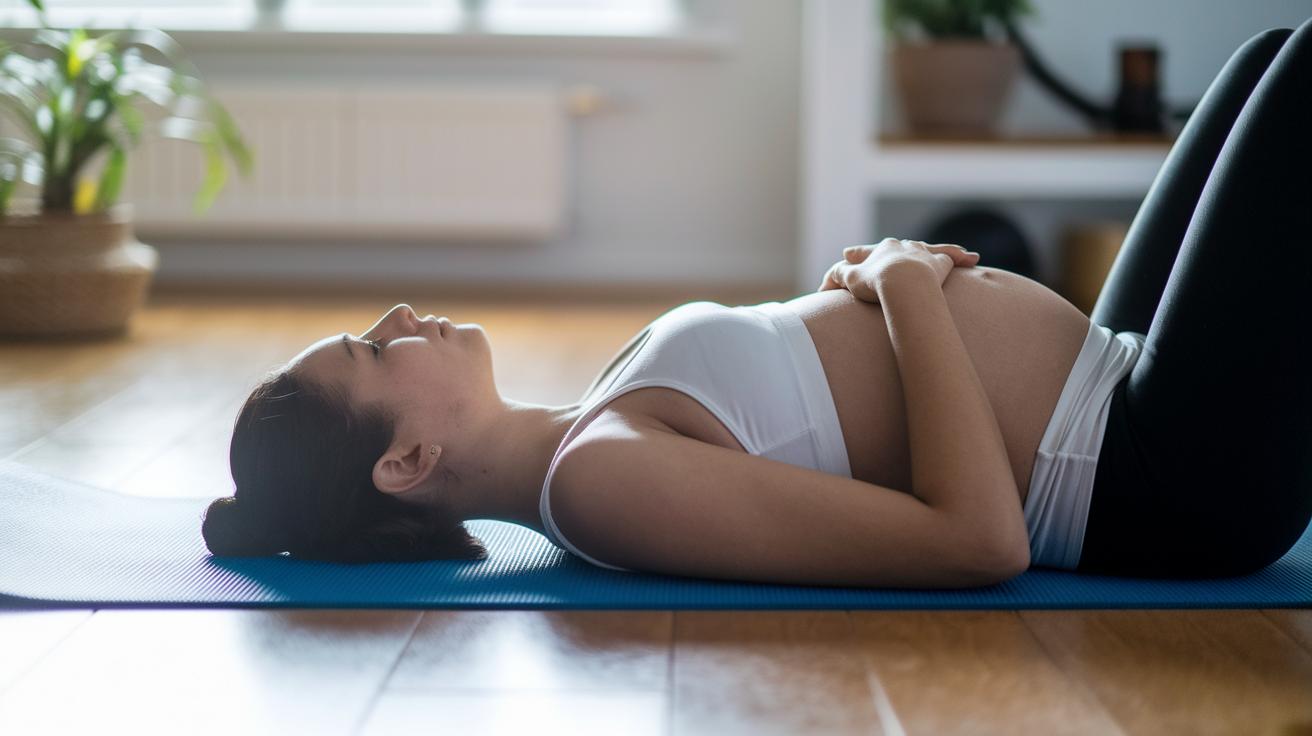
Start your journey after birth with a gentle four-step plan to build your core. In Phase 1, try simple breathing exercises along with heel slides. Imagine each breath as you would when slowly stirring a warm cup of tea. Stick with these moves until you feel steadier and notice no discomfort.
Then, move to Phase 2 by adding leg extensions and toe taps. These moves gently work different parts of your core. Think of it as a light stretch that slowly builds strength. Keep practicing until your core feels naturally supported and you don’t experience any pelvic pain.
Phase 3 introduces a bit more challenge with advanced leg extensions that work your deeper abdominal muscles. Focus on keeping a good form and listen to your body’s signals. When you feel ready, try Phase 4 with double leg lowers, which help fine-tune your control and balance.
Take your time with each phase and repeat them as needed. Only progress when every move feels comfortable so your recovery stays safe and effective. Keep your focus, and your core will grow steadily stronger.
Managing Diastasis Recti and Integrating Pelvic Floor Fortification into Core Workouts
When you're ready to rebuild your core after childbirth, it's really important to check for diastasis recti first. Lie down on your back with your knees bent and gently run your fingertips down the center of your tummy. If you sense a gap, it shows that your ab muscles have separated. So, skip any crunches or moves that flex your spine for at least six months or until that gap starts closing, think of it like testing a bridge to be sure it's strong before you cross it.
Mix in gentle pelvic floor moves with your core exercises to give your tummy extra support. Try simple Kegels and pelvic tilt exercises, which can help your muscles come back into proper shape and prevent problems like a prolapse. Also, focus on deep, relaxed breathing from your diaphragm, imagine taking a slow, comforting breath that not only fills your lungs but also wakes up your inner core. This kind of breathing helps keep your lower back and pelvis steady when you move through your day.
| Tip | What to Do |
|---|---|
| Self-check | Test for diastasis recti by feeling along your tummy’s center |
| Watch Your Moves | Avoid crunches and strong spinal moves for a few months |
| Build Strength Slowly | Add in gentle pelvic tilts and Kegels to your routine |
| Breathe Deeply | Practice slow, deep breathing to help secure your core |
For more guidance, check out postpartum pelvic floor exercises. Remember to listen to your body and take your time, you deserve to feel strong and supported every step of the way.
Final Words
In the action of rebuilding strength, our guide gave you clear postpartum core strengthening tips, safe timing advice, and easy-to-follow exercises for a smoother recovery. We covered gentle core moves that improve balance and reduce back pain. The phased approach and pelvic floor routines help set a steady pace, even if diastasis recti is a concern. Every small step builds strength and confidence. Stay gentle with yourself and keep moving forward, you’re on a path toward true well-being.
FAQ
FAQ
What are effective postpartum core strengthening tips?
Effective postpartum core strengthening tips include starting with gentle deep belly breathing and pelvic tilts. These beginner exercises gradually prepare you for more advanced moves, promoting recovery and improved posture.
How long does it take to regain core strength after pregnancy?
Regaining core strength after pregnancy can take several weeks to months. Many moms notice improvement within 6–8 weeks when following a consistent, gentle exercise routine and listening to their body’s signals.
What core exercises are recommended for diastasis recti?
For diastasis recti, recommended exercises include deep belly breathing, gentle pelvic tilts, and modified pelvic bridge moves. These help reconnect separated muscles without adding strain or further separation.
What core exercises are safe after a C-section?
After a C-section, safe core exercises start with very gentle moves like deep breathing, pelvic bridges, and heel slides. Always get clearance from your healthcare provider before starting and progress slowly.
Which abdominal workouts should be avoided postpartum?
Postpartum, it’s best to avoid heavy strain on the abdomen. Skip intense crunches, spinal flexion, and high-impact moves until you receive your provider’s permission and your core has built sufficient strength.
What are some effective standing postpartum core exercises?
Effective standing postpartum core exercises include light side leg lifts and gentle torso twists. These moves help engage your core muscles while promoting balance and ease of integration into your daily activities.
How can I combine core and pelvic floor exercises postpartum?
Combining core and pelvic floor exercises is done well by pairing deep belly breathing with gentle Kegel contractions. This integrated approach helps strengthen both areas, supporting overall stability and recovery.
How do I fix my ab muscles after pregnancy?
Fixing ab muscles after pregnancy involves gradually reactivating them with low-impact exercises like pelvic tilts and deep breathing. Consistent practice and slow progression can help restore abdominal strength safely.