
Have you ever noticed that your postpartum scar might be more than just a reminder of a tough time? After a cesarean or a tear, gentle care can help turn it into a quiet symbol of new strength. Taking care of your scar by cleaning, massaging, and soothing your skin can be a simple way to ease discomfort, as if you were slowly easing open a stubborn door.
In this guide, we share easy, step-by-step tips to support your healing journey. It’s all about making your recovery process a thoughtful plan for both your body and your spirit, helping you feel confident and cared for along the way.
postpartum scar healing advice: Radiant recovery plan
After a cesarean, start by gently cleaning your cut. Use a little warm water and a soft cleanser to wash the area, then pat it dry with a soft towel. Change your dressings as your doctor suggests to keep everything clean. A cool, soft compress, like a damp cloth, can help ease any swelling right after you clean.
It’s common to feel numbness or extra sensitivity around your C-section scar. When the swelling goes down, try a gentle scar massage. With your fingertip, make small, slow circles along the scar. It’s a bit like oiling a stiff hinge, helping the skin slowly regain its natural feel and flexibility over time.
If you had an episiotomy or a tear, wait until your six-week check-up confirms the stitches have healed and there’s no sign of infection. Once your doctor gives you the green light, you can begin a simple perineal massage. First, wash your hands and use a water-based, gentle lubricant. Then, softly massage around the scar, gradually moving closer to the area. A soft, steady touch can help the skin become more relaxed and support a smoother healing process.
Timeline of Postpartum Scar Healing Advice

Your postpartum healing story unfolds in gentle stages that help guide your care. Right after birth, focus on calming any swelling and softly cleaning the area. These early moments are all about easing inflammation and keeping your incision neat, which sets a warm foundation for recovery.
As you move into weeks three to six, a follow-up check with your healthcare provider can reassure you that any stitches (from a cesarean or episiotomy) are healing well. This can also be a lovely time to start a light massage routine that feels soothing and supportive.
Then, during the two- to six-month phase, your journey turns toward slowly helping your scar tissue move more freely. This gentle mobilization boosts flexibility and eases any lingering tightness, like a tender nudge toward continued healing.
Every recovery is unique, so chatting with your healthcare provider ensures that your routine fits just right. With consistent, careful care, the healing process can continue to support you for months, or even years, after childbirth.
| Phase | Timeframe | Primary Focus |
|---|---|---|
| Immediate Phase | 0–2 weeks | Swelling control & gentle cleansing |
| Intermediate Phase | 3–6 weeks | Stitch check & start gentle massage |
| Maturation Phase | 2–6 months | Scar mobility & flexibility |
By taking kind care at each stage, you nurture smoother, more flexible scar tissue, supporting your body as it heals over time.
Self-Care Techniques in Postpartum Scar Healing Advice
Dealing with postpartum scars can feel overwhelming, but a simple home routine might really help ease discomfort and boost your scar’s flexibility. Here’s a step-by-step guide for a gentle perineal scar massage that you can try:
- Check in with your doctor during your 6-week appointment to make sure you’re all set.
- Make sure your hands and any tools you use are cleaned well.
- Pick a water-based, hypoallergenic lubricant that feels kind on your skin.
- Gently massage the scar using small, circular strokes, like the soft ripples in a calm pond.
- If your healthcare provider advises, you can gradually try a light internal massage.
- Aim to do this massage once or twice a day, spending just 1–2 minutes each time.
For cesarean scars, try using gentle fingertip presses combined with small circular motions. This method can help ease any nerve sensitivity and smooth out the skin’s texture.
Moisturizing Routines and Topical Treatments in Postpartum Scar Healing Advice
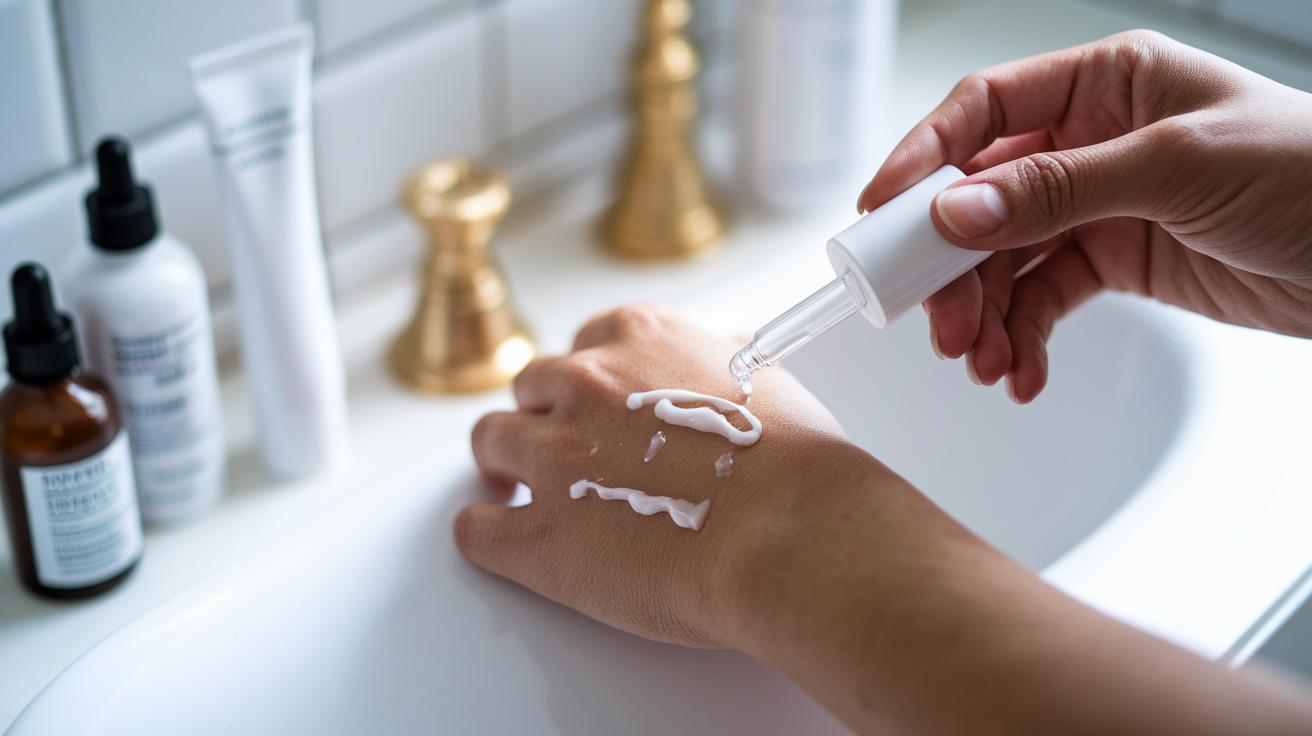
Keeping your scar area well-moisturized can really help stop hard crusts from forming, which might slow down skin healing. When your skin stays hydrated, it helps new cells replace the old ones and keeps a gentle barrier to ward off irritation. This extra bit of moisture can ease that tight feeling and even smooth out the scar, making the healing process feel a bit softer and more comfortable.
For treating the scar topically, you might want to try over-the-counter silicone gels, botanical gels, or soothing skin balms. Silicone gels are popular because they form a thin, protective layer over the scar and help keep the skin hydrated. Botanical gels, made with natural ingredients, calm the skin and can reduce redness, while soothing balms add extra moisture to keep the tissue flexible and comfortable. These products are all designed to support your healing journey in a safe and caring way.
- Perform a patch test on nearby skin
- Apply a thin layer 2–3 times a day
- Gently massage until fully absorbed
Professional and Advanced Treatments for Postpartum Scar Healing Advice
Many moms are looking into dermatologist-approved options that really help their scars improve over time. For example, silicone sheeting is a trusted way to keep your skin moist and protected, which can smooth out the scar’s look. LED light therapy is another gentle, noninvasive option. It uses soft light pulses to reduce redness and swelling, making it a soothing addition to your daily routine.
Laser treatments and microneedling are also gaining attention because they help boost collagen naturally. Fractional laser treatments create tiny, controlled bumps that encourage your skin to produce more collagen, gradually softening scars. Microneedling works similarly by using small needles to trigger your skin’s own healing response. Both of these methods might need several sessions and a short recovery period when your skin feels a little sensitive.
Here's a quick comparison of these techniques:
| Treatment | How It Helps | Sessions | Downtime |
|---|---|---|---|
| Silicone Sheeting | Keeps skin hydrated and softens scars | Daily over weeks | Minimal |
| LED Light Therapy | Reduces redness and balances skin tone | 10–15 minutes per session | None |
| Fractional Laser Treatment | Boosts collagen for smoother texture | 3–5 sessions | 3–5 days |
| Microneedling | Stimulates natural collagen production | 4–6 sessions | 1–2 days |
| Combined Approach | Uses both laser and microneedling for full remodeling | Varies by treatment | Up to 5 days |
It all comes down to choosing the method that fits best with your healing journey. If you ever have questions or need a little extra support, reaching out to an expert or a fellow mom can be really comforting.
Monitoring and When to Seek Help in Postpartum Scar Healing Advice

Most moms notice that their healing scar slowly becomes firmer and softer while showing a bit of red or slight swelling at first. A little warmth or tenderness is normal as you heal. But if your scar starts to feel much hotter, turns very red, or you see more discharge than usual, it might mean things aren't healing like they should. Also, hold off on doing any postnatal perineal massage until your six-week check-up shows there’s no infection. This helps make sure every step you take is safe.
Keep your eyes open for signs like pain that sticks around or gets worse, the edges of your scar pulling apart, or a strong, unusual smell coming from the area. These changes may mean you need a doctor’s opinion. If you notice any of these signs, reach out to your healthcare provider right away. Trust your body, it usually lets you know when something isn’t right.
Final Words
In the action, the article laid out key steps for healing after childbirth, covering gentle care for cesarean and perineal scars. It explained a clear timeline from immediate inflammation control to later scar mobilization and offered self-care with simple massage and moisturizing routines. The guide also touched on advanced treatments and knowing when to seek help. All these clear, caring insights give you practical advice and expert tips to support gradual skin repair. Keep moving forward with confidence and remember that postpartum scar healing advice can help guide your care.
FAQ
What do healed episiotomy scars look like?
The healed episiotomy scars show as thin, light lines that gradually fade. They often blend with nearby skin, appearing less pronounced over time as the tissue naturally mends.
What do C-section scar healing stages pictures show?
The C-section scar healing stages pictures display the progression from initial redness and swelling to gradual fading and smoothing of the incision line as inflammation reduces and tissue rebuilds.
How does scar tissue after birth appear in images?
Scar tissue after birth images typically reveal a range of appearances, from slightly raised or discolored lines to smoother, more subtle patterns as the body repairs the incision slowly over time.
Why might an episiotomy scar form a lump or remain sore years later?
The episiotomy scar might form a lump or stay sore years later because of uneven collagen growth or persistent nerve sensitivity. This sometimes requires evaluation by a healthcare provider for proper care.
How do you heal scar tissue after childbirth?
Healing scar tissue after childbirth involves gentle cleansing, regular moisturizing, and, once the area is healed, light massage to encourage flexible tissue and gradual smoothness during recovery.
How can I speed up the healing of a scar?
Speeding up scar healing often includes careful wound care, keeping the area moisturized, and using approved topical treatments. Gentle massage may also help reduce tightness as advised by a healthcare provider.
When should I start perineal or episiotomy scar massage?
You should start perineal or episiotomy scar massage after your six-week postpartum check-up confirms the area is fully healed and free of any signs of infection, ensuring safe and effective care.
How long does it take for scar tissue to heal after birth?
Healing time for scar tissue after birth varies, with most significant improvements seen within six weeks. However, the tissue continues to mature and may take several months to fully settle.