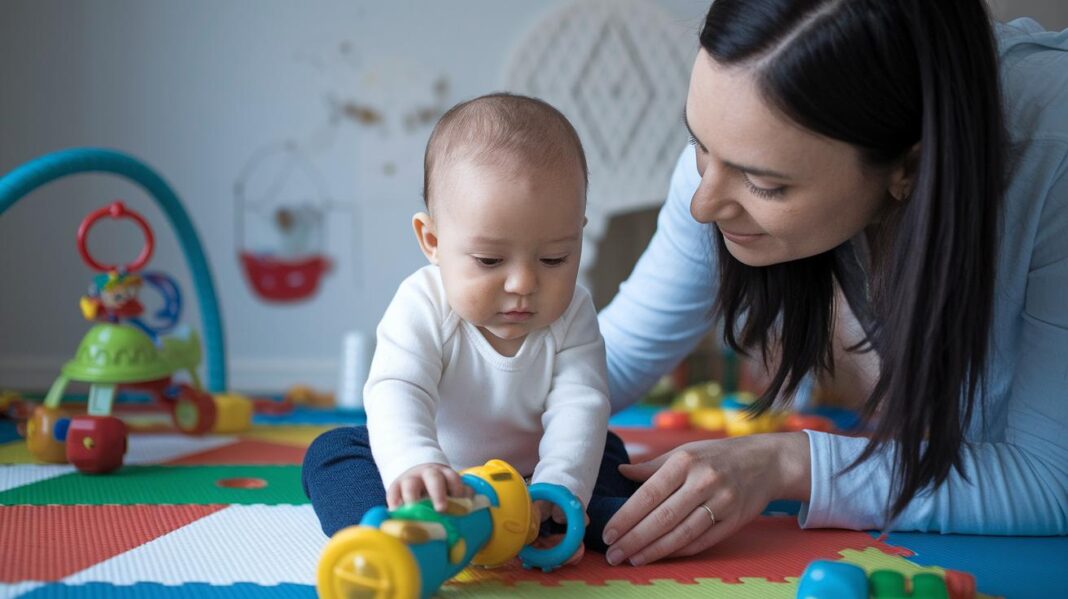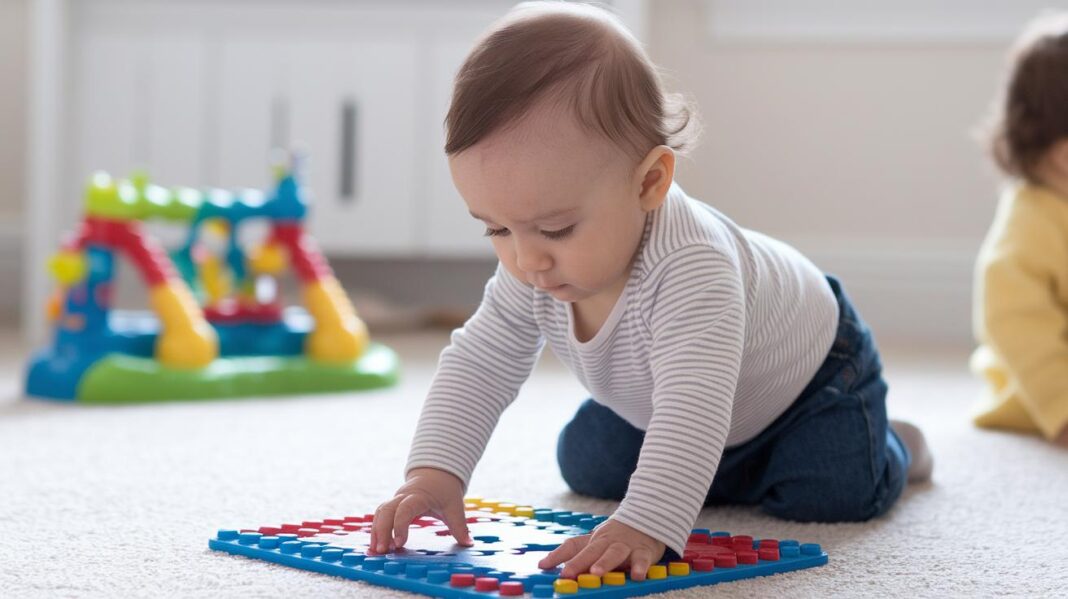
Have you ever noticed how your little one starts solving little puzzles even before they can talk? You might see them pull a toy out from under a blanket or figure out how to hold their spoon. Every time they face a small challenge, they’re learning to be more independent. It’s a chance for them to grow that curious mind of theirs with every new try.
Today, let’s take a gentle look at these loving baby steps. Isn’t it heartwarming to see them learn and grow? Come along as we celebrate each little milestone and cheer on their daily progress.
Infant Problem-Solving Milestones: Bright Beginnings
When your little one spots a challenge, they start figuring out how to solve it. It might begin with pulling a toy from under a blanket, and before you know it, they're planning and tackling more tricky tasks. These early steps show you how their mind is growing and build a solid base for more complex problem solving later.
Between 8 and 11 months, babies begin to learn that things exist even when hidden. They might reach under a small cover to grab a toy, showing the first signs of object permanence.
From 12 to 18 months, toddlers start to navigate little obstacles and even stack their toys. It’s a fun time when they test out planning and learn to adjust their moves as they go along.
Around 17 to 24 months, many tiny explorers begin using simple tools. Whether it’s using a spoon to scoop or putting toys into a container, they’re starting to use items around them to get tasks done.
By about 30 months, toddlers may use objects like stools to grab items that are a bit too high. Even if they don’t always succeed, their attempts are a wonderful sign of growing problem-solving skills and a daring spirit to try new ways.
This timeline is like a gentle map of your baby’s journey, from small, simple actions to bold experiments with trial and error. It can be really reassuring to see these milestones and know that your child is naturally growing their skills. Feel free to check out the detailed infant milestones by month chart to see how your baby compares to common patterns. Recognizing these heartwarming achievements helps you feel confident about their bright beginnings.
Infant Problem-Solving Behaviors to Watch at Different Developmental Stages
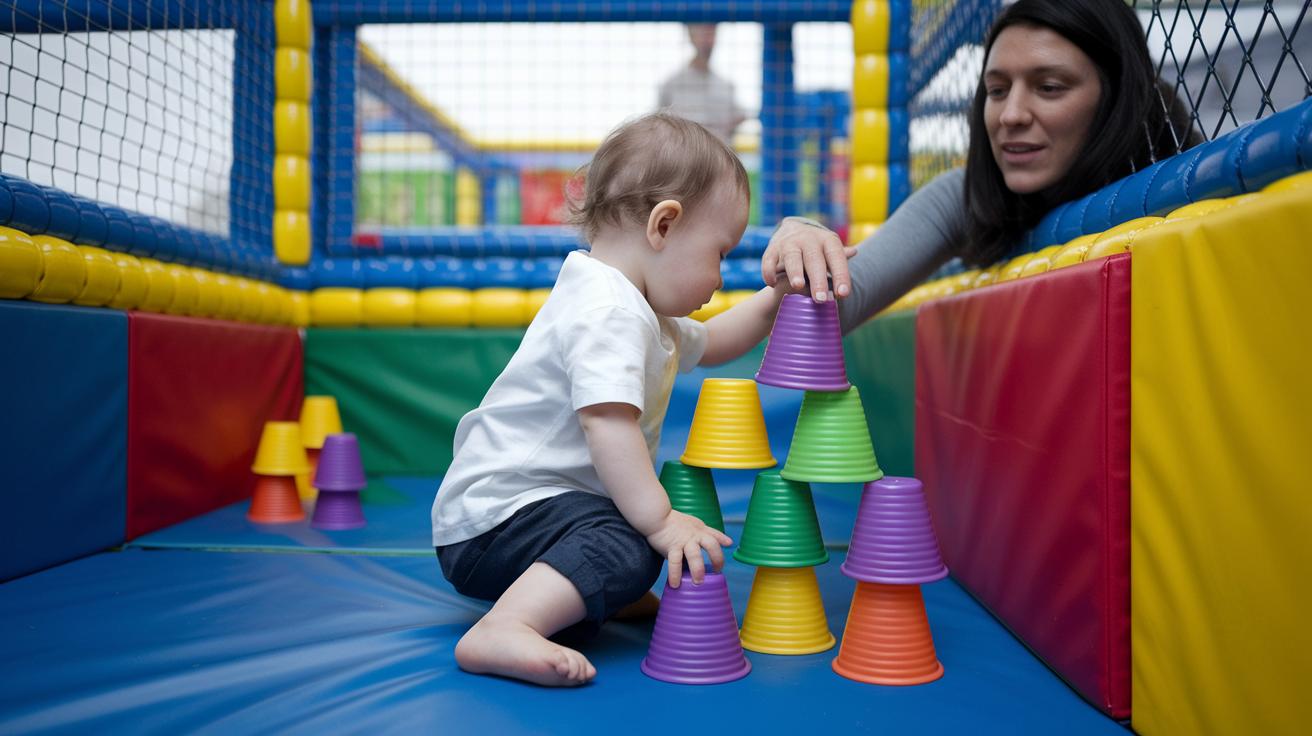
When little ones start playing, you'll notice they begin to experiment with hidden objects and simple changes in their play area. They’re not only reaching for a toy, they’re also learning how to plan and think about space. Have you seen a child gently push a small barrier just to reveal a toy? That’s a sweet sign of persistence and creativity, almost like they're running a mini experiment. It reminds me of sharing a fun fact with a friend, like how Marie Curie once carried little test tubes, taking tiny risks that led to big discoveries.
You can help your child grow these skills by setting up safe, inviting play spaces. Try arranging a cozy play area with soft cushions, big blocks, or easy puzzles that let them move things around. This kind of play not only strengthens their motor skills but also builds the determination and confidence they need for tougher challenges later. Imagine placing a row of colorful stacking cups and watching your little one explore different ways to arrange them, a fun, playful step toward better coordination and decision-making.
Role of Play and Toys in Building Infant Problem-Solving Skills
Puzzles are a great way for little ones to start solving problems. When babies work on puzzles, they learn to move pieces and see how shapes come together. It’s like solving a small mystery, imagine a toddler turning a colorful piece until it fits perfectly, showing early signs of planning and careful thinking.
Toys that let children stack and balance also help them practice planning and fine motor skills. When a child builds a tower of blocks, they carefully choose each one and place it just right. It’s playful fun that also challenges their coordination. This kind of play boosts confidence and sharpens their natural sense of weight and balance, which is important for everyday tasks.
Pretend play is another lovely way toys support problem-solving skills. When little ones play hide-and-seek or engage in imaginative games with stuffed animals, they begin to think through actions by acting out different scenarios. Such playful moments spark creative thinking and help build flexible problem-solving abilities, all setting the stage for exciting learning adventures ahead.
Parental Engagement and Environment for Infant Problem-Solving Growth
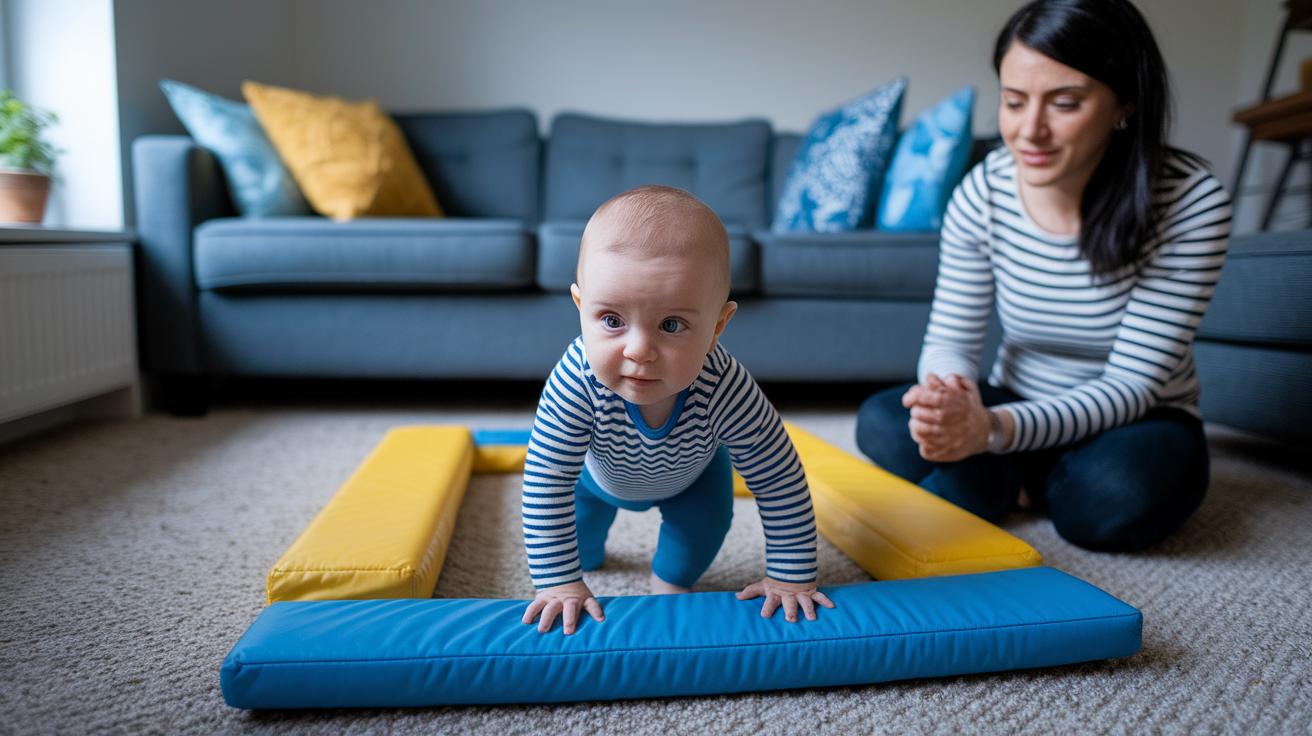
When you create little challenges for your baby around the house, you help them learn to solve problems on their own. Try setting up a tiny obstacle course with soft cushions or placing favorite toys on low shelves that your baby can easily reach. Ask fun questions like, "How can you get to your toy over here?" This kind of playful talk helps your baby explore new ways to solve tasks and teaches them that trying different ideas is all a part of learning.
Another fun idea is to mix up your home environment to keep things fresh. Rotating toys or rearranging a few pieces of furniture can turn playtime into a new adventure every day. When you join in and offer kind words of encouragement, it builds your baby’s persistence and sparks their natural curiosity. It’s a sweet way to blend everyday moments with caring guidance, turning your home into a warm, inviting space for learning and growth.
Assessing and Tracking Infant Problem-Solving Milestones
Parents and caregivers often use checklists and simple charts to watch as little ones get better at solving problems. These handy tools help you notice when your baby starts pulling toys out from under blankets or figuring out how to use a spoon or block in fun new ways. It’s like keeping a little diary of their progress as they learn to stack toys or reach up for something on a high shelf. It’s a gentle way to see all the tiny steps your child makes every day.
Regular checkups at around 9, 18, and 30 months add even more clues about your baby’s developing skills. At home, you might set up a little obstacle course or mix up their toys to spark their creative side. Asking fun, simple questions during these moments lets you see how their thinking is growing and changing. In short, these easy, ongoing check-ins let you celebrate every small win as your baby learns to solve everyday challenges.
Final Words
In the action, we've explored how infant problem-solving milestones emerge through specific age ranges, from simple challenges like retrieving a toy to more complex tasks like using tools. We looked at how play builds logic and skills while supportive parental engagement sets a nurturing environment. A reliable timeline and tracking tools guide parents to observe these essential behaviors. Every step is a chance to celebrate your child’s growth and potential. Embrace each milestone with care and optimism!
FAQ
At what age do babies start problem-solving?
Babies begin problem-solving as early as 8 months when they start retrieving toys and recognizing hidden objects. By toddlerhood, they often use simple tools to overcome obstacles as they grow.
What is an example of problem-solving in infancy?
An example is a baby pulling a toy from under a blanket, showing how they assess challenges and experiment with different ways to access what they want.
How do infants develop problem-solving skills between 6 and 9 months?
Infants explore by reaching for objects and testing different methods to overcome small challenges. This trial and error builds their early problem-solving skills during these months.
What are the major milestones for infant problem-solving?
Key milestones include retrieving hidden objects at 8–11 months, managing simple obstacles by 12–18 months, using tools like spoons by 17–24 months, and reaching higher targets around 30 months.
Where can I find resources like PDFs or checklists on infant problem-solving milestones?
Resources such as PDFs, checklists, and detailed charts are available online through trusted pediatric guidelines, including CDC recommendations and other reputable sources.
What milestones charts are available for baby development?
There are charts covering month-by-month development for babies from 0–12 months and 12–18 months. These provide clear guides for physical, cognitive, and problem-solving progress.
What are some 12-month problem-solving red flags parents should note?
By 12 months, red flags include showing little interest in exploring and struggling with everyday obstacles. These signals can help parents decide when to seek further evaluation.