Have you ever noticed that each little wiggle might hold a tiny secret about your baby's growth? When you see your little one move, it feels like a promise of new adventures.
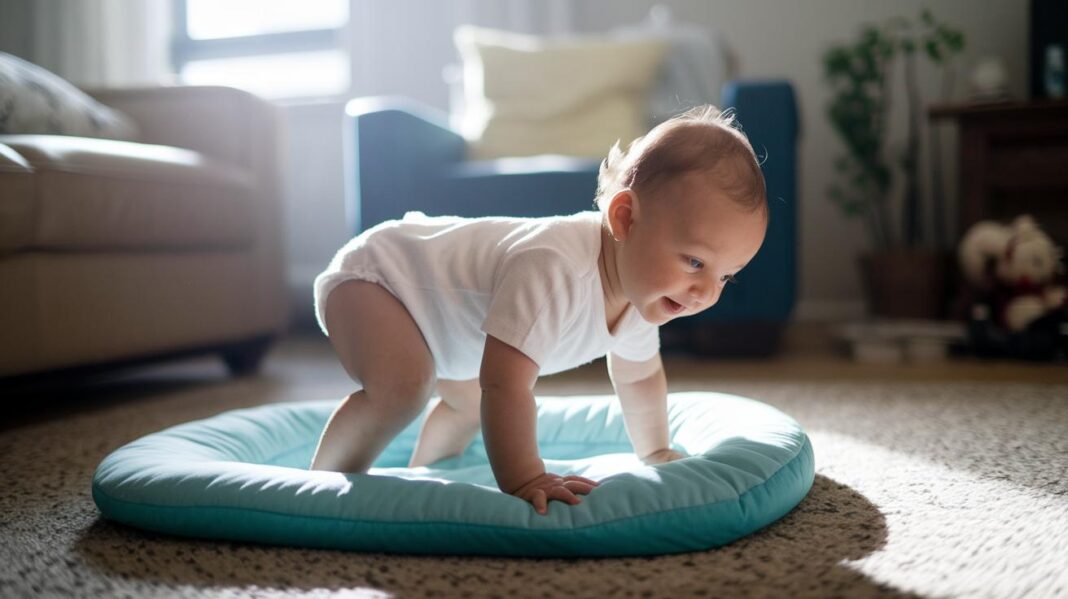
I love watching milestones like steady head control, sitting with ease, or even gentle crawling. These moments are little indicators of progress, like whispers from their inner world guiding them to bigger steps.
In this post, we’ll explore these early steps toward balance and how they bring smiles to our hearts. Every tiny movement is a beautiful reminder that each moment is a step forward to a world full of wonder.
Essential Infant Balance Milestones Overview
Infants start building their balance by using signals from their inner ear, eyes, and the way their body feels. Right from the very start, gentle reflexes like the Moro and stepping reflex act as early helpers, almost like a baby’s way of saying, "I’m ready to explore." It’s similar to when a toddler happily waves to greet you.
Around 3 to 4 months, you might notice your baby holding their head a little steadier. This is a sign that their head control is getting stronger. Then, between 4 and 8 months, many babies begin to sit on their own by gently twisting their trunk to keep balanced. This is when tummy time turns into a fun game that builds both strength and coordination.
Between 6 and 12 months, crawling shows up as a key way for your little one to learn about shifting their weight and understanding space. And from 9 to 15 months, supported standing or cruising along furniture brings a bright burst of progress as they get ready to walk. A bit of gentle bouncing or being cradled by a caring hand adds extra joy while reinforcing these early balance steps.
Every one of these moments builds on the last. They show how natural reflexes mix with the signals from their senses to guide movement. Even a quick look during tummy time can spark a bit of improvement, much like how a soft rocking can lift both spirits and core strength.
infant balance milestones spark joyful progress
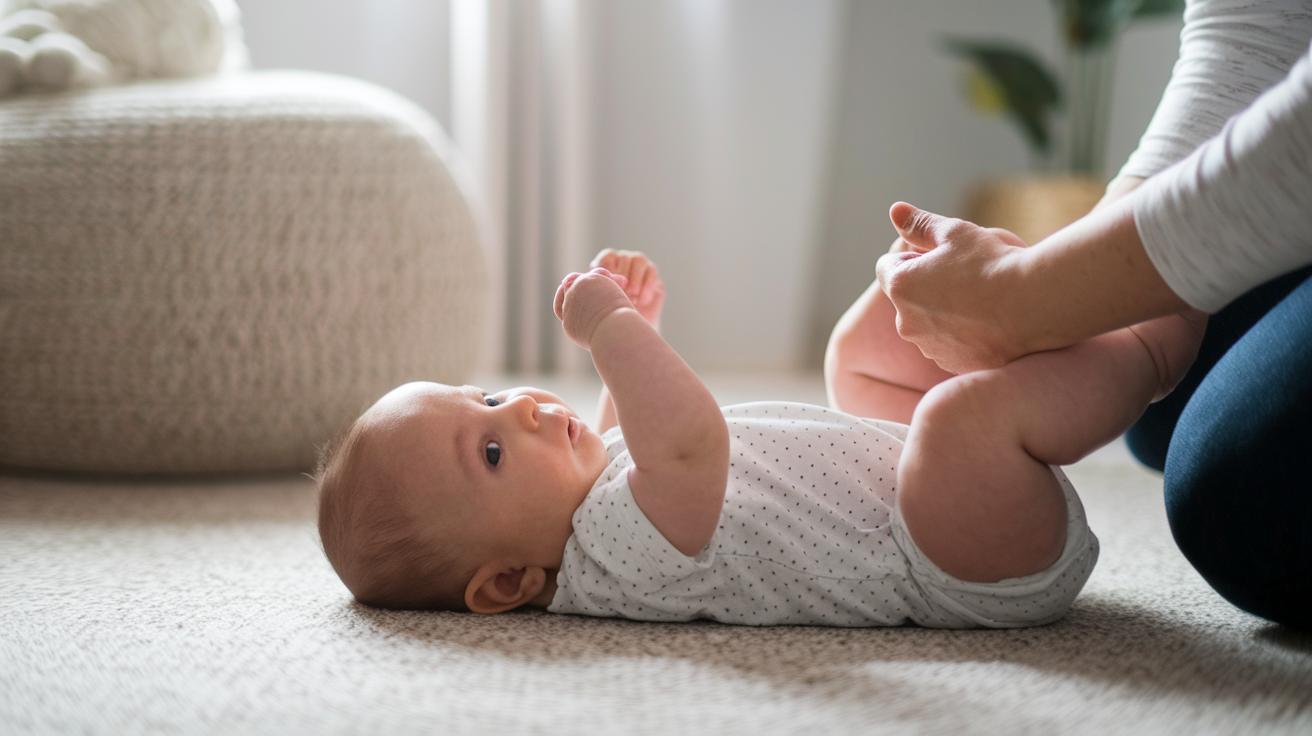
Watching your little one learn balance and coordination is like witnessing a daily celebration. In those first few months, your baby uses natural reflexes (like the Tonic Labyrinthine Reflex, and also the Symmetrical and Asymmetrical Tonic Neck Reflexes) to guide their very first movements. It’s a bit like a gentle introduction to the world, when your baby wiggles during a cozy cuddle, it’s a tiny hint of the amazing things their senses will do.
By about 3 to 5 months, you might notice your baby lifting their head and chest during tummy time. That little lift can feel like a mini party. Imagine saying, “Wow, today my baby is taking off for their first flight!” Then, when they reach for a toy between 6 and 8 months by shifting their weight on their tummy, it signals growing strength and new ways to explore.
Between 9 and 11 months, your baby will begin sitting on their own, sometimes even twisting their body just a little. This moment is a gentle step towards more active adventures. Soon after, from 12 to 15 months, a cute phase called “knee walking” might show up. It’s an early way to explore movement and discover their world. Then, during the 16 to 18-month phase, your little explorer starts to walk up a step while holding on, and from 19 to 24 months, even walking down steps with a bit of support is a big little win.
As your child grows into their toddler years, balancing on a low beam, climbing stairs step-by-step, catching a bounced ball, or standing on one foot become further signs of progress. Every small achievement builds a strong foundation for more big steps in gross motor skills and balance.
| Age Range | Balance Milestone |
|---|---|
| 0–2 months | Uses natural reflexes like TLR and STNR/ATNR |
| 3–5 months | Lifts head and chest during tummy time |
| 6–8 months | Balances on tummy to reach for toys |
| 9–11 months | Sits by themselves and may twist their trunk |
| 12–15 months | Begins knee walking |
| 16–18 months | Walks up one step with help from a hand or rail |
| 19–24 months | Walks down one step with support |
| 24–29 months | Walks on a low balance beam holding one hand |
| 2–3 years | Climbs stairs one step at a time without a rail |
| 3–4 years | Catches a bounced ball |
| 4–5 years | Balances on one foot for 4–8 seconds |
| 5–6 years | Holds a one-foot balance for 10 seconds |
Role of Reflexes and Sensory Systems in Infant Balance
From the moment they're born, babies lean on their natural reflexes to begin moving. Those basic reflexes, like the Moro and stepping reflex, help spark their first movements and pave the way for building balance skills. When you see your little one flailing their arms, it's a sweet sign that their brain is starting to mix signals from different senses.
The vestibular system starts to form even before birth, around five months in the womb. Think of it as a gentle inner guide that helps your baby find their way. Simple activities like a soft rocking or tummy time can add a playful boost to this system. For example, try cradling your baby and giving a gentle bounce; that small motion helps their inner ear learn how to sense movement and direction.
Then there’s proprioception, often known as the body's sixth sense. As your baby explores and moves, they gradually learn where each arm and leg is placed. Meanwhile, their vision fills in the missing pieces by helping them notice distances and obstacles, which further sharpens their balance. This blend of reflexes and sensory clues brings the early stages of balance to life, and every tiny bit of progress is a joy to see.
Exercises and Support Techniques for Infant Balance Progress
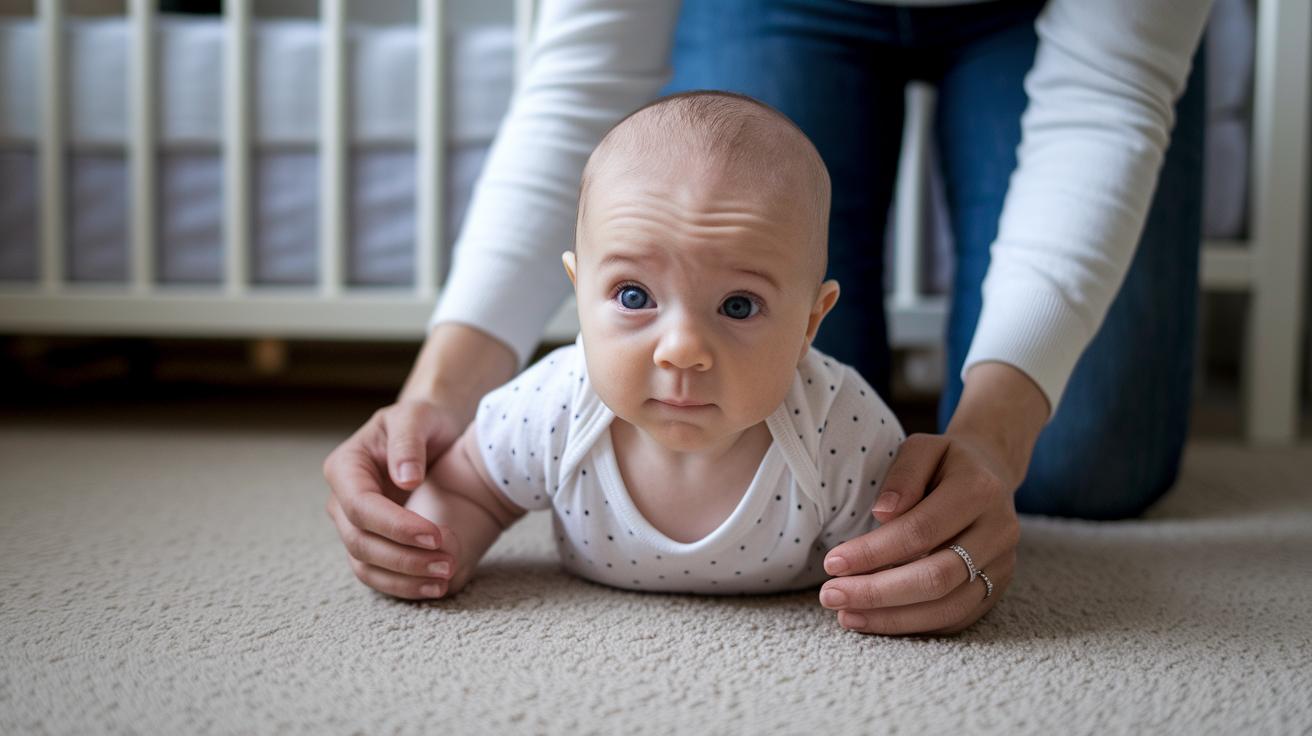
Every day is a chance for you and your baby to share a little playtime while building strength and balance. Imagine turning everyday moments into fun activities that help your little one feel safe and confident as they discover movement. Here are six simple ways you can try at home:
• Tummy time fun: Lay your baby on their belly to help strengthen neck and upper-back muscles. You might cheerfully say, “Let’s see how long you can hold up your head today!” This helps build the muscles they need for head control and sitting up later.
• Cozy supported sitting: Sit your baby on your lap or a steady cushion and gently guide them to turn from side to side. It’s like a tiny dance that helps strengthen their core and makes them aware of their trunk movements.
• Gentle bouncing and cradling: Hold your baby securely and add a small, up-and-down motion. It feels like a mini ride and helps your baby learn about movement and balance, kind of like enjoying a calm swing.
• Reaching-for-toy fun: Place a bright, inviting toy just slightly out of reach. It invites your little one to lean from side to side and shift their weight. This playful game teaches that moving their body makes reaching and balancing easier.
• Exploring different surfaces: Allow your baby to play on soft grass or a sandy area during outdoor time. Different textures give extra feedback to their little body, boosting their sense of balance in a natural way.
• Seated ball and side-lean play: Set your baby on a soft ball or cushion and encourage gentle side bends. This playful exercise not only makes balance fun but also helps build core strength, like a little game in your living room.
Each of these activities turns regular moments into joyful steps toward a strong, balanced baby. Enjoy watching your little one discover the world with confidence!
Recognizing Atypical Patterns and When to Seek Professional Support
It’s important to keep an eye on your baby’s milestones, especially when it comes to balance and movement. Sometimes, little delays like not holding their head steady by about 4 months or not sitting up by around 9 months can be hints that your baby might need a bit of extra help. You know how a gentle sway or a frequent fall can feel like more than just a clumsy moment, it might be a signal that their natural balance is taking a little longer to develop.
Other signs to watch for include reflexes that don’t fade away as expected, or challenges with shifting their weight smoothly during play. If you’re noticing these signs during your baby’s check-ups, consider talking with your pediatrician or a pediatric physical therapist. They can share some friendly advice and early tips to help build your baby’s strength and coordination.
Here are some gentle signs to keep in mind:
- No steady head control by 4 months
- Not sitting up alone by 9 months
- Reflexes that stick around longer than usual
- Too much swaying or frequent falls
- Trouble shifting weight during movement
Early guidance can give your little one a more solid start in life, helping them feel secure as they grow and explore.
Printable Visual Timeline and Milestone Checklist for Infant Balance
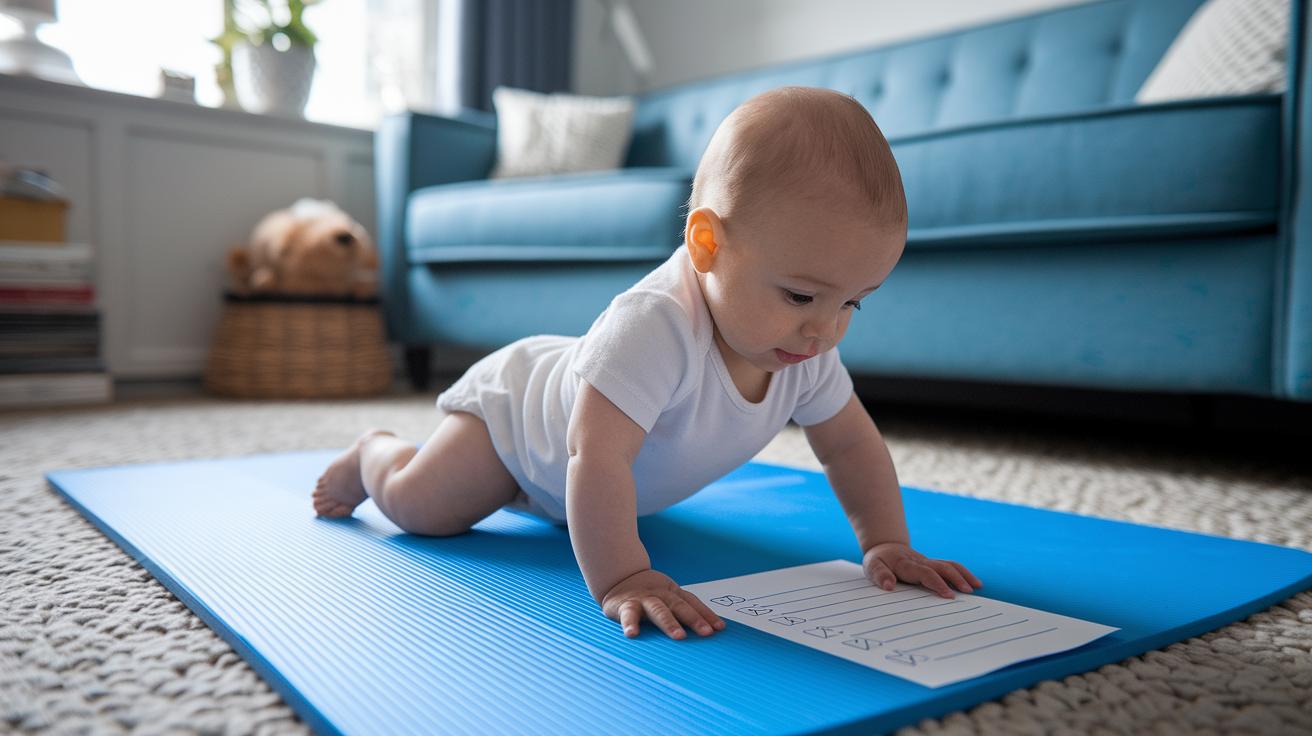
Imagine this easy-to-use checklist as a friendly sidebar beside your deeper observations. Keep it handy as you watch your baby grow each day. Jot down little moments when you notice your baby’s balance improving, like when they hold their head steady during tummy time or sit up on their own around 8 months.
Try using the checklist during everyday play. It’s a simple way to record quick updates, whether it’s a small change in how your baby crawls or that first bit of supported walking. Think of it as a daily reminder of all the tiny, wonderful achievements.
| Age Range | Balance Milestone |
|---|---|
| ~4 months | Head control develops |
| ~8 months | Independent sitting begins |
| ~12 months | Crawling starts |
| ~15 months | Cruising along furniture |
| ~18 months | Supported walking emerges |
Use the checklist during playtime for quick and easy updates. It fits perfectly into your daily routines and helps you notice even the smallest progress.
Keep it close by, review it often, and let it be a little celebration of every step forward in your baby’s journey.
Final Words
In the action of play, everyday moments help shape those infant balance milestones. We covered little steps from early reflex cues to tummy time and supported sitting, showing how simple activities build strength and stability. Each exercise and gentle push encourages movement that lights up developmental progress. Watching these small wins reassures you that every little effort counts. Keep cherishing these moments of growth, and remember that every smile, wiggle, and reaching hand tells a story of your baby's thriving progress.
FAQ
What are baby milestones month by month?
Baby milestones month by month show changes like head control, sitting, and crawling, giving parents a helpful guide to track their little one’s growth.
How do baby milestones charts for 0-12 months and 12-18 months, including gross motor milestones, work?
Baby milestones charts for 0-12 months and 12-18 months, along with gross motor charts, provide clear indicators of progress such as improved balance, movement, and physical skills through the first year and beyond.
What does a free downloadable developmental milestones PDF offer?
A free downloadable developmental milestones PDF offers a visual timeline that clearly outlines a baby’s key growth markers, helping you keep track of balance, motor skills, and overall progress.
How is a 6-month-old baby’s development, including intellectual growth, recognized?
A 6-month-old baby’s development is seen in both physical balance and emerging intellectual curiosity, as they start to explore, reach for toys, and interact with their surroundings.
What do fine motor skills indicate in infant development?
Fine motor skills highlight how a baby learns to grasp and move objects with small muscle movements, advancing alongside balance and gross motor skills for better coordination.
When should I worry about my baby’s balance?
Worry about your baby’s balance if expected cues like head control by around 3-4 months or independent sitting by 9 months do not appear, as these delays may require a pediatrician’s advice.
At what age do babies start to balance?
Babies generally begin to balance when head control develops around 3-4 months, with more stability seen when they start sitting independently between 4-8 months.
What are red flags for developmental delays in balance?
Red flags for developmental delays include lack of head control by 4 months, inability to sit by 9 months, and persistent primitive reflexes, all of which suggest a discussion with a healthcare provider.
What are the major milestones for infants regarding balance and motor skills?
Major milestones for infants include developing head control, sitting alone, crawling, and starting early walking, each marking important progress in balance and overall motor coordination.