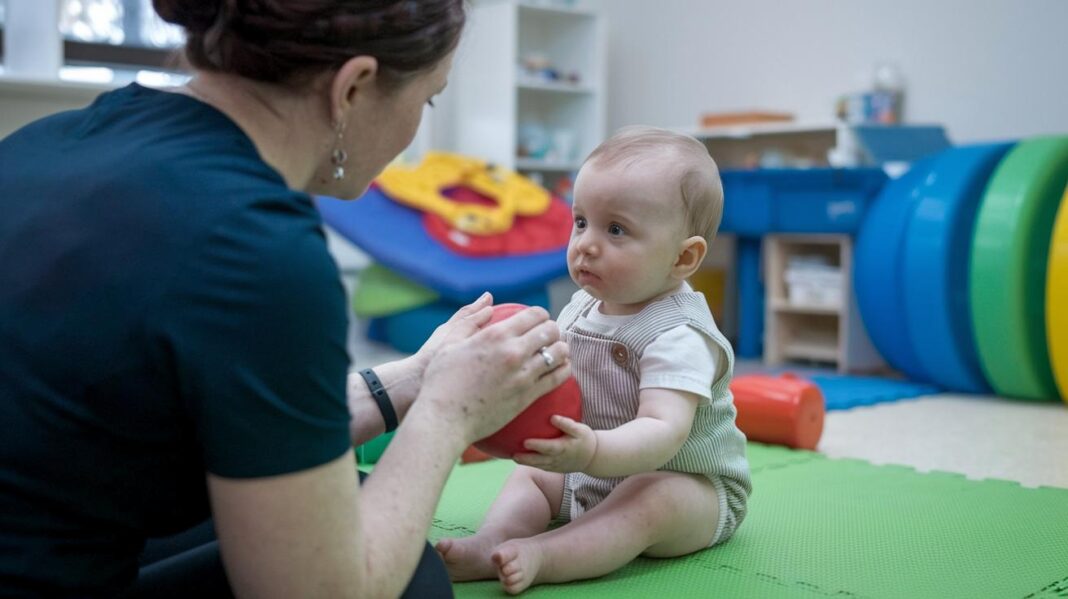
Is your baby missing those little growth signals? Sometimes, little ones might take a bit longer to start babbling or cooing, much like a young plant that needs extra water and sunlight to flourish.
Noticing these delays early on means you can step in with some simple, caring strategies. It reminds me of moments when a small, attentive change can make a big difference in your day.
In this article, we'll look at three gentle ways to support your baby’s growth when milestones seem to be taking their time. We’ll point out some clear signs to watch for and share practical tips to help guide your child's development, setting the stage for a bright and happy future.
Pinpointing Missed Infant Milestones and Early Intervention Strategies
Sometimes, babies might not hit a new skill right when most kids do. This kind of delay can show up in speaking, moving, or even sensing things. For example, if you notice your little one isn’t babbling at six months as expected, it might be a sign that they could use a bit of extra help. Early support is important because it helps lay a strong foundation for your child’s future.
Early help works because a baby’s brain is very adaptable (this is called neuroplasticity, meaning the brain can form new connections). In these precious early years, a little timely support can build healthy learning paths. It’s a lot like caring for a young plant, when you give it the right care early on, it grows strong and steady.
Keeping track of your baby’s progress is also key. Regular check-ups and simple screenings help you notice when things might be off track. A handy tool like an infant milestones checklist can guide you on what to expect and when to consider reaching out for an evaluation.
If you do spot a delay, there are many ways to support your child. Therapies such as speech, physical, or even playful movement sessions can give them the boost they need. And, chatting with your pediatrician or family doctor as soon as possible helps ensure you’re on the right path to building those essential early skills.
Recognizing Warning Signs of Infant Developmental Delays

Even small delays, like fewer coos during cuddle time, might mean it's time to take a closer look at your baby's growth.
Sometimes, when a baby doesn’t hit common milestones, it could signal that extra support is needed. For example, if your little one isn’t babbling by six months, that may be a sign to pay attention. You might also notice gentle hints like less eye contact during play, uneven or wobbly movements, or fewer smiles during cuddle time. These small clues can help you understand if your baby is experiencing speech delays or has challenges with moving and interacting.
It turns out that even little delays, such as a softer start with cooing or a delayed first word, might point to early differences in development. When you see a mix of signs like:
- Slower babbling or delayed first words
- Reduced eye contact during daily routines
- Wobbly or uncoordinated movements during play
- Fewer warm, social smiles
it can be a good idea to chat with your pediatrician or family doctor to see if any extra support is needed for your baby.
Conducting Infant Developmental Screening and Professional Referrals
It’s really important to keep an eye on how your little one is growing. If you start to notice that your baby might be taking a little longer to reach certain milestones, setting up a quick screening can be a good first step. These screenings check things like babbling, moving, or the way your baby responds to sounds and sights, giving you a clearer picture of their progress.
Have you ever seen your baby babble less during playtime? That small change might be a hint that you should call your pediatrician. It’s always best to chat with your family doctor right away if something feels off. Waiting too long could mean missing out on early supports that can really help.
Here’s a simple process to follow:
- Set up a screening with a provider you trust.
- Share your observations about your baby’s behavior.
- Follow any advice or referrals if there are signs of delays.
- Use the guidance offered to arrange any needed further assessments.
Remember, nearly 9,500 providers are available for online scheduling, and many offer 24/7 video visits. Getting help quickly is easier than ever, ensuring your baby gets the support needed right when it matters most.
Evidence-Based Developmental Therapies for Infant Milestone Catch-Up

Starting therapy early can really help your little one grow and learn. Physical therapy provides gentle exercises that strengthen muscles and boost coordination. Think about a fun routine where your baby reaches out for a rattle, that simple move lays the groundwork for important motor skills.
Sensory processing therapy helps your child understand how to react to different sounds, touches, and sights. Techniques like craniosacral therapy and sensory integration work together to ease neurological challenges and sharpen sensory responses. Imagine a soft massage or a playful texture game that lights up your baby’s eyes with curiosity.
Occupational therapy makes daily activities engaging by teaching your baby how to coordinate hand and eye movements. A caring therapist might introduce activities such as stacking soft blocks or sorting bright, colorful items, which can make a big difference in boosting coordination and focus.
Speech therapy is another key piece in the puzzle, as it encourages early language skills. Simple routines like reading aloud together or imitating sounds can gently guide your baby from babbling to saying those first words. In fact, many therapists blend these approaches to ensure each step supports the next.
Early intervention programs tap into your baby’s natural ability to learn and adapt. Picture your baby giving a bright smile after a fun therapy session, that small moment of joy can be the start of stronger communication and movement skills. Starting these therapies early can set your child up for lifelong growth and learning.
Family-Guided Home-Based Stimulation Techniques for Early Growth
Your home is a warm and caring place where everyday moments can make a real difference in your baby’s growth. In those early years, little ones build new brain connections rapidly, and by adding playful routines to your day, you help boost motor skills, sensory awareness, and even early language, all while deepening the bond you share.
Try setting aside a few minutes each day for simple sensory play. Imagine laying out a soft blanket on the floor and giving your baby the chance to explore a smooth piece of fabric, crinkly paper, or a gently bumpy toy. It’s a chance to spark curiosity, share smiles, and exchange soft words in a relaxed setting.
Here are a few easy ways to guide your baby’s development:
| Activity | How It Helps |
|---|---|
| Motor Skills | Roll a soft ball for your baby to reach, encouraging movement and coordination. |
| Language Skills | Sing a favorite song or read a bright, short story to build early language skills. |
| Bonding Time | Enjoy cuddle sessions, casual chats, and respond lovingly to every adorable babble. |
These home-based activities are designed to be both fun and nurturing. By making them a regular part of your day, you give your little one a daily boost and create treasured moments full of love and discovery. Isn't it wonderful how simple efforts at home can light up both your lives?
Monitoring Progress and Measuring Early Intervention Outcomes

You can keep a simple daily journal to track your child's growth. Try writing down little milestones, like, "Today, my baby reached for a toy and clapped during a song." Pairing these home observations with regular check-ins at the pediatrician and advice from specialists helps you see the full picture.
Here are a few tips:
- Write down new skills your child shows every day or week.
- Chat with your pediatrician during routine visits about these moments.
- Work with specialists for extra guidance and screenings.
This friendly mix of home notes and expert advice keeps things clear and simple, so you can adjust care just when it's needed.
Final Words
In the action, we explored early intervention for missed infant milestones and practical ways to support your little one. We looked at spotting warning signs, using screening tools, and seeking professional advice when needed. Home-based activities and evidence-backed therapy strategies make a big difference too. Each step shows that simple changes really can lead to lasting improvements. Stay confident and keep trusting expert guidance while you help your child reach new heights.
FAQ
How to help a child with developmental delay?
Helping a child with developmental delay involves early evaluation, customized therapy (physical, occupational, or speech), and supportive home activities that build learning and social skills.
What is the importance of early intervention for infants and toddlers with disabilities and their families?
Early intervention is important because it uses a child’s adaptable brain to promote learning, improves essential skills, and gives families guidance to support their child’s growth.
What are some early intervention examples?
Early intervention examples include developmental screenings, therapy sessions such as movement or speech exercises, and home-based activities that parents can do to support their child.
What ages are appropriate for early intervention?
Early intervention programs support children from infancy through age five, with critical developmental support offered during early childhood and between ages three and five.
Are there free child development assessment tools available?
Free child development assessment tools, including screening checklists like our “infant milestones checklist“, help parents track progress and note any potential delays.
What early intervention services are available for infants and toddlers?
Early intervention services for infants and toddlers include developmental evaluations, various therapies (physical, occupational, and speech), and guidance from pediatric experts to aid progress.
Is there a child development screening checklist available?
A child development screening checklist helps parents observe milestones and any delays, making it a useful tool for discussions with healthcare providers for timely support.
What treatment options exist for delayed milestones?
Treatment for delayed milestones involves early identification and a range of therapies—including physical, sensory, and speech interventions—paired with regular assessments to track progress.
What should you do if your baby is missing milestones?
If your baby is missing milestones, consult a pediatrician for an evaluation and consider professional early intervention services to support and guide developmental progress.
What is early intervention for children with developmental delay?
Early intervention for children with developmental delay means identifying early gaps and beginning therapies, educational supports, and home routines to boost the child’s development.
What are signs that a baby might need early intervention services?
Signs a baby might need early intervention include limited babbling, poor eye contact, reduced movement or muscle tone, and missing social cues, all of which call for prompt evaluation.
What are the four types of developmental delays?
The four common types of developmental delays include motor delays, speech and language delays, social and emotional delays, and cognitive delays, each identified through careful screening.