Have you ever noticed that when you're stressed during pregnancy, you might grab a sugary snack instead of the healthy meal you planned? When we feel overwhelmed, our bodies release extra cortisol, which confuses our hunger signals. This often makes us pick foods that give us a quick boost instead of long-lasting nourishment. Research shows that high stress can change our eating habits and may affect our long-term health and our baby's wellbeing. Let's talk about how stress can change our food choices and what that means for everyday nutrition.
How Maternal Stress Directly Influences Nutritional Choices
When moms feel a lot of stress during pregnancy, it can really change the way they choose food for themselves and their little ones. Research shows that high stress causes the body to release cortisol, which can mess with your hunger signals. That means when you’re stressed, you might find yourself craving sugary, quick-energy foods instead of the nourishing foods your body needs. For example, during the COVID-19 pandemic, 38% of people said they felt stressed, and 16% felt very distressed, this goes to show how widespread stress can impact our eating habits and even set the stage for health challenges like childhood obesity later on.
Stress and meal planning have a two-way relationship. When stress leads to unbalanced meals, it can make you feel even more overwhelmed. And when you're not getting the right nutrients, it can add to your stress. Many experts suggest trying to stick with a balanced diet even on hard days. It might be as simple as learning a bit more about macronutrients (the main building blocks in foods) to ensure you’re including a healthy mix of nutrients. Even small changes in your diet can make a big difference in how both you and your baby feel.
Neuroendocrine Pathways of Maternal Stress and Diet
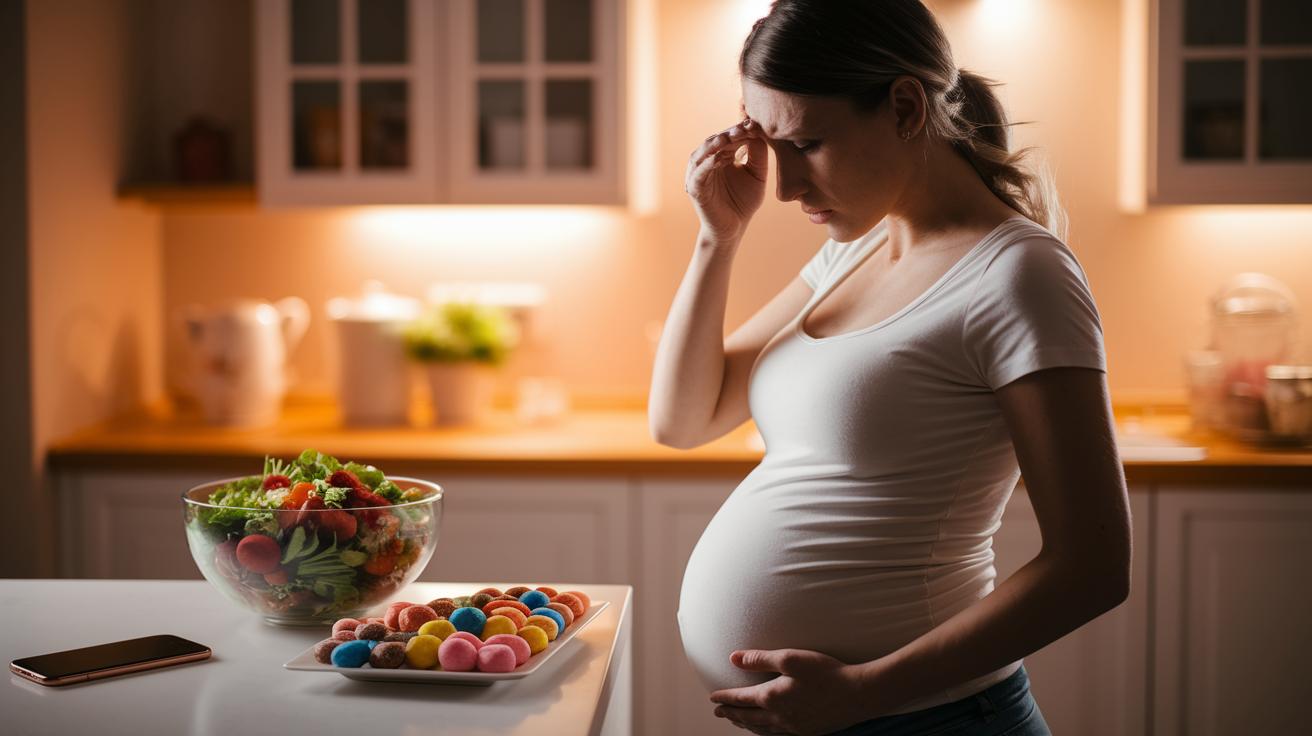
When stress builds up in pregnancy, your body jumps into gear by releasing hormones like cortisol. This little hormone can throw your hunger off balance, making you lean toward quick, energy-rich foods instead of meals packed with the nutrients you need. Picture it like this: you plan a fresh salad, but a surge of stress sways you toward a sugary snack, even though you know healthy food benefits both you and your baby.
Our body’s stress reaction is a mix of hormones and signals that change how we choose our food. It’s a bit of a two-way dance. Stress can push you to eat in ways that aren’t as balanced, and a diet low in quality nutrients can, in turn, boost your stress levels. Here are the four main ways stress nudges you toward different nutritional choices:
• HPA axis activation and cortisol spikes
• Emotional eating triggers
• Altered gut-brain signaling
• Impaired micronutrient absorption
These processes highlight how our feelings and food go hand in hand during pregnancy. When cortisol levels rise, it really shifts your cravings toward quick energy foods, sometimes sacrificing the balanced nutrition your body and baby need. Recognizing these signs can be like noticing a tiny change in a favorite recipe, it might seem small at first, but over time, these shifts can have a big impact on your health and your little one's well-being.
Risk Factors Amplifying Stress-Driven Dietary Shifts in Pregnancy
When healthy food isn’t easy to find, many expectant moms feel pushed into making choices that only add more stress to their already busy lives. Studies from both the U.S. and Alabama show that not having enough nutritious options often comes with more pregnancy complications, tougher outcomes, and even higher chances of serious risks for both mom and baby. During the COVID-19 pandemic, for example, many people, 38%, said they felt stressed, and quite a few, about 16%, felt very overwhelmed. This kind of pressure can make it so much harder to pick meals rich in nutrients, and instead, many end up choosing quick-fix foods that are high in calories.
Money worries and food deserts (areas where fresh food is hard to come by) also play a big role in these choices. When nutritious food is either too hard to get or too pricey, moms might lean toward convenience foods that give a burst of energy but lack the necessary vitamins and minerals. And with everyday stress from juggling work, family, and other duties, it’s easy to see why many might choose foods that are comforting and simple to prepare, even if they aren’t the best for a balanced diet during pregnancy.
All these challenges show just how tough it can be for women in some communities to keep their diets healthy when they need it most. Understanding these problems helps us all, especially caregivers, focus on building a caring community, where moms can get the nutrition guidance and support they deserve.
Stress-Driven Changes in Macro and Micronutrient Intake
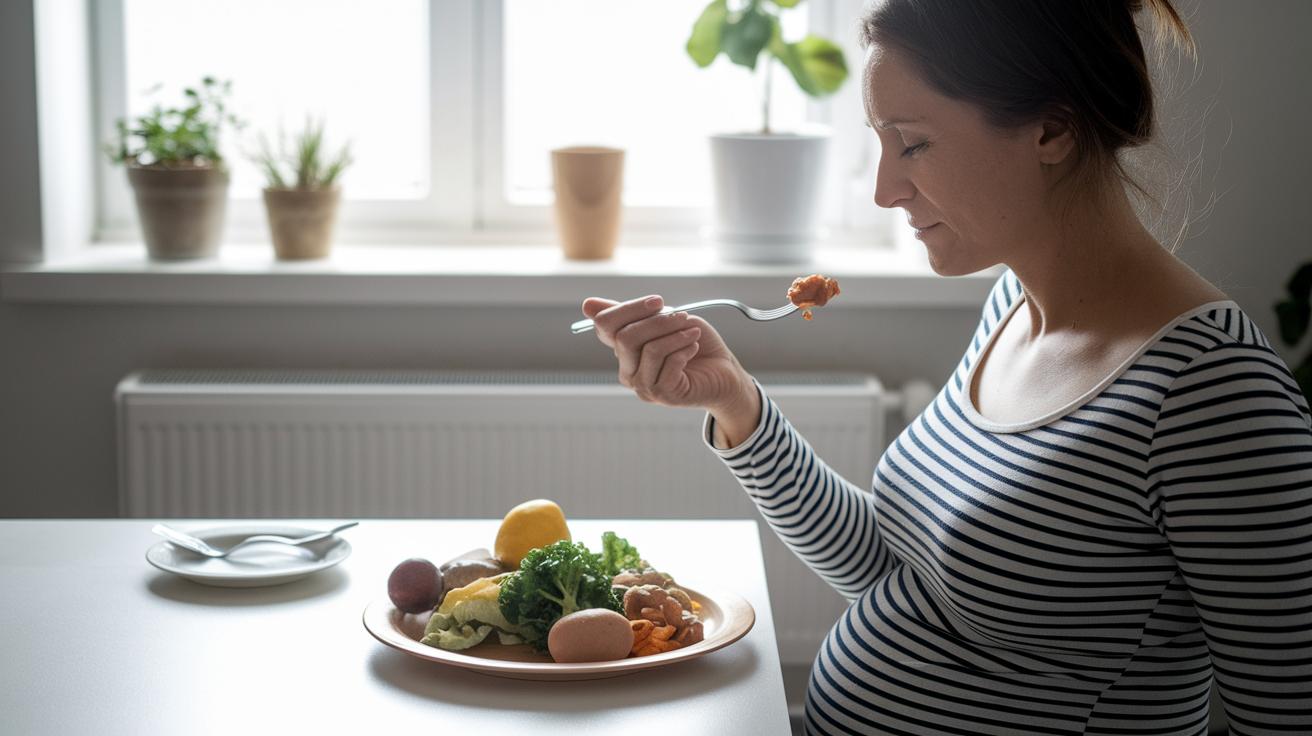
When stress hits during pregnancy, it can really shake up your eating habits. Even though experts recommend adding about 340 extra calories a day in the second trimester (600 if you're expecting twins and 900 for triplets), stress might make it tough to stick to those numbers. You may find yourself grabbing quick energy fixes, like a sweet treat or a salty snack, instead of preparing a meal that truly nourishes you and your baby.
Imagine planning a balanced meal, only for a hectic day to toss your plans aside. Stress can lead you to crave sugary foods more often, while protein-rich options, which are so important for your baby’s growth, might get pushed to the side. Plus, your body might not absorb vital vitamins and minerals as well as it usually would. These changes in your eating patterns can sometimes contribute to risks like pre-term birth or gestational diabetes.
Below is a brief look at how stress can change your usual nutrient intake compared to the standard recommendations:
| Nutrient Category | Recommended Intake | Stress-Induced Change |
|---|---|---|
| Carbohydrates | 175 g/day | More cravings for simple sugars |
| Proteins | 71 g/day | Fewer protein-based meals |
| Fats | 25–35% of calories | Preference for saturated fats |
| Micronutrients | Iron 27 mg/day; Folate 600 µg/day | Lower absorption and intake |
Taking a moment to notice these changes can really help you make more mindful food choices, even on stressful days.
Stress Management Strategies to Support Maternal Nutrition
When stress makes it hard to stick to healthy eating, just a few small changes in your habits can really help. Experts agree that carving out time for a balanced meal can ease some anxiety and support better nutrition for both you and your baby.
Mindful Eating Practices
Start by tuning in to your hunger signals. Try to eat without distractions like TV or your phone so you can really enjoy your food. Imagine sitting at your table and savoring every bite while noticing how your body feels. This simple habit can show you when you’re truly hungry and when you're reaching for food because you’re stressed. Keeping a food diary can also reveal if stress is tricking you into choosing sugary or fatty snacks, which might leave you feeling off later.
Relaxation Techniques Paired with Nutrition
A few deep breaths or some gentle prenatal yoga (yoga for expecting moms) can calm your mind and help you make better meal choices. Picture yourself taking a slow, deep breath before you decide what to eat. You might even set aside a few minutes during meal planning to breathe deeply and reset. I once tried a five-minute breathing break, and it made preparing a wholesome meal feel like a fun little break instead of a chore. That short pause gives your mind the space to pick nutrient-rich foods instead of comfort snacks.
Targeted Dietary Counseling
Talking to a prenatal dietitian or joining a support group can offer advice that’s just right for you. These experts can share tips and digital resources to help manage stress-related eating. For instance, you might explore ideas on planning nutritious meals that fit your busy schedule. Combining practical guidance with a bit of personal support creates a toolkit that eases stress and helps you nourish both yourself and your baby.
Long-Term Impact of Maternal Stress on Nutrition and Health Outcomes

There’s new research from an economics professor that shows stress during pregnancy can affect more than just what you eat every day. When a mom feels overwhelmed, she might find herself reaching for foods that are higher in sugar and fat. In turn, her child may end up picking up those same eating habits, which could lead to a higher chance of obesity and other health issues later on.
Scientists are still trying to figure out just how much stress changes a mom’s nutritional choices, and how those changes might affect both her and her baby over time. They’re exploring how stress sends signals that make our bodies react in unexpected ways, like altering the way we feel hunger or fullness. They’re also curious about how these early habits might lead to tension and different eating behaviors as kids grow.
Key factors under investigation include:
- Changes in how hunger and fullness are felt, which might shape future meal choices
- The way stress hormones interact with the nutrients that moms and children need
These findings remind us that stress isn’t just about a momentary change in what we eat. Its impact can stretch far into the future, affecting the next generation, and that makes it really important for us to understand all the ways our bodies respond to stress.
Final Words
In the action, we explored how stress in pregnancy can sway food choices, shifting diets and even affecting both mom and baby. We covered how stress hormones change cravings and shared simple, useful ways for moms to keep feelings and nutrition in check. Each tip helps set up healthier habits for today and the future. Remember, every little change matters, especially when it comes to the impact of maternal stress on nutritional choices. Keep embracing those small steps toward well-being!
FAQ
Q: What are the effects of poor nutrition during pregnancy on both mother and baby?
Poor nutrition during pregnancy affects both mother and baby by raising the chances of birth complications, low birth weight, and other developmental setbacks that can impact overall wellbeing.
Q: How do maternal nutrition and stress impact mothers and children after birth?
Maternal nutrition and stress impact mothers and children by affecting postpartum recovery, infant growth, and long-term health, which in turn shapes future eating habits and overall wellbeing.
Q: How does the age of the mother affect the developing fetus during pregnancy?
The age of the mother influences the developing fetus by potentially increasing risks of complications; older mothers might face a higher chance of conditions that affect fetal growth or genetic health.
Q: How do maternal stress and mental health affect fetal and child development?
Maternal stress and mental health affect fetal and child development by disrupting hormones and brain growth, which may lead to behavioral changes and long-term psychological challenges if not managed.
Q: What does maternal illness mean during pregnancy?
Maternal illness during pregnancy means any significant health condition affecting the mother that can influence prenatal care and outcomes, requiring specialized medical attention to safeguard both mother and baby.
Q: Is there a relationship between nutritional choices and stress during pregnancy?
Nutritional choices are linked with stress during pregnancy by influencing cravings and meal decisions, as high stress levels can lead to unhealthy food selections that hinder proper nutritional support.