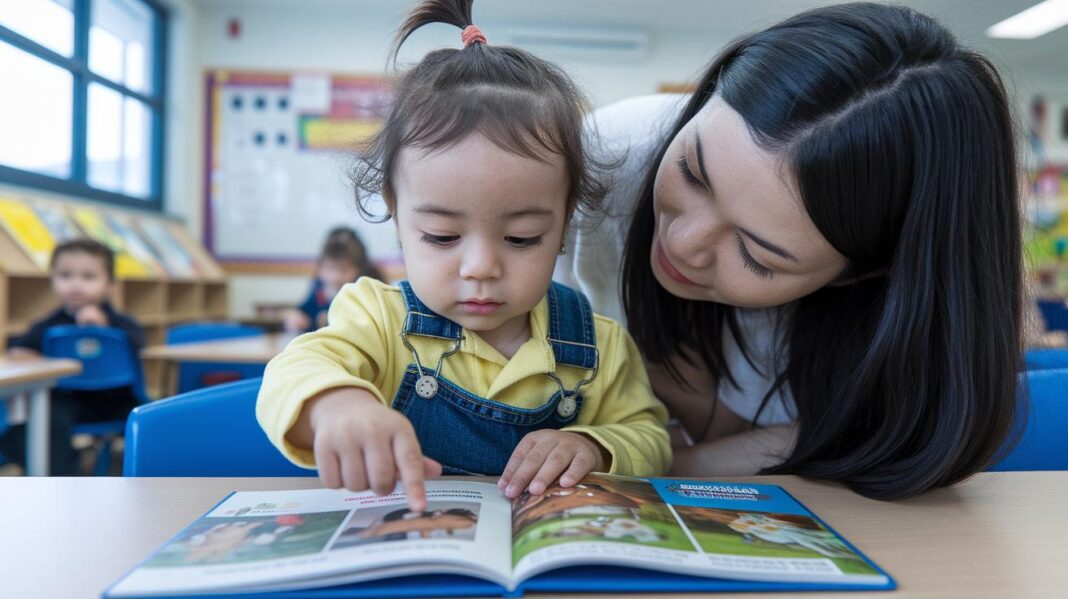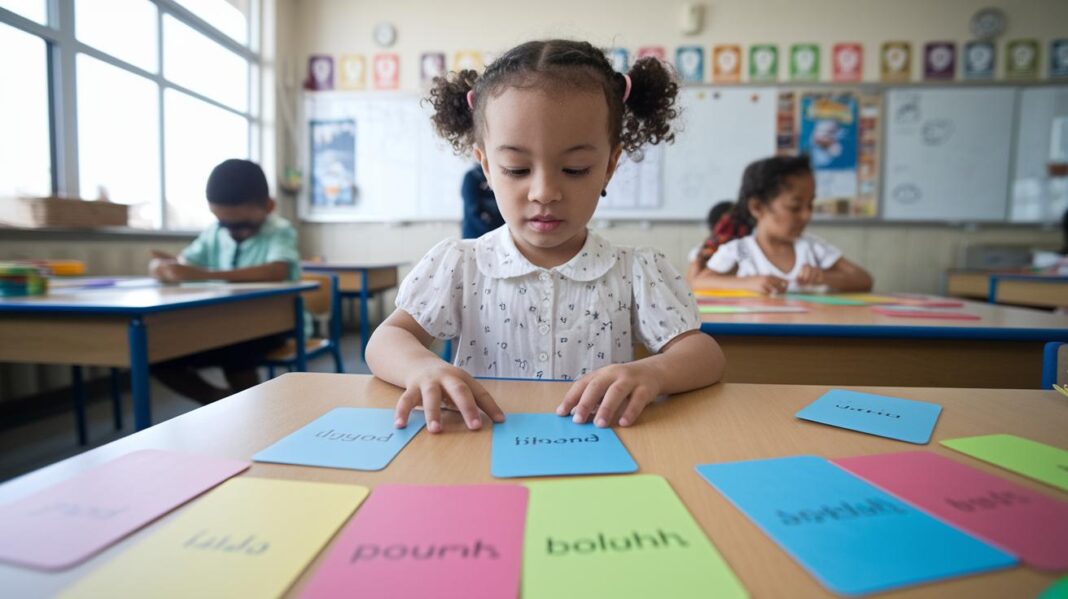
Have you ever noticed how a child's very first word can brighten up a whole room? When little ones start talking, it’s not just about chatting, it brings joy and helps their minds grow. Imagine a baby listening closely to a loved one’s voice, every sound filled with gentle care that sparks curiosity and shapes their thinking.
Experts say that learning words is like taking tiny steps toward discovering a bigger world. Each new word is a small building block that leads to a richer way of understanding life. And isn’t it wonderful to think that those early sounds are the start of a lifelong conversation?
Defining Language Acquisition: Key Concepts and Theories
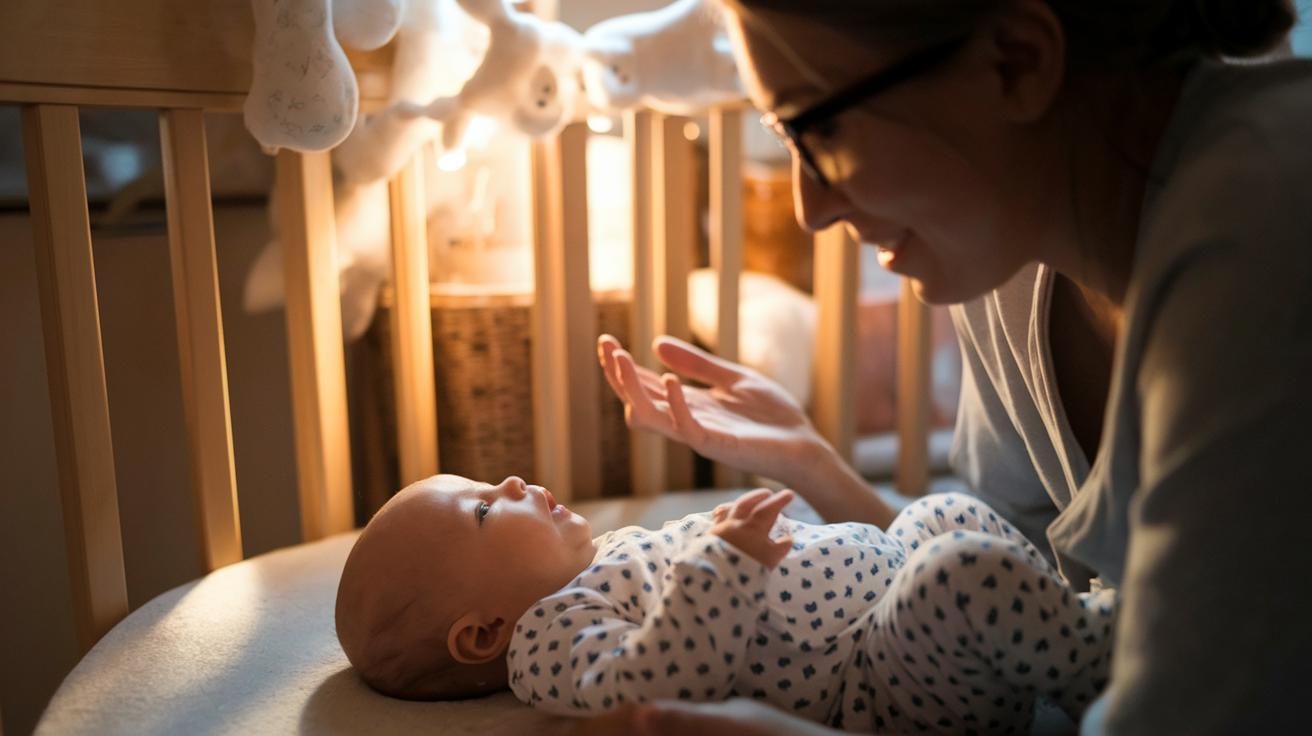
Language learning sparks exciting growth and shows how our early experiences shape the way we speak and understand words. Research tells us that learning a language comes partly from our natural gifts and partly from what we experience around us. Imagine a baby listening to a gentle lullaby; even before they say their first word, that sweet sound sparks endless curiosity about the world of speech.
One idea is that our brain is born ready to learn language. This view, sometimes called the nativist approach, suggests that babies come with a built-in framework for language. Think about a child piecing together sentences without much effort, it’s like nature giving them a head start in figuring out how words fit together.
On the other hand, the behaviorist view sees language learning as a matter of cause and effect. In this view, repeating words and getting little rewards shape how we speak, much like how a pet learns tricks through friendly rewards.
Then there’s the interactionist model, which reminds us that our social world plays a big role. It tells us that the loving tone and emotion in caregivers' voices help build language skills. Picture a parent reading a cherished story again and again, the familiar sound of the parent’s voice slowly helps the child understand words and feelings.
All these ideas, from the natural inborn skills, to learning through repetition, to understanding through social interaction, show that language is a mix of both nature and nurture. This blend helps form a joyful start to a child’s ability to connect with others and grow emotionally.
Neurological and Cognitive Foundations of Language Acquisition

Recent studies show that babies begin learning language before they even speak. In the final months of pregnancy (around 7 months), a baby starts to tune into the familiar, gentle patterns of its mom’s voice. It’s like receiving a soft introduction to the wonderful world of sounds.
After birth, this early experience sets the stage for more learning. Around 7 months, you may hear your baby babbling simple sounds like “ma” and “da.” By the time your little one reaches 8 months, these sounds begin to mirror the speech heard at home. The baby’s natural ability to process sounds helps its brain notice patterns, making it easier to build a growing vocabulary as they get older.
Research tells us that when a baby hears familiar voices again and again, it sparks important brain pathways that support language learning. The repeated sounds help shape clear patterns in speech, making early word recognition a joyful adventure. Every little sound plays a part in creating a strong, nurturing foundation for your child’s language skills.
Language Acquisition Sparks Joyful Mind Growth
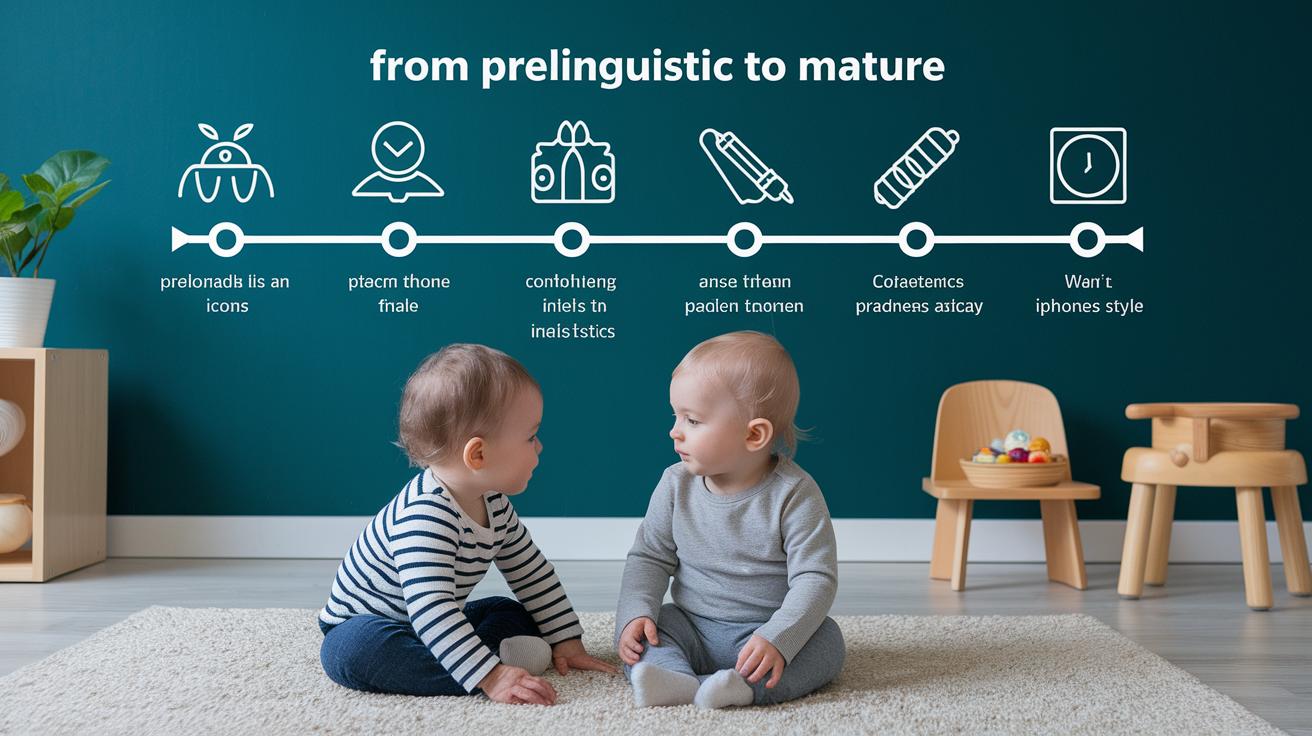
Learning to speak is an exciting adventure for little ones. Imagine your child as a brave explorer who is slowly discovering how sounds transform into words, and words into sentences that carry meaning. Fun fact: babies start playing with sounds by cooing and babbling long before they say their first words!
At first, during what we call the prelinguistic phase (from birth to about one year old), infants experiment with different sounds. It’s like hearing the opening notes of a cherished lullaby, gentle coos and simple babbles that pave the way for more complex tunes later on.
Then comes the holophrastic stage, usually between 12 and 18 months. At this point, one word can express a whole idea. Think of it as a tiny story packed into a single word.
Shortly after, between 18 and 24 months, kids start piecing words together during the two-word stage. With about 50 words in their vocabulary, they begin forming simple statements, much like putting together puzzle pieces to reveal a clearer picture.
Next, the telegraphic stage appears around 24 to 30 months. Here, children create brief, to-the-point sentences, similar to sending a quick text message that still gets the message across.
As they grow, kids enter the early multi-word stage (30+ months), where they begin using plurals and simple tense markers. A little later, from ages 3 to 4, their language blossoms into more complex sentences. They start using prepositions and conjunctions, and their speech flows more naturally, as if a once rough sketch is now a detailed painting.
Finally, by the time children reach the mature stage (5+ years), they speak smoothly with a rich vocabulary. They might still make a few tiny mistakes, but that’s all part of learning and growing.
| Stage | Age Range | Key Features |
|---|---|---|
| Prelinguistic | 0–12 months | Cooing, simple babbling, sound exploration |
| Holophrastic | 12–18 months | Single words that tell a whole idea |
| Two-Word | 18–24 months | Roughly 50 words, using simple subject-verb phrases |
| Telegraphic | 24–30 months | Short, meaningful sentences that leave out extra words |
| Early Multi-Word | 30+ months | Beginnings of plurals and simple tenses |
| Later Multi-Word | 3–4 years | Complex sentences with prepositions and conjunctions, smoother rhythm |
| Mature | 5+ years | Fluency with a rich vocabulary and occasional small errors |
This simple table shows the joyful journey of how little minds learn to communicate. Every step is a new discovery, building a bridge from adorable babbles to meaningful conversations, reflecting the beautiful progress of early life.
Second Language Acquisition Processes and Strategies

Learning a new language happens in three steps that help you build communication skills little by little. In the first phase, Connecting with the Language (3-6 months), you spend about an hour a day with simple, easy-to-understand material. Imagine sitting down with a short story or a simple podcast that repeats key phrases over and over. This routine gives you a strong start.
Next comes Stage 2, Getting Comfortable (6+ months). This is when you start to push yourself a bit. You move on to materials that are a touch more challenging, like longer stories or engaging conversations. At this point, you begin to learn more complex words and expressions, almost like gradually stepping into a bigger world of language. Have you ever felt a little thrill from understanding a new word?
Finally, there is Stage 3, Full Autonomy. This stage is all about diving into true-to-life language by listening to novels, news, and podcasts. For similar languages, you might reach this stage after about a year, but for very different ones, it might take a bit longer. Here, grammar mainly serves as a handy guide rather than the main focus, so you can really absorb how people speak in everyday life.
Here are some simple tips to support you along the way:
| Strategy | How It Helps |
|---|---|
| Daily listening/reading | Builds a steady habit and strong foundation |
| Gradual increase in difficulty | Helps you slowly pick up new words |
| Everyday immersion | Makes learning feel natural and fun |
| Setting clear goals | Keeps you motivated every step of the way |
| Using grammar as a guide | Lets you focus on real-life language use |
These friendly tips are here to help you build lasting language skills while keeping the journey enjoyable. Isn’t it wonderful how small daily steps can lead to big progress?
Comparing First and Second Language Development
Kids pick up their first language naturally. They learn words and sounds while chatting with family and friends, usually from birth up to around five years old. It’s like hearing your favorite song over and over until you know all the words. Soon enough, little ones start saying simple words by copying the caring voices they hear every day.
On the other hand, learning a second language usually needs more clear, step-by-step help. Older learners often go through organized lessons and practice routines. Sometimes this makes their speech feel a bit fixed, like following a strict recipe instead of just having fun with words. It really takes some focused effort, much like carefully assembling a toy from an instruction manual.
Being bilingual comes with some cool brain benefits too. People who speak two languages tend to think more flexibly and notice language details more easily. They can switch between languages smoothly, which keeps their minds sharp and agile. While first language skills grow naturally, working on a second language can really boost your overall thinking and make communicating something even more special.
Educational and Clinical Implications of Language Acquisition Research
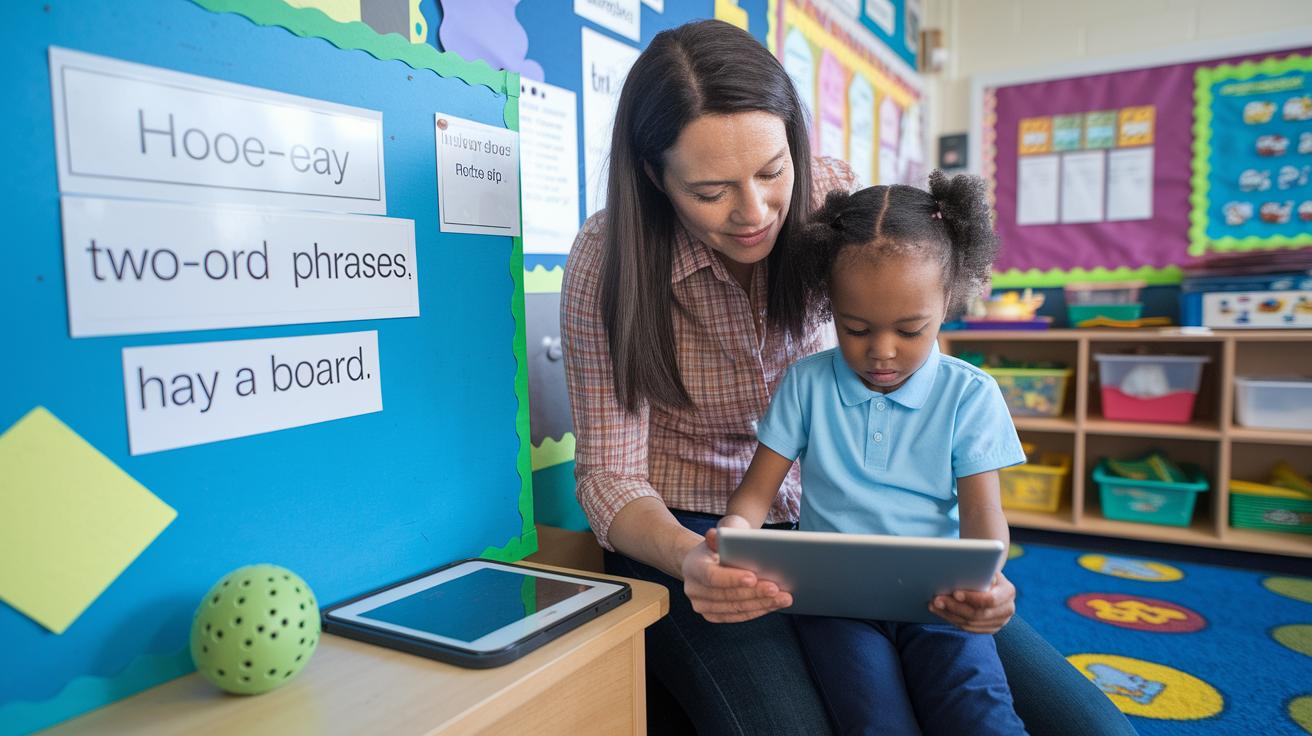
Research shows that understanding how children pick up language can really change the way we help them learn and grow. Experts often step in to support kids with challenges like dyslexia, ADHD, or slower milestones by watching every little word they form, from those first coos to full sentences. Imagine a teacher saying, "I see you’re starting with two-word phrases today," which comforts both the child and the parent, knowing that each small step is celebrated.
Interactive activities such as fun language games and hands-on lab exercises make learning feel playful. Picture a warm classroom where a teacher sets up a mini role-play corner, and kids share their own little stories as if they’re chatting with friends. It’s a simple, joyful way to break down language barriers and inspire a love for learning.
A big part of this approach is the parent–child reading time, where sharing a book not only builds vocabulary but also helps kids understand how sentences flow naturally. And with modern tools like mobile modules and virtual simulations, learning becomes a light-hearted challenge that feels almost like a game.
In clinical settings, experts use caring and tailored language support techniques to make sure every child gets the help they need. This thoughtful mix of careful observation, playful methods, and technology creates a nurturing language learning experience designed just for each youngster.
Final Words
In the action of exploring language acquisition, we uncovered how our brain and environment work together from early babbling to learning a second language. We reviewed theories on innate learning and the role of everyday interactions, detailed the stages of language growth, and touched on supportive teaching and clinical access. This recap brings clarity and gentle guidance. With expert insights and caring community input, every family can feel empowered as they embrace the exciting process of language acquisition.
FAQ
Q: What is meant by language acquisition?
A: Language acquisition describes how children naturally pick up language through interaction and exposure. It involves innate brain abilities paired with everyday experiences that help form grammar, vocabulary, and communication skills.
Q: What is an example of language acquisition?
A: An example of language acquisition is a toddler imitating conversations by using words and simple sentences. Daily play and caregiver interactions naturally boost their vocabulary and understanding of grammar.
Q: What are the 5 C’s of language acquisition?
A: The 5 C’s refer to key building blocks in language acquisition, typically including Communication, Comprehension, Context, Correction, and Connection. They highlight essential factors that support natural language learning.
Q: What is the main idea of language acquisition?
A: The main idea of language acquisition centers on developing language skills naturally through the mix of innate abilities and environmental exposure. This process helps learners form grammar, vocabulary, and effective communication.
Q: What is language acquisition theory?
A: Language acquisition theory explains the frameworks behind how people learn language. It examines ideas like the role of innate brain structures, behavioral patterns, and social interactions in shaping language development.
Q: What does second-language acquisition involve?
A: Second-language acquisition involves learning an additional language after the first one is established. It typically requires structured practice, immersive experiences, and progressive exposure to build fluency over time.
Q: What is a language acquisition book or PDF?
A: A language acquisition book or PDF offers detailed insights and research on how language skills are developed. They provide clear explanations of theories, practical examples, and stages of learning for educators and learners.
Q: How do linguistics, pragmatics, and morphology relate to language acquisition?
A: Linguistics, pragmatics, and morphology relate to language acquisition by examining how language structure, context meaning, and word formation are learned and used. They help clarify the building blocks of effective communication.