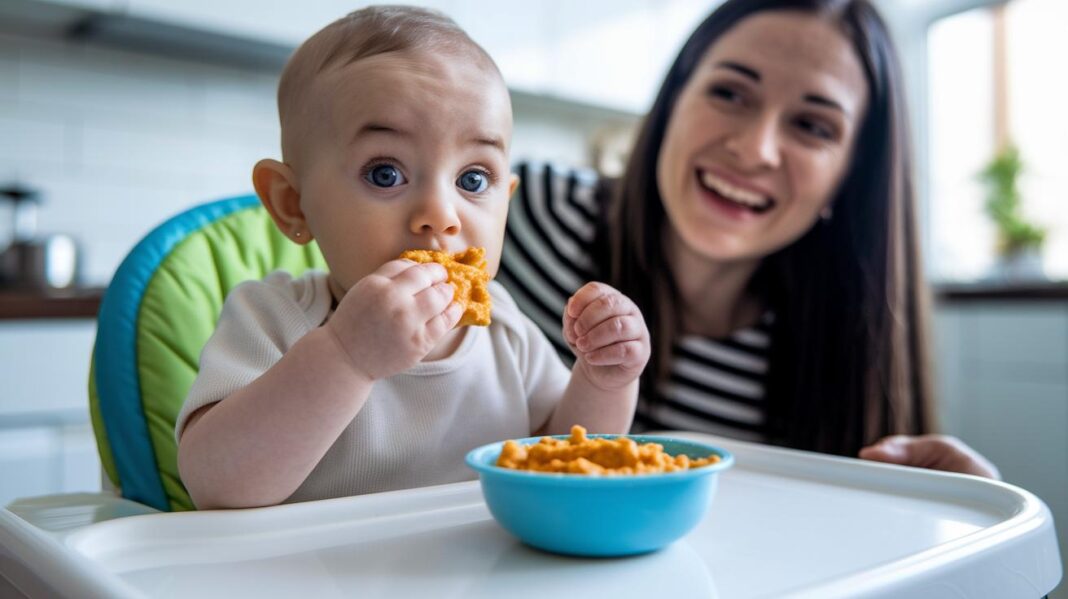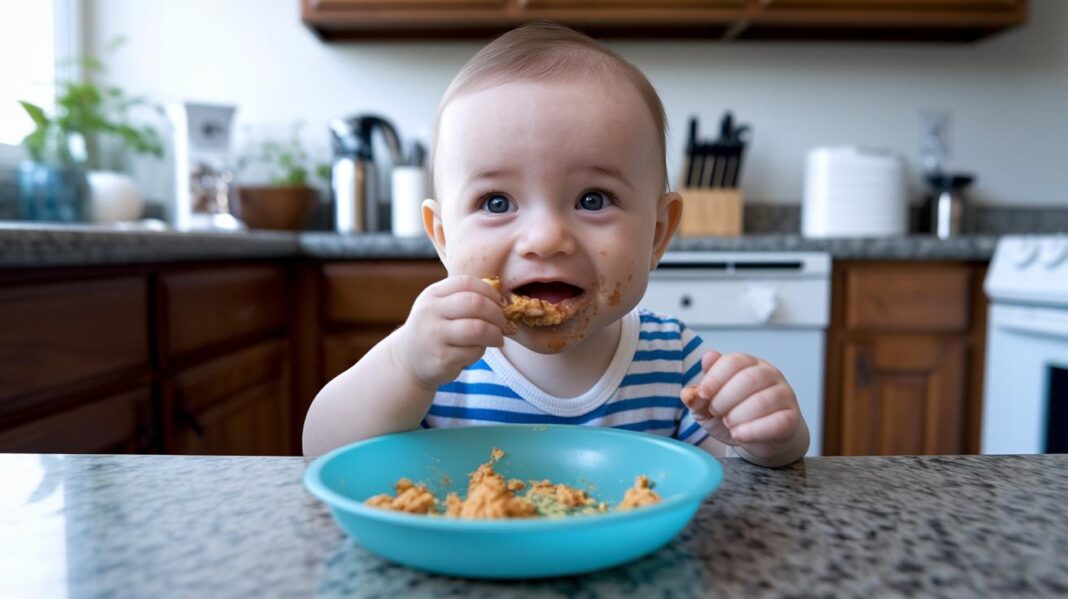
Ever notice how a baby's first bite can make mealtime feel extra special? When your little one turns about 6 months old and starts eyeing your plate, it's a gentle hint that they're ready for simple foods. A mix of smooth fruits and wholesome veggies doesn't just fill a tummy, it starts building healthy eating habits for the future. In this article, you'll find easy, down-to-earth tips to help turn those first bites into a warm welcome to mealtime.
Essential Nutritional Guidelines for First Solids During Weaning
When your baby is around 6 months old, you might notice they can hold their head steady, sit with a little help, and show interest in what you’re eating. This is a great time to start with one simple food at a time. For instance, you could try a small serving of pureed sweet potato and then wait 3 to 5 days before introducing another food to see if there are any reactions.
At first, one solid meal a day is enough, while you keep giving breastmilk or formula. As your baby grows, you can slowly add more solids. Starting at 6 months with one meal, then two meals a day between 7 and 9 months, and by 10 or 11 months moving up to three meals along with a couple of healthy snacks by 12 months can make a big difference.
It’s best to focus on foods that are rich in important nutrients like iron, protein, healthy fats, vitamins, and minerals. Foods such as mashed avocado, iron-fortified cereal mixed with a bit of steel-cut oatmeal, or even softly whisked eggs can be very nutritious. Early exposure to different tastes and textures can set the stage for a smooth transition to family meals.
Keep an eye out for signs that your little one is ready to try more. If they start reaching for food on your plate or try to move food from their hand to their mouth, it’s a good sign they’re ready to explore self-feeding. Remember, introducing one single-ingredient meal at a time helps you watch for any allergies. Patience and gentle guidance are key as your baby discovers what they can eat.
First Solids Starter Foods and Nutrient Profiles
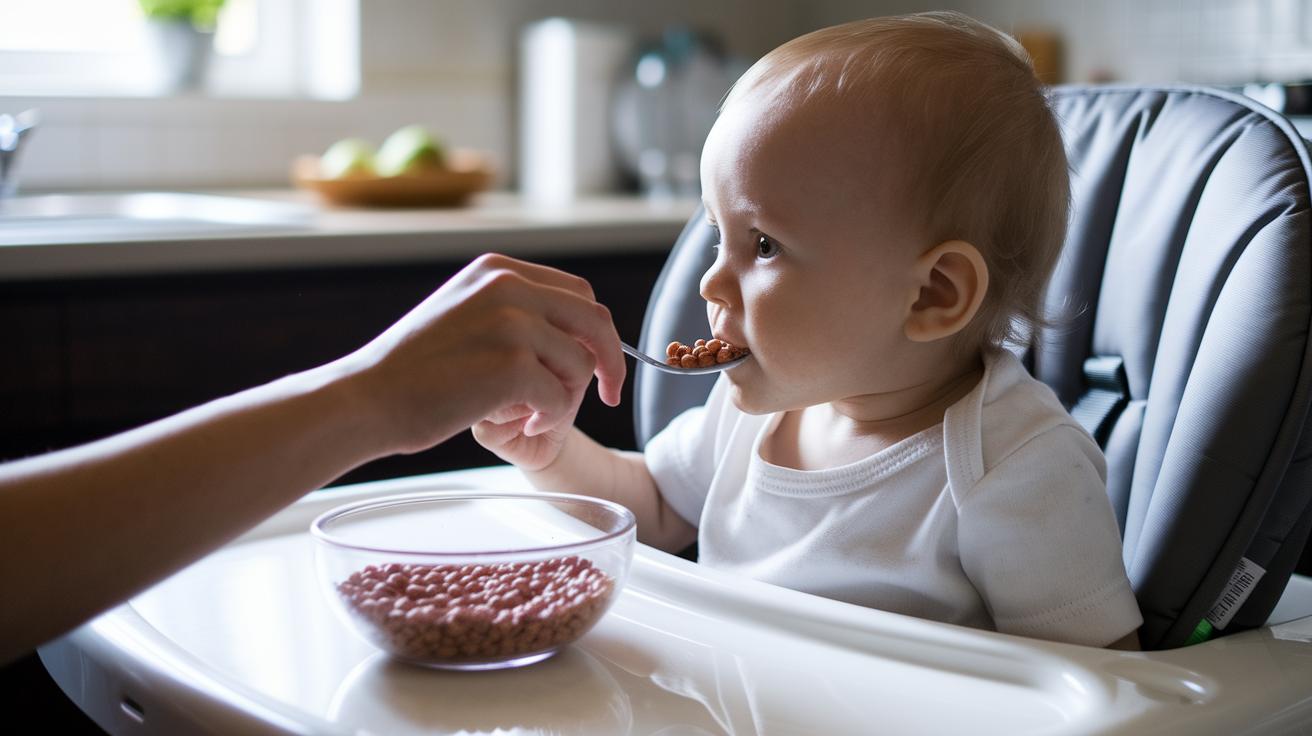
When you start your baby on solids, it's a good idea to mix in foods that are full of important nutrients. For example, you might try an iron-rich cereal (that’s iron-fortified infant cereal) mixed with some steel-cut oatmeal or even a bit of pancake batter. This blend gives your little one the iron they need for healthy growth. And whisked eggs are a great choice too, they add protein to help balance the meal.
Pureed veggies like sweet potato, carrot, and peas bring in vitamin A and fiber. Imagine a spoonful of smooth, velvety sweet potato that tastes delightful and gives your baby a boost for healthy eyes.
Fruits like mashed banana, apple, or pear are also wonderful because they're loaded with vitamin C, which supports overall development. For extra lean protein, soft lentils, mashed beans, or tofu work well to help build those tiny muscles.
And don’t skip the healthy fats! Mashed avocado, when it's creamy, is fantastic for brain development. Choosing these foods means you’re setting up a balanced, nutrient-packed meal that’s simple to make and super good for your baby’s first eating adventures.
First Solids Readiness: Developmental Milestones for Weaning Babies
When you notice your baby holding their head steady and having a firm little trunk, it might be time to introduce solid foods. It’s like watching them start to join in on family meals. And if you see them reaching out and bringing food to their mouth, it’s a heartwarming sign that their hand-to-mouth skills are growing.
Around 6 to 8 months, many babies begin to use their whole hand (called a palmar grasp) to hold food. Then, by the time they’re 9 or 10 months old, you might see them using a pincer grasp, where they carefully pick up small pieces. Imagine your little one gently grabbing soft bits of fruit, it’s pretty adorable.
At the same time, their oral skills are improving, too. They start to let go of the tongue-thrust reflex and begin to move their tongue side to side and even chew on soft lumps of food. In truth, these little changes show that they're ready for foods with new textures. Recognizing these gentle cues can give you that extra boost of confidence as you introduce their very first solids.
So, keep a close eye on these milestones and celebrate every small victory along the way!
First Solids Texture Progression and Safe Feeding Techniques
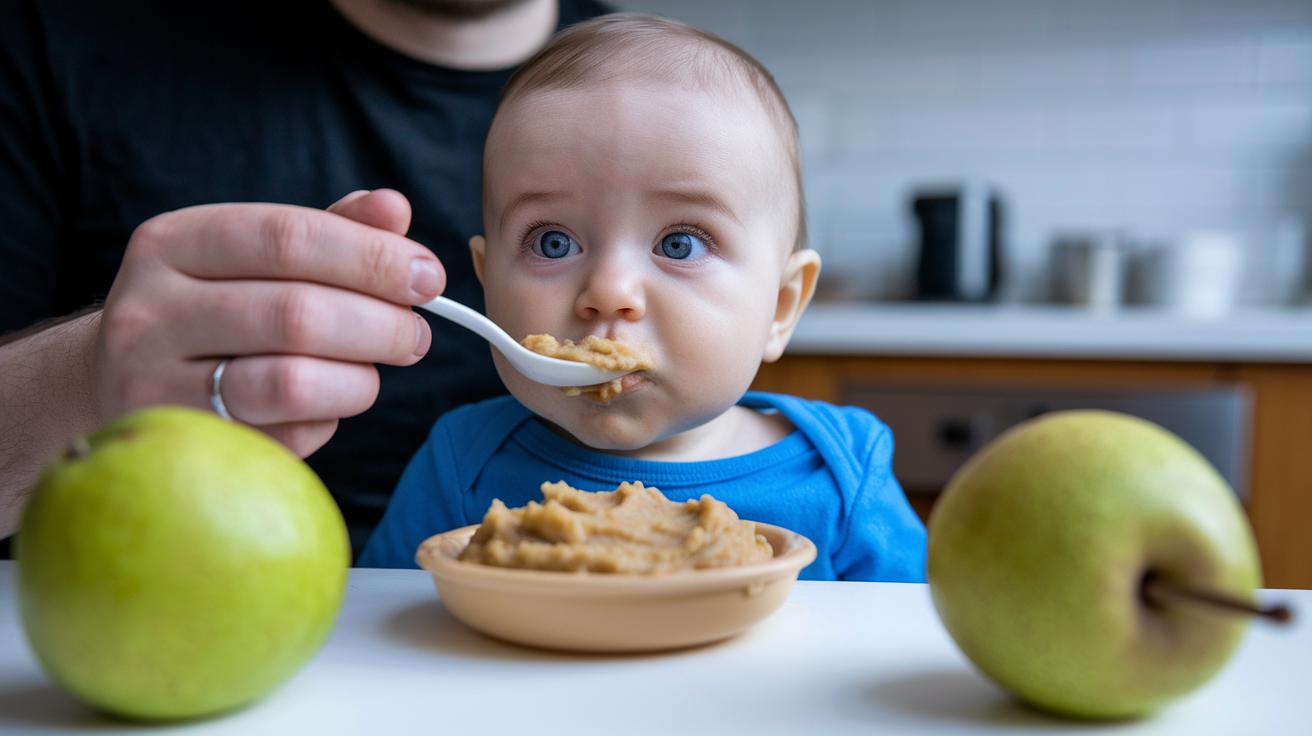
Start with smooth purees that are gentle and easy for your baby to swallow. These might be fruits or veggies blended until silky smooth, just right for that first taste of self-feeding. Imagine serving a little spoonful of pear puree that brings a warm smile to your baby’s face!
Next, move on to mashed foods that still have a few small lumps. These mashed delights, like avocado or banana, add a bit of texture without overwhelming your baby’s tender mouth. It’s a fun, little adventure with tiny bumps that introduce new sensations.
Then, try soft foods with small lumps that keep more of their natural shape. This step gently prepares your baby for finger foods. Finally, offer small pieces of soft, steak-sized foods that are perfect for self-feeding. In baby-led feeding, you might serve spear-like pieces about as long as your pinky finger. Picture a mini carrot stick made just for tiny hands, it’s a playful way to boost their self-feeding skills!
Always keep a close eye during mealtime. Gagging can happen as a normal, protective reflex, so stay calm and be sure to know the difference from choking. A good, supportive highchair that lets your baby sit upright at eye level helps you watch every bite while encouraging safe eating and good posture.
Managing Potential Allergens and Monitoring Reactions in First Solids Nutrition
When you start adding foods like eggs or peanut after your baby has had iron-rich foods, try offering just a tiny taste, about a teaspoon or even less. Imagine giving a small spoonful of gently scrambled egg so you can see if your baby reacts in any unusual way.
Stick to one new allergen at a time and wait 3 to 5 days before introducing something different. During this waiting time, keep a close eye out for any signs like a rash, vomiting, or diarrhea that might pop up within minutes or a few hours after eating.
If allergies run in your family, it's a good idea to chat with your pediatrician. They can offer advice that’s just right for your little one.
Practical Weaning Schedules and Balanced First Solids Meal Plans
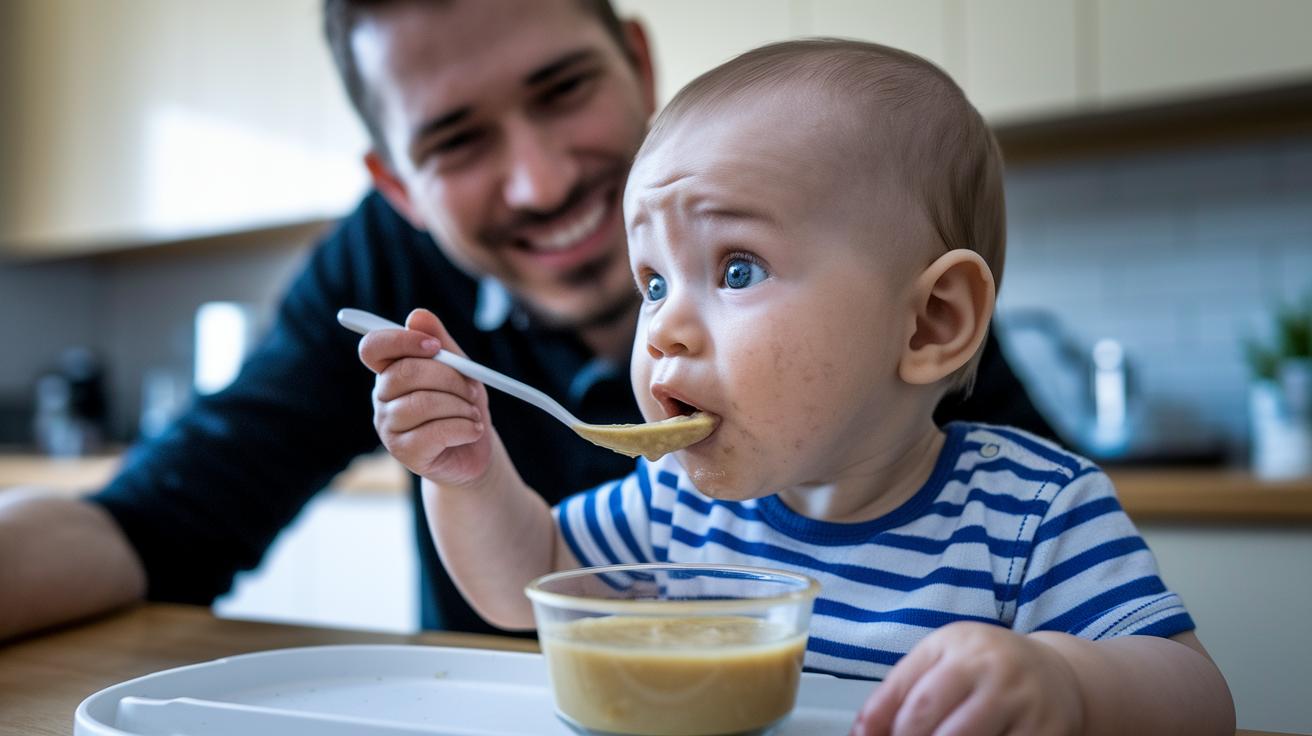
We talked about baby meals before, so here are a few more ideas and simple tips to help you create balanced meals while keeping things stress-free. This friendly guide is here to support you as you navigate weaning and first solid foods.
At around 6 months, start with a little, about 1 to 2 tablespoons, of smooth mashed fruit like banana or cooked apple mixed with a drop of water. Think of it like a tiny taste test that's easy for baby to swallow. If baby turns away at first, try offering the same food at another mealtime or warm it up a bit to bring out its natural smell.
Between 7 and 9 months, try a plate that blends 1/8 cup servings of soft-cooked grains (like rice), pureed or finely chopped veggies (such as carrots or peas), and a little protein (like pureed lentils). Here’s a sample meal plan:
| Meal | Example |
|---|---|
| Breakfast | Pureed oatmeal with mashed apple |
| Lunch | Soft-cooked rice with pureed carrots and mashed lentils |
If your baby seems bothered by the texture, a splash of water or breastmilk can help smooth things out.
For 10 to 11 months, when you’re offering three meals a day, you might add finger foods cut into small pieces. For example, for dinner, serve around 1/8 cup of steamed broccoli, small bits of baked chicken, and mashed sweet potato to let baby try self-feeding. You can even give new recipes a go by lightly seasoning vegetables with herbs, just skip the salt or sugar.
At 12 months, along with three meals, add two small snacks. If baby isn’t into a snack, try a small scoop (about 1/4 cup) of smooth yogurt mixed with pureed fruit.
It’s completely normal to face challenges like food refusal or a changing appetite. When that happens, stay patient and try adjusting the portions over time. You might offer the same meal at different times or mix a less favored food with one your baby already loves.
Homemade Nutrient-Dense First Solids Recipes for Weaning Babies
If you’re on the lookout for easy, nutritious ideas for your little one’s first foods, these four recipes are a good place to start. Each one is crafted to be both simple and packed with balanced nutrition.
Let's begin with the Sweet Potato & Pear Mash. First, steam a sweet potato until it’s soft. Then, mix it with mashed ripe pear and a little bit of breastmilk or formula. Picture a warm spoonful that feels like a cozy hug, sweet and gentle for your baby’s new taste adventures.
Next up is the Carrot-Lentil Puree. Boil or steam carrots until they’re tender, blend them with red lentils, and add a small drizzle of olive oil. This puree has a smooth texture with a tiny bit of bite that can help your baby start practicing chewing. It’s really like a little burst of color and flavor in every spoonful.
For a seasonal twist, try the Pumpkin-Apple Blend. Roast pumpkin and apple pieces until they’re soft, then sprinkle in just a pinch of cinnamon for a subtle spice. The natural sweetness of the pumpkin and apple makes it both yummy and good for your baby.
Finally, there’s the Avocado-Banana Pudding. Mash a ripe avocado with a banana and gently fold in full-fat yogurt until everything is well mixed. This recipe is perfect for making ahead: you can freeze it in small 2-ounce portions for those busy days when mealtime comes in a hurry.
Enjoy these recipes as a warm, friendly guide to introduce your baby to a tasty world of solids.
Final Words
First solids nutrition for weaning babies shows how to ease your little one into solid foods with care. The blog walked you through key milestones like head control and hand-to-mouth skills, safe feeding techniques, and even simple recipes for creamy purees. The guide highlighted clear steps from one meal a day to balanced meals that mix grains, proteins, fruits, and healthy fats. This practical approach brings gentle, expert insights to daily feeding, leaving you with a positive outlook for growing health and happy times ahead.
FAQ
What are the best first solid foods and recipes for weaning babies around 6 months?
The best first solid foods for a 6-month-old include iron-fortified cereals, mashed fruits like banana and pear, pureed vegetables such as sweet potato, and simple recipes like Sweet Potato & Pear Mash that deliver balanced nutrients.
How can I use a baby food chart for 4–6 months and 6 to 12 months?
A baby food chart helps plan meals by starting with one solid meal at 6 months and gradually increasing to three meals by 10–11 months, plus snacks by 12 months, ensuring a variety of grains, fruits, vegetables, proteins, and fats.
How should a baby be introduced to solid foods?
Introducing solid foods should be gradual: start with one single-ingredient pureed food per meal, wait 3–5 days between new foods to spot allergies, and increase texture and variety as your baby shows readiness.