Have you noticed your child speaking quietly and wondered what it might mean? Sometimes, parents see their little ones picking up words a bit more slowly, like a small plant growing a little behind its friends.
When language or speech skills don’t seem to follow the usual steps, it’s natural to worry about school work or making new friends. It can feel like there’s a cloud of uncertainty over something so important.
In this article, we take a gentle look at what language delays are and why it matters to notice them early. By learning these signs as soon as possible, you can help guide your child to better communication and a brighter, more confident future.
Determining a Delay in Language Development: Definitions and Prevalence
When kids have a speech delay, they struggle to form sounds and words clearly. They might find it hard to say even simple words, so it’s tougher for others to understand them. In contrast, language delay means a child also has trouble understanding or sharing ideas. Think of a toddler who uses one-word answers and has a hard time following simple instructions. While speech delay mainly makes words unclear, language delay affects how kids share their thoughts and feelings.
Research shows that one out of every five children learns to speak and understand more slowly than their peers. Many families notice that their child picks up words and early talking skills at a slower pace. Although plenty of children catch up by kindergarten, a lasting delay might hint at deeper challenges. Imagine a small plant that grows a bit behind the others, it’s a gentle sign to pay a little closer attention without panicking.
If these delays aren’t looked into early, they can lead to challenges later on. In school, being able to speak clearly is important for learning and making friends. Over time, difficulties in sharing ideas can affect a child’s confidence, school performance, and social life. That’s why noticing the signs early and getting some help can set a child on the path to thriving.
Developmental Milestones and Red Flags in Early Language Acquisition
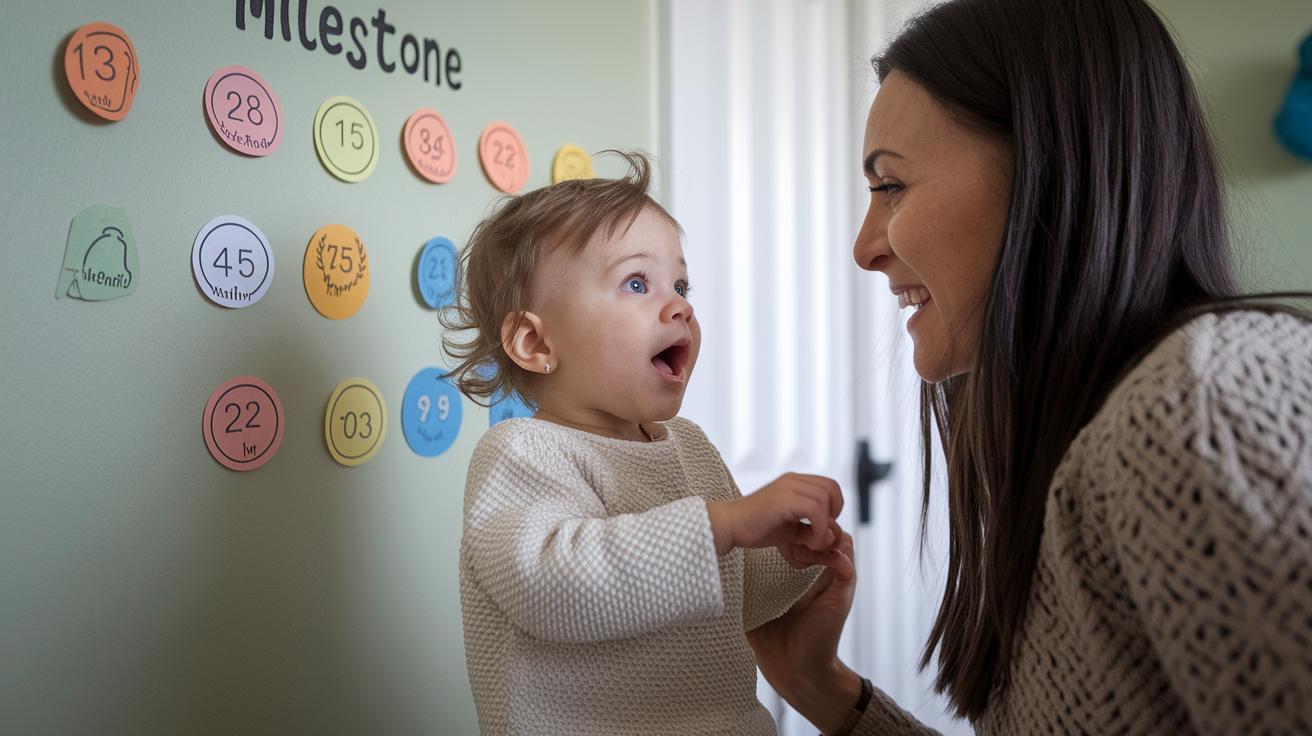
Keeping an eye on your child’s language progress can be really helpful. When babies start trying out different sounds – like babbling or turning their head when they hear their name – it's a sign they're building the skills for talking one day. We often compare these early sounds to a simple guide that shows what to expect. Every child grows at their own pace, so a little delay doesn't always mean there’s a big problem. But if you notice big gaps, like a total lack of playful sounds or the absence of even simple words, it might be time to chat with a professional.
By simply watching these little moments, you turn small differences into opportunities to help your child grow. It's all about using these early clues to understand your child's unique journey and knowing when it might be a good idea to get an expert’s advice.
| Age Range | Typical Milestone | Warning Sign |
|---|---|---|
| 6–9 months | Babbling, turns to name | No vocal play |
| 12–15 months | Single words | No first words |
| 18–24 months | Two-word phrases | No word combinations |
| 24–30 months | Simple questions, follows instructions | Limited understanding |
Common Causes of Delay in Language Development
Sometimes kids don't start talking as early as we might expect. There are many reasons why a child might have trouble forming words or sharing ideas. Research shows that a few common challenges can slow down speech and understanding. Knowing these reasons early on can really help parents and caregivers begin the right support.
- Some children have trouble with the way their lips, tongue, and jaw work together.
- Autism can also be a factor – nearly 50% of young children on the autism spectrum may not speak as quickly.
- Hearing problems, including things like auditory processing disorder (which makes it hard to understand sounds), can make learning language tough.
- An intellectual disability might slow down not just language but also learning and social skills.
Often, these issues can occur together, meaning a child might experience more than one challenge at a time. Recognizing this combination is really important because one problem can make another harder to manage. With the right evaluation and support, kids can get the help they need to build up their language skills and feel more confident every day.
Screening and Assessment Protocols for Language Development Delay
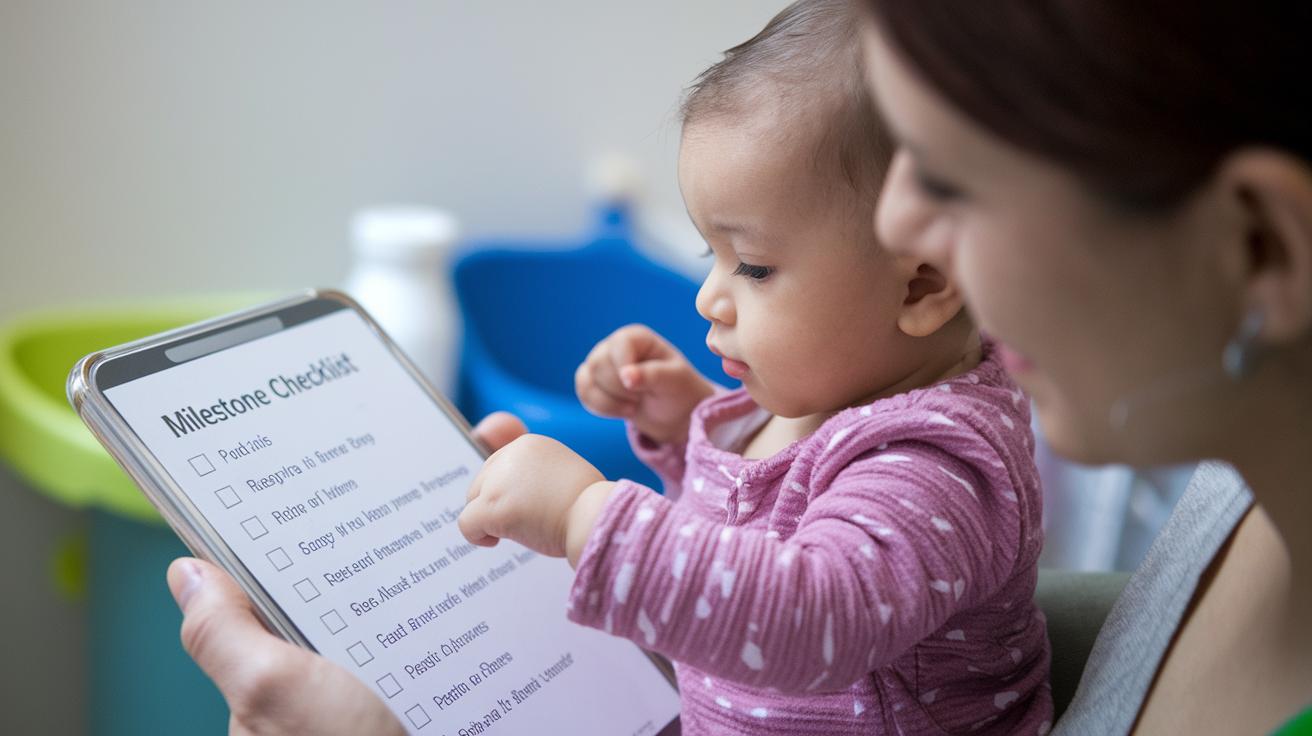
When a little one seems to be missing usual speaking or understanding milestones, it’s a gentle signal to start a closer look. If a child is not keeping up with the common age-based milestones, say, not babbling by 9 months or taking longer to form simple words by 15 months, it’s a good idea to use pediatric language screening tools. Catching these early can really help set the stage for smoother speech and language learning down the road.
Parents and caregivers have a variety of helpful tools at hand to keep an eye on their child’s progress. For example, many standard early screening methods rely on simple parent questionnaires that ask about everyday speaking and listening habits, along with checklists that track important milestones. Sometimes these checklists even ask, "Does your child form two-word phrases by 18 months?" Such clear prompts can let you know if it might be time to get a little extra support.
If the screening hints at any delays, the next step is a professional check-up. A certified speech-language pathologist will review the screening results and may carry out further tests to see how your child is communicating. They might also work with an audiologist to get a hearing test. Working together, these experts can come up with a plan that addresses any issues in sound processing or language skillfully, ensuring the right help is on the way.
Evidence-Based Intervention Strategies for Language Delays
Early, personalized therapy sets up your child for real success in communication. When you work with a certified speech-language expert like Jody Miller, MA CCC-SLP, you’re getting a plan that fits your child perfectly. It’s not a one-size-fits-all deal. Instead, therapy focuses on the specific challenges your child faces, building the skills needed to catch up with peers one small step at a time.
Clinic programs often give a structured setting with caring professionals who guide one-on-one sessions. On the other hand, school programs create friendly group settings where children learn from one another and practice talking in everyday activities. Each setting has its own benefits: clinics offer specialized attention while schools nurture social skills in a familiar environment.
Mixing professional sessions with home activities creates a strong recipe for progress. Parents can help by reading aloud together, chatting during mealtimes, or playing fun language games. This balanced approach of expert help paired with everyday practice builds confidence and steadily improves your child’s language skills.
Parental Role and Home Practices to Support Delayed Language Development

Every day at home is a chance to help your little one pick up new words. Chatting about your day, reading a favorite story, or even describing what you're doing while making a snack invites gentle learning. Imagine saying, "Look, these apple slices are red and crunchy!" It’s these little moments that build their word bank and create a warm space where they feel safe trying out new sounds.
Playtime is another fun way to boost language skills. Try simple games like naming the colors of toys, singing a catchy rhyme, or acting out a short story with stuffed animals. These playful activities let your child listen, repeat, and explore words without worry. Sometimes, a giggle during a song or a quiet moment of curiosity is all it takes to make language practice enjoyable.
If you notice things aren’t clicking as well lately, it might be time for a change. Keep an eye on what makes your child light up or seem a bit disinterested, and mix things up with different games or activities. You might even check out extra tips from resources like what to do if infant milestones are missed. Every small tweak can keep the learning process fun and full of positive energy.
Choosing Professional Help: When and Whom to Consult for Language Delay
If you notice your child having a hard time forming clear words or understanding simple instructions, it might be time to ask for a little extra help. When a child doesn’t hit those speech milestones or seems to make slower progress over a few months, it’s a gentle sign that a check-up might be in order. You might see signs like ongoing trouble with talking, repetitive babbling, or difficulty following small directions. Think of it as a friendly visit to ensure your child gets the best support to communicate with others.
It can really help when a team of caring experts comes together. A speech-language expert, an audiologist, and sometimes even a pediatric neurologist can work as a team, looking at how your child talks, listens, and learns. They give careful attention to speech clarity, hearing, and even little hints in behavior. Starting these gentle, focused programs early on can make a big difference, helping your child build a stronger path to communicate with peers at school and at home.
Final Words
In the action, the post showed how to tell apart speech delay and language delay while tracking daily milestones. It shared a key fact, that one in five children may face a delay in language development, and the potential effects if progress stalls without help.
Screening, expert advice, and everyday home practices can lead to real improvements. Remember, every step taken builds confidence and opens the door to brighter moments ahead.
FAQ
What does speech delay vs autism mean?
Speech delay vs autism means speech delay involves challenges with forming words and sounds, while autism is a broader condition marked by social and behavioral differences along with communication challenges.
How do speech delay behavior problems show up in young children aged three or four?
Speech delay behavior problems in young children often present as frustration or acting out when they struggle to communicate their needs, signifying the need for supportive language development strategies.
What are the most common causes or reasons for delayed language development?
The most common causes for delayed language development include oral-motor difficulties, hearing issues, autism, and broader developmental delays that sometimes overlap, requiring careful evaluation.
How does language delay treatment work?
Language delay treatment works by using evidence-based speech therapy, structured activities, and home practice, helping children build communication skills in a supportive environment.
What are some examples of expressive language delay?
Expressive language delay examples include using few words, difficulty forming sentences, and challenges in conveying ideas, which may be noticeable when compared to peers.
What is developmental language disorder according to ASHA?
Developmental language disorder, as defined by ASHA, is a condition where children have persistent difficulties with listening, speaking, and understanding language that are not due to other developmental issues.
How much speech delay is within a normal range?
How much speech delay is normal can vary; slight delays may be common, but persistent lag beyond age-expected milestones suggests a need for a professional evaluation.
At what age is a child considered a late talker?
A child is considered a late talker if significant word use or sentence formation is lacking by around two years old, indicating that further assessment may be helpful.
Is speech delay curable?
Speech delay is highly treatable with early, consistent intervention, and many children make substantial progress through dedicated therapy and supportive home practices.