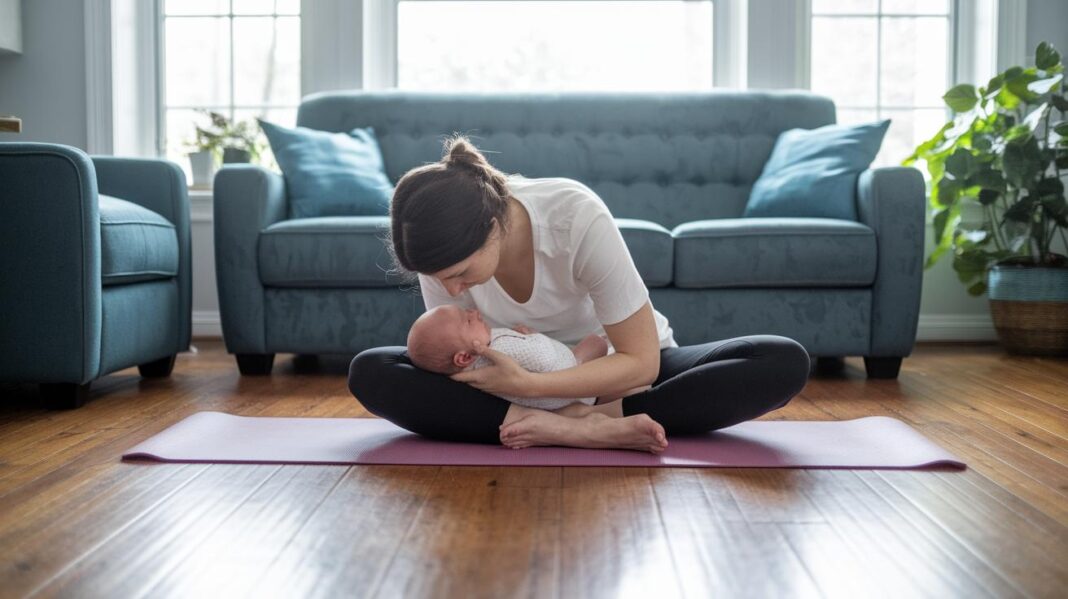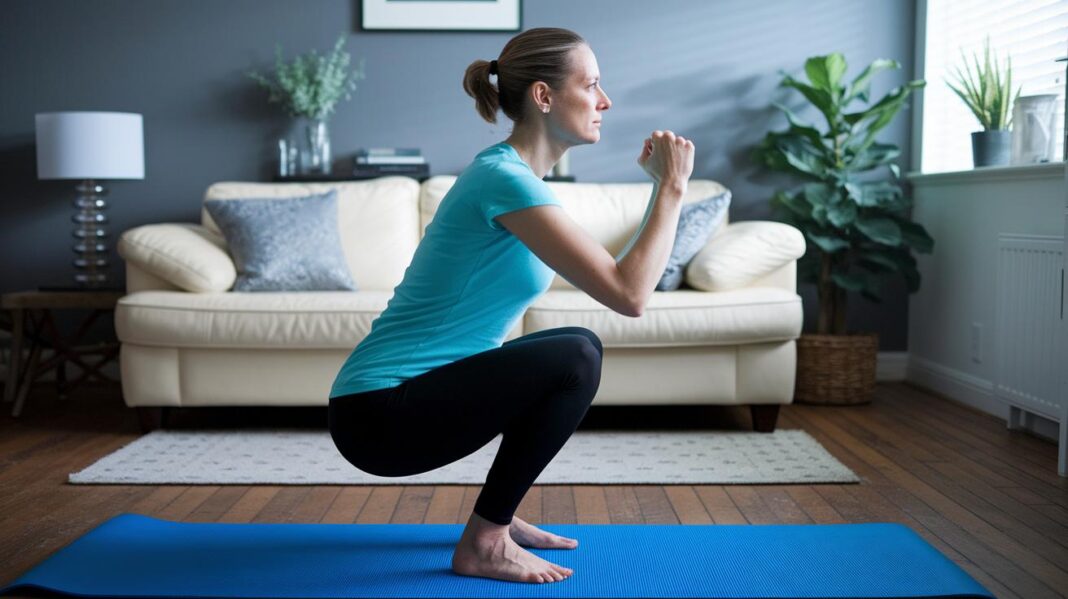
Have you ever thought about turning your home into a safe place to rebuild your strength after having a baby? Imagine your kitchen or living room as a warm, cozy spot where you can try gentle exercises that lift your mood and boost your energy.
This simple guide shows you how to regain your core strength with easy bodyweight moves, no gym needed. We’re talking about short, effective sessions that help you feel stronger little by little.
Give these at-home workouts a try and discover how they can spark your strength and support your healing journey.
Essential Components of an At-Home Postpartum Workout
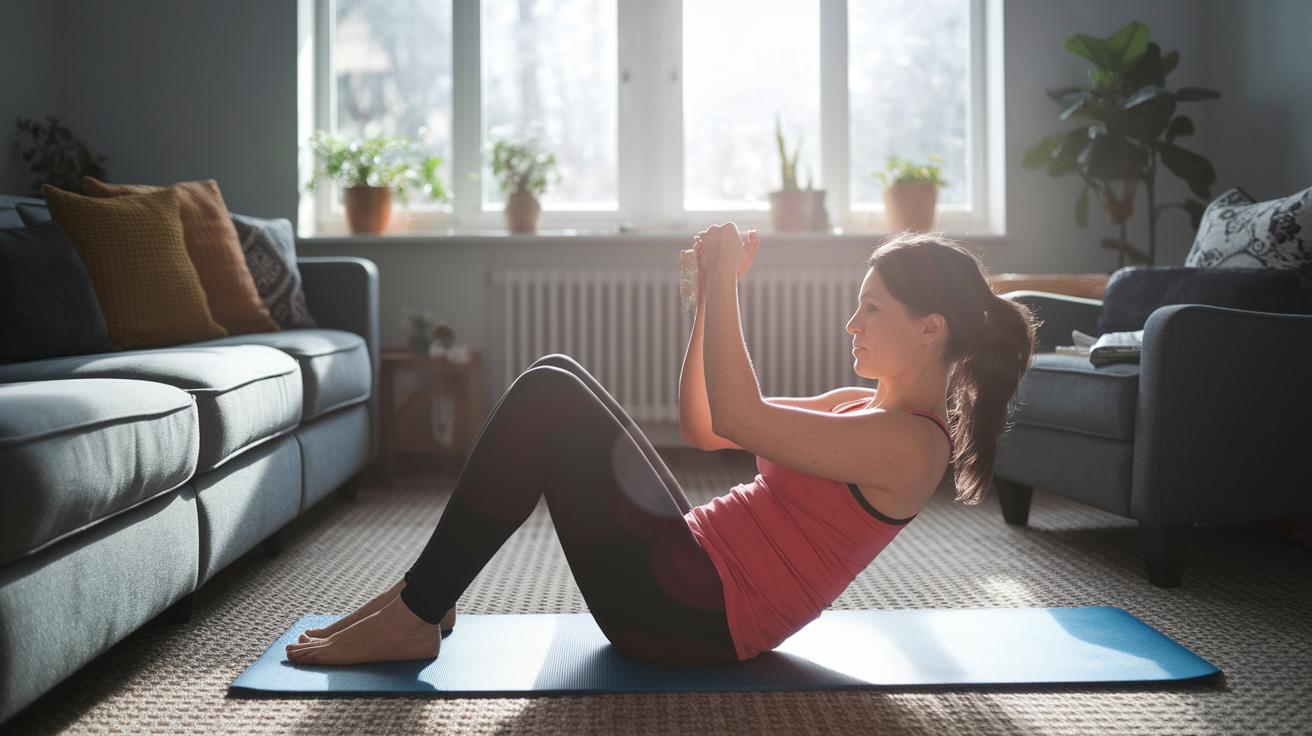
Before starting an at-home postpartum workout, make sure your doctor gives you the go-ahead, usually about six weeks or so after delivery. Choose gentle moves that help rebuild your strength while boosting your endurance and heart health. Just imagine turning your living room or kitchen into a cozy little wellness spot. You might even check out a guide on postpartum healing at home for extra ideas!
No need for gym visits or fancy gear when you're working out at home. Instead, focus on simple, bodyweight exercises that lift your mood and strengthen your core. For example, try a light set of moves on your living room floor or kitchen mat. It’s simple, accessible, and really works!
Try breaking your workout into short sessions throughout the day. Even a few minutes of safe post-delivery movements can give you an energy boost and brighten your mood.
Picture this: a small corner of your kitchen becomes your little sanctuary for regaining strength. No special equipment, just you and your determination.
This easy setup makes at-home postpartum fitness both effective and nurturing.
Core Strengthening Regimen in Your Post-Birth At-Home Workout
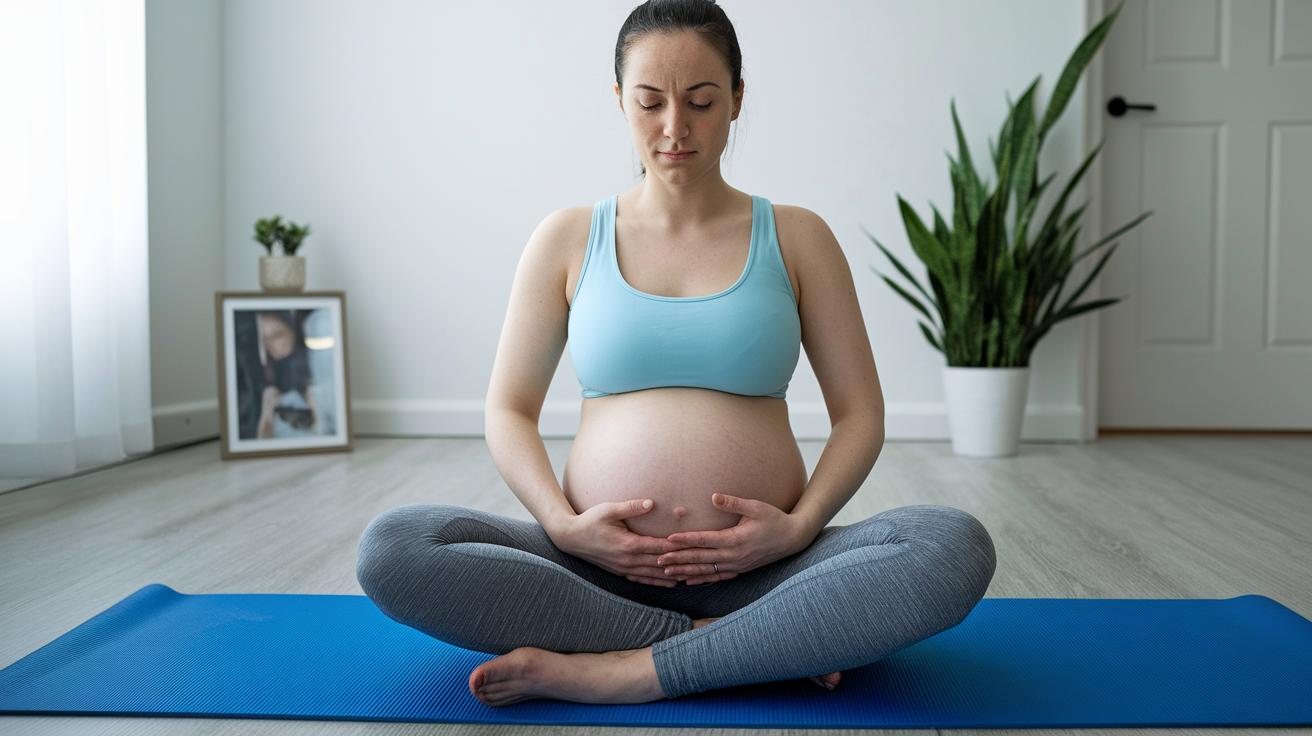
After giving birth, it’s important to gently rebuild your core. Doing so can help you improve your posture and ease any back pain you might be feeling. Simple exercises on a mat can target those deep core muscles and even help with issues like diastasis recti.
Try these exercises:
• Diaphragmatic Breathing – Lie on your back on a comfortable mat. Place one hand on your chest and the other on your belly. Breathe slowly and deeply, letting your belly rise as you inhale. Start with about 8 slow breaths and add more as you relax.
• Bird Dog – Get on all fours with a flat back and engaged abs. Extend your opposite arm and leg at the same time. Aim for 10 reps on each side, pausing briefly when your arm and leg are fully stretched to really work your core.
• Glute Bridge – Lie on your mat with your knees bent and your feet flat. Slowly lift your hips upward, squeezing your glutes at the top. Try doing 12 reps and, if you can, hold the position for a couple of seconds at the peak.
• Modified Plank – Position yourself on your knees, keeping your body in a straight line from your head to your knees. Hold this pose for 20 seconds, adding time as you build strength.
• Heel Slides – While lying on your back with your knees bent, slowly slide one heel away until your leg is almost straight, then slide it back. Do 10 reps for each leg, keeping your lower back pressed into the mat.
• Supine Tummy Tucks – Lie on your back with your arms out to the side. Gently squeeze your abs to pull your navel toward the mat. Perform 10 controlled repetitions.
Remember to begin slowly and listen to your body. Increase your repetitions and hold times gradually while keeping good form. If you ever feel too strained, take a break or consider asking a professional for guidance.
at-home postpartum workout: Ignite Your Strength
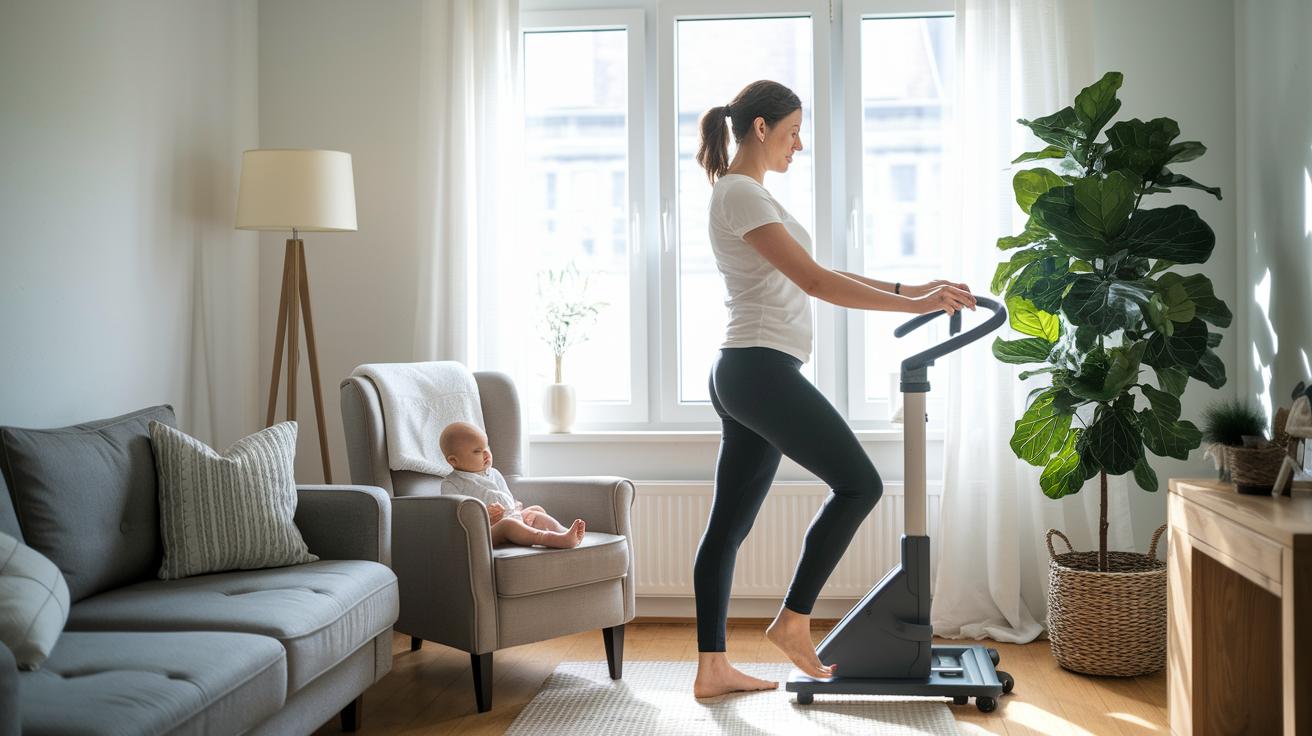
After your little one arrives, taking some time for gentle cardio can help lift your mood and keep your joints safe. A brisk 5–10 minute walk around your home is a great way to warm up your body and boost your energy. It doesn't have to be a long stroll, even a few minutes of steady walking can spark a healthy metabolism.
Here are a few simple moves that might fit into your day:
- Stationary marching: Stand in one spot and lift your knees one at a time. Aim for about 10–15 steps on each leg.
- Side steps: Take gentle steps to the side in a slow, easy manner.
- Low-impact step-ups: Find the bottom step of your staircase and step up slowly, focusing on control with every move.
These exercises are meant to ease you into a routine that burns a little extra fat over time. As you grow stronger, you might extend your walks or add a few more repetitions to each move. Taking these small steps regularly can boost your heart health, help manage your weight, and even brighten your day.
Remember, it’s all about going at a pace that feels right for you. Think of it like building a gentle foundation of strength, one small move at a time. Every step you take is a step toward feeling empowered and more connected with your body.
Strength, Flexibility, and Gentle Stretching in Your Postnatal At-Home Workout
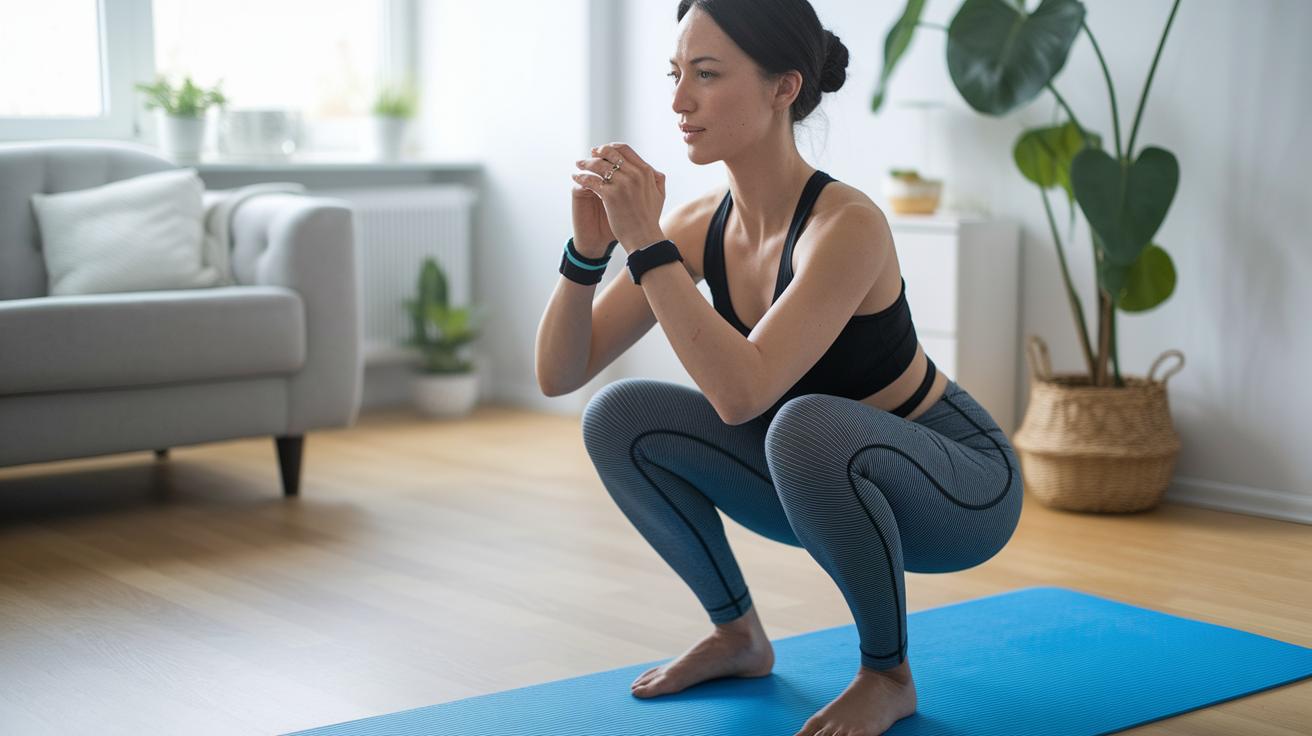
After having your baby, finding exercises that rebuild your strength and gently stretch your muscles can really help you feel both strong and relaxed. A workout that mixes gentle resistance moves, yoga flows, and a touch of pilates lets you rebuild your muscle without pushing too hard. Picture doing an easy resistance-band squat or a calm seated row, where you pull gently and keep your back nice and straight. It’s like slowly rediscovering the strength you already have.
When you exercise, it’s best to skip deep twists or movements that put a lot of pressure on your belly. Instead, try hip openers and careful backbends that let your body ease back into movement. For example, start with a simple yoga warm-up like a few rounds of cat-cow stretches. Imagine rounding your back like a playful cat, then dipping it gently like a relaxed cow, almost like inviting some calm into your day. These gentle moves help melt away tension in your lower back and hips, leaving you feeling soothed.
Also, consider using a resistance band for exercises like squats to safely build your muscle tone. You can mix in some pilates-inspired moves that smoothly work on your stability and flexibility. Try a few standing hip lifts or smooth seated rows. Over time, gradually add a few more repetitions, always paying attention to how your body feels and adjusting your routine as needed. Little, steady steps are the perfect way to regain your strength and flexibility after giving birth.
Structuring a 4-Week Custom At-Home Postpartum Workout Plan
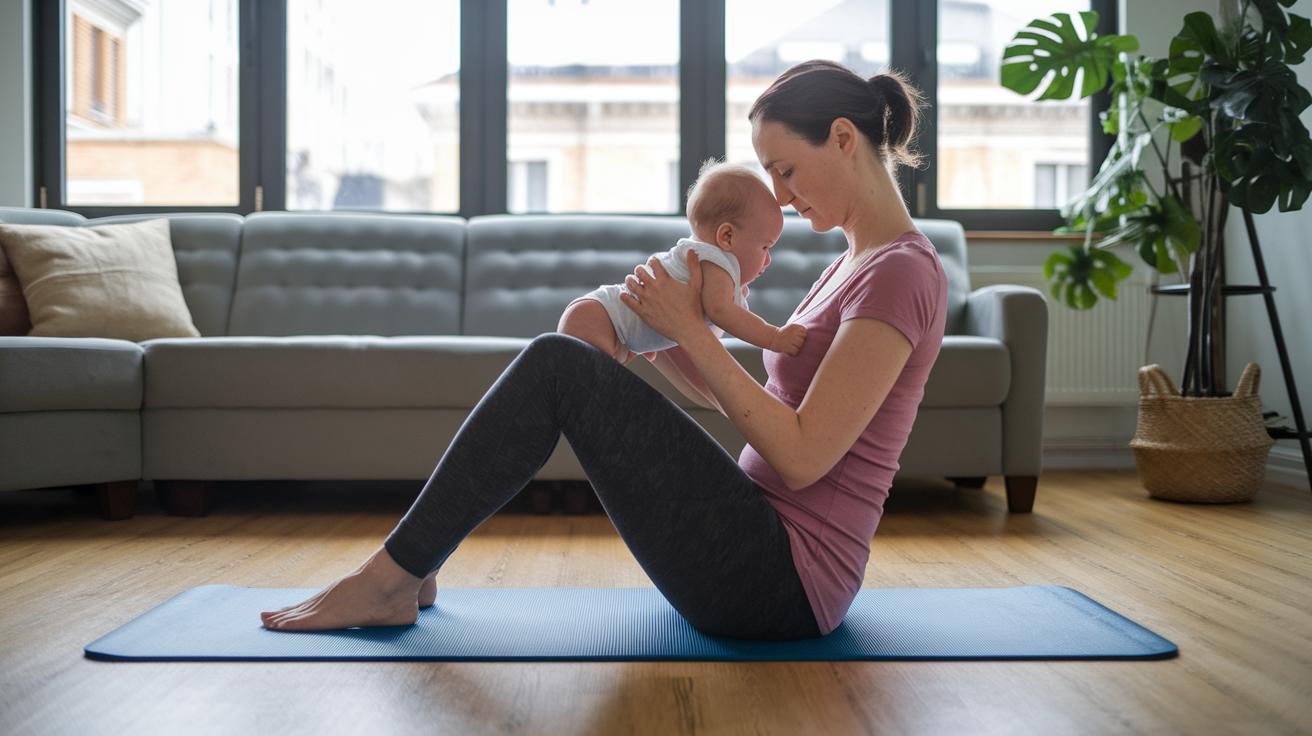
Begin by setting up a simple four-week plan that lets your body ease into building strength at its own pace. This routine is made for busy new moms who want to work out at home and feel supported every step of the way. Aim for 5 to 6 sessions each week, and remember to take one or two days off for rest or gentle activities. And if any diastasis recti exercises feel too much on a given day, try swapping them out with a relaxed 20–30-minute walk to keep you moving safely.
| Week | Focus | Duration (min) |
|---|---|---|
| 1 | Core & Light Strength | 20 |
| 2 | Legs & Cardio | 25 |
| 3 | Full Body Strength | 25–30 |
| 4 | Unilateral & Pyramid Work | 30 |
Keep in mind that rest days are just as valuable as your workout days. If you’re feeling up for it, consider adding a pair of light dumbbells (about 5–10 lbs) for an extra boost during your sessions. Always listen to your body and tweak any moves that don’t feel right. Taking it slow and steady is the key to a safe, strong recovery.
Safety Considerations and Modifications for At-Home Postpartum Workouts
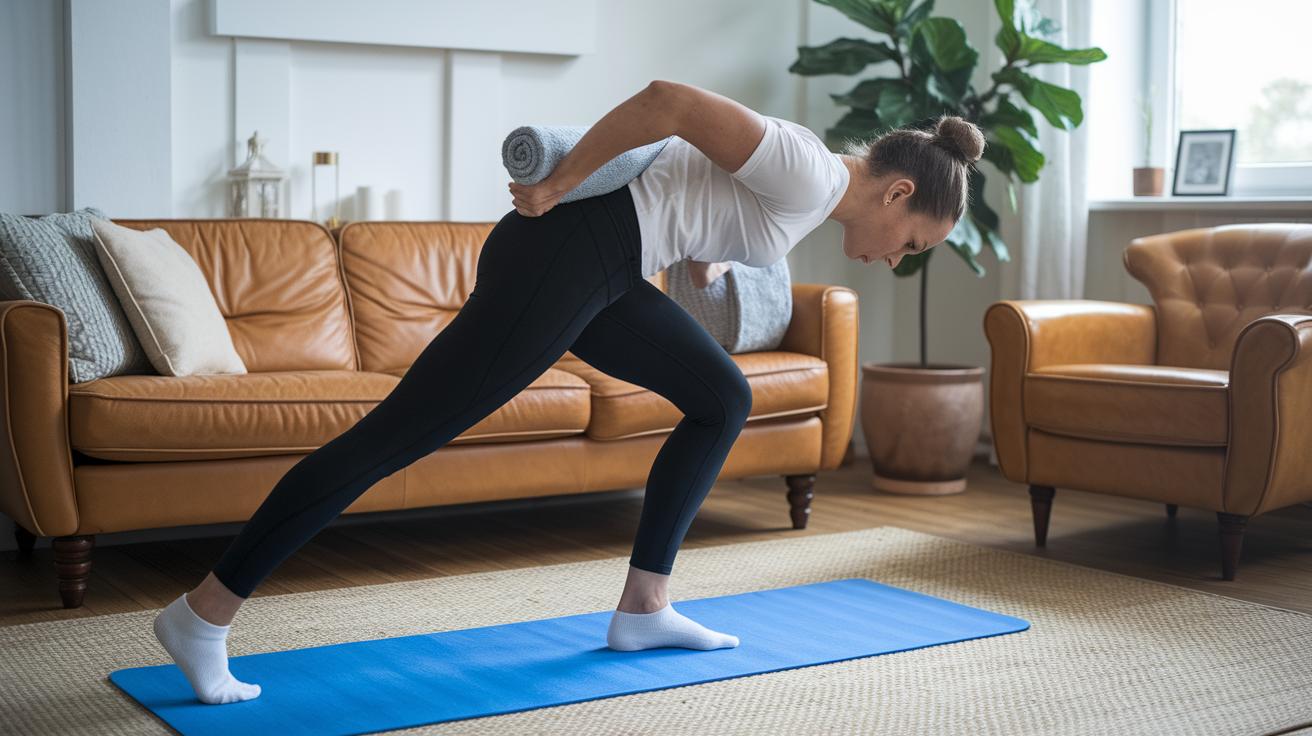
Before starting any workout, make sure you’ve got your doctor’s okay. It’s important to listen to your body and steer clear of high-impact moves until you feel ready. If you notice any pain or discomfort, take it as a sign to slow down and give yourself time to heal. Trust yourself and adjust your routine to make sure you feel safe and supported every time you move.
Sometimes little tweaks can make a big difference. For example, if you’re dealing with diastasis recti, try standing a bit wider or limiting how far you move during an exercise. Adding a pillow or a rolled towel under your back can help keep your posture comfortable. And remember to take a few short breaks for water and rest, it’s a simple way to keep your energy up without overdoing it.
As you continue on your postpartum healing journey, gradually modify your workout. On days when you feel more tired, swap out tougher moves for gentler recovery exercises. Think of your home workout as a special time for self-care, giving you space to nurture your body while building strength and confidence. Always tune in to what your body is telling you and make changes as needed.
Final Words
In the action, we explored how to build a safe and effective at-home postpartum workout. We covered gentle routines, core strengthening moves, low-impact cardio, and even a 4-week schedule designed to support recovery and boost fitness. The guide reminded us to always listen to our bodies and get doctor’s clearance before starting. Small changes, safe progressions, and simple modifications can create a workout that feels both doable and caring. Keep moving forward with confidence and enjoy each step on this fresh chapter of motherhood.
FAQ
Q: What does a postpartum workout plan PDF include?
A: The postpartum workout plan PDF includes a step-by-step guide with safe, at-home exercises. It covers gentle moves to rebuild core strength, boost endurance, and improve metabolism during recovery.
Q: What should a beginner at-home postpartum workout look like?
A: A beginner at-home postpartum workout focuses on no-equipment, safe movements. It typically includes warm-ups, light core exercises, and low-impact cardio, all adjusted to your comfort and recovery pace.
Q: Is there a free postpartum workout plan or app available?
A: Free postpartum workout plans and apps offer easy-to-follow routines. They break workouts into manageable segments, letting you progress week-by-week while keeping your safety and healing in mind.
Q: How is a postpartum workout plan structured week-by-week?
A: A week-by-week postpartum workout plan gradually increases duration and intensity. It often starts with core and light strength training before adding more cardio and full-body exercises, all tailored for safe recovery.
Q: Can I follow a postpartum workout plan while breastfeeding?
A: A postpartum workout plan while breastfeeding focuses on gentle, adaptable exercises. It prioritizes low-impact moves and pressure-free core routines that help rebuild strength without affecting your feeding schedule.
Q: How soon can I work out postpartum?
A: Workouts postpartum should begin only after your doctor clears you, usually after six weeks. This helps ensure your body is ready for safe movements and proper recovery.
Q: What is the 5 5 5 rule postpartum?
A: The 5 5 5 rule postpartum means starting with 5 minutes of warm-up, 5 minutes of core-strengthening exercises, and 5 minutes of cool-down. The rule helps introduce exercise gradually while respecting your recovery.
Q: What is the best workout for postpartum recovery?
A: The best postpartum workout combines gentle core strengthening, low-impact cardio, and light stretching. It’s created to rebuild muscle, support recovery, and boost overall wellbeing safely.
Q: How do I flatten my postpartum belly?
A: Flattening your postpartum belly involves gradual abdominal strengthening. Safe core exercises like modified planks, heel slides, and supine tummy tucks, paired with low-impact cardio, help tone muscles without straining your body.