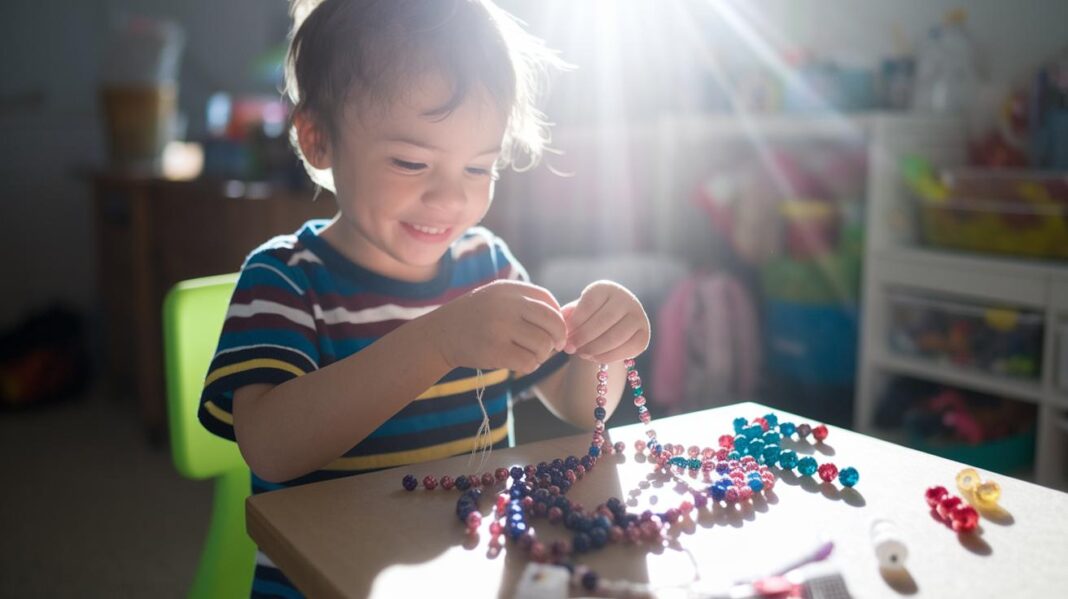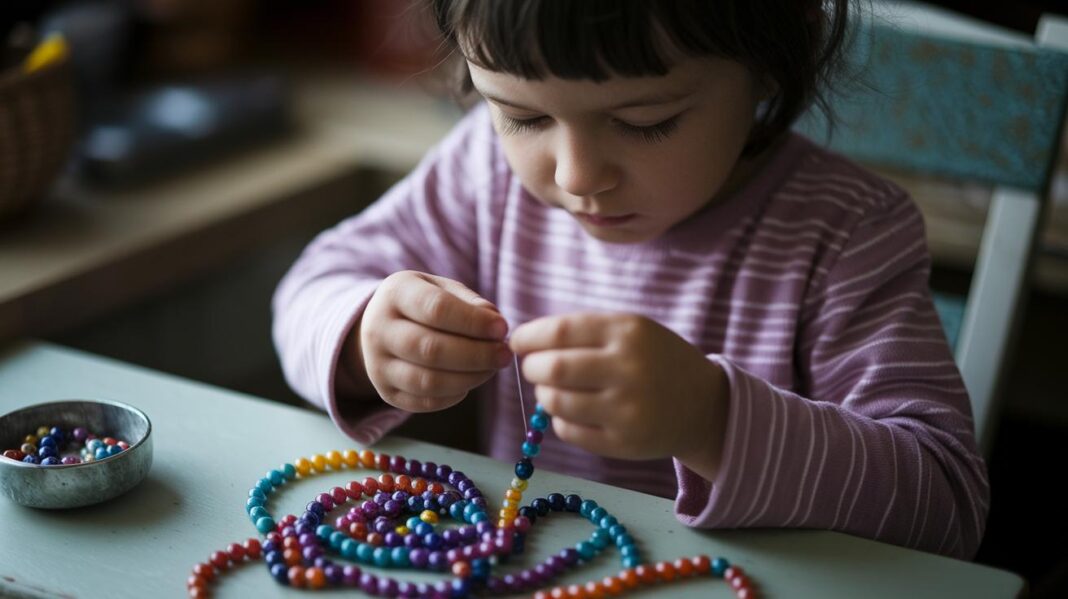
Have you ever noticed how your child's little hand movements can lead to big steps toward independence? Every time they grab a spoon or hold a toy, it's like building a small bridge toward confidence at home and school. Each tiny, careful motion is a win that sets the stage for a happier, more capable childhood. Let's explore how these simple actions add up to a lifetime of growing ability and self-assurance.
fine motor development sparks happy childhood milestones
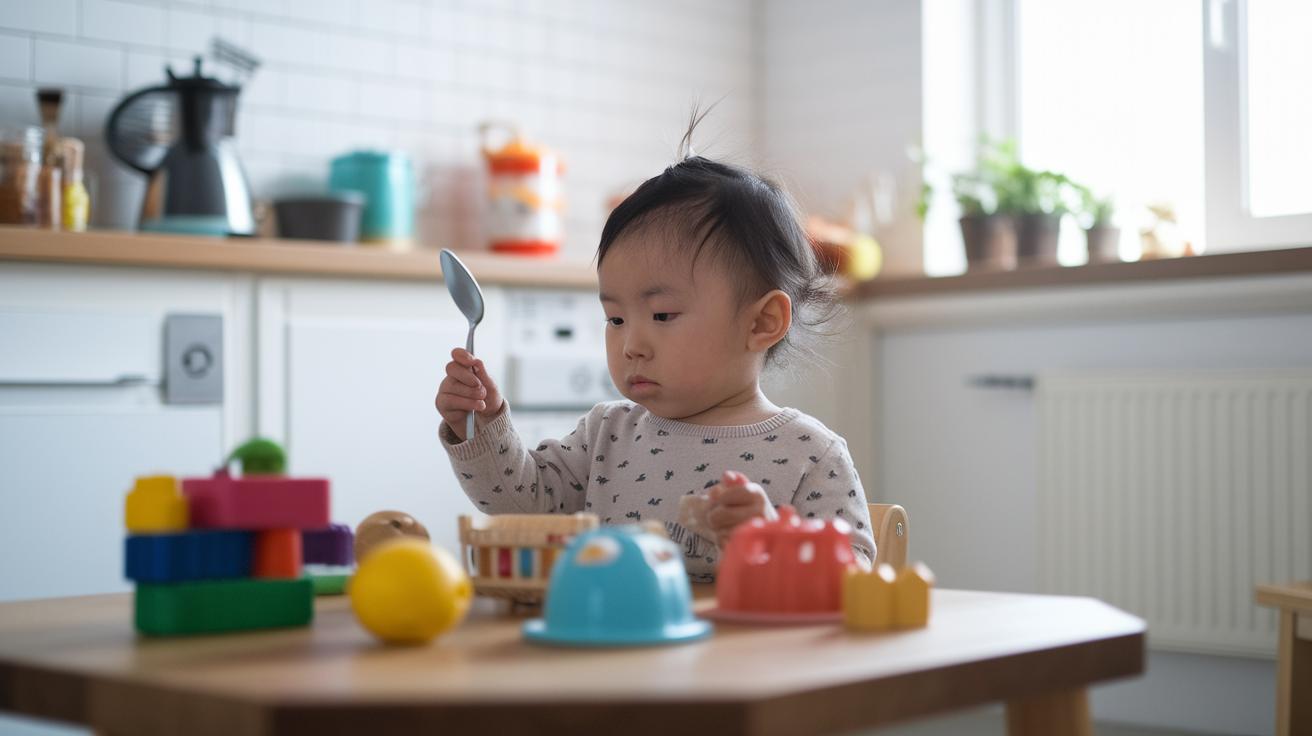
Fine motor development helps kids use the small muscles in their hands and wrists so they can hold toys or use a spoon. It’s like teaching little hands to do everyday jobs, they learn to move carefully and steadily, step by step.
These skills are super important because they set the stage for kids to handle daily activities on their own, like dressing and eating, and eventually even writing. As those tiny muscles grow stronger, kids feel more ready for tasks like holding a pencil snugly or using a computer mouse. And really, enjoying these little wins builds confidence in school and at home! Fun fact: many children begin showing early hand coordination through playful moments, like gently holding a rattle or reaching for a bright, colorful object.
Next, we’ll see how these abilities progress over time. At first, a baby might simply grasp something with a tight fist. Then, as they grow, they start using more precise movements, like a pincer grasp to pick up a small block or flip through the pages of a book. Every tiny step is a building block towards a happy, independent childhood.
Age-Based Fine Motor Milestones for Young Children
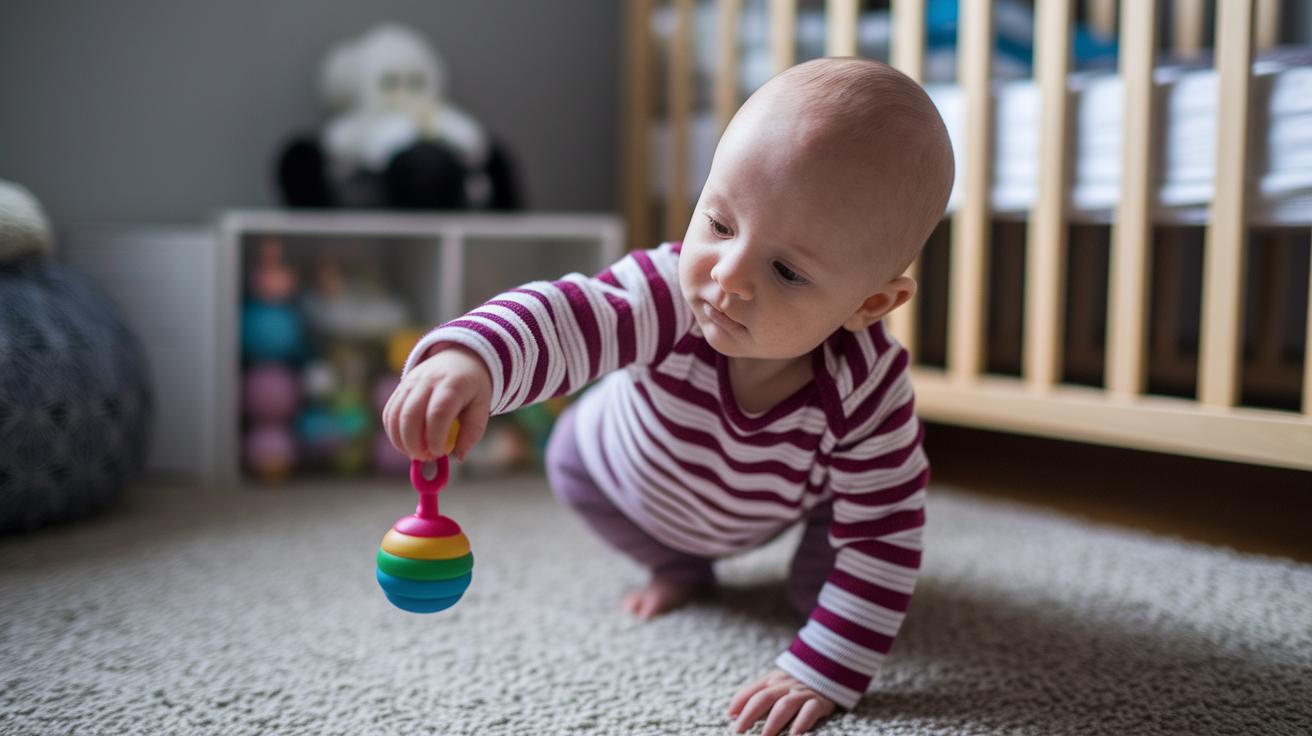
Fine motor development is all about how your little one learns to use the tiny muscles in their hands. These skills are key for everyday fun, whether it's playing, eating, or even learning to write later on. Below is a friendly guide that shows how many children build these important abilities as they grow.
| Age Range | Key Milestones |
|---|---|
| Newborn to 2 months | Tight grasp reflex, briefly holding a rattle, and bringing hands to mouth |
| 3–5 months | Grasping string, holding a block, and reaching for toys |
| 12–14 months | Pincer grasp, opening a board book, placing pegs, and loose marker hold |
| 15–18 months | Stacking 2–3 cubes, placing shapes, and overhand marker grip |
| 19–24 months | Turning 3 pages at once, stacking 4–6 cubes, and drawing vertical lines |
| 2–3 years | Drawing horizontal lines, stringing 2–4 beads, and cutting with safety scissors |
| 3–4 years | Using a tripod grip on a marker, manipulating small buttons, and cutting straight lines |
| 4–5 years | Drawing squares, cutting simple shapes, and establishing hand dominance |
Remember, every child grows at their own pace. Sometimes they finish these little steps sooner, sometimes a bit later. If you feel like your child is taking a little extra time, it might help to have a chat with your pediatrician, just to make sure everything is on track. Even simple actions, like stacking cubes or turning pages, are building blocks for the bigger skills they'll need later in school and day-to-day life.
Evaluating Fine Motor Development: Assessment Tools and Referral Guidelines
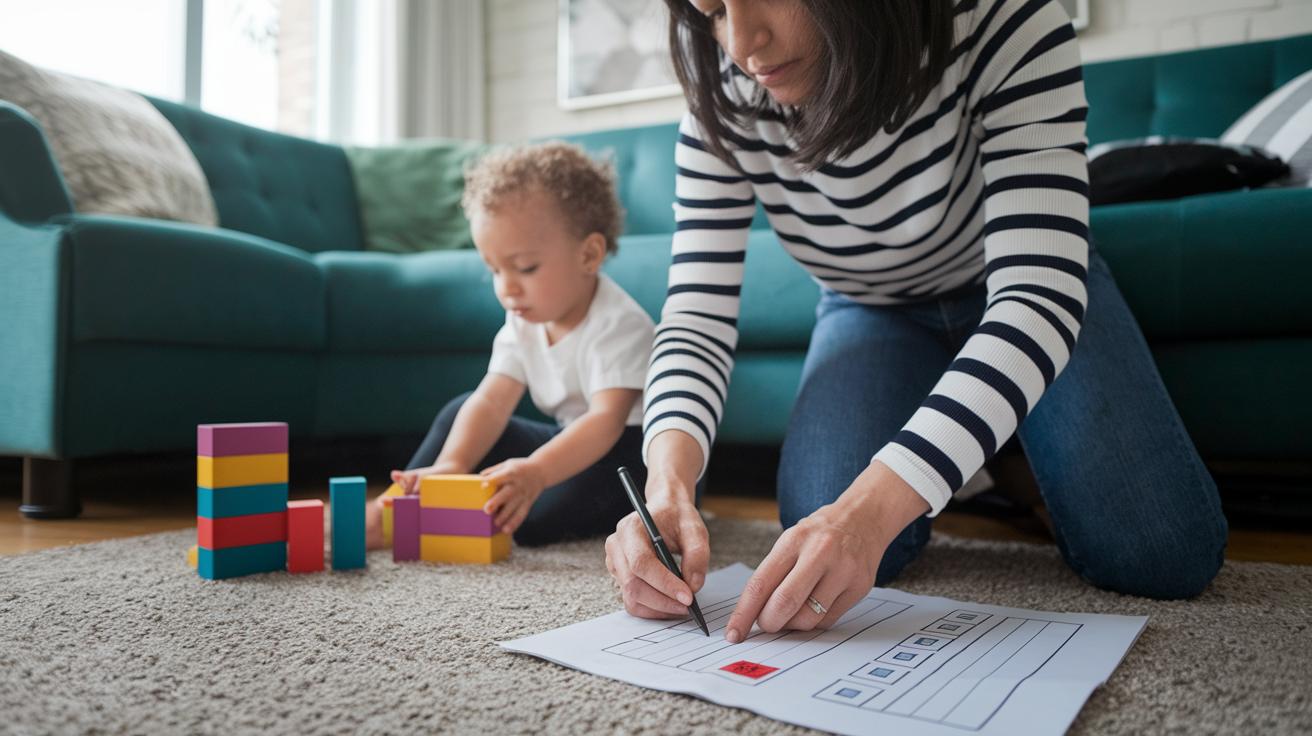
Using simple checklists at home is a great way to watch your child's little skills grow. It might be as easy as noting when they first grab a marker, stack a few blocks, or pick up small items with their fingertips. These quiet observations help you see both the wins and the moments when your child might need a bit more practice.
If you start noticing that key steps are being missed or that manual tasks seem really challenging, it’s a good idea to have a chat with your pediatrician. They may suggest a closer look by someone like an occupational therapist who can offer special advice. Early steps like these can make a big difference. By keeping an eye on these everyday milestones and working with trusted experts, you’re supporting your child’s growth in a caring, step-by-step way.
At-Home Activities to Promote Fine Motor Development
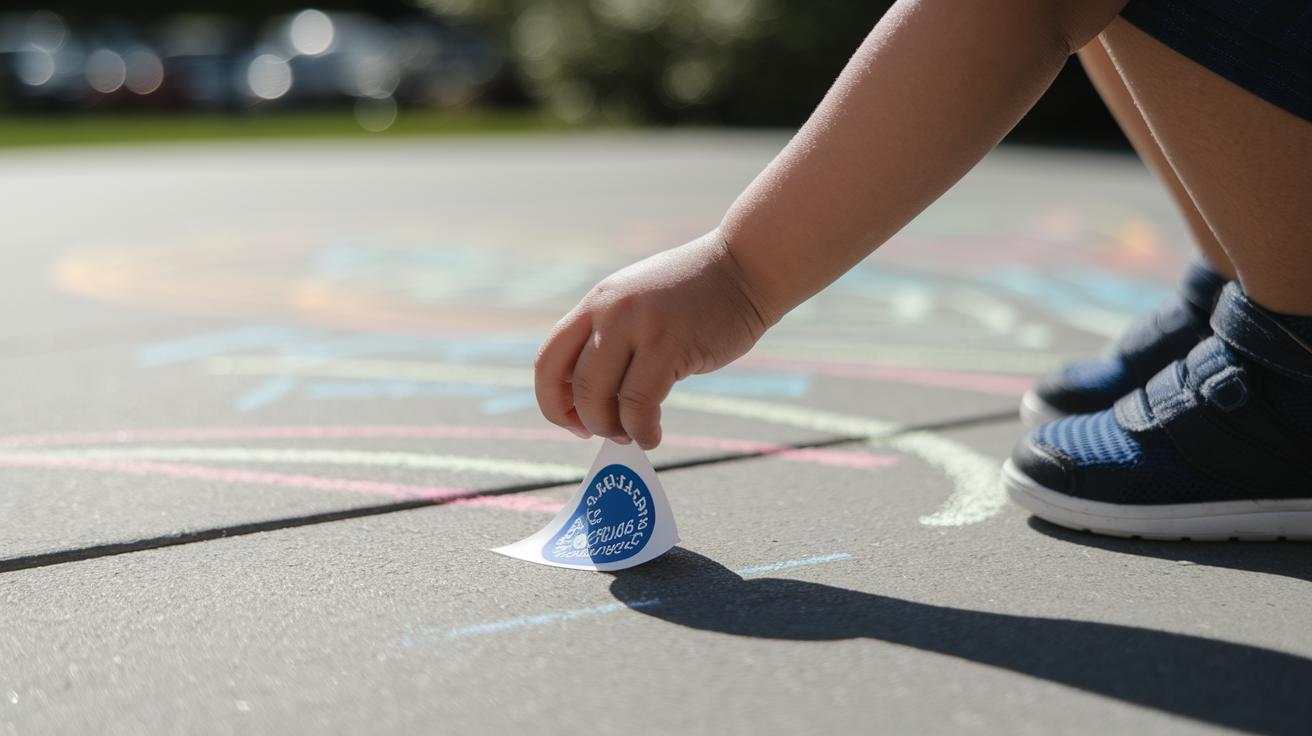
Try beginning with simple tasks that turn everyday play into a chance to grow and learn. Have you ever seen a child peel off stickers? It’s a fun way to work on their pincer grasp (the way they hold things between their thumb and finger) and to practice using both hands at once. Picture a child carefully removing a sticker and then threading Cheerios along a pipe cleaner. They’re having fun while getting ready for bigger challenges ahead.
Creative play can also boost fine motor skills. A fun activity is drawing with sidewalk chalk, sweeping big colorful lines and adding tiny details on the pavement. It helps with hand-eye coordination. Simple puzzles are another great option. Kids connect the pieces while learning about problem-solving and patterns. And when children play with dough, rolling it out, squishing it, or shaping it, they develop a touch that makes their hand control even stronger.
For a little extra strength and focus, try activities that need precision. Using tweezers or an eye dropper teaches kids how to handle small tools with care. Letting them practice with safety scissors, or have fun with LEGOs, is a playful way to improve their manipulation and spatial skills. Even ripping paper or playing with putty can help build a firm, coordinated grip. Each of these fun tasks is a step toward better hand and finger control, making learning feel both engaging and practical.
Supporting Children with Fine Motor Delays: Strategies and Professional Intervention
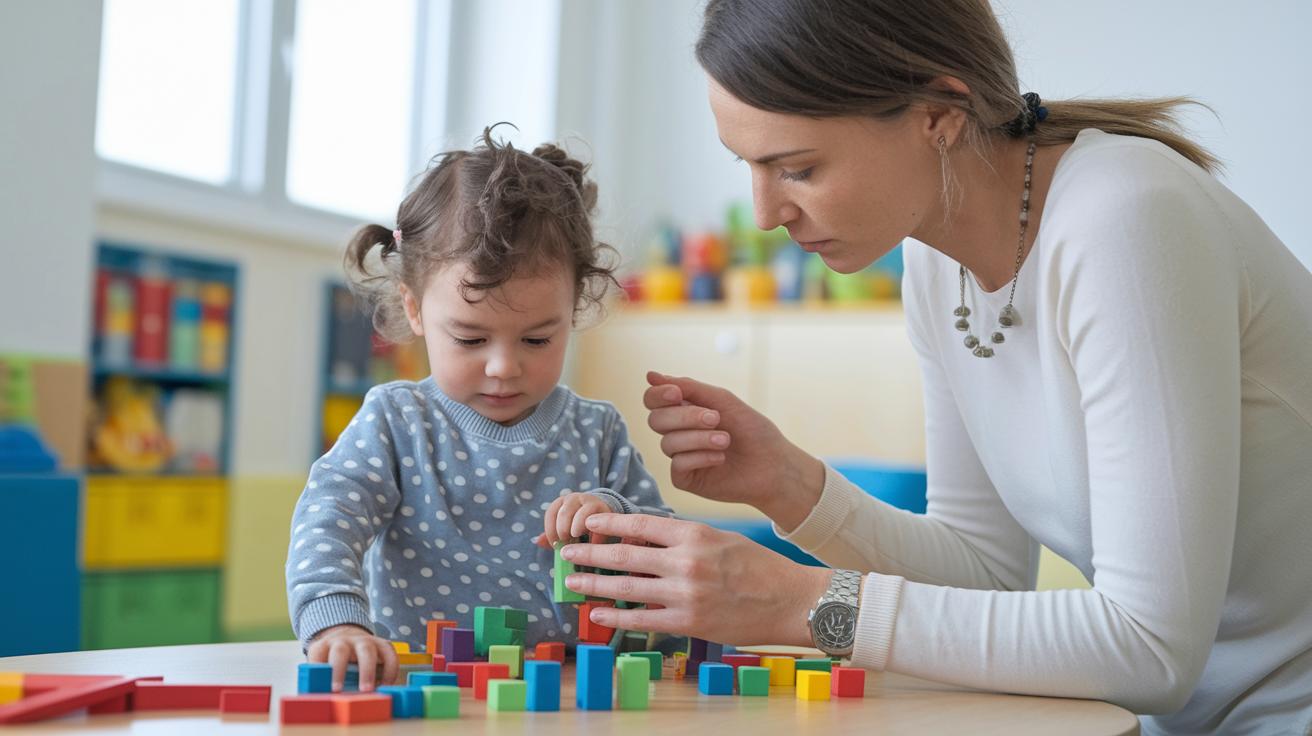
When you see your little one having trouble using their tiny hand muscles, it can be really upsetting. Sometimes, everyday tasks like holding a marker or stacking cubes seem to take much longer. Try turning these moments into playful activities that gently exercise those small muscles. Simple games like building with blocks or tracing shapes with crayons not only feel fun but also help develop hand strength. Even little actions like peeling stickers or playing with putty can nurture your child's fine motor skills.
But sometimes, a little extra guidance can help even more. A gentle, caring occupational therapist can offer a friendly, step-by-step approach to support your child. Often, pediatricians suggest these specialists so that playful tasks mix with focused exercises. It’s reassuring to know that professional help is there, and when you combine home activities with expert advice, you create a loving plan for your child's progress.
Referral and Intervention Pathways
- Watch your child at home or preschool and note how they manage small tasks as they grow.
- Chat with your pediatrician about scheduling an evaluation and possibly an assessment with an occupational therapist.
- Blend the therapist’s fun, easy exercises into your daily routine and keep a simple log to see how things improve and where more practice might help.
Research Insights and Best Practices in Fine Motor Development
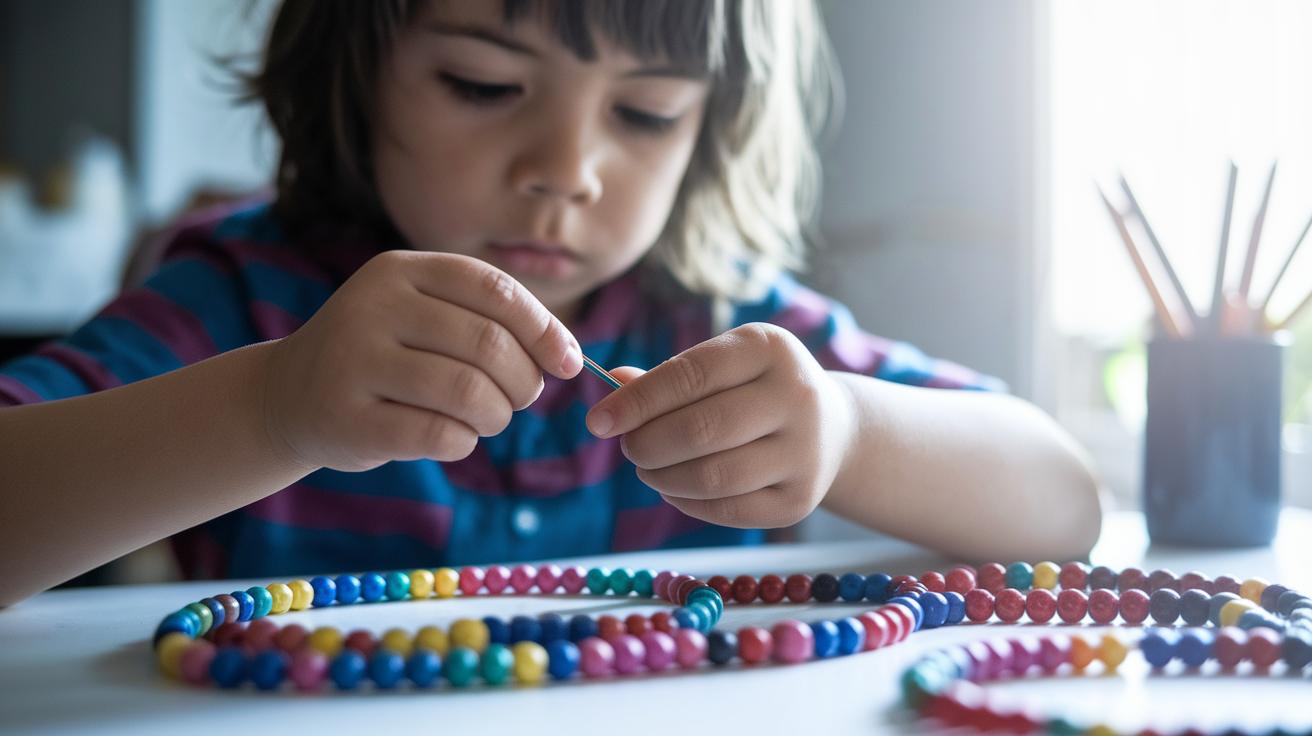
Studies show that mixing daily play with a few simple exercises can really boost fine motor skills. When your child strings beads or builds a block tower, they’re naturally paving the way for more detailed tasks later on. For example, drawing basic shapes can be a little step towards doing schoolwork or managing self-care tasks on their own.
Research tells us that activities at home and in preschool work best when combined. Engaging in fun games like building with small blocks or using child-safe scissors not only sparks creativity but also helps improve careful control. It’s amazing how a little playful practice can set the stage for activities such as writing neatly or buttoning up a shirt.
Experts recommend a balanced mix of playful fun and focused practice. By offering a range of enjoyable yet purposeful exercises, parents and teachers can help children steadily grow their dexterity and boost their independence in everyday tasks.
Final Words
In the action, this article explored how fine motor development builds early skills through everyday tasks and play. We looked at clear milestones, practical at-home activities, and assessment tools that help track progress.
Each section showed that strengthening small muscles in the hands is key for growing independence. There’s hope for every child as small changes add up over time. Keep fostering these skills with care and confidence, it really makes a difference.
FAQ
What is fine motor development?
Fine motor development involves using small muscles in the hands and wrists for tasks like grasping objects and drawing. It prepares children for everyday activities such as dressing and writing.
How do fine motor skills differ from gross motor skills?
Fine motor skills use small muscle groups for tasks like using a pencil, while gross motor skills involve larger movements like walking and jumping. Both are vital in a child’s overall growth.
What are some common examples of fine motor skills?
Common examples include using a pincer grasp to pick up small objects, drawing lines, cutting with scissors, and buttoning clothing. These skills support independence in daily activities.
At what age are fine motor skills developed in infants and young children?
Fine motor skills emerge from birth, with early milestones in infancy like grasping a rattle, progressing to tasks such as pincer grasp, stacking blocks, and drawing as children grow into preschool years.
What fun at-home activities can boost fine motor development?
Simple activities such as stringing beads, playing with dough, using tweezers, and drawing with chalk help strengthen hand muscles and improve coordination, making everyday play both enjoyable and beneficial.
Where can I find comprehensive resources, like a PDF guide, on fine motor development?
Detailed resources, including PDF guides, are available through child development centers and educational websites, providing step-by-step activities and milestone checklists to support fine motor progress.