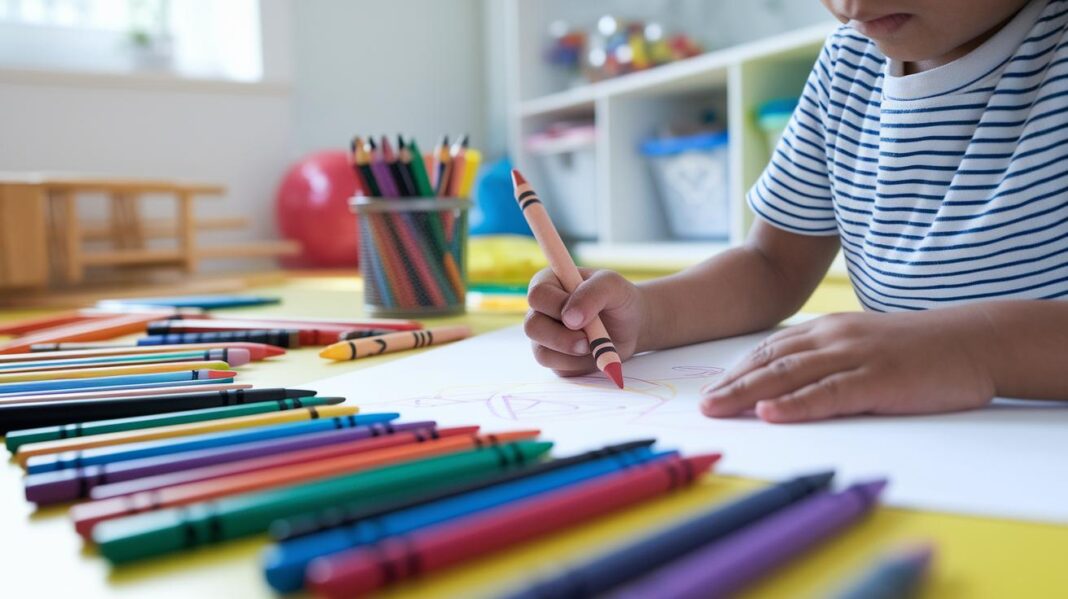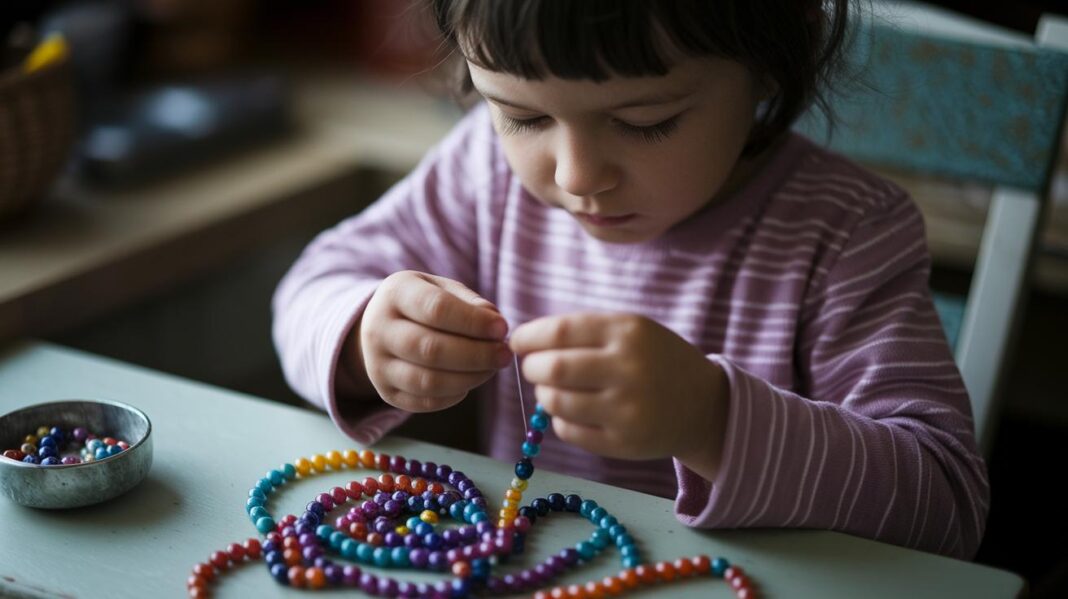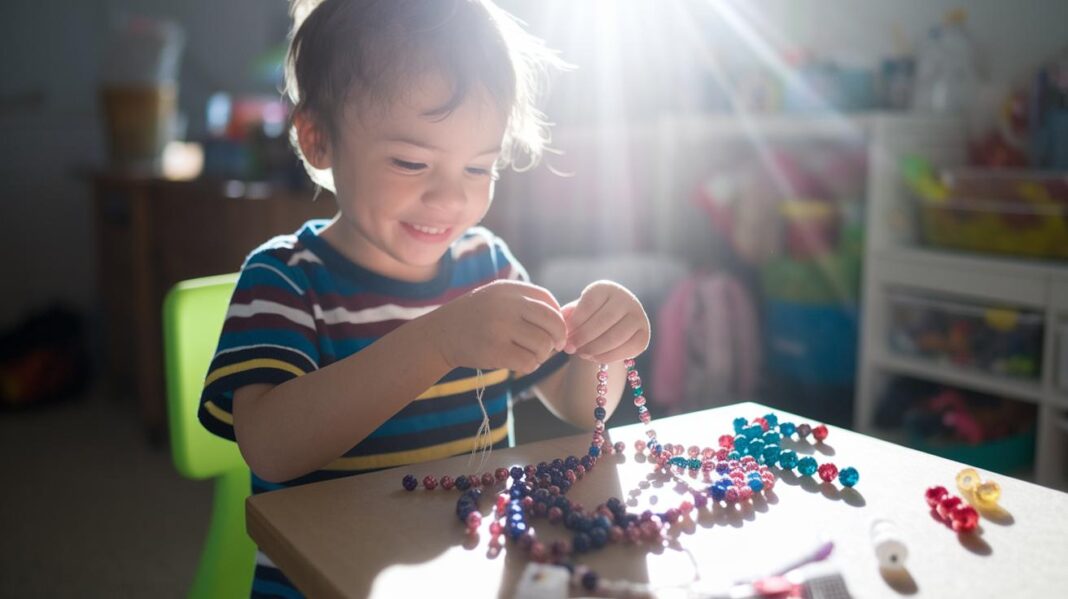
Have you ever noticed how little tasks can boost a child's confidence? Simple activities like threading beads or placing stickers can turn playtime into a fun learning experience. Each small movement helps build important skills, like learning to write or using utensils at mealtime.
In this conversation, let’s explore how easy, hands-on exercises can build strength and coordination in kids. It’s amazing how these tiny actions, repeated day after day, add up to big steps in a child's growth.
Essential Fine Motor Activities for Young Children
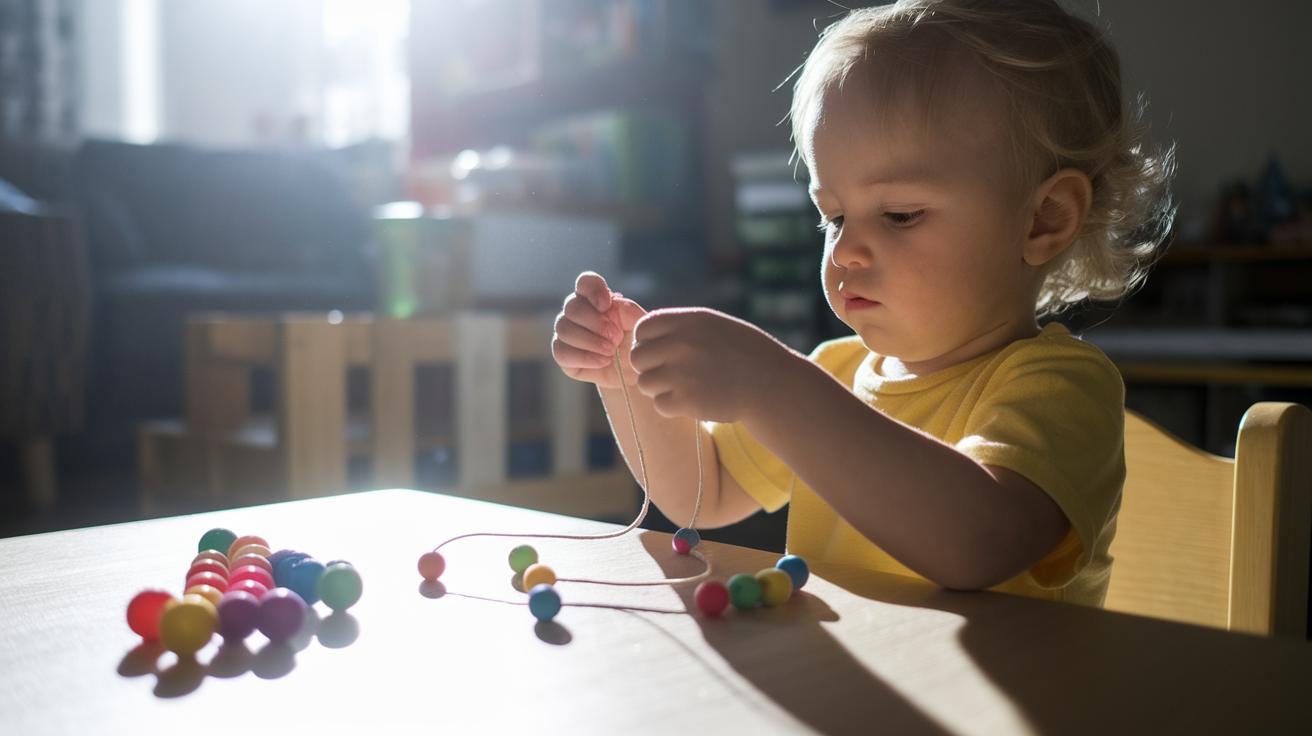
Fine motor activities help build the small muscles our little ones need for everyday tasks like writing or eating with utensils. Simple tasks such as threading beads or matching clothespins gently introduce toddlers to new movements, setting the stage for school readiness. These fun exercises also boost hand-eye coordination and strengthen hand muscles, creating a solid foundation for confident self-help skills.
Each exercise is like a small spark that grows into a joyful learning moment. They are simple, playful routines that encourage touching, gripping, and exploring, all while helping little brains absorb important sensory details.
- Threading beads and shoelaces: Arranging colorful beads side by side improves hand-eye coordination and builds dexterity.
- Clothespin color matching: Playing with clothespins strengthens a pinch grip and helps with color recognition in a fun way.
- Sticker placement: Peeling and carefully placing stickers encourages gentle finger movements.
- Playdough sculpting: Molding playdough builds muscle strength through soft, tactile play.
- Using tongs or tweezers: Practicing with tongs or tweezers teaches precise gripping and enhances fine motor control.
Regular practice of these activities can make everyday tasks easier, like self-feeding or the first steps into writing. With each playful challenge, children build confidence in handling utensils, buttoning up clothes, and eventually mastering more complex school tasks.
Fine Motor Skill Development Through Everyday Home-Based Manipulation Exercises
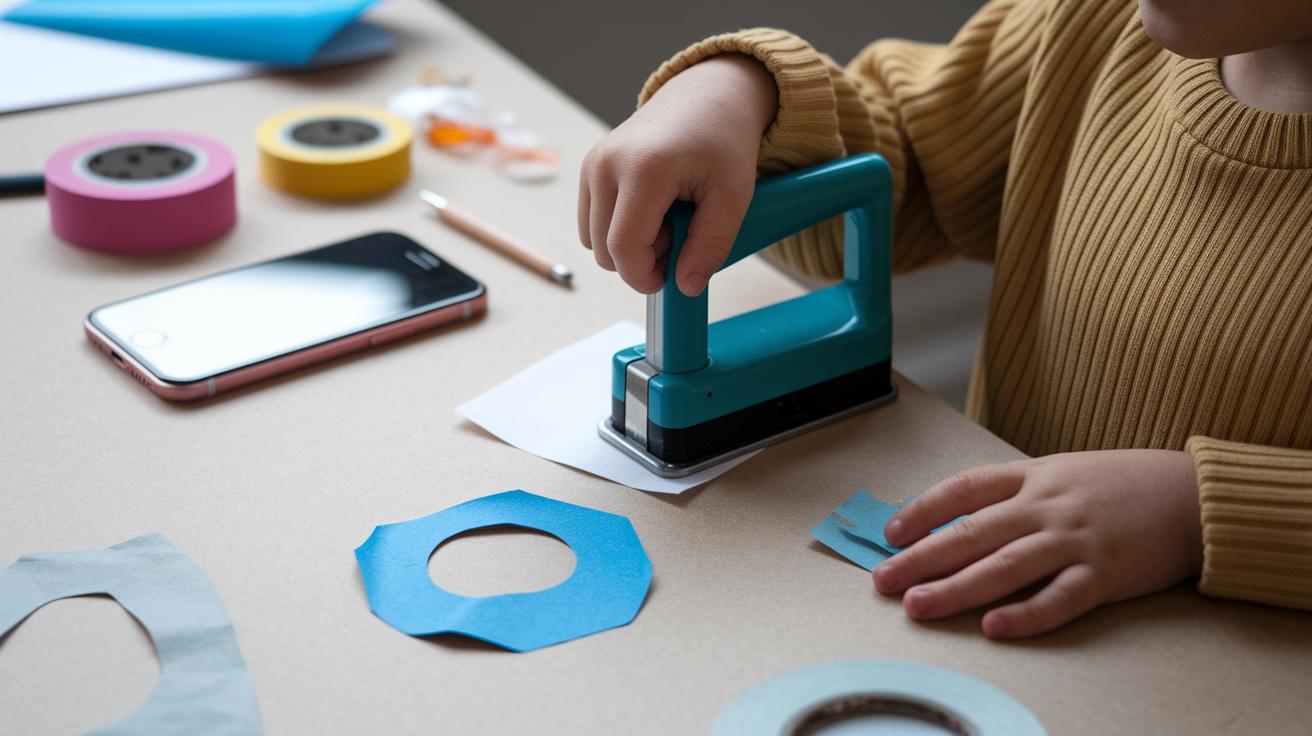
Everyday items around the home can become fun tools for building fine motor skills. For example, a simple hole punch can help your child strengthen their grip. Have them press the punch repeatedly onto a piece of paper. This helps them feel the texture and learn how to control their fingers. In time, these small movements can make everyday tasks, like holding utensils, much easier and boost their confidence.
Another idea is to use masking tape on printed shapes. Start with a scrap piece of paper that has a simple taped shape on it. Ask your child to slowly peel the tape away to uncover the printed design underneath. The gentle tug helps them practice steady wrist control and fingers coordination, all while giving a fun sensory feel. With a bit of practice, this exercise really smooths out their movements.
Playing with playdough and stacking blocks can also be great fun. Let your child knead the playdough into different shapes and then build small towers with blocks. These activities not only make hands-on learning enjoyable but also strengthen hand muscles and improve coordination between both hands. Over time, these playful exercises help prepare them for important tasks like writing and self-feeding while offering a delightful burst of creativity.
fine motor activities spark joyful skill growth
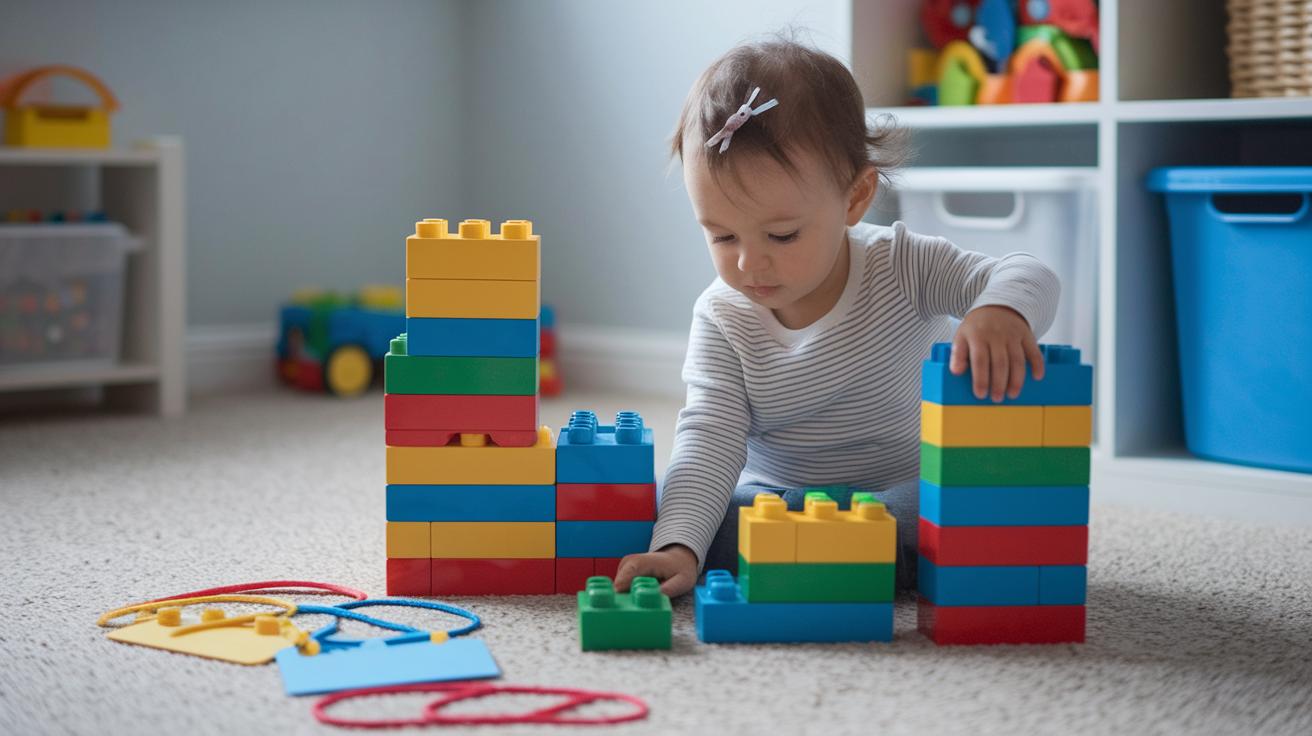
Every child grows at their own pace, and fun, age-appropriate activities help build their confidence and prepare them for school. Each stage is a chance to play with new textures and movements, making those little muscles stronger and more coordinated.
Activities for Toddlers (18–36 months)
Toddlers love exploring with their little hands. Try engaging them with pattern stacking using Duplo® guides, simple lacing cards, and even playful playdough facial sculptures. These activities gently challenge their grasp and hand-eye coordination while letting them enjoy bright colors and fun shapes. Imagine a toddler carefully placing one Duplo® block on top of another, their eyes lighting up with delight!
Exercises for Preschoolers (3–5 years)
For preschoolers, simple tracing on printable worksheets, cutting along soft, curved lines, and experimenting with geoboard designs are great choices. These exercises encourage them to make controlled, thoughtful movements. Picture a preschooler using safety scissors to snip along a gentle curve, learning how steady hands can create beautiful art.
Challenges for Kindergarteners (5–6 years)
When kids start kindergarten, they’re ready for a bit more of a challenge. Activities like symmetry cutting on folded paper, practicing shoe-tying using laminated templates, and tackling advanced block creation help develop careful planning and refined motor skills. Think of a kindergartner lining up paper folds just right before cutting, each snip building more confidence and precision.
| Age Group | Recommended Activity | Primary Benefit |
|---|---|---|
| Toddlers | Pattern stacking and lacing cards | Boosts grasp and hand-eye coordination |
| Preschoolers | Tracing shapes and cutting exercises | Sharpens control and precision |
| Kindergarteners | Symmetry cutting and shoe-tying practice | Enhances planning and fine coordination |
Integrating Occupational Therapy Hand Routines at Home
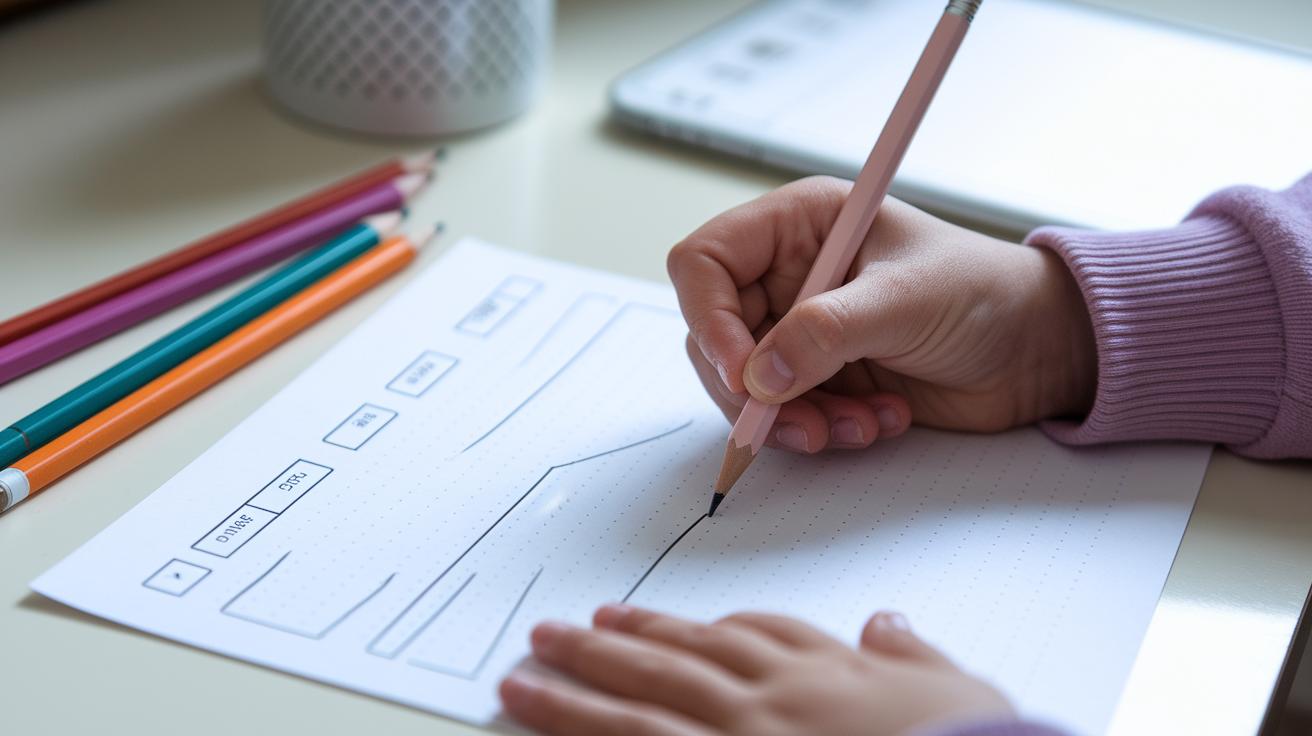
Sometimes, our little ones need a gentle nudge to build up their fine motor skills, and these hand routines can be just the ticket. They use simple, guided activities, like tracing lines or working with both hands, to boost hand strength and coordination. It’s all about repeating the task and using sensory feedback, which really helps kids gain smooth, confident movement.
One fun activity is using pencil control worksheets. Your child might trace lines and shapes along a dotted path, which gradually makes their hand steadier and their grip stronger. Imagine them carefully drawing a wavy line, each try making their hand even more reliable. It’s a small win that builds up to bigger skills.
Another great task is scissor work, where kids practice cutting along drawn lines with child-friendly scissors. They might also join in two-handed crafts like gluing shapes or assembling a collage, which encourages both hands to work together. Picture your child happily cutting and pasting, each little step tweaking their motor skills and hand-sync a bit more.
It’s important to watch how your child engages. If they start feeling fidgety or frustrated, it might help to shorten the activity or dial down the challenge a bit. Then, as they get more comfortable, you can slowly add a little more difficulty. This caring, step-by-step approach turns practice into fun moments of growth.
Materials and Setup for Creative Craft Fine Motor Sessions
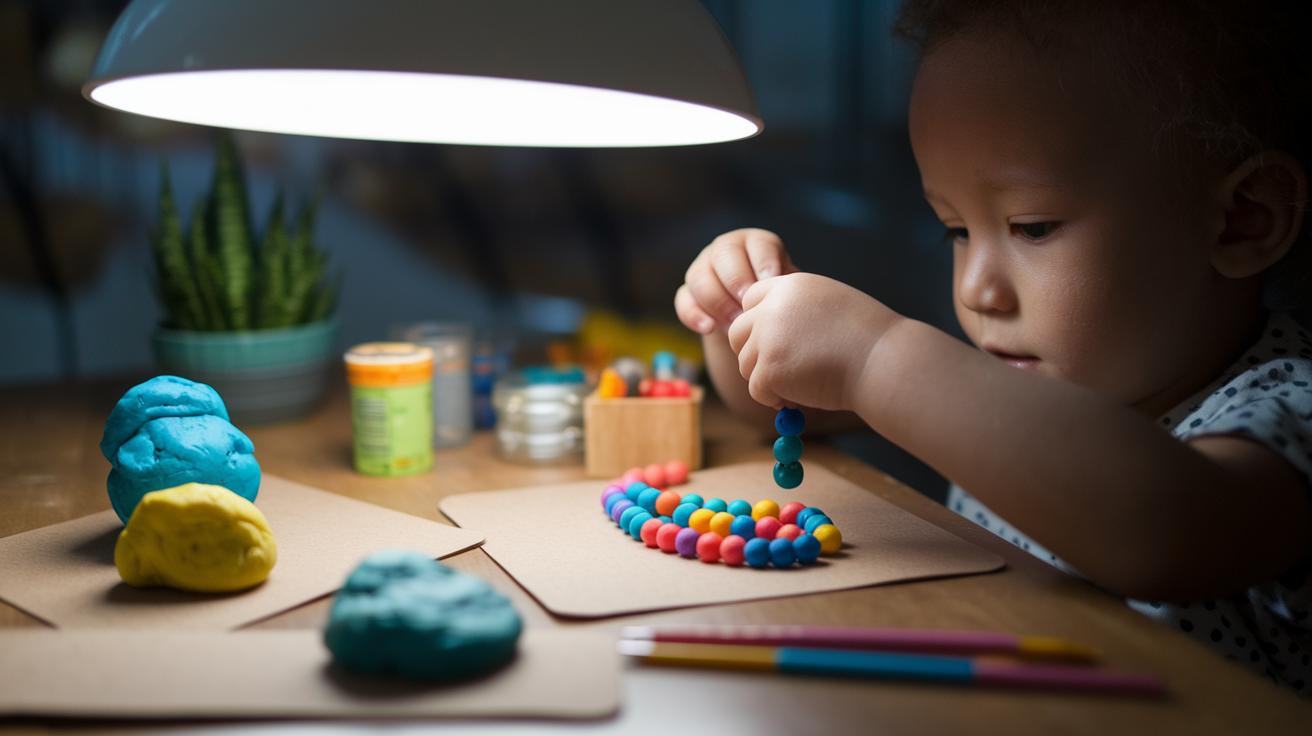
Start by gathering a few essential supplies that make crafting fun and safe. Think of things like playdough, bright beads, yarn with big eyes for lacing, clothespins, child-safe scissors, pom-poms, and lightweight tweezers. These items not only add a mix of textures for playful exploration but also help little hands practice their craft skills and fine motor movements.
Next, create a cozy workspace that feels inviting while staying organized. Use non-slip mats and small trays with compartments to keep all your supplies in order. A neat area encourages focused play and lets your child experiment with different shapes and textures without any fuss.
And of course, keep safety in mind during every session. Stay close by and follow guidelines for small parts to prevent any mishaps. Setting up a space with the right, age-appropriate materials lets your child explore and build confidence as they learn through fun, hands-on activities.
Tracking Progress and Milestones in Child Fine Motor Development
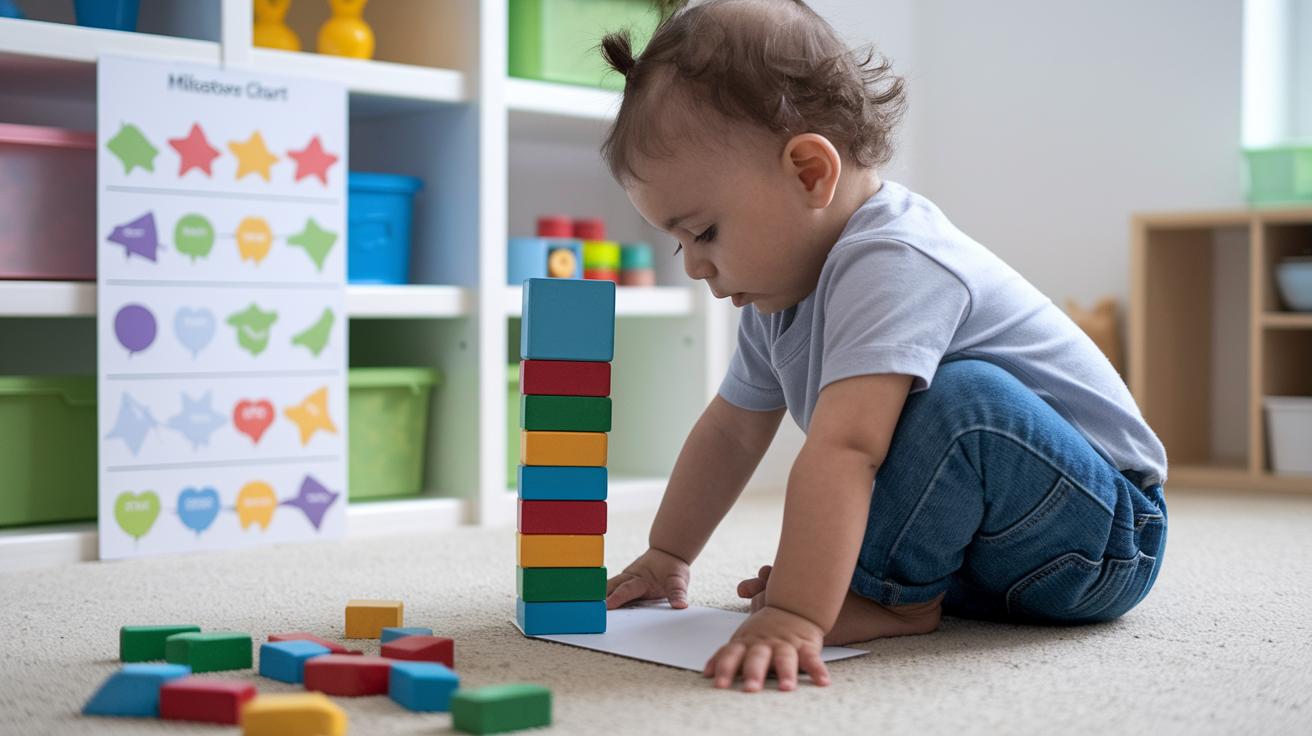
Watching your little one grow is truly a delightful journey. Around the age of 2, many children start to use a pincer grasp (using their thumb and finger) to pick things up and may stack around 6 to 8 blocks. By about 3 years old, you might see them stringing big beads or drawing simple vertical lines, clear signs that they're building skills for school. Then by 4, they may even start snipping paper into basic shapes or copying circles. When they hit 5, a steady tripod pencil grip often starts to show up. Each of these little steps is a wonderful milestone.
It can be really helpful to chart these progress points with a simple tool. Think of using a printed calendar or a notebook where you create columns for each milestone, like stacking blocks, stringing beads, or practicing cutting along a line. This friendly record lets you watch how your child's skills slowly improve over time.
If you notice your child has ongoing difficulty with simple tasks, like holding a crayon or stacking blocks, even after plenty of practice, it might be time to get some extra advice. If these challenges persist for several months, it could be a sign that a professional’s guidance could help. Trust your instincts and feel free to reach out to a pediatric provider for tips that are just right for your little one.
Final Words
In the action, this guide shared practical ideas for engaging little ones with hands-on tasks at home, creative craft skills, and age-specific routines. We touched on ways to build strength, control, and confidence in everyday activities, from simple household exercises to fun, targeted challenges that support self-care and early writing. Every fine motor activity is a gentle step toward boosting coordination while helping children feel empowered. Enjoy these practical tips and watch your child shine with every new skill they try!
FAQ
What are fine motor activities for preschoolers?
The fine motor activities for preschoolers include tracing shapes, cutting with safety scissors, and simple lacing cards that strengthen hand muscles and help prepare kids for early writing and self-help tasks.
What are fine motor toys?
The fine motor toys refer to items like beads, playdough sets, and large-eyed yarn that let children practice twisting, pinching, and placing objects, improving hand strength and coordination.
What are fine motor skills activities for 1-2 year olds and 2 year olds?
The fine motor skills activities for 1-2 year olds include sticker placement, playdough molding, and bead threading, which build hand strength and improve coordination needed for everyday self-care.
What are fine motor activities for toddlers?
The fine motor activities for toddlers involve using tongs, clothespin tasks, and simple bead threading that help refine grip, boost hand-eye coordination, and support early learning skills.
What are five key fine motor skills?
Five key fine motor skills include grasping small objects, using utensils, manipulating toys, drawing simple shapes, and cutting with safety scissors. These skills build precision for daily tasks and learning.
What activities help fine motor skills?
The activities that help fine motor skills include bead threading, sticker placement, playdough play, and using tools like tongs or tweezers. Each exercise improves hand strength and fine-tunes precision.
What are fine motor skills activities for older kids, such as 5-7 year olds?
The fine motor skills activities for older kids feature advanced block construction, detailed drawing or cutting tasks, and crafting projects, which enhance precision and bolster bilateral coordination and planning.
What is a fine motor skill activity?
A fine motor skill activity is any task that uses small hand muscles to complete precise movements. For example, threading beads or cutting paper helps develop the dexterity needed for daily routines.