Have you noticed how your child's little hands can tell a story of growth? Watching them grasp, stack, and scribble shows all the small victories they're achieving. At first, those simple reflex moves slowly turn into gentle, controlled actions that make everyday tasks feel like wins.
In this guide, we share key moments from babyhood to early school years to help you enjoy every step of your child's journey. Every little achievement is a moment to celebrate.
Age-Specific Fine Motor Development Milestones at a Glance
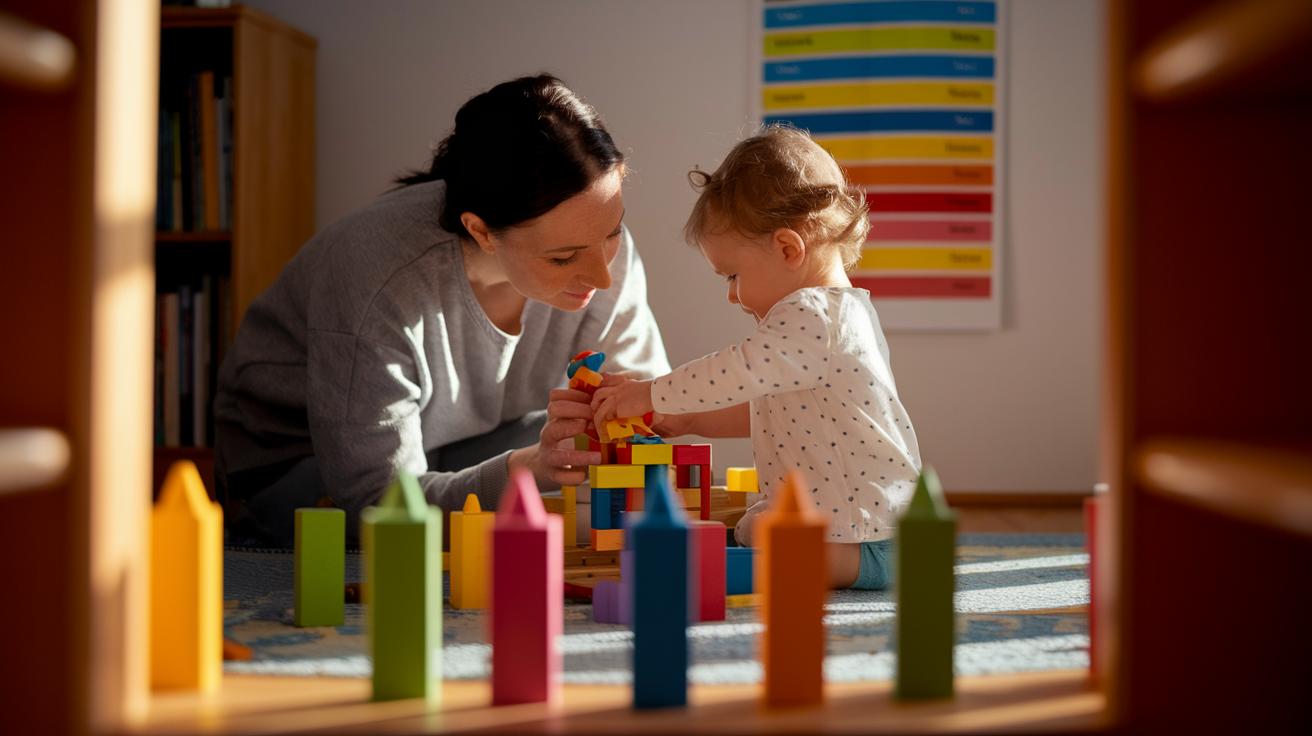
Kids build up their small hand skills gradually, following a natural order from head to toe. In the beginning, infants show a natural reflex by grasping objects and bringing their hands to their mouth. Over time, these simple actions turn into skilled hand and finger movements that help them with everyday tasks. This handy chart shows key groups of milestones from birth until early school years. It’s here to guide parents, teachers, and therapists as they watch a child’s progress, all while celebrating each child’s unique pace.
| Age Range | Typical Fine Motor Skills | Key Development Indicators |
|---|---|---|
| 0–6 months | Reflexive grasp; hands to mouth | Starts basic hand-to-mouth movements |
| 6–12 months | Shakes and bangs rattles; voluntary release | Better coordination and early object handling |
| 12–24 months | Stacks blocks; palmar supinate grasp | Begins purposeful grasping and handling objects |
| 2–3 years | Strings 3–4 beads; scribbles | More precise control and early drawing skills |
| 3–6 years | Copies block designs; cuts along lines and shapes | Evolving hand control and budding pre-writing skills |
| 6–8 years | Forms letters/numbers; writes neatly | Advanced fine motor skills that aid in schoolwork |
Remember, every child grows at their own speed. These milestones are simple guidelines to help you notice overall trends in motor development. If you have concerns that a child isn’t meeting these steps within the usual time, it might be a good idea to talk with a pediatric specialist for extra guidance and peace of mind.
Fine Motor Milestones from Birth to 6 Months
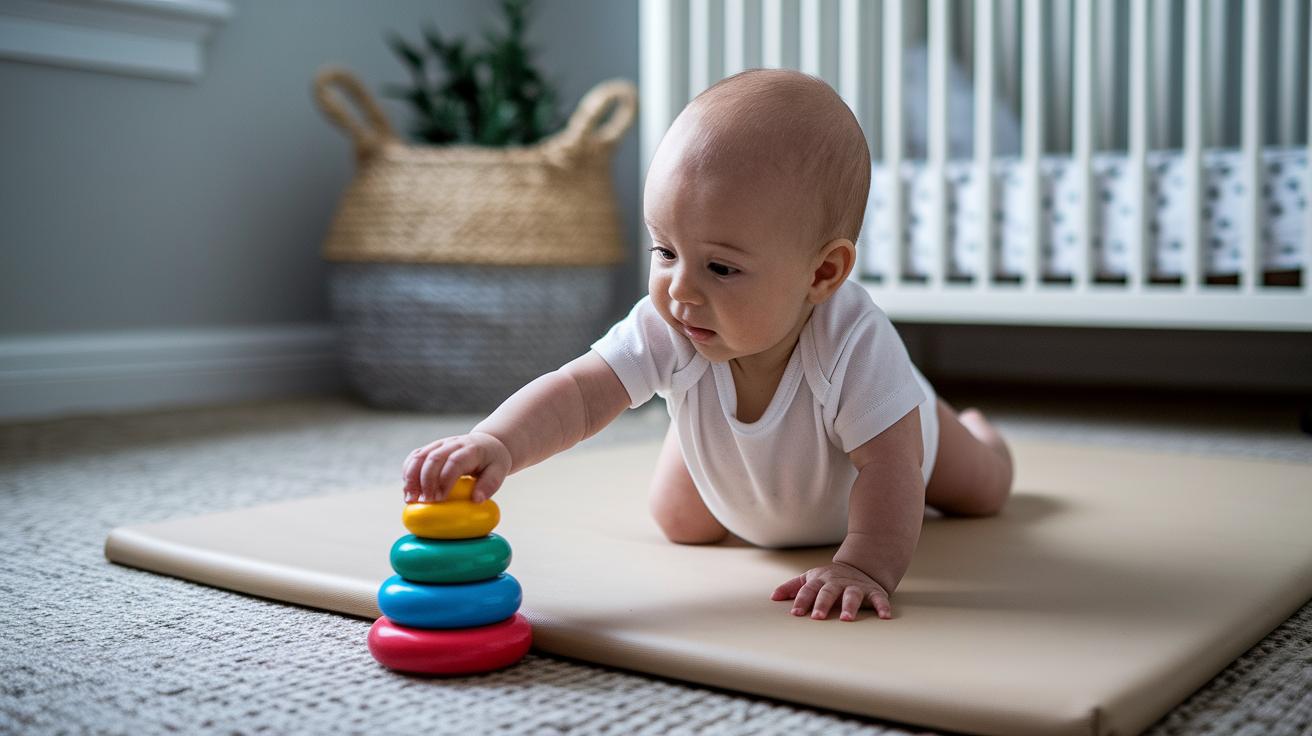
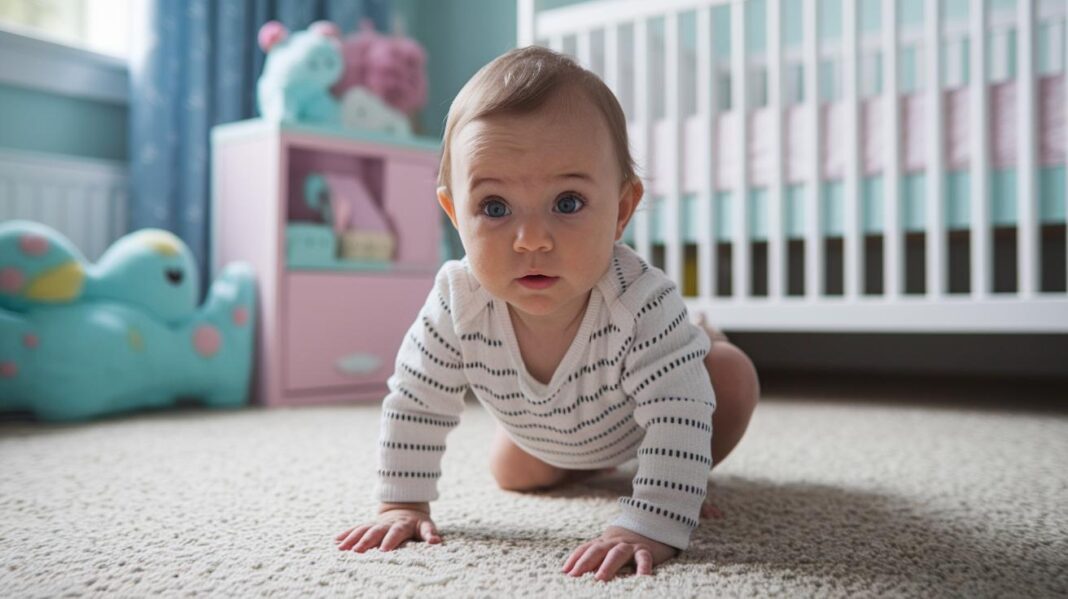
It’s amazing to see how your baby starts using their hands. In those early months, natural reflexes lay the groundwork for later, more controlled movements. Between 0–3 months, it’s common for infants to bring their hands to their mouth, this is the built-in palmar grasp at work. Then, from 3–6 months, many little ones begin to hold small objects with their thumb and fingers. It’s a gentle shift from reflexive actions to voluntary grasping. And during tummy time, your baby isn’t just playing; they’re also building the head, neck, and trunk strength needed for wrist and hand control.
Tummy time (around 3–5 minutes, 2–3 times a day) really helps build neck and shoulder strength. Offering lightweight rattles on their lap encourages them to reach out and hold. Textured toys that invite the use of both hands are fantastic for boosting sensory and motor skills. And a little hand-over-hand guidance, opening and closing small objects, can introduce them to the idea of controlled movement.
Watching these early milestones can be so rewarding. If you notice your baby isn’t grasping or holding objects, it might be a good idea to chat with a pediatric specialist. Every baby develops in their own time, and these first steps are just the beginning of more refined hand skills down the road.
6 to 12 Months: Refining Grasp and Object Manipulation
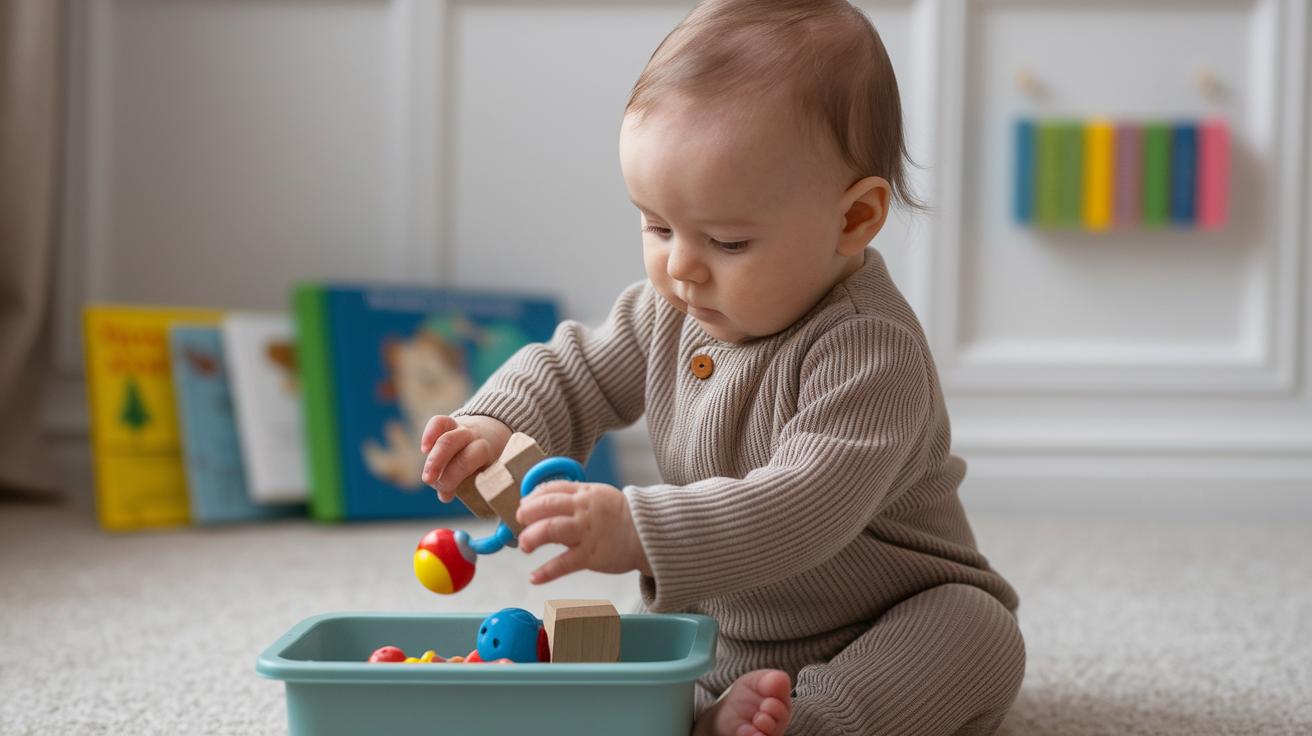
Between 6 and 9 months, little ones start to explore by shaking, banging, and passing toys between their hands. It’s not just play, it’s a chance to practice reaching and grasping while building up their muscle control. As they experiment with toys, they begin to understand cause and effect, like how a little shake makes a sound, almost like tapping a drum in a fun way.
From 9 to 12 months, you might notice them using a tiny pinch with their thumb and finger to pick up small objects. They might drop things into a container on purpose to see what happens next. Fun activities like board books with pages to flip or playing with small items on a highchair tray can really help. These gentle games boost their coordination and touch awareness, making every little activity a sweet step toward mastering how to handle objects.
Developing Precision: Fine Motor Milestones at 1 to 2 Years
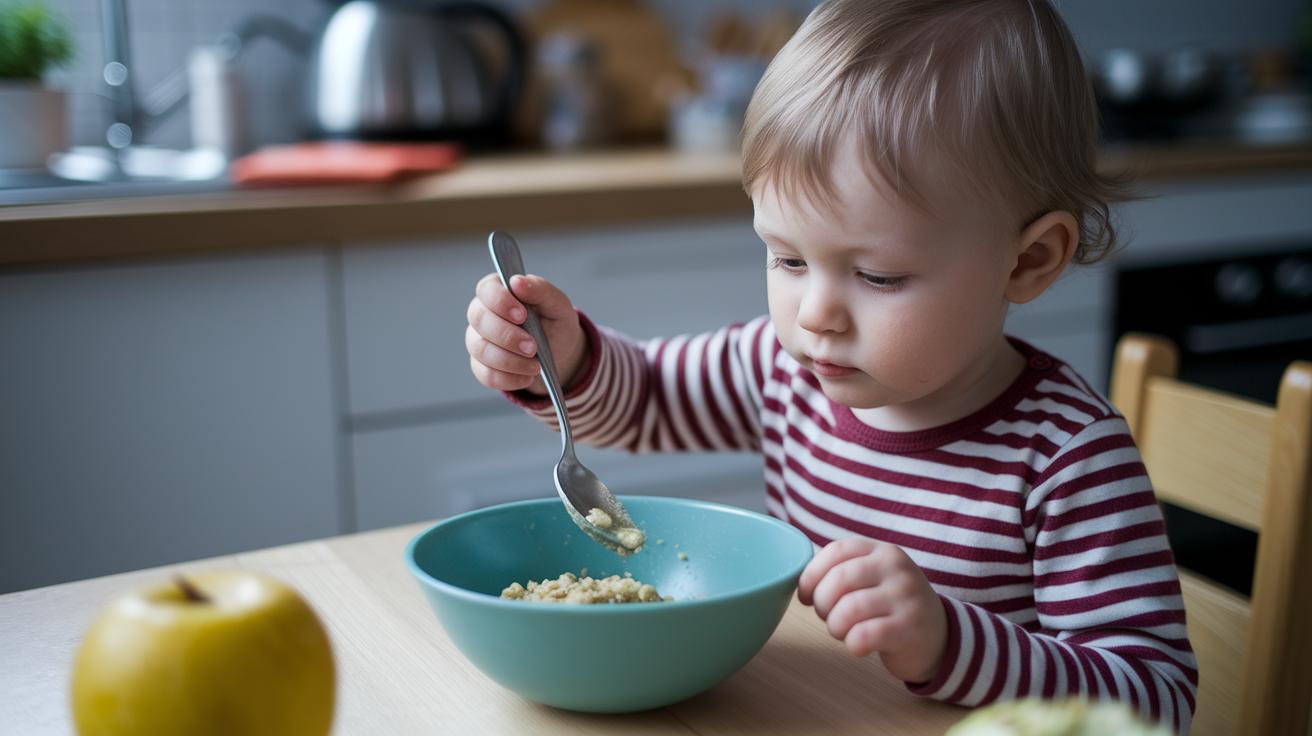
At this stage, you'll start to notice your toddler using their hands more purposefully. From about 12 to 18 months, many little ones love to put objects into containers and then take them out again. They also begin to try using a spoon during self-feeding, which is a fun way to build hand-eye coordination and a sense of independence. Picture your child carefully scooping up their food, each bite is a small step in learning through play.
By the time your child is between 18 and 24 months, you might see a change in how they hold crayons. They often use a grip called the palmar-supinate grasp (a way to hold items that allows their hand to move freely). This little shift makes way for spontaneous scribbling as a form of self-expression. It’s a bit like watching a budding artist draw their first wavy line, a delightful moment that shows their creativity is beginning to shine.
You can help nurture this progress with some fun, engaging activities. Try a session of Q-tip painting, where the gentle touch of the Q-tip helps refine those small hand movements. Introduce chunky puzzles with large pieces that your toddler can easily pick up, which boosts both precision and hand coordination. And, of course, keep offering opportunities for self-feeding with a spoon, this everyday task builds the essential movements needed for more complex skills later on.
Fine Motor Growth for 2 to 3 Years: Advancing Dexterity

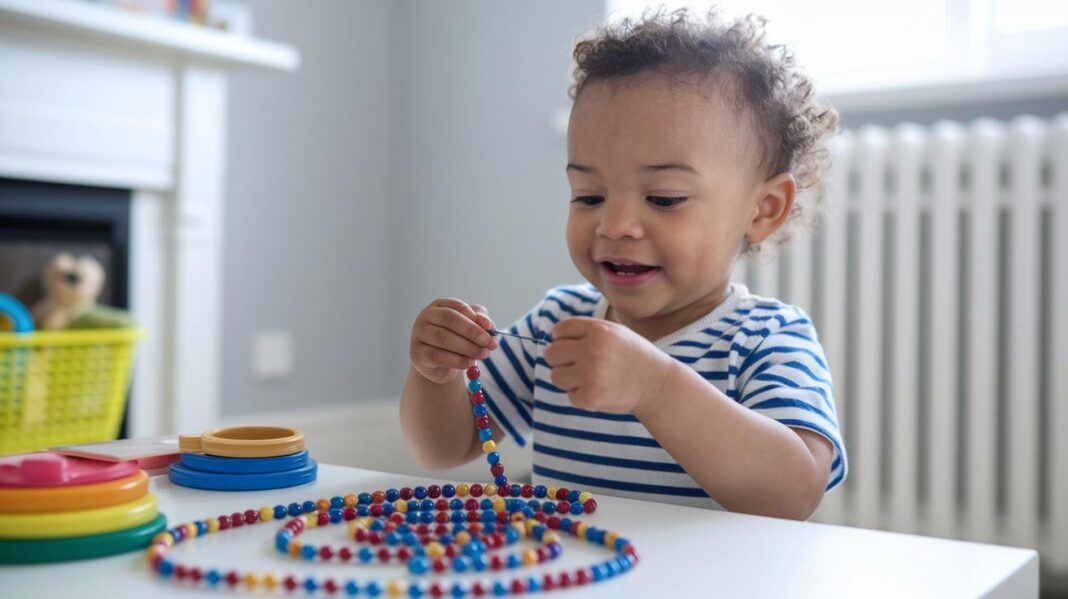
Between 2 and 3 years, toddlers start doing cool things like stringing 3 to 4 big beads and stacking 6 or 7 blocks into a tower. These fun play moments aren’t just for laughs, they gently build the skills their little hands will need later. When your child threads beads onto a string, it shows they’re learning to control their hands and work together. Stacking blocks, on the other hand, lets them practice balance and figure out how space works, all while having a great time.
At this age, you might notice your child starting to use a tripod grasp when they hold on to large crayons. This grip helps them make vertical and horizontal strokes as they begin to imitate simple drawing moves. Playing with playdough is a sweet way to strengthen their hands, and nut-and-bolt toys are awesome for practicing twists and turns. These engaging hands-on activities boost their finger agility and lay the first steps toward perfecting those scribbles.
Preschool Milestones: Fine Motor Skills from 3 to 6 Years
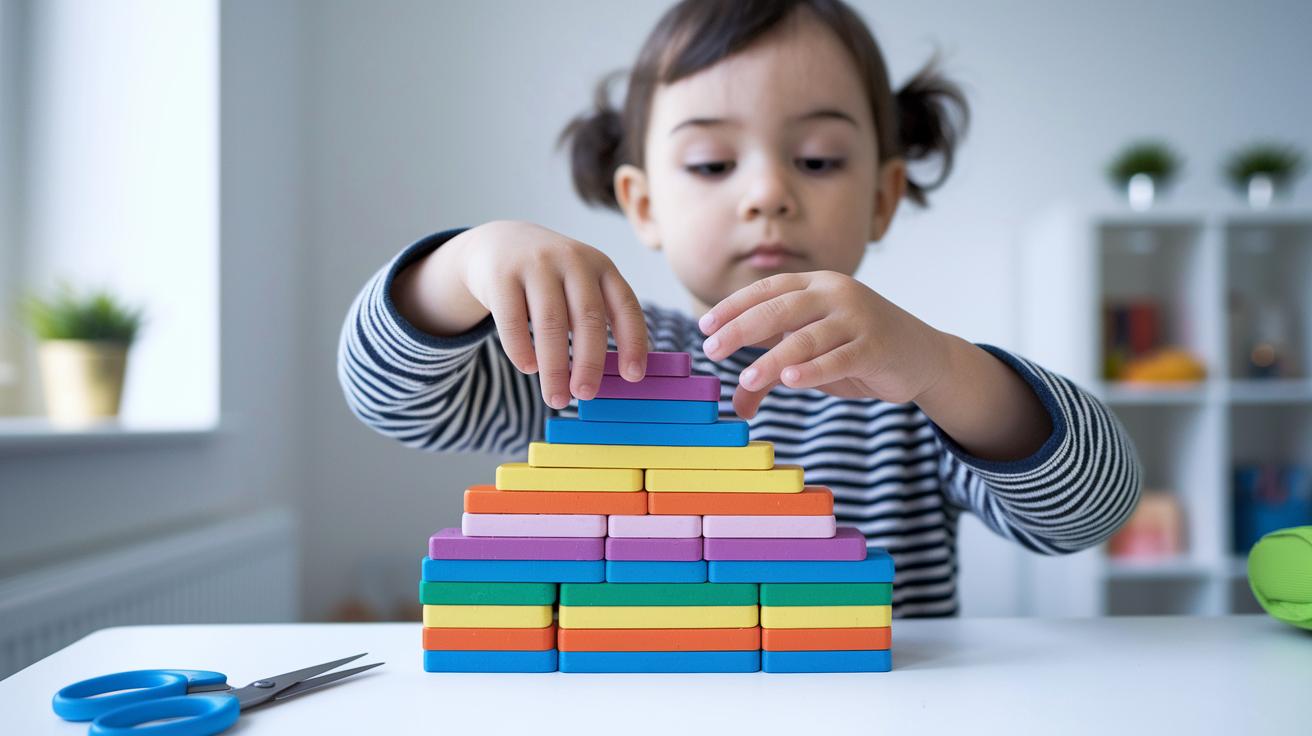
Preschoolers begin to show off their hand skills in delightful ways. They start by copying simple block designs, a fun activity that helps them understand space and use both hands together. By age 3 or 4, many kids can arrange up to six blocks in neat patterns, setting them up nicely for tougher tasks when school starts.
Scissor Skills
Around age 3, children pick up beginner scissors and try cutting straight lines. As they grow into the 4- to 5-year range, they move on to cutting along curves and continuous lines. This change is a clear sign that their grip and hand control are getting stronger, preparing them for more tasks that need a steady hand.
Drawing and Pre-Writing
Between the ages of 4 and 6, kids start drawing simple shapes and making freeform marks. Their pencil control gets better every day, which helps lay the foundation for writing letters. These playful drawing moments aren’t just fun, they get them ready to express ideas and learn more at school.
Watching these milestones unfold gives us a clear picture of how little hands develop. When your child copies block designs, masters snipping with scissors, and experiments with drawing, it’s a sign they’re ready for classroom activities. Plus, these creative, hands-on playtimes help nurture a love for learning every single day.
Early School Years: 6 to 8 Years Fine Motor Milestones

At this stage, you'll start to notice your child’s handwriting getting much better. Around 6 or 7, they begin forming letters and numbers using the right strokes and even try little cursive touches. It feels like watching a tiny artist at work, and that firmer pencil grip helps them write in a neat and clear way in class. Imagine your little one, maybe a bit shy, writing a perfect "s" as they explore their very first loop, it’s a small moment that shows big growth.
Then, by age 7 to 8, daily tasks become more fun and important too. They write even more clearly and hold a knife and fork correctly when they eat. They might even start tying their own shoelaces! These everyday activities mix improving hand skills with a growing sense of independence, giving them the confidence to tackle everyday challenges with ease.
Recognizing Fine Motor Development Delays
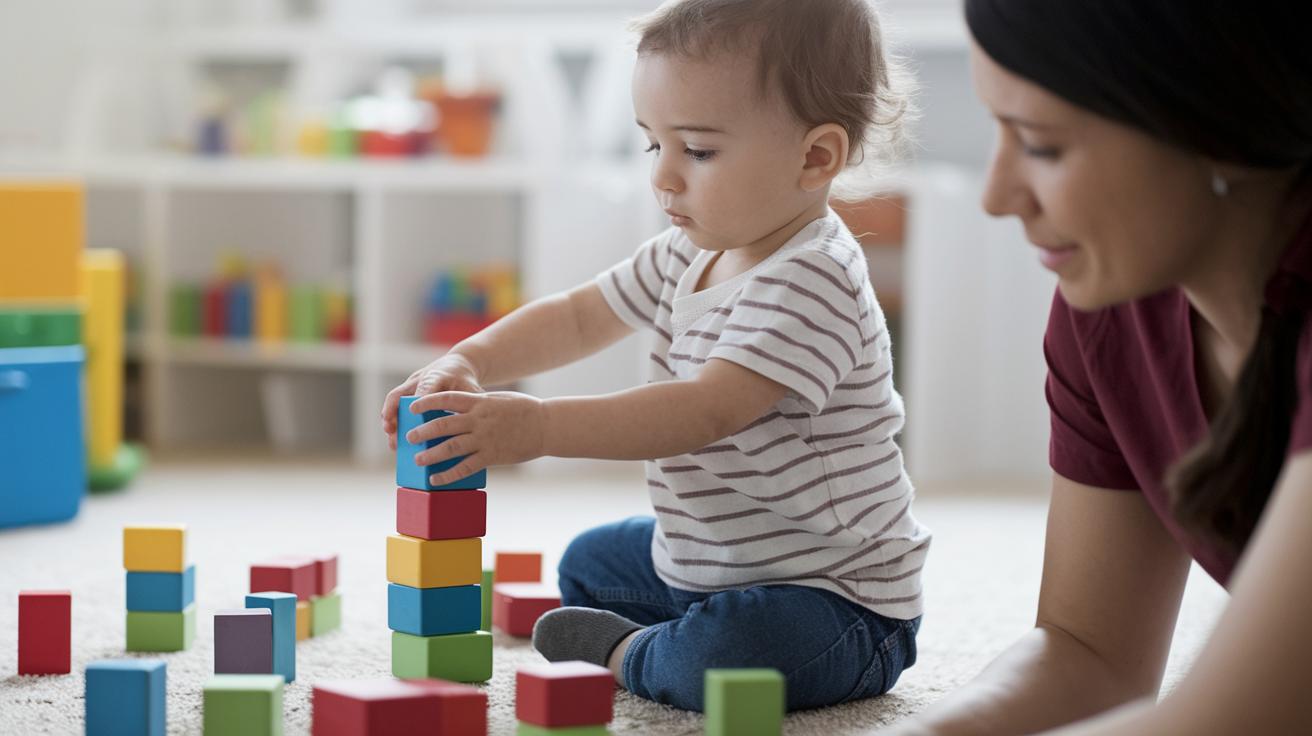
It’s important to watch how your child learns to use their hands. These guidelines are little signposts that help you see how their hand movements are developing. But keep in mind, every child grows at their own pace. Some may take a bit longer to get the hang of tasks like feeding themselves, getting dressed, or playing, and that’s completely okay.
Here are a few tips to look out for:
- Not being able to let go of objects on purpose by 12 months.
- Only stacking one or two blocks by 18 months.
- Still using an ulnar-fist grasp after 18 months.
- Struggling with hand-to-mouth coordination at around 6 months.
- Not showing much wrist movement when using tools by age 2.
If you see these signs, it might be a good idea to talk with a pediatric therapist. They can offer guidance and support, helping you feel more confident as your little one makes progress.
Activities and Exercises to Stimulate Fine Motor Skills
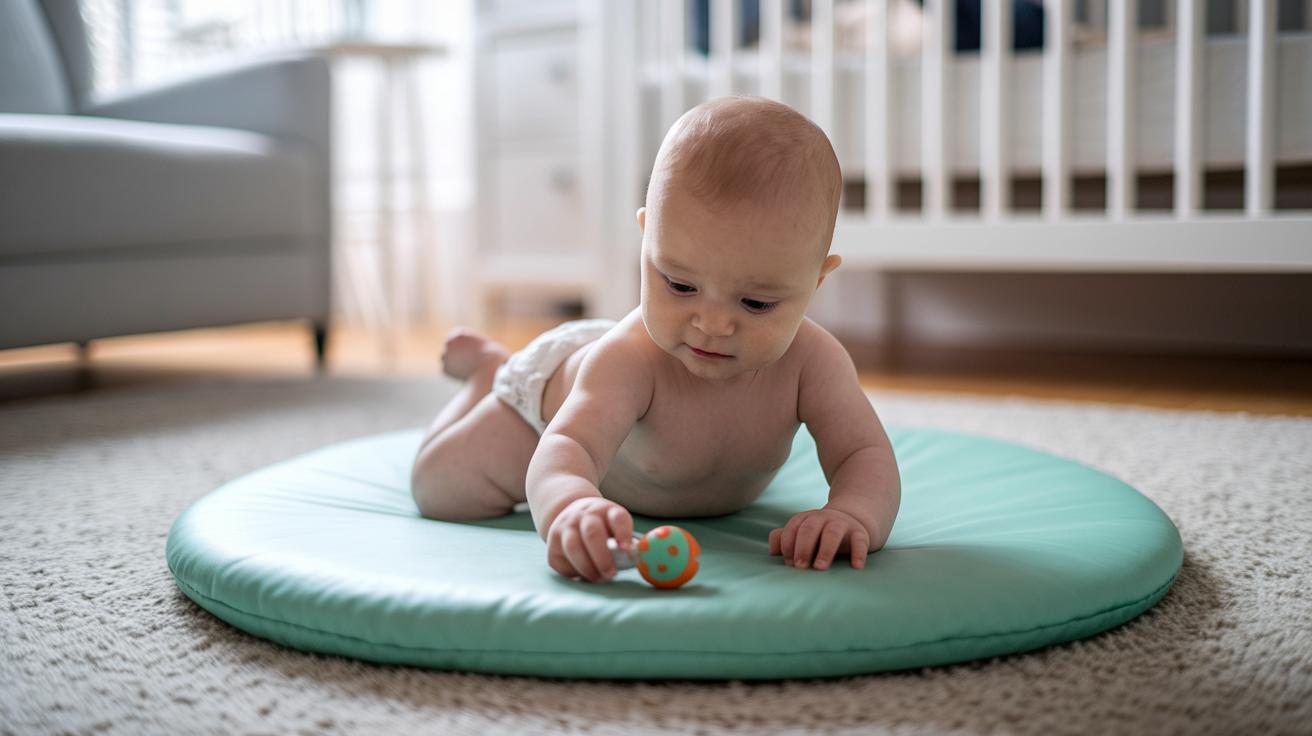
When it comes to helping your little one build hand skills, choosing fun and safe activities can really make a difference. Try to pick exercises that allow your child to explore both individual and coordinated movements. It’s amazing how these playful tasks can boost strength, control, and even a bit of everyday confidence!
- Ages 0–6 months: Think about tummy time on a soft play mat or a comfy blanket. It’s a gentle way to help build shoulder and neck control.
- Ages 3–6 months: Place a lightweight rattle or a textured toy in your baby’s lap. This encourages using both hands, making it fun and engaging.
- Ages 6–9 months: Try attaching safe objects securely to your highchair tray. Your baby will be encouraged to reach and explore by grabbing and opening things.
- Ages 9–12 months: Interactive board books with flaps to turn or lift can be a great way for little fingers to practice dexterity.
- Ages 1–3 years: Enjoy some creative painting sessions together using washable paints, markers, or even Q-tip painting. It’s a fun way to strengthen hand-eye coordination.
- Ages 2–6 years: Engage in hands-on activities like stringing beads, playing with playdough, practicing with scissors, lacing cards, or solving pegboard puzzles. These activities help develop precise movements and control.
Remember, it’s all about adapting activities as your child grows. Start with simple, fun experiences, then gradually move on to tasks that challenge their coordination a bit more. Watch how your child interacts with each activity and feel free to change up the materials or the time spent as needed. Every little accomplishment builds a solid foundation for future skills and a boost in confidence during everyday play.
Final Words
In the action, this post broke down fine motor development milestones from birth to early school years, covering everything from reflexive grasping to neat writing and everyday self-help skills. We highlighted different stages, red flags, and playful activities to guide each step of improvement. Each section offered practical examples and simple ideas to support growing dexterity at every age. Keep celebrating each small win and nurturing the progress one step at a time!
FAQ
What are fine motor milestones?
Fine motor milestones refer to the progress children make as they learn to control their hands and fingers. They cover skills like grasping objects, stacking blocks, and beginning to scribble.
What are examples of fine motor skills?
Fine motor skills examples include picking up small items, stacking toys, using crayons for drawing, cutting paper, and other activities that require hand and finger coordination.
What are the big 6 fine motor skills?
The big six fine motor skills include grasping objects, reaching out, manipulating items, coordinating hand-eye movements, imitating drawing motions, and using small tools like spoons or pencils.
What are the 7 stages of motor development?
The seven stages of motor development describe a child’s progress from early reflex actions to more refined movements. They move from basic gross motor tasks to more intricate fine motor controls like drawing and writing.
What are the fine motor milestones for age 4?
By age 4, children typically show milestones like copying simple shapes, cutting with scissors, and starting to form letters, which show improved hand control and coordination.
How do gross motor milestones differ from fine motor milestones?
Gross motor milestones involve large body movements such as crawling or jumping, while fine motor milestones focus on tasks that require detailed hand and finger movements.