Have you ever noticed how your little one starts to move? It all begins with a tiny grasp or a first wobbly step, each one paving the way for stronger growth.
In this chat, we’ll explore how simple actions like tummy time, reaching for a soft toy, and a bit of crawling help build those tiny muscles and boost confidence at the same time.
It’s amazing to see how each small moment can turn into an exciting milestone on your baby’s journey to moving and growing.
Infant Motor Development: Thriving Physical Milestones
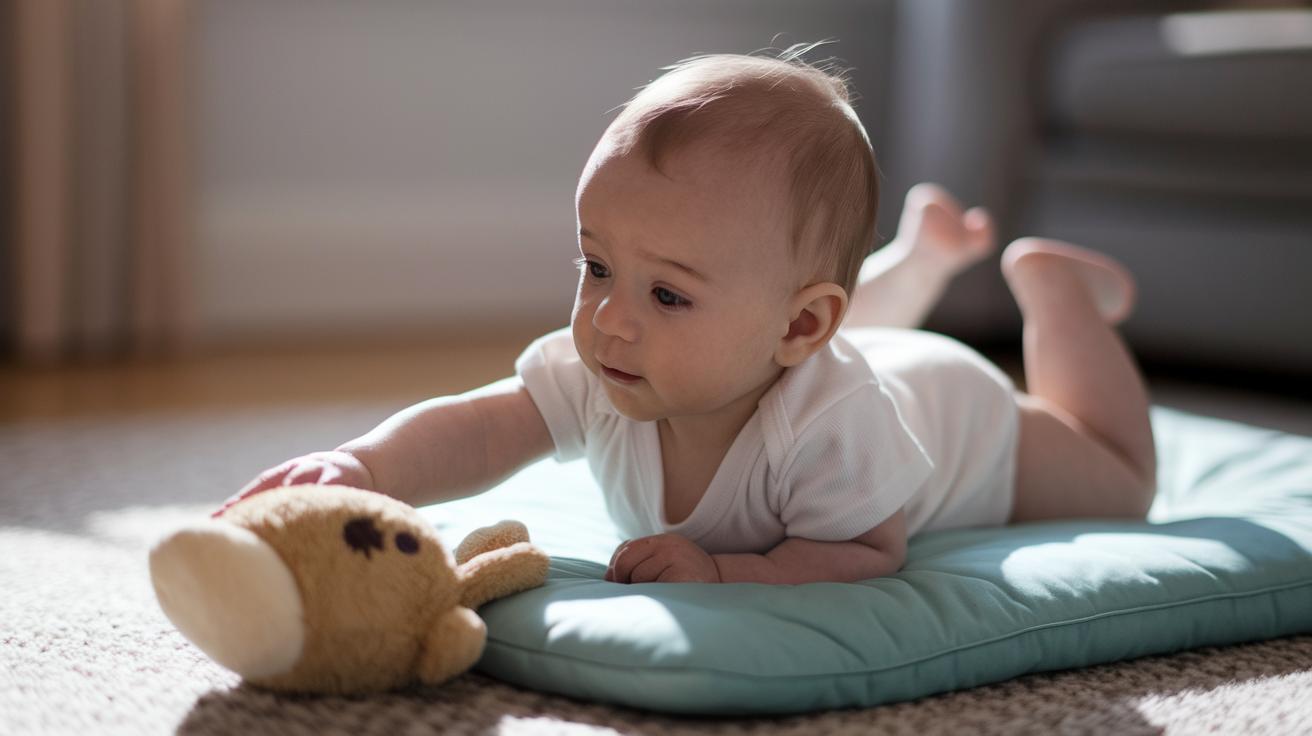
In the first year, you’ll notice your baby’s body growing stronger and more coordinated. Right from the beginning, even newborns show little gestures like grasping and brief head lifts that hint at the skills they’ll soon develop. Around 4 months, it’s common to see your baby reaching out with purpose, like when you place a soft toy nearby and they clutch it with intent.
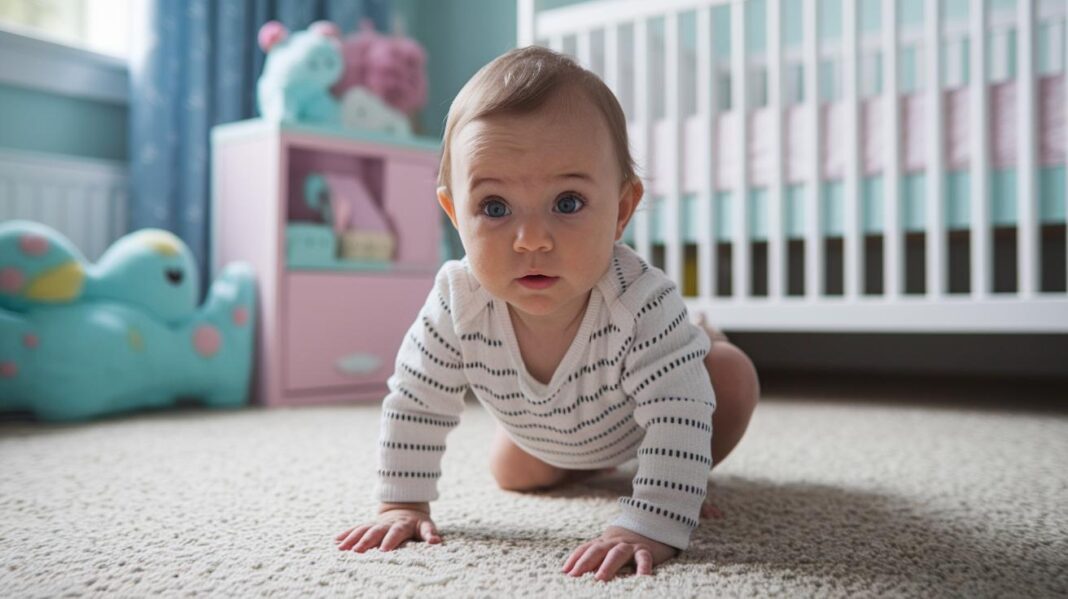
Gross motor skills are all about using the big muscles. At first, your little one works on head control, which gets them ready to roll over between 4 and 6 months. Then, around 6 to 8 months, many babies start sitting up on their own, a big win that opens the door for more movement. Before you know it, between 8 and 10 months, many babies begin to crawl, helping them build balance and coordination, and eventually, you might even see those first wobbly steps close to their first birthday.
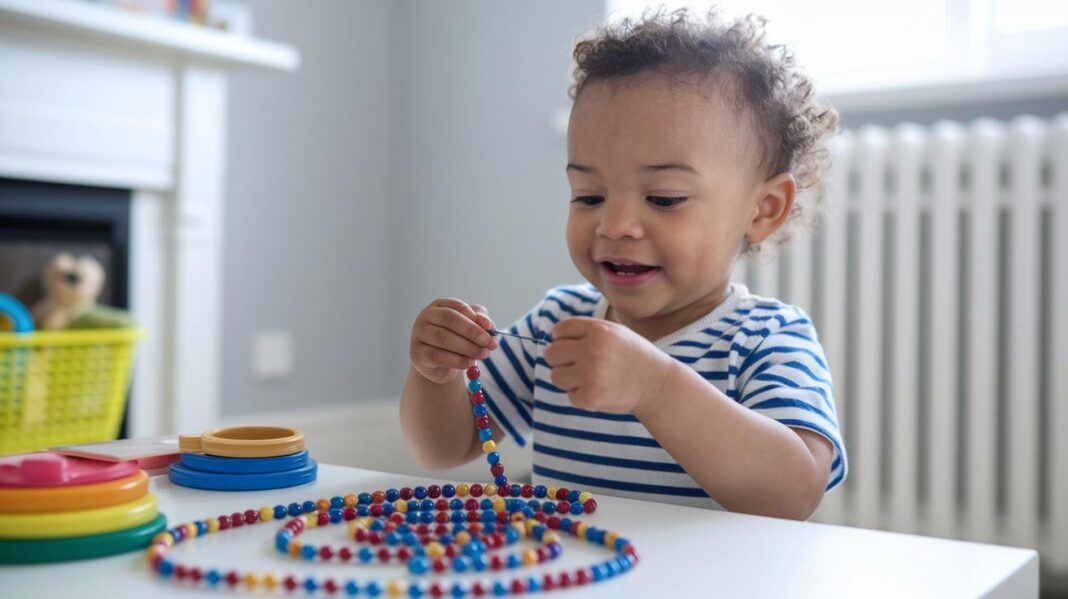
Fine motor skills, like the ability to pick up small objects, take a bit longer. What starts as a simple grasp soon becomes a more precise hand movement. By 9 to 12 months, many babies develop a delicate pincer grasp, showing how their small hands can now handle tiny objects with care.
Foundational Gross Motor Skills in Infant Development
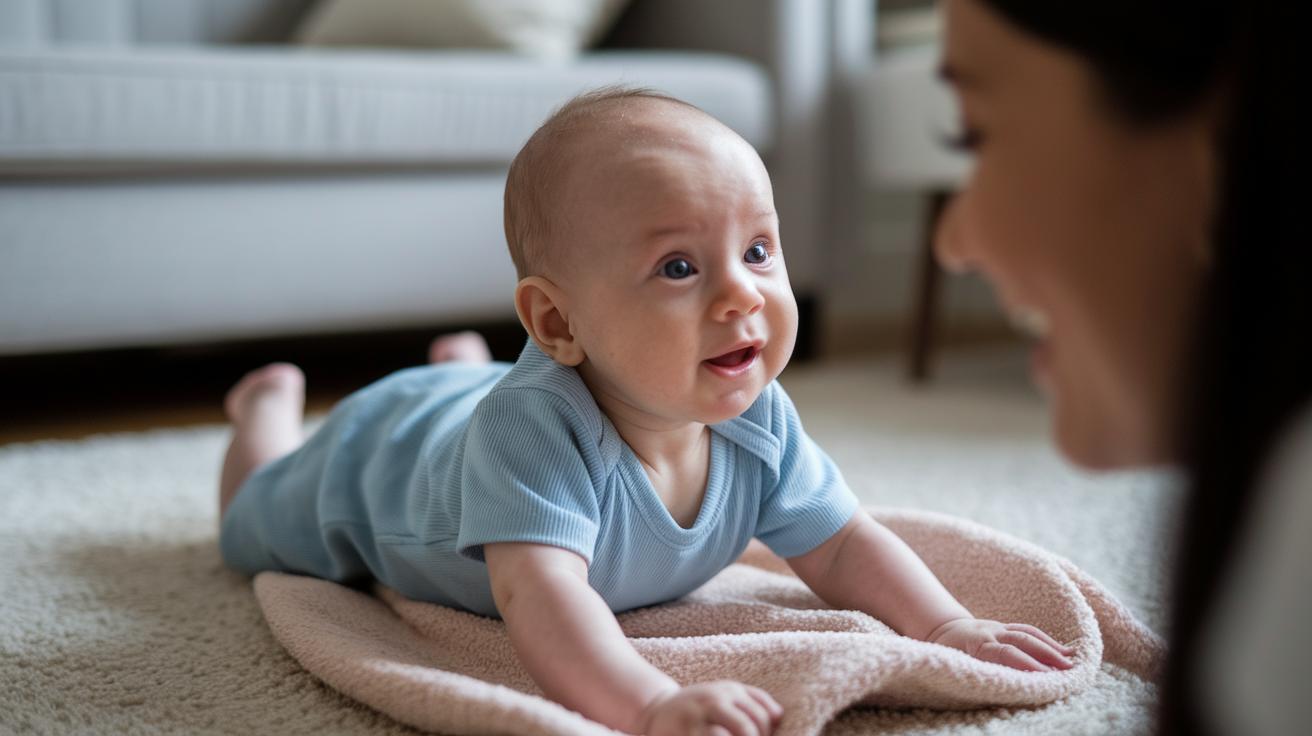
Your little one starts building head control during tummy time as early as 2 months. Try setting up a soft blanket on a clean mat and spend a few minutes with your baby, singing a gentle song while they lift their head to catch your smile. This simple routine not only strengthens their neck but also helps prepare them for rolling over.
Around 4 to 6 months, many babies begin to roll over. To encourage this fun milestone, you might place a favorite toy just a bit out of reach. This little challenge gets them moving and builds up the muscles in their neck and back, paving the way for more complex movements like reaching and developing hand-eye coordination.
When your baby is ready to sit up on their own, usually between 6 and 8 months, it’s a sign that their core is getting stronger. A neat trick is to create a cozy play space by arranging a circle of soft pillows and even adding a small mirror in front of them. This not only makes sitting fun but also turns it into an engaging activity.
As crawl time approaches, typically between 8 and 10 months, encourage movement by placing a toy at a short distance. This helps build strength in the arms, legs, and tummy while sparking their curiosity to explore. When it comes to standing, try gently holding their hands and making a little balancing game out of it. It’s a playful way to guide them toward mastering balance for more advanced movements later on.
Progression of Fine Motor Control During Infancy
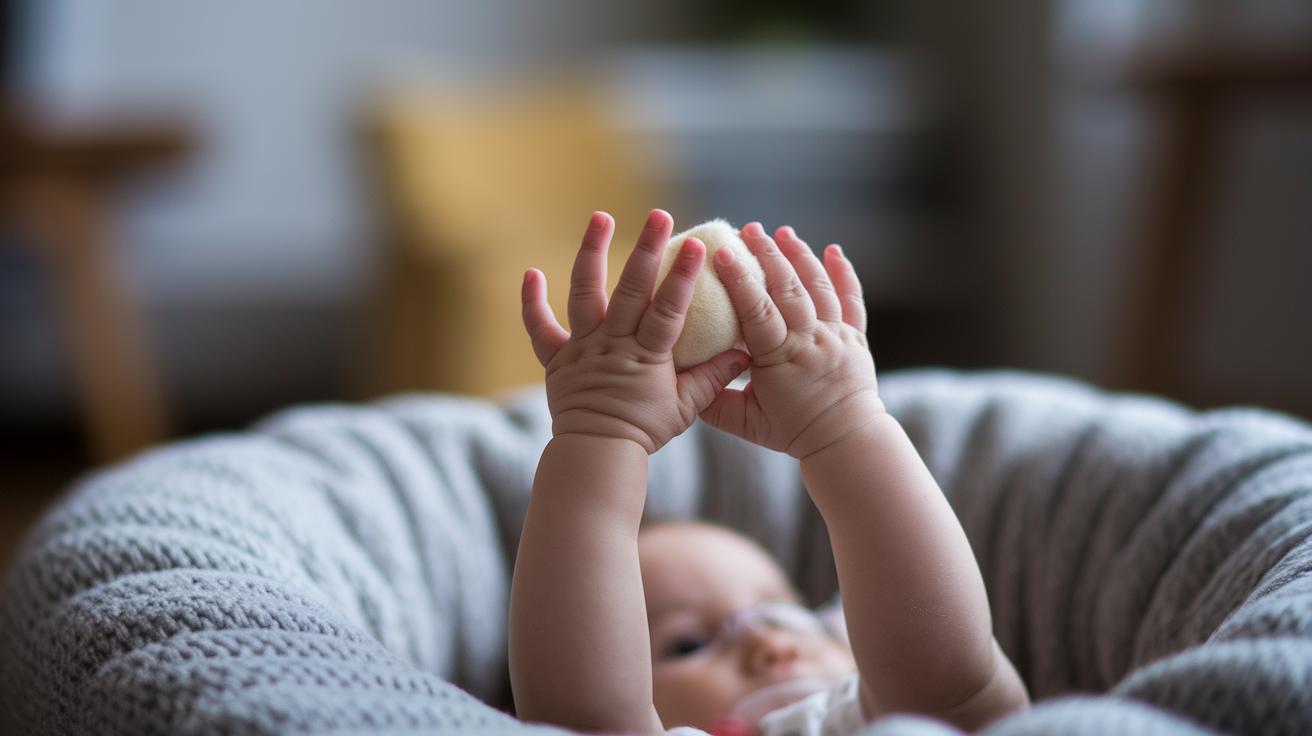
When babies are born, they naturally hold onto things. Their tiny hands start exploring the world by touching and handling objects, which sets the stage for learning more purposeful moves later on.
By the time they are about 4 to 6 months old, babies begin reaching out on purpose. Imagine watching your little one stretch for a soft toy nearby, the way they slowly scoop it up shows that they are building early hand skills while connecting what they see with how they touch.
Around 9 to 12 months, a baby’s grip becomes much more precise. You might see your child picking up small pieces of food using a pincer grip, which shows how their hands are getting ready for self-feeding and moving objects from one hand to the other.
Practical Parent-Led Activities to Support Infant Motor Growth
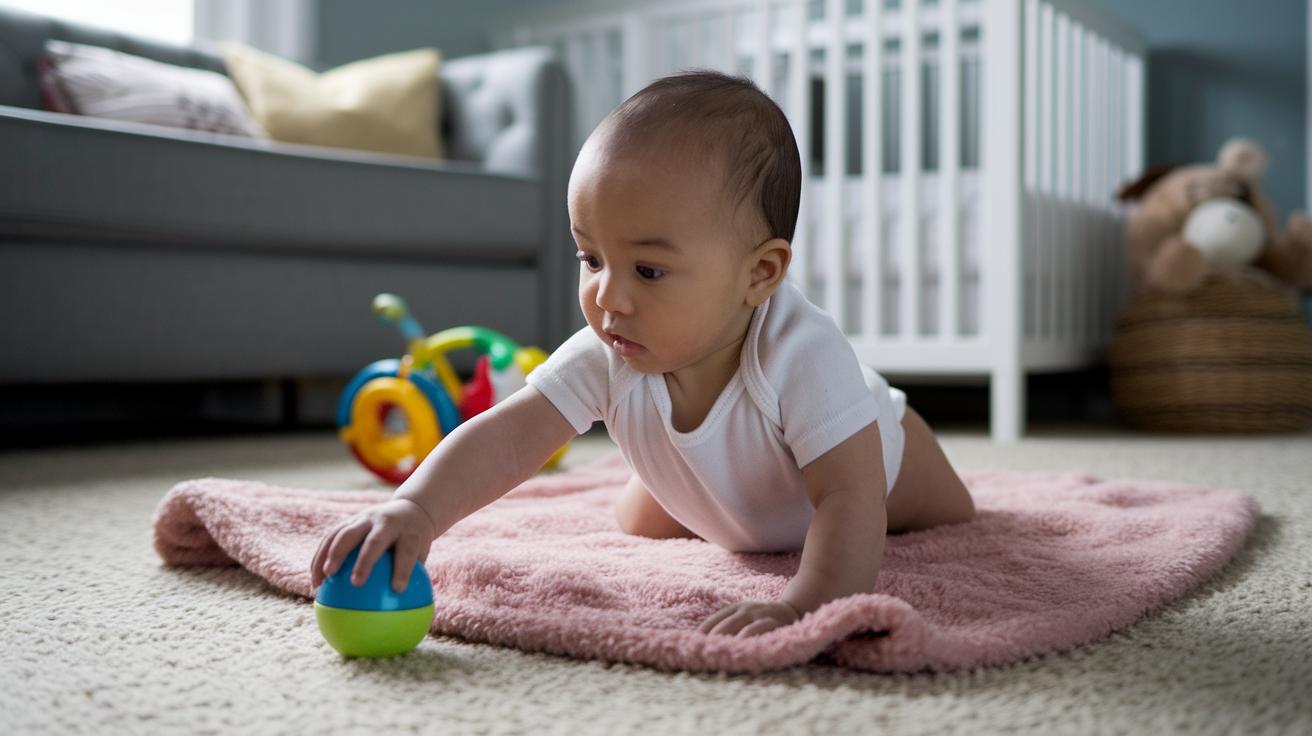
During tummy time, you can help your baby strengthen their neck and tummy muscles. Lay them on a soft blanket and place a favorite toy in front of them to encourage a gentle head lift. For example, you might say, "Look, here’s your bright ball!" as they stretch to reach it. It’s a simple way to build strength and get them ready for more active moves.
Another fun activity is supported sitting. Set your baby on a cushioned spot with a few colorful toys within reach. As they grasp for a toy, they work on arm strength and balance at the same time. It’s like a little exercise session that feels just like play!
You can also try guided hands-and-knees rocking. Hold your baby properly and rock them slowly forward and backward. This gentle motion strengthens their arms, legs, and tummy while preparing them for crawling. Maybe even roll a soft ball when they’re on their back to encourage a little weight shift and exploration.
Next, try object tracking by holding a bright toy just above their eyes and moving it slowly from side to side. This fun game sharpens their hand-eye coordination while keeping them engaged. And for an extra giggle, hold their hands to help them stand with a toy held nearby as they take little steps toward it.
Monitoring Infant Motor Development and Seeking Guidance
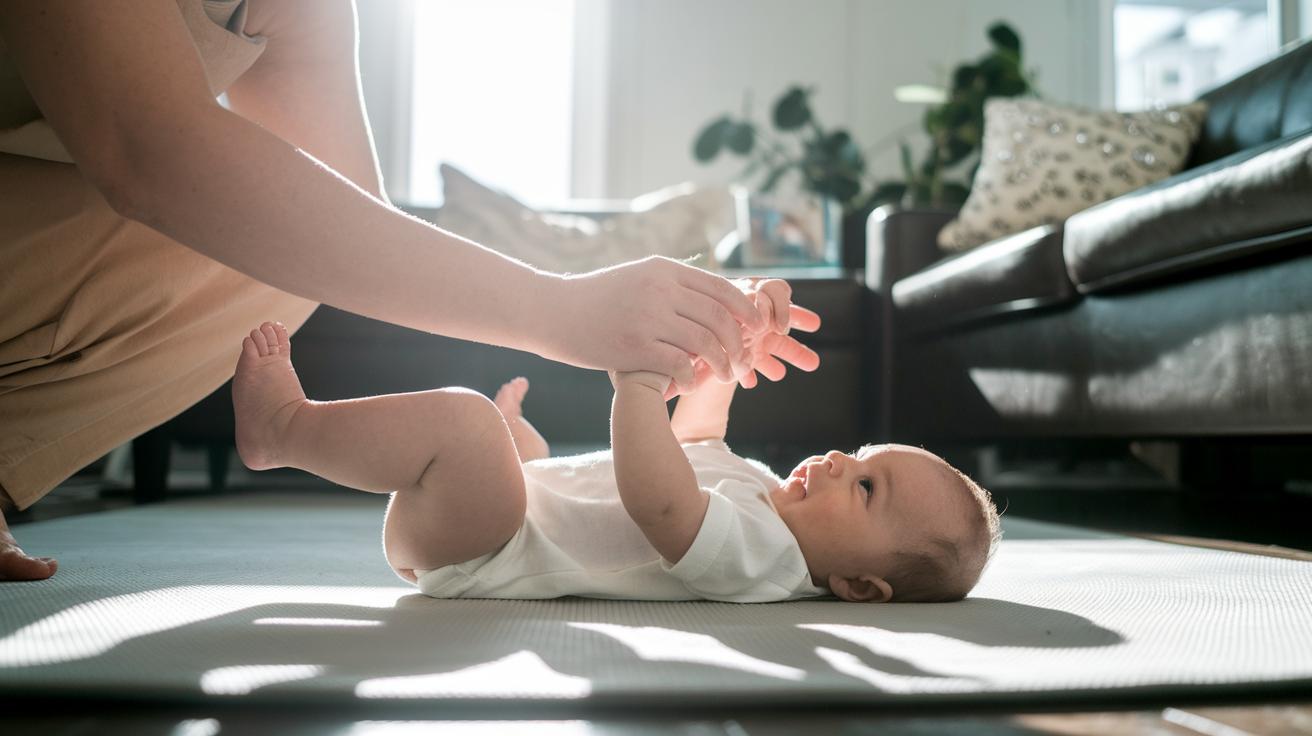
Keeping an eye on your baby's movement can really bring a sense of calm and joy as you watch them hit each little milestone. If your baby isn’t holding their head up by 4 months, it might be a good idea to check in with your pediatrician. This little signal can help you learn more about how their early motor skills are developing.
Here are a few signs you might notice:
- No head control by 4 months
- Not sitting without help by 9 months
- Not starting to crawl by 10 months
Each of these steps shows a part of your baby's growth journey. If your little one reaches 12 months without starting to walk or showing a pincer grasp (using the thumb and one finger to pick something up), that might be the perfect time to connect with a pediatric specialist or child health nurse. Imagine you’re watching them snack and you notice they’re not using their tiny fingers like they usually do, that’s a clear moment to have a chat with your healthcare provider.
Setting up a visit when you spot these delays helps you understand your baby’s progress better. It’s all about catching small changes early so your child can get the support they need while you feel reassured about every new step they take.
Final Words
In the action, we delved into key infant motor development milestones, from early head lifting and rolling to mastering crawling and walking. We shared essential parent-led activities that support gross and fine movements, and offered guidance for recognizing when to seek professional advice.
Each stage creates building blocks for a harmonious start in life. Moving forward, keep nurturing your little one's progress with care and confidence, knowing that every step is a wonderful part of baby’s growth.
FAQ
What is the motor development of infants?
The motor development of infants covers both big body movements and small hand actions. It starts with head control, rolling, and sitting, then moves on to crawling and early walking.
What are gross motor skills in infants 0-12 months?
Gross motor skills in infants involve large muscle activities like head control, rolling, sitting, and crawling. These actions build strength and balance throughout the first year.
What are fine motor skills in infants 0-12 months?
Fine motor skills in infants mean the small movements of the hands and fingers. They begin with a reflexive grasp and develop into purposeful reaching and pincer grasps by the end of the first year.
What are the 4 stages of motor development?
The four main stages of infant motor development start with gaining head control, then developing basic movements like reaching and grasping, followed by sitting independently, and finally progressing to crawling and early walking.
What are the 7 stages of motor development?
The seven stages of motor development include reflex responses at birth, early head control, reaching and grasp skills, independent sitting, beginnings of crawling, supported standing, and eventually walking on their own.
When should I worry about my baby’s motor skills?
You should be concerned if your baby lacks head control by 4 months, cannot sit alone by 9 months, or hasn’t started crawling by 10 months. In these cases, it’s wise to speak with a pediatric specialist.
What are the motor skills of a 4-month-old baby?
At around 4 months, a baby typically shows improved head control, begins to roll over, and starts reaching out for toys, which are early signs of building their motor skills.
What do baby motor skills by month mean?
Baby motor skills by month refer to the typical milestones infants reach as they grow. Each month brings new abilities like head lifting, rolling, sitting, crawling, and eventually walking.
How does infant motor development vary in different cultures?
Infant motor development is generally similar worldwide, though cultural practices may influence the timing by encouraging certain movements during everyday care, all while core milestones remain consistent.