

Have you ever wondered if a little change in what your baby eats might spark big improvements in how they move? New studies show that the right food gives your baby strong muscles and helps them get better at coordinating their movements, from grasping their favorite toy to learning to use a spoon.
In this piece, we share how healthy foods build a solid foundation for those important motor milestones. It’s amazing how what you serve can boost your baby’s growth and gently lead them toward more independence.
How Nutrition Impacts Motor Development Milestones
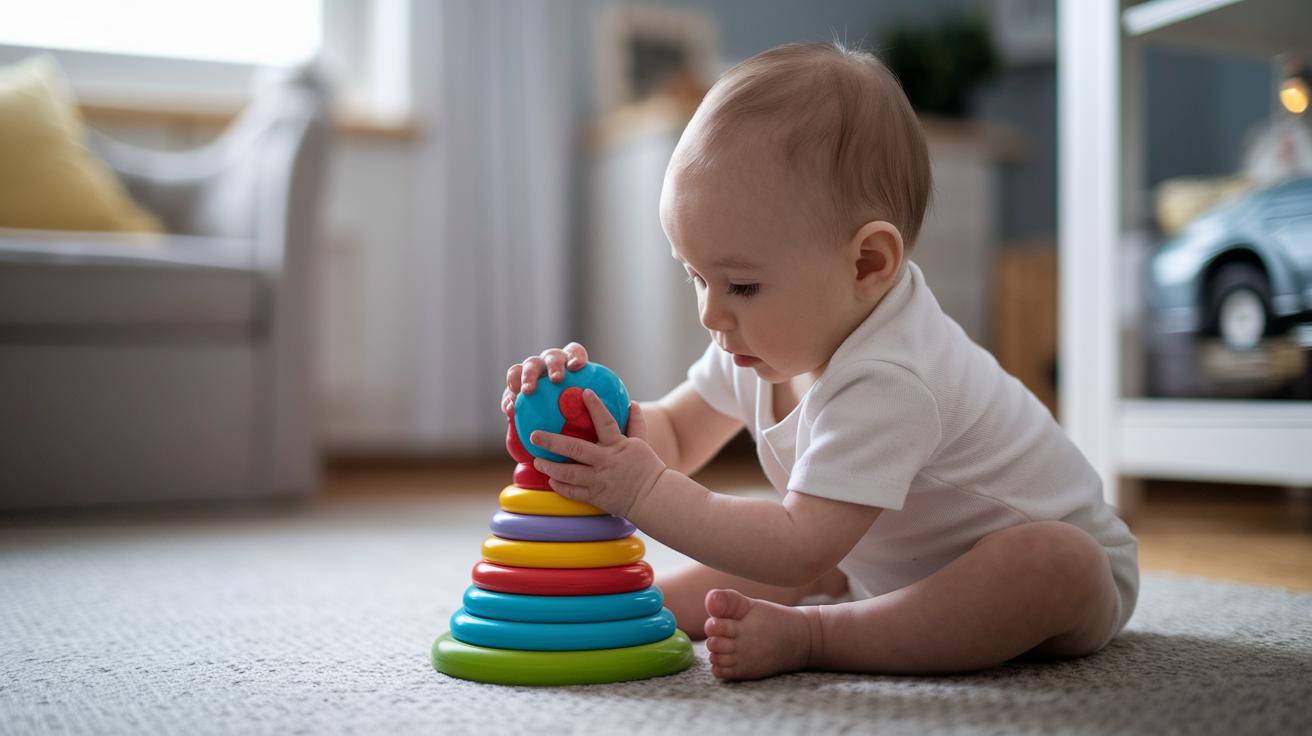
Good nutrition in those early months really sets the stage for healthy growth. When babies get a balanced diet, it helps them build strong muscles, think better, and build a sturdy immune system. Researchers say that good food gives little ones the boost they need to hit motor skill milestones, which builds the foundation for a lifetime of movement.
Nourishment is like the building blocks for both the brain and the body. When a baby eats foods rich in key nutrients, it helps their muscles grow and improves their coordination. Imagine a baby grabbing a toy for the very first time, a raking grasp that usually starts around 6 months. It may seem small, but it shows how proper nutrition supports muscle control and early independence.
As babies grow, they naturally move toward more complex movements. Around 7 to 9 months, many develop a simple pincer grasp by using their thumb and index finger to hold things. This skill isn’t just important for feeding themselves, it also helps with problem-solving and hand-eye coordination. By the time they’re 12 months old, you might see a more refined pincer grasp, and by 15 months, many babies are even using utensils consistently. Each of these steps is closely connected to the nutritious foods they enjoy every day.
| Age | Motor Milestone |
|---|---|
| ~6 months | Raking grasp |
| 7–9 months | Crude pincer grasp |
| 12 months | Refined pincer grasp |
| 15 months | Consistent utensil use |
Good nutrition now not only boosts these early motor skills but also lays a strong foundation for your child’s overall physical development as they grow. Isn’t it amazing how a little change in the diet can make such a big difference?
Macronutrients and Neuromuscular Coordination

When our little ones eat the right mix of foods, it helps their muscles and nerves work together so well. Proteins are like the building blocks that form nerve cells and muscle fibers, giving them the strength they need for every hug, grab, and step. Carbohydrates and fats, on the other hand, fuel these movements, even the tiniest ones, so babies can explore and play happily.
Ever notice how a well-oiled machine works smoothly? That’s kind of like omega-3 fatty acids in a baby's diet. They keep nerve cell membranes flexible, allowing signals to zip around quickly. When babies enjoy meals full of lean proteins, whole grains, and healthy fats, all these nutrients team up to boost their coordination. This steady energy helps the nerves and muscles repair, grow, and communicate with each other.
It’s amazing to watch as a baby goes from clumsily grasping a toy to holding it with more control. A colorful meal with lots of nutrient-rich foods can even help a child learn to use small utensils later on. Seeing these small improvements in their fine and gross motor skills is a true joy for any parent.
Role of Micronutrients in Movement Skills Acquisition
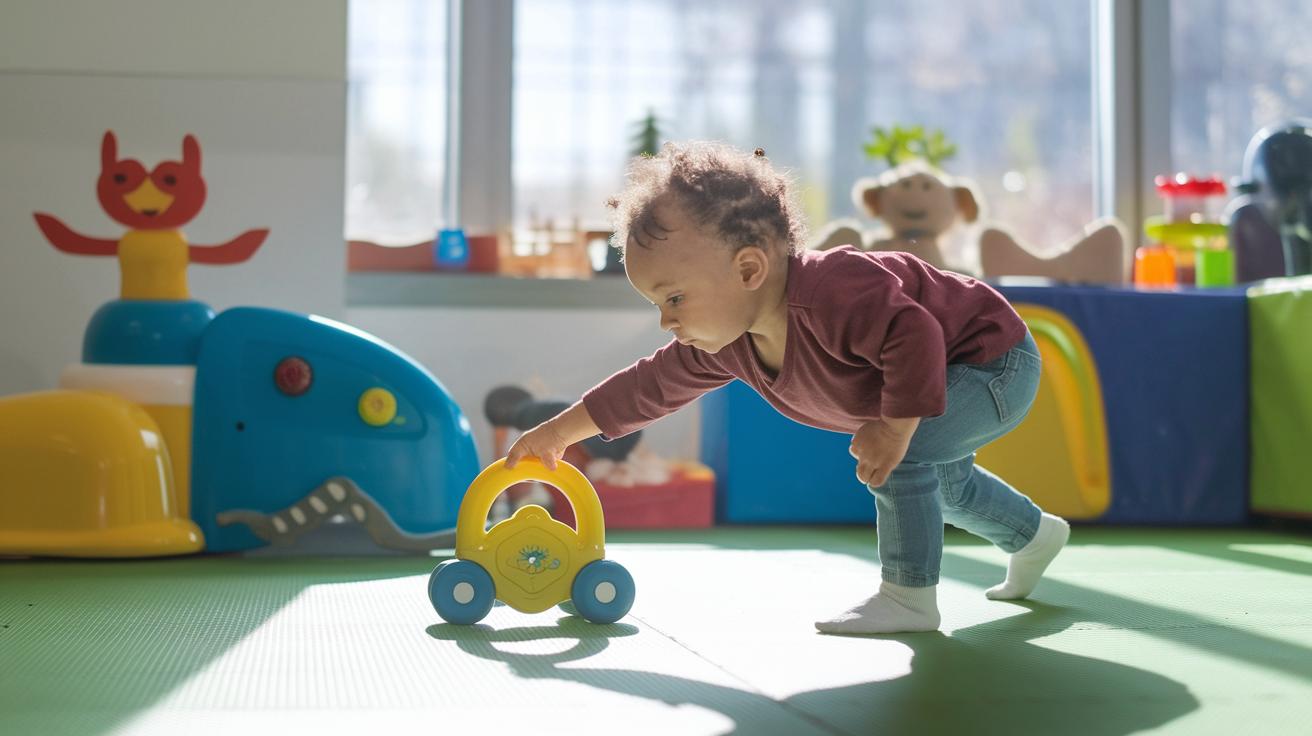
Micronutrients might be small, but they sure pack a big punch when it comes to your child's movement and exploration. Iron, for example, brings oxygen to active muscles. Without enough iron, even simple actions, like reaching for a toy, can become a real challenge. Have you ever noticed how a little lack of iron might slow things down? It’s a key nutrient for hitting those important movement milestones.
Vitamin D helps your child’s body soak up calcium, which builds strong bones and muscles. Think of it as nature’s little helper, making sure every muscle move counts. Just like trying to build a house without enough cement, without vitamin D, calcium can’t do its job properly.
Then there’s calcium itself, which is vital for muscle contractions and physical strength. It supports everything from a baby’s first sit-up to running around during play. Even a tiny shortage can slow progress by affecting balance and coordination.
Zinc is another important player that helps keep the signals between the brain and muscles clear. It makes sure fine and big movements happen smoothly and even aids tissue repair when little bumps occur during play.
By focusing on a balanced diet full of these key micronutrients, you’re giving your child the strength and coordination needed for each milestone. A little attention to nutrition today can lay a wonderful foundation for a lifetime of fun and movement.
Breastfeeding, Complementary Feeding, and Early Motor Progression

Exclusive breastfeeding for about six months gives babies a gentle, balanced blend of nutrients and growth factors that support their muscle and nerve growth. It’s a really nurturing beginning that helps them build the strength they need for early movements, kind of like giving a young plant just the right amount of water and sunlight.
Around six months, many little ones hit a milestone. They can sit with a little support and usually double their birth weight, reaching roughly 13 to 15 pounds. This is when complementary feeding usually starts. Adding solids with a mix of textures can make a big difference. It helps transition from a simple, raking grasp to a more refined pincer grasp that you often see between seven and nine months. Imagine it as stepping up from a basic tool to one that lets them pick up small bits on their own.
Parents might find it really helpful to check out resources like a beginner’s guide to weaning foods or ideas for infant first foods. These guides offer playful suggestions that link food textures with motor skill milestones, encouraging more independence and smoother overall movement as your baby grows.
Dietary Patterns Beyond Infancy: Home-Prepared Meals and Coordination
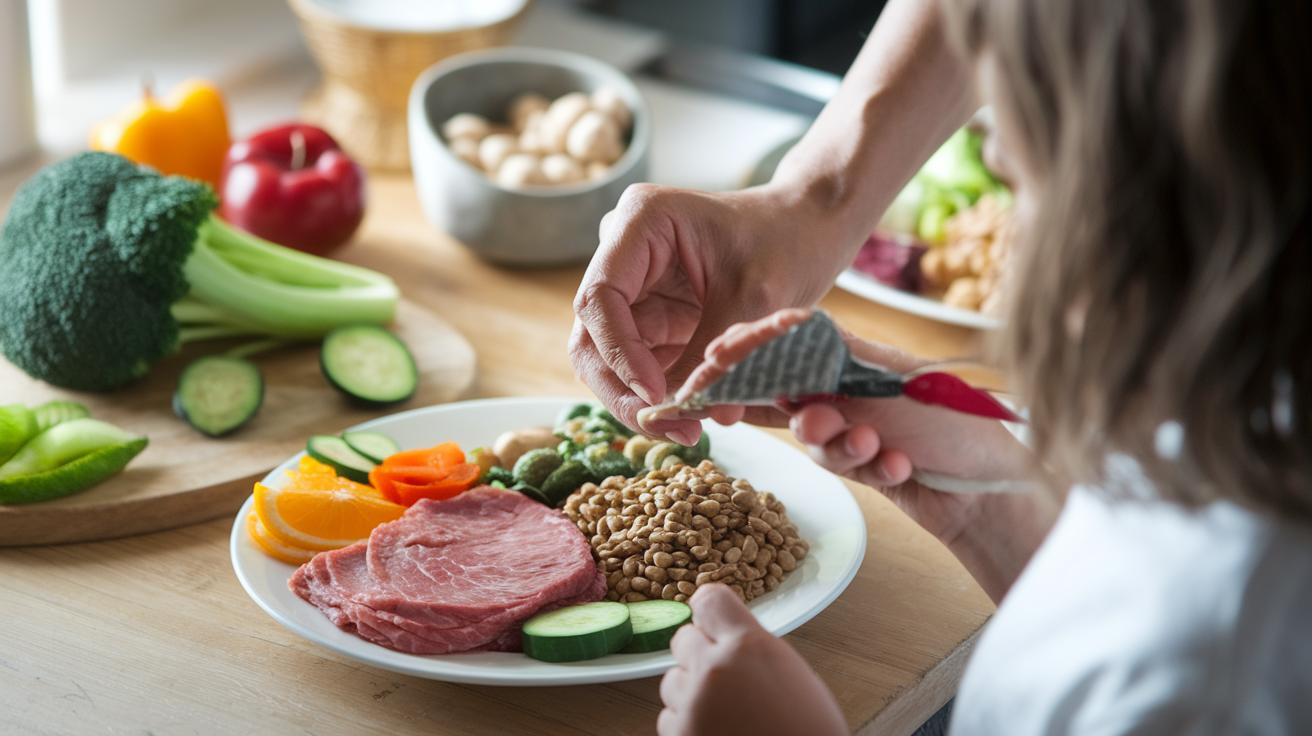
When you serve home-cooked meals, you bring a sense of comfort and care into your child’s daily routine. Preparing food at home means offering a colorful mix of proteins, carbs, and fats that help build strength and support smooth, growing motor skills. Picture a plate filled with vibrant veggies, lean meats, and hearty whole grains, simple choices that pack a punch for energy and coordination.
Healthy eating habits at home can even help keep later health issues, like obesity, at bay. And yes, school meals count too! When your child’s school serves nutritious options, it keeps their energy steady for both play and learning. It’s like building a strong foundation that supports every step they take through the day.
| Benefit | How it Helps |
|---|---|
| Balanced Nutrients | Ensures steady strength and endurance |
| Vitamins and Minerals | Boosts brain and motor skill development |
| Smart Eating Choices | Promotes overall coordination and physical function |
Combining home-prepared meals with nutritious school options creates a strong support system for fine and gross motor growth all day long. Have you ever noticed how a small change in daily eating can brighten your child’s mood? It’s a gentle reminder that every thoughtful choice helps them grow with strength and joy.
Hydration’s Effect on Physical Dexterity in Children
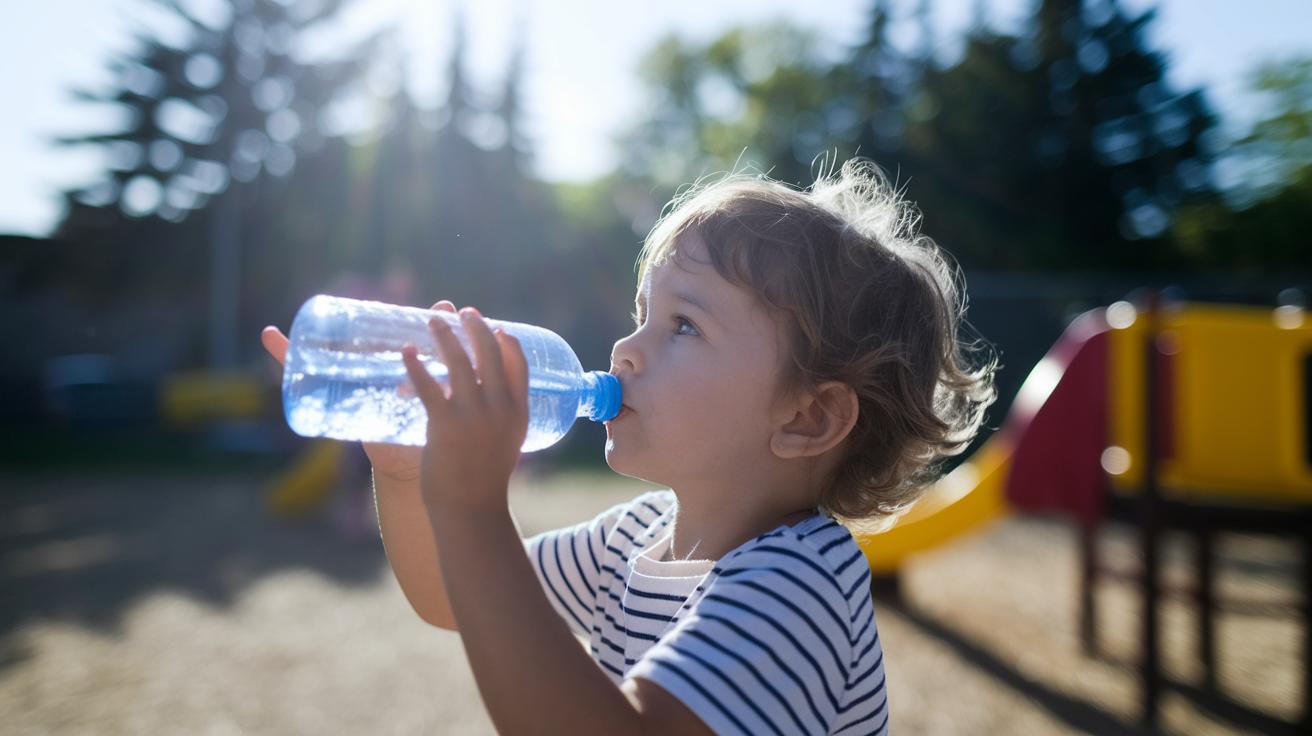
When kids drink plenty of water, their muscles and nerves work together like a caring, well-practiced team. Staying hydrated means their body sends clear signals and keeps joints moving smoothly, almost like a gentle oil on a door hinge. Think of water as a little helper that makes it easier for children to do small tasks as well as bigger movements without feeling worn out. Even a small drop in water intake can make simple actions, like picking up a tiny toy, feel a bit more difficult and slow down their quick reactions.
Imagine playing your favorite game on a hot day without taking a moment to drink water, it can really hold you back. With enough water, your child’s muscles can keep going strong, whether they're quietly coloring at a table or laughing and running around at recess. A few extra sips here and there can make every moving moment feel light and full of energy.
Public Health Nutrition Strategies for Enhanced Motor Outcomes

At the community level, there are simple ways to help every child build stronger motor skills. When nutrition lessons are a part of childcare and school programs, kids not only learn about healthy eating but also get the steady nutrients they need to move and explore. Imagine a teacher in class saying, “Food is like fuel for your body,” making the idea clear and fun. Free school breakfasts and similar programs help even out differences in food access and support important physical growth, especially in areas where healthy meals are hard to find.
Research shows that offering many essential nutrients can help children develop better agility and coordination, especially if their diets are lacking. It’s not just about the food, though, it’s also about encouraging good hydration by making water easy to reach. When programs teach families how to prepare balanced meals at home and mix in public feeding support, they create a caring, all-around approach.
- Nutrition lessons in schools
- Government feeding programs
- Focus on offering a range of nutrients
- Emphasis on drinking enough water
Together, these ideas build a system that supports every child in moving confidently towards a healthier tomorrow.
Final Words
In the action, we saw how food choices power little ones through key motor milestones, from early breastfeeding to home-prepared meals. Small amounts of macronutrients and essential vitamins set the base for coordinated movements and muscle control. We walked through how hydration and public health strategies support these efforts every day. The impact of nutrition on motor development highlights that each healthy bite fuels confidence and growth. Stay positive, every nutrient-rich meal brings a step closer to thriving, playful days ahead.
FAQ
How does nutrition affect cognitive and brain development in early childhood?
Good nutrition supports brain growth and learning by providing essential vitamins, minerals, and energy. This helps build strong neural connections and enhances overall cognitive skills in early childhood.
What is the role of nutrition in a child’s overall growth and development?
The role of nutrition in a child’s growth is to supply key nutrients that support physical, motor, and cognitive milestones. This balanced intake leads to healthy progress and everyday resilience.
How does nutrition affect motor development in children?
Nutrition affects motor development by fueling muscle growth and coordination. A balanced intake of proteins, fats, and carbohydrates helps children master milestones, like grasping and walking, effectively.
Can poor nutrition cause developmental delays in children?
Poor nutrition can lead to delays by depriving the body and brain of essential resources needed for reaching physical, motor, and cognitive milestones. Early balanced nutrition supports steady development.
What does Piaget say about nutrition in child development?
Piaget did not specifically address nutrition. His work focused on cognitive development stages, yet proper nutrition remains essential in supporting the brain growth that underlies his developmental theories.
Where can I find PDFs and detailed sources on nutrition and brain development?
PDFs and detailed studies on nutrition and brain development are available from academic institutions and trusted health websites, offering comprehensive insights for both professionals and parents.


