
Have you ever wondered why a new mom might feel a deep sadness soon after giving birth? It can be confusing, especially when you expect to feel happy. Right after a baby is born, a mom’s body goes through big changes in hormones, and suddenly, she has a whole new world of responsibilities. Sometimes these hormone shifts, mixed with everyday stresses, make the joyful moments feel heavy. Knowing what’s really happening can help families offer the kind of gentle support moms need during this tough time.
Key Causes of Postpartum Depression

Postpartum depression is a kind of deep sadness many moms can face after giving birth. Around 1 in 7 new moms in the U.S. experience it, and it might linger for months, sometimes nearly a year. This condition can make everyday activities feel extra heavy and hard to manage.
It usually happens because of a mix of changes happening all at once. These include:
- A quick drop in hormones (like estrogen and progesterone)
- A family history of mood issues or depression
- Tough feelings from the birth experience or the pressures of new parenting
- Being really tired because sleep gets interrupted with a newborn
- Feeling isolated or stressed by financial worries
Often, these things connect with each other and make the feelings even stronger. When your body’s hormones shift right after birth and mix with personal stress and daily struggles, it can be a lot to handle. Recognizing these factors can help families understand and support new moms during this vulnerable time.
Hormonal Triggers and Biological Factors in Postpartum Depression
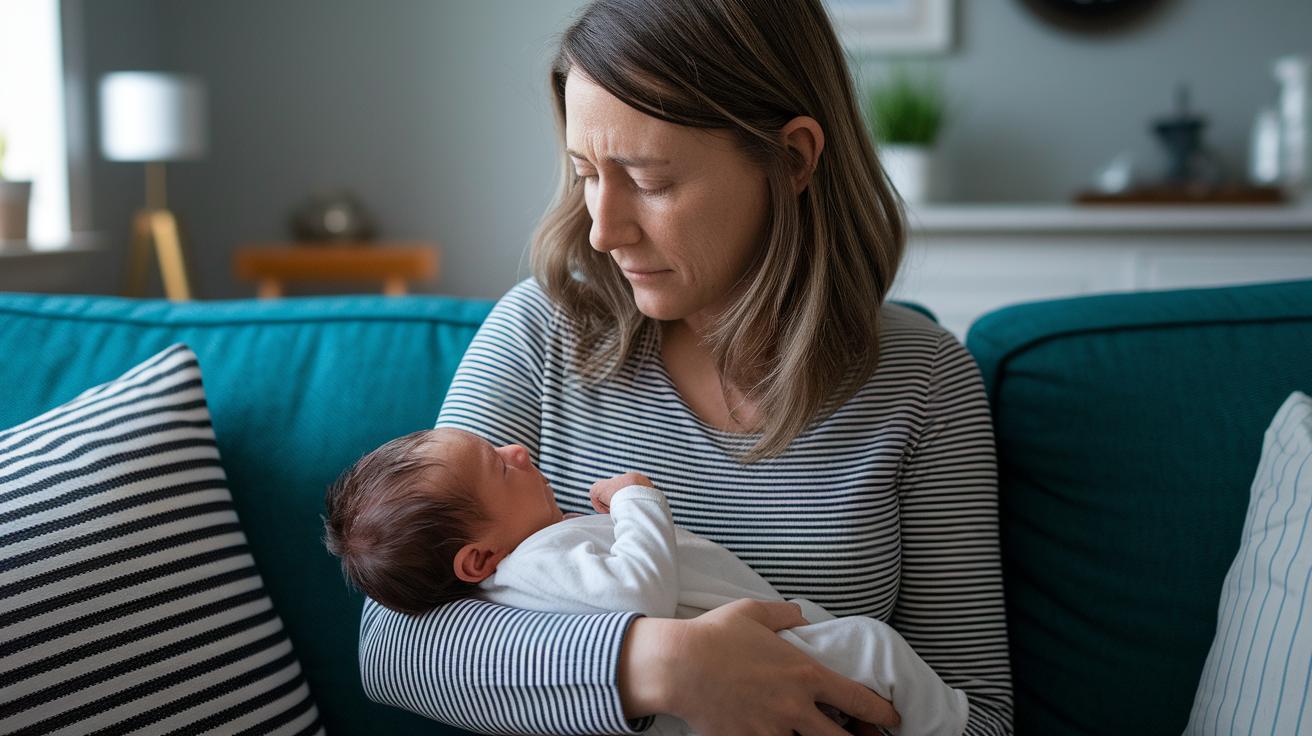
After your baby is born, your body goes through a big roller coaster of changes. Right away, the levels of estrogen and progesterone can drop by as much as 50-80% in just a few days. Imagine your favorite plant suddenly losing most of its sunlight, it can feel pretty jarring and make your emotions seem all over the place.
During labor and the early days after delivery, you might notice your body's stress hormone, cortisol, spiking and then acting a bit unpredictable. It’s a bit like riding a roller coaster where the highs make you feel excited and the lows might leave you anxious. This wild ride in hormone levels can really shake up your mood.
Some moms experience changes with their thyroid after giving birth, a condition sometimes known as thyroiditis. About 5-10% of new moms face this issue, and those shifts in thyroid hormones can sometimes feel a lot like depression. Along with that, higher levels of inflammatory chemicals, like interleukin-6 (a chemical messenger), might add to the feeling of low mood. It’s a bit like when your home heating system suddenly starts acting up, making everything feel a bit off.
Besides these physical changes, the little messengers in your brain, chemicals like serotonin and dopamine, can also get a bit mixed up. These are the chemicals that help keep your mood balanced and when they’re out of sync, it might feel like your emotional signals are a bit tangled. Researchers even see a link between higher inflammatory markers and these mood shifts. Picture a traffic light stuck between green and red, causing confusion; that’s kind of how these changes can affect your feelings.
Psychological and Emotional Contributors to Postnatal Blues
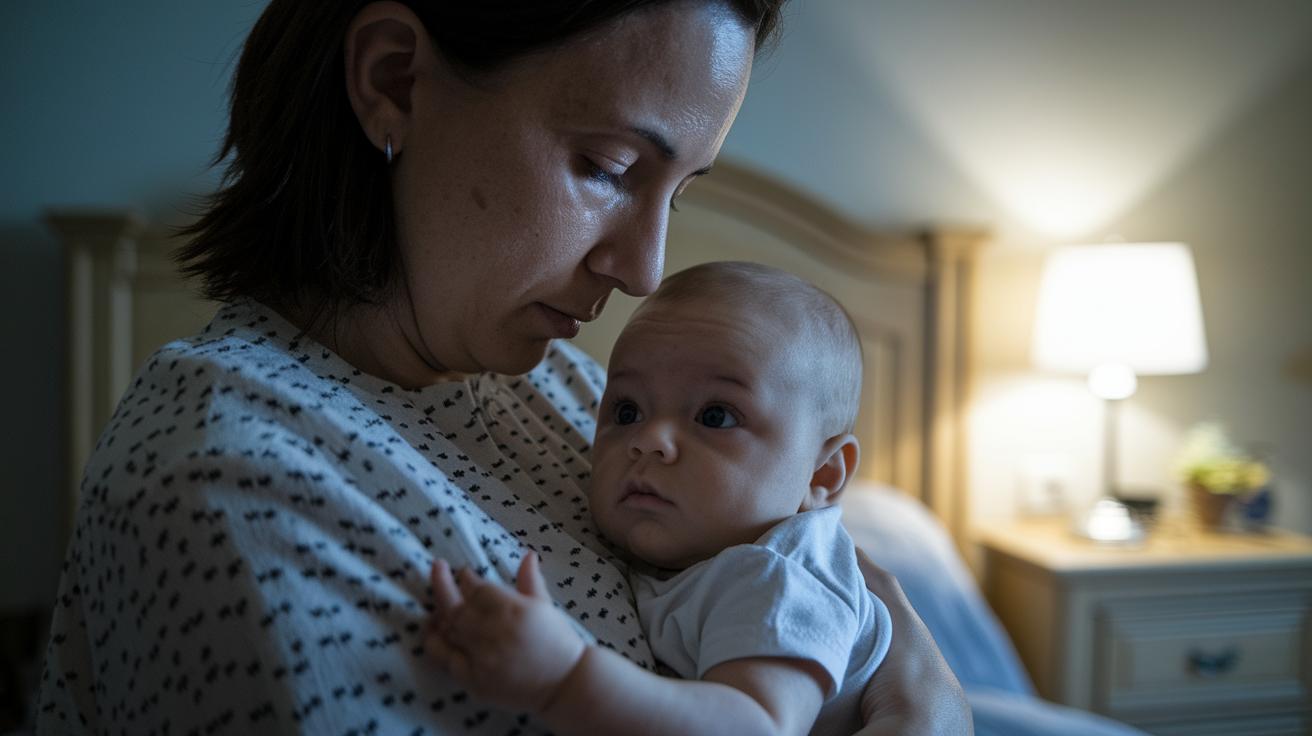
Some moms start their journey already facing mental health bumps or a family history of mood struggles. If you’ve dealt with anxiety or depression before, you might find that having a newborn makes those feelings even stronger.
A difficult birth experience, such as an emergency C-section or a tough labor, can leave a lasting mark. It’s normal to feel shaken and a bit vulnerable after such an event, and these feelings can stick around longer than you expected.
Not getting enough sleep is another big challenge. With a newborn coming and going throughout the night, moms often miss out on deep, restful sleep. This sleep loss can make it harder to manage emotions and add to your worries during daily challenges.
Also, if you’re dealing with unresolved grief or personal losses, those deep feelings can make postnatal blues even worse. Whether it’s a major loss or the quiet pain of not meeting your own expectations, these emotions can pile on the stress of new motherhood.
Social and Environmental Factors Influencing Postpartum Depression

Many new moms sometimes feel a bit disconnected after giving birth, and that feeling of isolation can make the challenges of postpartum care even harder. In busy cities, the fast pace often means there's little time to build the warm, supportive relationships we all need. It’s not unusual for new mothers to feel lonely or even struggle with tension at home, especially when there isn’t regular help from family or easy conversations with a partner. Without local groups or nearby parent programs, the feeling of being on your own only grows stronger.
On top of that, money worries, cultural pressures, and spending too much time online can add another layer of stress. It can be really tough when being a new parent comes with expectations to do it perfectly, all while dealing with financial strains that make everyday life feel even heavier. And while chatting online might help, it rarely feels as comforting as a real face-to-face hug. If any of this sounds familiar, you’re not alone, many moms experience these feelings. For extra help and understanding, check out the mental wellness programs for mothers at womensconference.org?p=15740.
Genetic and Neurochemical Risk Factors for Postnatal Depression

If depression runs in your family, you might notice mood changes after giving birth. When someone close to you, like your own mom or sister, has struggled with feeling low, it can mean you're more likely to face similar challenges. Think of it like getting a family recipe that sometimes needs a little extra love to make it perfect. This inherited trait can affect how your body handles the many changes of having a baby.
After you deliver your baby, your body's natural balancing chemicals, like serotonin, dopamine, and the GABA system, can shift in ways that might make your feelings swing. Imagine a clock that loses its steady tick-tock; when these chemicals are not in sync, you might feel a bit off. These brain chemicals help keep our moods steady, and when they go out of whack, it can leave you feeling overwhelmed.
New studies in epigenetics suggest that the very act of giving birth might switch on certain genes that make some moms more likely to feel depressed. In plain terms, having a baby might trigger hidden changes in your body that affect your mood. Scientists are still figuring out all the details, but these insights remind us how biology, family history, and brain chemistry all come together in the journey of motherhood.
Lifestyle, Nutritional, and Physical Recovery Factors After Childbirth

Being a new mom can feel really overwhelming when sleep is constantly broken, and your body isn’t getting the nutrients it needs. When your nights are filled with wake-ups for your little one, it’s hard for your body to catch up on rest. This tiredness can add to the stress, making everyday tasks feel even heavier. And when you miss out on important nutrients, like iron (which helps with energy) and vitamin D (good for overall health), you might feel extra drained and more sensitive to mood swings. Keep in mind, if these habits stick around, low moods might linger for up to a year.
| Prioritize short, scheduled rest periods |
| Eat balanced, iron-rich meals and boost vitamin D (through supplements or sunlight) |
| Stay hydrated to help reduce fatigue |
| Try gentle exercise like walking or postnatal yoga to boost your mood |
| Practice mindful breathing or relaxation when you feel overwhelmed |
| Ask for help with newborn care to lighten the load |
Even small changes can really lift your spirits. When you make time to rest, eat well, and move just a bit each day, your body slowly regains its strength. It’s like giving yourself a little gift of self-care. Little steps build up to a big difference, easing your daily burdens and helping you feel more like yourself. Have you ever noticed how a tiny change, like a few extra moments of relaxation, can brighten your whole day?
Prevention, Early Intervention, and Treatment for Postpartum Depression

It all starts with noticing the little hints that something might be off. If you find yourself feeling extra sad, unusually anxious, or just not like yourself, it might be a good idea to have a chat with your healthcare provider. Sometimes, those early talks can open doors to the right kind of help. I remember one mom saying, "I felt a dark cloud hanging over me until I reached out for help." That small conversation made a big difference for her.
Talking with professionals can really help when you're feeling overwhelmed. Many moms find comfort in one-on-one sessions or counseling where they can let out everything on their mind. Techniques like cognitive behavioral therapy help shift negative thoughts into something more positive. And group sessions can offer a warm circle of support, where hearing other moms' stories makes you feel less alone. On occasion, a doctor might even recommend medication to soothe those intense mood swings and help ease the emotional load.
Remember, support doesn’t only come from professionals. The people right beside you, like your partner or close friends, play a huge role too. Their understanding can lighten the load of new responsibilities. It’s amazing how sharing a cup of tea and a few words can offer so much comfort. Many moms also find strength in connecting with others through online groups or local meet-ups. One mom shared, "Having a set period at home made it easier to slowly rebuild my energy, like recharging a battery." Even simple things like reviewing maternity leave options to secure more rest can make a world of difference.
In truth, blending professional care with everyday support seems to be the best way forward. When you mix therapy, partner involvement, and a network of caring friends, it creates an environment where both you and your little one can truly flourish.
Final Words
In the action, we’ve unpacked the many factors behind what causes postpartum depression, from rapid hormonal shifts and genetic factors to emotional stress and sleep loss. Each piece of evidence, whether it’s biological change or lifestyle interruption, shows how these factors often mix and impact mood. Simple, practical strategies for self-care and early intervention can help ease symptoms. There’s always room for hope and improvement in every step of motherhood. Stay hopeful and open to support, it truly makes a difference.
FAQ
Frequently Asked Questions
What causes post natal depression?
Post natal depression stems from a mix of hormonal shifts, emotional challenges, and environmental stressors. It often results from a rapid drop in hormones, sleep loss, and increased pressures during early motherhood.
How to get out of postpartum depression?
Getting out of postpartum depression involves seeking professional help, practicing self-care, and leaning on supportive friends and family. Therapy, rest, and community support all play key roles in recovery.
How long does postpartum depression last?
Postpartum depression can last several months up to about a year after childbirth. Early intervention and a supportive care plan often help shorten its duration.
What are signs of postpartum depression?
Signs of postpartum depression include overwhelming sadness, constant fatigue, anxiety, and changes in sleep patterns. Mood swings and losing interest in activities you once enjoyed are also common symptoms.