Are you sure your meals are giving you the support you need for healing and helping your little one grow? As a breastfeeding mom, eating simple, nourishing foods can boost your energy and help your body mend after childbirth. Think about enjoying a warm bowl of oatmeal with berries on a busy morning, it’s a small change that can lift your spirits.
In this post, we’ll share easy tips to add nutrient-packed foods to your day. Each wholesome bite not only helps you feel better but also shows extra care when feeding your baby. Sometimes, little adjustments in your diet can make a big difference in how you feel.
Foundational Diet Guidelines for Breastfeeding Moms

When you're breastfeeding, eating nutrient-rich foods is super important. Your body usually needs an extra 330 to 400 calories each day for making milk and for healing after childbirth. These extra calories give you energy for everyday activities and help keep your milk supply strong. Choosing nourishing foods means every bite supports your recovery and nourishes your baby. For example, try starting your day with a warm bowl of oatmeal topped with fresh berries and a few nuts, it’s a simple, healthy way to boost energy for both of you.
A balanced meal plan should include lots of fruits and veggies, whole grains, lean proteins, dairy (or a fortified alternative), and healthy fats. Fresh produce gives you vitamins and minerals, whole grains provide steady energy, and lean proteins like chicken, beans, or tofu help repair tissues. Dairy or its substitutes deliver calcium and vitamin D, while healthy fats found in foods like avocados and olive oil support your baby’s brain development. It’s wise to cut back on processed foods that are high in sugar, salt, and unhealthy fats because they don’t provide the real nourishment your body needs right now.
Don’t forget to drink plenty of fluids. Try to keep your urine a light, pale yellow as a sign that you’re well-hydrated. A refreshing glass of water with a hint of lemon or strawberry can really lift your spirits. Also, keep an eye on caffeine and alcohol: stick to about 200 mg of caffeine a day and limit alcohol to one standard drink, waiting at least two hours before nursing. This little routine helps ensure that both you and your baby feel your best.
Essential Nutrients in a Good Diet for Breastfeeding Moms

Breastfeeding makes your body work a little harder, so you need extra energy and nourishment. You might need about 350–400 extra calories each day along with more protein, calcium, vegetables, grains, and essential vitamins.
Check out the table below for a handy guide on daily nutrient goals:
| Nutrient | Recommended Daily Intake | Dietary Sources |
|---|---|---|
| Calories | Extra 350–400 calories | Whole foods, fruits, vegetables, whole grains |
| Protein | 5–7 oz | Lean meats, eggs, tofu, beans |
| Calcium | 3 cups dairy or fortified soy | Milk, yogurt, cheese, fortified plant-based milks |
| Vegetables & Fiber | 2½–3½ cups vegetables | Leafy greens, carrots, broccoli |
| Grains | Six ½-cup servings | Brown rice, oats, quinoa |
| Omega-3s | Regular servings | Low-mercury fish like salmon, flaxseeds |
| Key Vitamins & Minerals | Varied based on needs | Iodine, choline, vitamin B12, iron sources |
Planning balanced meals can make a big difference. A mix of nutrient-rich foods will boost your energy, help you recover, and support healthy milk production. Imagine a colorful salad filled with crisp veggies, a serving of lean protein like grilled chicken or tofu, and a side of whole grains such as quinoa, it sounds delicious and is great for you.
It might be helpful to jot down your meals or chat with your healthcare provider for advice tailored just for you. Making small, thoughtful changes in your eating habits can help you feel stronger and more energetic every day.
Top Lactation Supportive Superfoods for Breastfeeding Moms
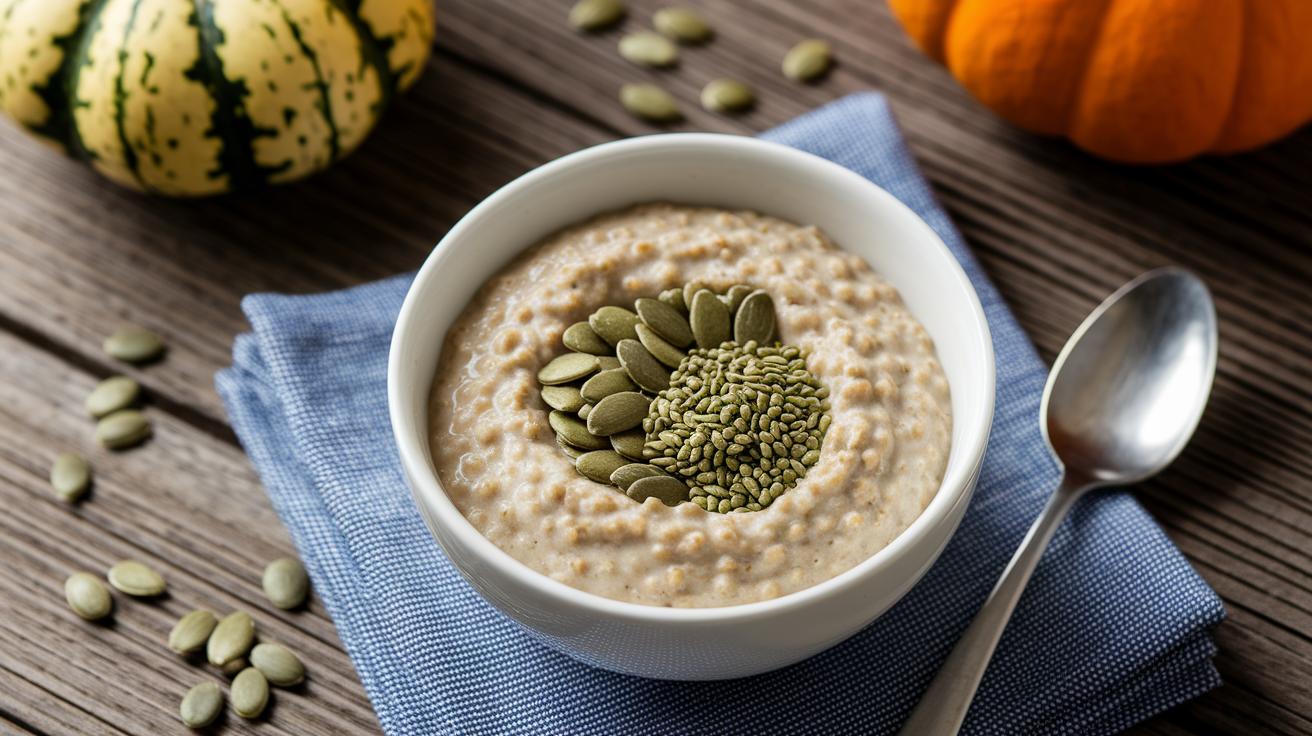
Galactagogues are foods that may help support milk production by keeping your milk flow healthy. Many registered lactation consultants recommend adding these special superfoods to your diet to naturally boost lactation. You can enjoy them in lots of ways, maybe in a warm, comforting cup of tea or mixed into your meals. Imagine starting your morning with a bowl of oatmeal sprinkled with pumpkin seeds or savoring a smoothie made with oat milk. It’s a nice, gentle way to give your body a little extra support.
Here are some foods you might consider:
- fenugreek (tea or seeds)
- fennel (vegetable, seeds, or tea)
- oatmeal (enjoy as cereal or in snack bars)
- brewer’s yeast
- oat milk
- sesame seeds
- garlic
- pumpkin seeds
These superfoods are best added into a balanced diet full of wholesome, nutrient-rich choices. And remember, before you try a new herbal boost, it’s always a good idea to check in with your healthcare provider. They can help you choose the best way to mix these foods into your daily routine safely. Start with small servings and have fun discovering how these little additions can bring both flavor and nourishment to your day.
Practical Meal and Snack Ideas for Breastfeeding Moms

If your mornings feel like a rush, batch-cooking breakfast can really help. Try mixing rolled oats, almond milk, blueberries (or your favorite fruit), and chia seeds in a jar, then let it sit in the fridge overnight. It’s a quick, tasty way to start your day without the fuss!
For lunch or dinner, aim for balanced meals that keep your energy up and support milk production. Think lean-protein stir-fries loaded with vibrant veggies or whole-grain wraps stuffed with beans and green leaves. Sometimes, a yogurt parfait layered with sliced fruit and a sprinkle of granola can feel both refreshing and filling.
Snacks are just as important, especially when you need a little boost between meals. Keep pre-cut veggies, a mix of your favorite fruits, and small containers of nuts ready to grab. And if you have time to bake, homemade oatmeal-and-seed lactation cookies can be a sweet, nourishing treat.
When you’re on the go, a protein smoothie is a lifesaver. Blend frozen berries, a banana, some spinach, and a scoop of protein powder to whip up a smooth, energizing drink. With a batch of lactation cookies on hand, you can always count on a quick bite that helps keep your energy steady throughout the day.
Advanced Hydration and Calorie Guidelines for Breastfeeding Moms

These tips take simple hydration advice a step further by helping you keep track of how much you drink each day. Many breastfeeding moms need about 2.7 to 3.8 liters of water daily. You might notice that light, pale-yellow urine is a good sign, but if you want a bit more guidance, try using a hydration app or a water bottle marked with measurements. And if you’re looking for a fun twist, add a slice of lemon, a few berries, or even some cucumber to your water.
Now, let’s chat about calories. Breastfeeding moms usually need an extra 350 to 400 calories each day. Keeping a simple food diary or using an app to log your meals can really help. Sometimes, just jotting down what you eat can guide you in balancing your extra calories with how your body is doing, your daily activity, and your personal goals.
Foods to Limit or Avoid in a Good Diet for Breastfeeding Moms

When you're nursing, it's best to stick to less than 200 mg of caffeine each day from coffee, tea, or similar drinks. If you're having a drink with alcohol, wait two hours before nursing. Also, swap high-mercury fish like shark or swordfish for safer choices like salmon. Ultra-processed foods with too much added sugar, salt, or unhealthy fats don’t really give you the nourishment you need or support good milk quality. Instead, try reaching for a piece of fresh fruit or a handful of nuts when you're hungry.
Some foods, like beans or broccoli, might make your baby gassy. If you notice your baby seems uncomfortable or you're feeling a bit off, a small cup of fennel or peppermint tea might help ease colic gently without overwhelming your system. Keep an eye on how both you and your baby react to different foods; these little changes can really help keep you both feeling calm and supported.
Final Words
In the action, the blog post walks through key components of a good diet for breastfeeding moms, from calorie boosts and balanced food groups to mindful hydration choices. It guides readers through nutrient-dense meals and snack ideas while also touching on foods to limit.
The content provides practical tips and simple instructions, making healthy eating accessible amid busy days. It leaves us with a warm reminder that caring for yourself is just as important as caring for your little one. The guidance inspires confidence and hope every step of the way.
FAQ
Q: Good diet for breastfeeding moms to gain weight
A: A good diet for breastfeeding moms to gain weight includes nutrient-dense meals with extra calories from fruits, vegetables, whole grains, lean proteins, and healthy fats, paired with proper hydration and balanced portions.
Q: 17 foods to avoid while breastfeeding
A: The list of 17 foods to avoid while breastfeeding usually features ultra-processed items high in sugar and salt, excessive caffeine beyond recommended limits, alcohol, and high-mercury fish that could affect milk quality.
Q: Diet for breastfeeding mothers to increase milk
A: A diet for breastfeeding mothers to increase milk focuses on lean proteins, whole grains, and lactation supportive superfoods like oatmeal, fenugreek, and fennel, ensuring a well-rounded intake of vital nutrients.
Q: Weight loss diet chart for breastfeeding mother
A: A weight loss diet chart for a breastfeeding mother safely reduces calories while maintaining nutrient needs by emphasizing balanced whole foods, lean proteins, healthy fats, and fiber-rich fruits and vegetables alongside proper hydration.
Q: Breastfeeding mother diet chart
A: A breastfeeding mother diet chart offers guidelines that include extra calories from fresh produce, whole grains, lean proteins, dairy or alternatives, and healthy fats, all designed to support both milk production and maternal energy.
Q: What to eat while breastfeeding to increase baby weight
A: Eating nutrient-dense meals with calorie-rich foods like whole grains, lean proteins, and healthy fats helps a breastfeeding mother support robust milk production, which can contribute to an increase in baby weight.
Q: Diet for lactating mother pdf
A: A diet for a lactating mother described in downloadable PDF resources outlines balanced meal plans with extra calories, essential nutrient groups, hydration tips, and moderation guidelines, all based on sound nutritional advice.
Q: Good diet for breastfeeding moms nhs
A: A good diet for breastfeeding moms recommended by the NHS emphasizes a balanced meal plan that includes extra calories from fruits, vegetables, whole grains, lean proteins, and healthy fats, along with sufficient fluid intake.
Q: What is the 4 4 4 rule for breastfeeding?
A: The 4 4 4 rule for breastfeeding generally suggests feeding every four hours with four ounces per feeding, serving as an informal guideline; however, individual needs vary, so consulting a lactation expert is advised.
Q: What food to avoid breastfeeding?
A: Foods to avoid while breastfeeding include ultra-processed items, beverages with high amounts of caffeine, alcohol, and high-mercury seafood like shark or swordfish, as these may negatively impact milk quality and comfort.
Q: What is the 3-3-3 rule for breast milk?
A: The 3-3-3 rule for breast milk is an informal guideline that might refer to spacing feedings or balancing nutrients; individual practices differ, so it’s best to seek guidance from a breastfeeding specialist for clarity.
Q: How many eggs should a breastfeeding mom eat?
A: A breastfeeding mom can include one or two eggs daily as part of a balanced diet to help meet protein and nutrient needs, with portion sizes adjusted based on overall dietary intake and personal health goals.