
Have you ever felt weighed down by sadness after your baby arrived? Being a new mom can be confusing, with feelings that feel heavy even when there is so much joy around you. Sometimes a little self-care, like taking a quiet walk or having a gentle chat, can bring a spark of hope and moments of calm to your day.
In this post, we share simple ideas that can help you feel supported and lifted up. Little steps can turn into powerful moments of strength and healing. Each caring effort helps you shine a bit brighter, even on the toughest days.
Essential Strategies for Postpartum Depression Self-Care

Taking care of yourself is so important when you're a new mom. Every little step you take can help you handle the ups and downs that come with early motherhood. When you focus on simple, caring actions each day, you build strength and feel a bit more at peace.
- Try to sleep whenever you can, even a short nap when your baby sleeps makes a difference.
- Ask family or friends to help out with daily tasks, so you don’t feel overwhelmed.
- Keep in touch with loved ones by setting up regular calls or visits; hearing a friendly voice can really lift your spirits!
- Choose nourishing foods like whole grains, fruits, and proteins. They help keep your energy up and your mood steady.
- Enjoy a little gentle movement, like a short walk or some light stretches, to give your body a natural boost.
- Take time for a warm bath or a few minutes of quiet meditation to help ease stress.
- Try not to add any big changes to your life right now. Keeping things steady can help you feel more secure.
- If you need extra support with housing or social needs, don’t hesitate to reach out to community resources.
- Consider joining a support group where you can share your experiences and learn from other moms.
- And if you’re dealing with persistent tough feelings, have a chat with your doctor and consider trying the simple 5-5-5 rule: spend five minutes each on breathing, mindfulness, and gentle movement to break up stressful moments.
Each small, achievable goal not only helps you care for yourself but also builds a strong foundation for healing and connection.
Recognizing Symptoms and Postnatal Blues for Postpartum Depression Self-Care

Bringing a new baby into your life is a beautiful, life-changing experience, but it can also bring unexpected feelings. Sometimes, during the first year after having your baby, you might start to feel deep sadness, worry, or even irritability, feelings that can make recovering and bonding with your little one tough. It’s common for many moms (and even some dads) to go through this, with changes in sleep, appetite, and energy. And on hard days, you might even have thoughts that worry you. Recognizing these signs early is like giving yourself a gentle reminder to seek the support you need and care for your mental well-being.
Differentiating Baby Blues from Postpartum Depression
Have you noticed that a few days after birth, some moms might experience the baby blues? These usually start within two or three days, reaching a peak by around day five, and tend to fade after about two weeks. It’s a normal, though sometimes unsettling, part of the early days.
On the other hand, postpartum depression feels different. Its feelings of low mood and anxiety can come on at any time during that first year and might stick around longer, making everyday moments feel extra heavy. Whether you decide to focus on self care or seek professional guidance, recognizing these signs early is key to ensuring you feel supported and cared for.
Nutrition and Sleep Guidelines in Postpartum Depression Self-Care

When you're adjusting to life with your new little one, nourishing your body can help bring calm and steady energy to your day. Eating a balanced diet is like giving yourself a warm hug, it supports your mood, balances your hormones, and helps you recover after childbirth. Think of nutrient-rich foods as little boosts that help you feel both physically and emotionally better.
| Nutrient/Aspect | Recommendation |
|---|---|
| Whole Grains | Add whole grain breads and cereals for a steady burst of energy. |
| Fruits & Vegetables | Enjoy colorful fruits and veggies that pack vitamins and antioxidants. |
| Proteins & Dairy | Include proteins and dairy to help fix and build up your muscles. |
| Fluids | Try to drink 8–10 glasses every day (add an extra serving if you’re breastfeeding). |
| Caffeine/Alcohol Guidelines | Keep caffeinated drinks to a minimum and steer clear of alcohol for a steadier mood. |
Good sleep is just as important as good food. Getting between 7 and 9 hours at night, plus a little nap when your baby is sleeping, can help steady your hormones and soothe your mind. A quiet, comfy sleep space and a calming bedtime routine, maybe with the soft hum of a lullaby, can feel like a fresh start each day. Embracing these routines can gently support both your physical healing and emotional well-being during this delicate time.
Gentle Movement: Physical Activity for Postpartum Depression Self-Care
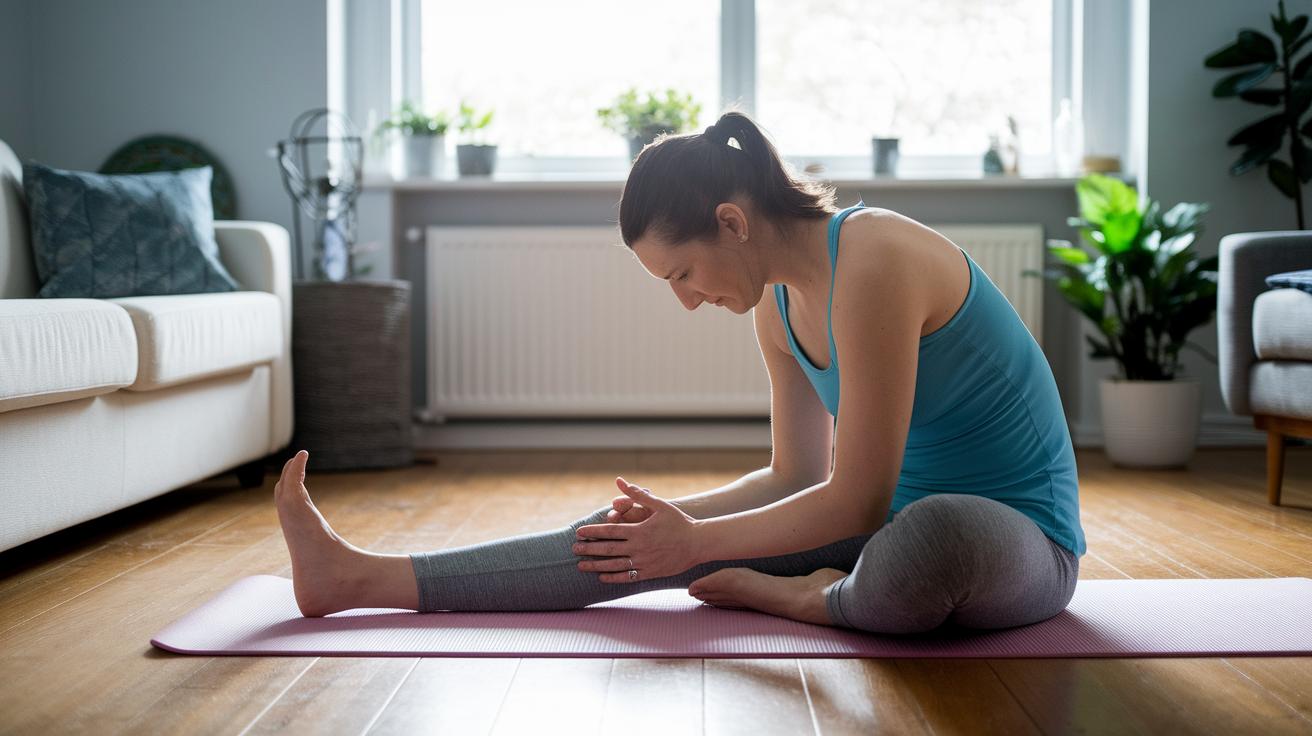
Gentle movement can brighten your day and make your body feel a bit stronger. Even light activities release happy chemicals (endorphins) that help ease stress and improve sleep. A quick 10-15 minute walk can refresh your mind and body in a really nice way.
Sometimes, a simple stroll around the block or a few gentle stretches at home is all it takes to feel a bit better. Postnatal pilates is also a friendly way to rebuild strength after childbirth. And if you’re curious about yoga, you might want to try the postpartum yoga for beginners, which shows you easy, mindful moves. You can also check out safe postpartum exercises that focus on slow, steady motions to help ease muscle tension and support your recovery.
Keeping your exercise sessions short but consistent is key to managing stress while you build up your stamina and balance. And to wrap it all up, consider ending your routine with a warm bath, it’s a comforting way to relax your muscles and calm your mind.
Mindfulness and Stress Relief in Postpartum Depression Self-Care
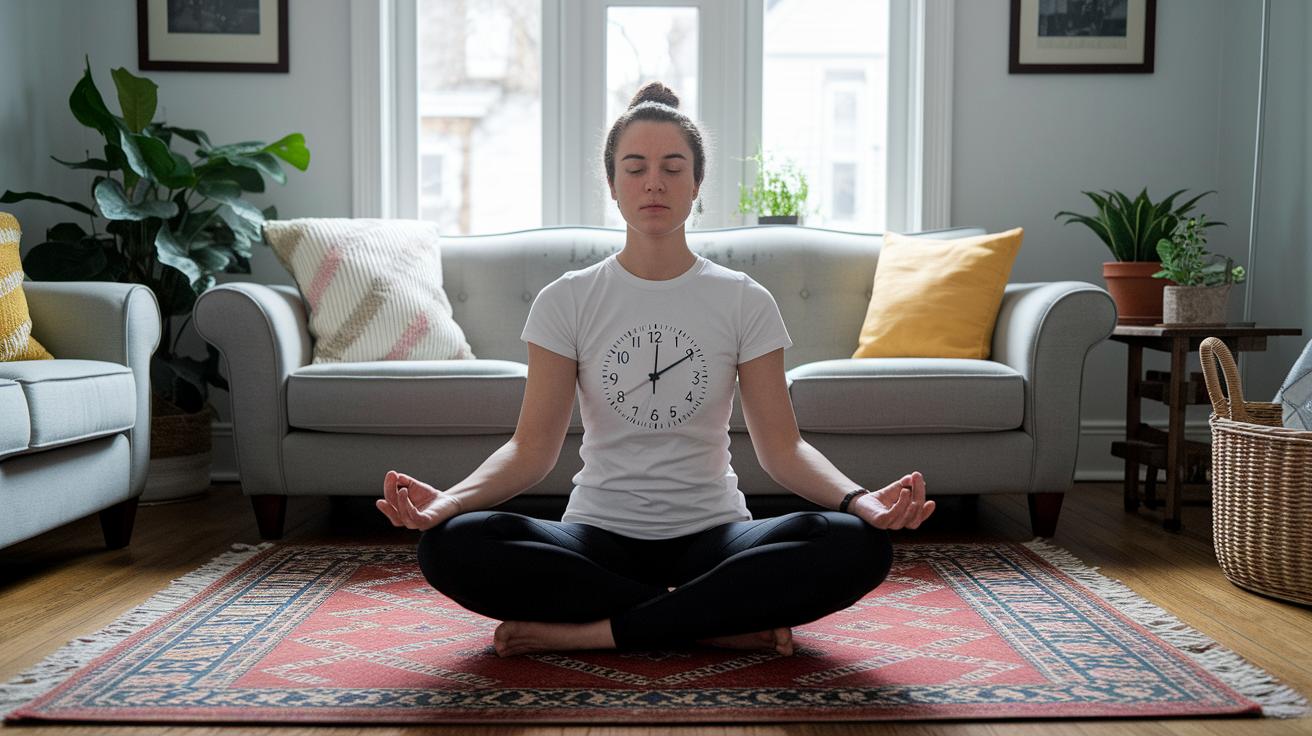
Stress can really take a toll on how you feel. When you feel overwhelmed, your body makes a hormone called cortisol, which might leave you feeling jittery and a bit low. That extra cortisol can make it hard to enjoy the little moments. But taking a few minutes for mindfulness, like a short meditation or a quiet walk, can really help lower those stress levels and bring a sense of calm.
Applying the 5-5-5 Stress Management Rule
Imagine setting aside five minutes just to focus on deep, slow breathing. Let yourself relax with each breath.
Then, spend another five minutes doing a mindfulness activity. You might listen to a guided meditation or simply sit quietly while noticing the world around you. After that, take a light five-minute break to move a little, maybe a gentle walk or some soft stretches, to help reset your body and mind.
You can also try other relaxed techniques to boost your mood. Keeping a gratitude journal, for example, can help remind you of the everyday positives. You might even explore progressive muscle relaxation, where you tense up and then relax different muscle groups. These gentle habits can help ease stress and brighten even the cloudiest days.
Building Support Networks in Postpartum Depression Self-Care

Sometimes feeling isolated can make postpartum recovery even tougher. When you don’t have enough chances to connect with others, stress and loneliness can slowly build up. Knowing you’re not on your own can be a real comfort.
A caring community can truly change your day. Online breastfeeding support groups create a safe space where moms share their journeys and helpful tips. And local events like “Walk with a Doc” encourage you to get out and meet others who get it. If you need a little extra help, WIC members can call the Breastfeeding Helpline at (888) 477-6333 for friendly, professional advice.
Lean on your friends, family, and other moms for those regular check-ins. Even a quick chat can bring some practical support and a bit of extra light on a challenging day.
Personalized Wellness Routines for Postpartum Depression Self-Care

Taking a few moments each day for yourself is a gentle way to care for both your body and mind while you recover. Think of little tasks, a short 10-minute walk or writing down something you're thankful for, as small steps that build a steady, comforting routine. These simple practices can help bring a sense of order and calm when life feels a bit overwhelming. Setting small, personal goals can really help lift your spirits and keep you encouraged.
Start by choosing what feels most important to you right now, whether that's enjoying a quiet moment with a warm cup of tea or taking a brief walk outside. Carve out little blocks of time in your day just for you. You might even set a reminder, a simple sticky note on the fridge works wonders! This easy-to-follow plan helps weave self-care into your day without making things feel too busy or stressful. It might be best to hold off on major changes like moving or starting a new job as you work on finding your balance.
Take a moment each week to check in with yourself. How are you feeling? What energy do you have? Adjust your routine as needed so it stays gentle and helpful, just like you.
Professional Care and Postpartum Depression Self-Care

If you've been feeling down for more than two weeks, thinking about harming yourself, or finding it hard to take care of you or your baby, it might be time to chat with a healthcare professional. These feelings go beyond everyday worries and deserve extra care.
There are several gentle ways to help. One option is cognitive behavioral therapy, a type of talk therapy that helps shift negative thoughts into a kinder perspective. Sometimes, a doctor might suggest medication to help balance your brain chemistry. And joining a peer support group can offer a warm space to share and connect with others who truly understand what you're going through.
In more complex cases, specialists can guide you with extra support tailored just for your needs. If any of these signs show up, please reach out for help right away. Remember, seeking support is a brave step on your journey to healing and taking good care of yourself.
Final Words
In the action, we saw everyday self-care tips lift a mother's spirit and body. Simple steps like enjoying a warm bath, taking mindful pauses, or connecting with a support group can truly make a difference.
Each strategy offers a way to care for yourself with compassion. By embracing postpartum depression self-care with small, thoughtful routines, moms can find strength and optimism for each new day.
FAQ
How to fight postpartum depression naturally?
A natural approach to fighting postpartum depression involves embracing self-care routines like nourishing meals, gentle exercise, and stress relief practices such as deep breathing or a warm bath. These steps help boost mood and bring comfort.
How long does postpartum depression typically last?
Postpartum depression can last anywhere from a few weeks to up to 12 months after childbirth. Its duration varies for each mother, and ongoing support through self-care or professional guidance can make a meaningful difference.
What is the 5 5 5 rule for postpartum?
The 5-5-5 rule for postpartum care means dedicating five minutes each to three simple stress-relief activities like breathing exercises, a brief mindfulness session, or a short walk to help ease tension during recovery.
Can PPD go away on its own?
In some cases, postpartum depression may ease naturally over time; however, many mothers benefit from support through self-care practices or professional treatment to achieve full recovery and maintain emotional well-being.