Have you ever suddenly felt angry after having your baby? Sometimes, that strong anger takes you by surprise and makes you act in a way you did not expect. You might wonder if there is more going on inside you. Many new moms feel these powerful emotions, which can be part of the changes that come after giving birth. The good news is that understanding these feelings can lead you to the comfort and support you need. Let’s take a moment to explore what this anger might be telling you and how it could be a step on your path to healing.
Understanding Postpartum Depression Rage

Sometimes, new moms feel a burst of intense anger after giving birth that seems to come out of nowhere. This isn’t like the usual sadness or a few tears, it’s a strong, sudden feeling that can leave you startled afterwards. You might notice yourself screaming, throwing things, or even snapping at people you love. It sounds scary, and it’s more common than you might think.
These outbursts happen because your body and mind are adjusting to big changes, like sleep loss and new responsibilities. Imagine the tiredness after a long day and then bumping into unexpected stress, it can really build up. Along with that anger, you might feel guilt that makes everything even harder, as if you’re fighting yourself and your emotions all at once.
Here are some signs to watch out for:
| Sign | Description |
|---|---|
| Explosive outbursts | Moments when anger feels overwhelming. |
| Unpredictable triggers | Little things that set off big feelings. |
| Intense guilt afterward | Feeling really bad once the anger fades. |
| Related mood issues | Often tied to deeper mood swings or challenges. |
When these moments of anger start to show up, think of them like a little warning light. They can suggest that there might be something more at play, like postpartum depression or another emotional struggle. It might be a good idea to talk with someone who understands, so you can get the support you need during this big, sometimes overwhelming, life change.
Recognizing Signs of Maternal Rage and Depression

Sometimes, little changes in your mood can be clues that something deeper is happening. Many new moms might feel sudden irritation or a strange sense of detachment, even if it only lasts a moment. It can show up as bursts of anger or quiet moments of sadness, and noticing these can be a big part of taking care of your emotional well-being.
- sudden irritability
- explosive outbursts
- snapping at your partner
- feelings of guilt
- ongoing agitation
- feeling detached
- quick, angry thoughts
It can really help to keep a simple journal of these feelings. For example, you might write, "This morning, while getting ready, I felt oddly detached, as if I was watching someone else." Over time, these notes can show clear patterns and give you a straightforward way to talk with a caring doctor or friend about how you’re doing.
Biological and Environmental Triggers of Postpartum Rage

Many new moms feel sudden, strong anger that goes way beyond normal stress. Right after your baby is born, your body has a big drop in hormones like estrogen and progesterone. This change can upset the chemicals in your brain that keep your mood steady, making feelings of anger seem much stronger. You might even find that little things set you off because your body is busy trying to find its balance again.
And then there are the everyday challenges, like barely getting any sleep and taking care of a newborn, which can pile up your stress fast. New tasks, extra demands, and sometimes not having enough support can leave you feeling lonely and worn-out. When physical changes meet a tough daily routine, it's no wonder your emotions can feel out of control. This mix of body changes and everyday stress might mean it’s time to ask for a little extra help.
| Trigger | Description |
|---|---|
| Hormonal withdrawal | A sharp drop in estrogen and progesterone upsetting mood balance. |
| Sleep deprivation | Not getting enough rest boosts stress and makes mood swings worse. |
| High stress | New responsibilities can build up stress quickly. |
| Inadequate support | Not having enough help can make you feel isolated. |
Postpartum Depression Rage: Bright Outlook Ahead

Sometimes, when overwhelming feelings take over, it can be hard to keep calm. But there are small, caring techniques you can use to help ease those moments of anger. These steps remind you that taking care of yourself is not a luxury, it’s a must for both you and your baby.
Here are some gentle ways to help soothe your mind:
- Sleep hygiene – Try setting up a cozy bedtime routine so you can get a good night’s rest.
- Micro-breaks – Even a few minutes away from stress can clear your head when emotions run high.
- Light exercise – A short walk or some easy stretches can help ease the tension.
- Naming emotions – Saying or writing down exactly what you feel might help you understand your emotions better.
- Deep breathing – Practice slow, deep breaths (a simple method to lower your heart rate can work wonders).
- Balanced meals – Enjoy nutritious snacks or meals that keep your energy steady and help prevent mood dips.
- Peer check-ins – If you feel overwhelmed, a quick chat with a friend who understands can lighten your load.
- Setting boundaries – Give yourself little breaks in your day so that daily demands don’t feel too heavy.
Taking these gentle steps each day can help you manage your anger more effectively. It’s like piecing together a calm moment from tiny parts, each contributing to a kinder, more balanced day. Remember, even small efforts have a big impact when caring for your emotional well-being.
When to Seek Professional Help and Treatment Options
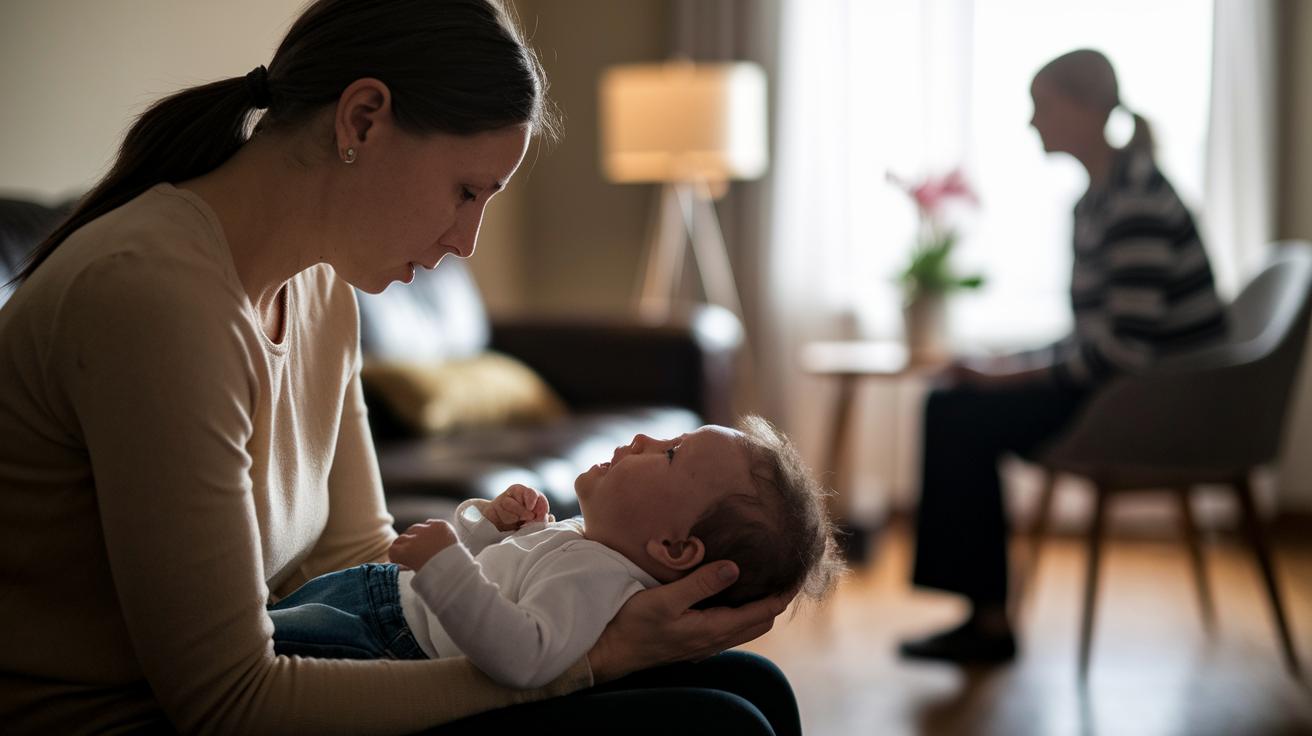
Sometimes, even after trying gentle ways to calm yourself, that anger and stress still linger, making it hard to care for both you and your baby. When these intense feelings stick around, it might be a sign that the usual self-care methods just aren’t enough. It could mean there are deeper issues like postpartum depression, anxiety, or other mood challenges that need special care.
Here are some steps you might consider:
- OBGYN screening
- Psychotherapy (like CBT)
- Psychiatric evaluation for medications
- Crisis intervention resources
Taking these steps doesn’t mean you’ve failed. It shows you care about your mental and emotional well-being and that you deserve help from caring professionals who know what moms go through. In truth, reaching out for help is part of finding your balance again, letting you build a warm and supportive space for both you and your little one.
Building Support Systems and Community Resources

Having a caring group around you can truly lift your spirits during tough postpartum times. When feelings feel overwhelming, knowing someone gets it can make daily challenges feel a bit lighter. A strong local network not only lets you share your stories but also offers simple, practical advice to keep you feeling well. And remember, looking after yourself helps create a warm, loving space for your little one too.
- WIC programs
- Local diaper banks
- Parent support groups
- Peer-to-peer networks
- Strategies for sharing responsibilities
Reaching out sooner rather than later can really set the stage for sunnier days. By leaning on these helpful resources and building connections with caring people, you open the door to a more balanced and joyful journey during this important time.
Final Words
In the action, we've explored the heart of postpartum depression rage and unpacked its complex nature, from unexpected outbursts to feelings of guilt. We looked at signs, risks, and strategies to help manage those intense moments. We also discussed when professional support might be needed and how building a support system can help. Remember, every step you take toward understanding and managing postpartum depression rage is a brave move toward a calmer, more hopeful tomorrow.
FAQ
How long will postpartum rage last?
Postpartum rage may vary in duration. It might last a few days to weeks as your body adjusts after childbirth, though some moms may notice it lingering longer. Seeking support can help manage these feelings.
Is anger a symptom of postpartum depression?
Anger can be one indicator of postpartum depression. Many moms experience intense emotions, including anger, which signals that extra care and professional support might be needed.
How to get help for postpartum rage?
Getting help for postpartum rage involves talking with your OBGYN or mental health professional and possibly joining a support group for moms. Professional guidance and community support can ease the intensity of these feelings.
When does postpartum psychosis start?
Postpartum psychosis typically starts within the first few weeks after birth. This rare condition requires prompt medical attention to ensure the safety and well-being of both you and your baby.