Have you ever noticed that missing just a few hours of sleep can leave you feeling really low? When you're a new mom, losing sleep is more than just tiring, it can also lead to deep sadness or even postpartum depression (a type of depression that some women experience after giving birth). Studies tell us that moms with ongoing sleep struggles are almost twice as likely to experience mood swings.
But here's something to hold onto: a little better sleep might be the key to lifting your spirits. Imagine the quiet of the early morning, that gentle peace before the day begins, it might be the start of a brighter outlook for you and your baby. In this piece, we'll chat about how making small changes to your sleep habits could be a first step toward feeling better at home.
Sleep Deprivation and Postpartum Depression: Renewed Hope
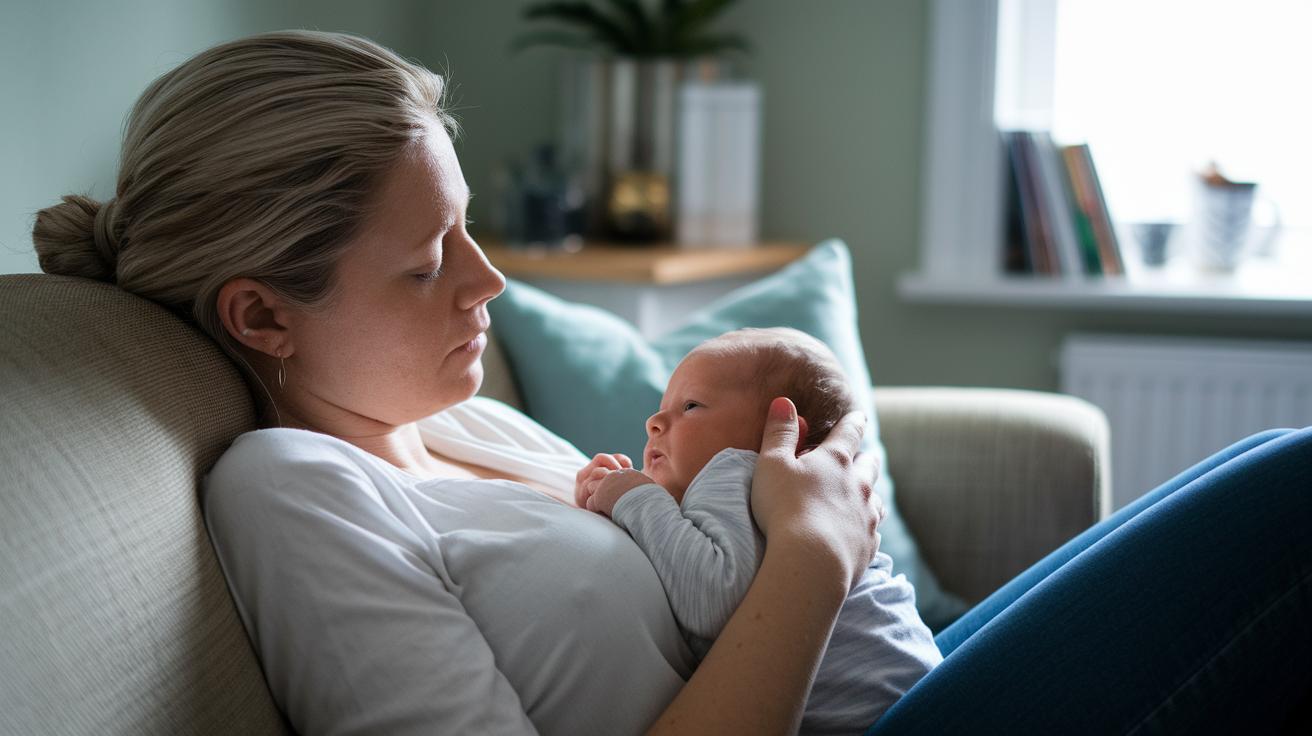
After childbirth, not getting enough sleep can really take a toll on your mood. Research shows that when new moms are run down by sleepless nights, it might even bring on or worsen postpartum depression. Many women experience a mild “postpartum blues”, a feeling of sadness that typically fades in one or two weeks, but about one in seven moms may develop deeper depression, sometimes starting just a few weeks after birth and even up to a year later.
It’s important to know the difference. That’s why many health professionals use the Edinburgh Postnatal Depression Scale (a simple questionnaire) around 4–6 weeks after delivery to check if sleep troubles might be tipping into clinical depression. Did you know that a recent study found moms with broken sleep over several weeks were almost twice as likely to score high on depression scales? It really makes you pause and think about how vital rest is.
Dr. Nicole’s research highlights that insufficient sleep is a key piece of the puzzle when it comes to postpartum depression. One study even looked at a treatment called Brexanalone to see if it could help those struggling with this condition. The early weeks after pregnancy are filled with big changes, hormones shift quickly and can leave you feeling anxious and down. When sleep quality suffers, even daily routines get thrown off, and emotions can feel much stronger.
Understanding this connection means that both moms and their care teams can take real steps to improve things. Simple actions like sticking to a bedtime routine and getting a little extra help during the night can make a big difference. By focusing on better sleep, moms can boost their own recovery and help create a more positive, nurturing environment for the whole family.
Risk Factors: How Sleep Loss Triggers Maternal Mood Instability
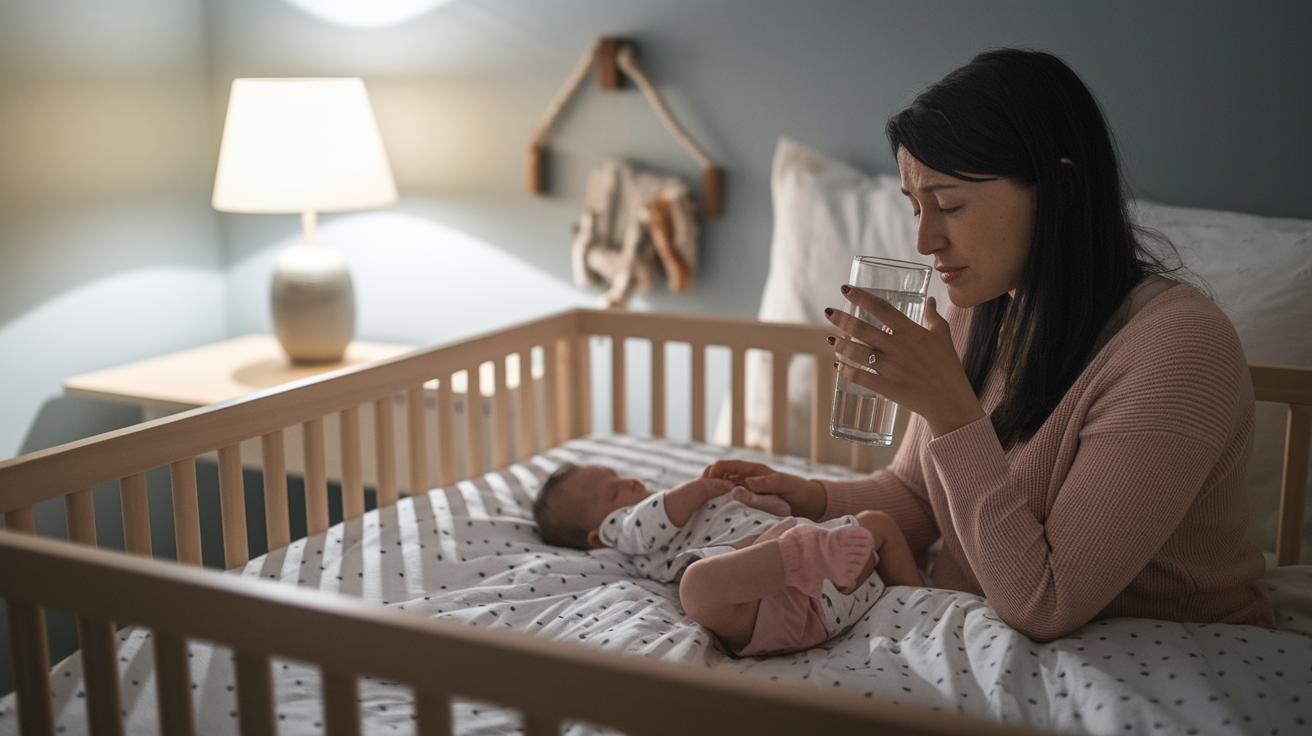
When a new mom welcomes her baby, her body goes through big changes. Hormone levels drop quickly, and that can really toss off her natural sleep rhythm. Picture this: a mom finds herself wide awake at midnight, even when she’s very tired. It’s like her inner clock just isn’t working right.
Sometimes, sleep loss feels even tougher when there isn’t enough help from family or friends. Plus, with a baby’s sleep pattern all over the place, getting a long, peaceful sleep can seem nearly impossible. It’s no wonder moms start feeling worn out, and that stress may lead to unexpected mood swings.
Research shows that not getting enough sleep can make mood changes worse and even heighten anxiety that was already there. In truth, sleep and a mom’s emotional well-being are tightly linked. Remember, sometimes even a small change in sleep habits can make a big difference in how you feel.
Recognizing Postnatal Depression Symptoms Associated with Poor Sleep
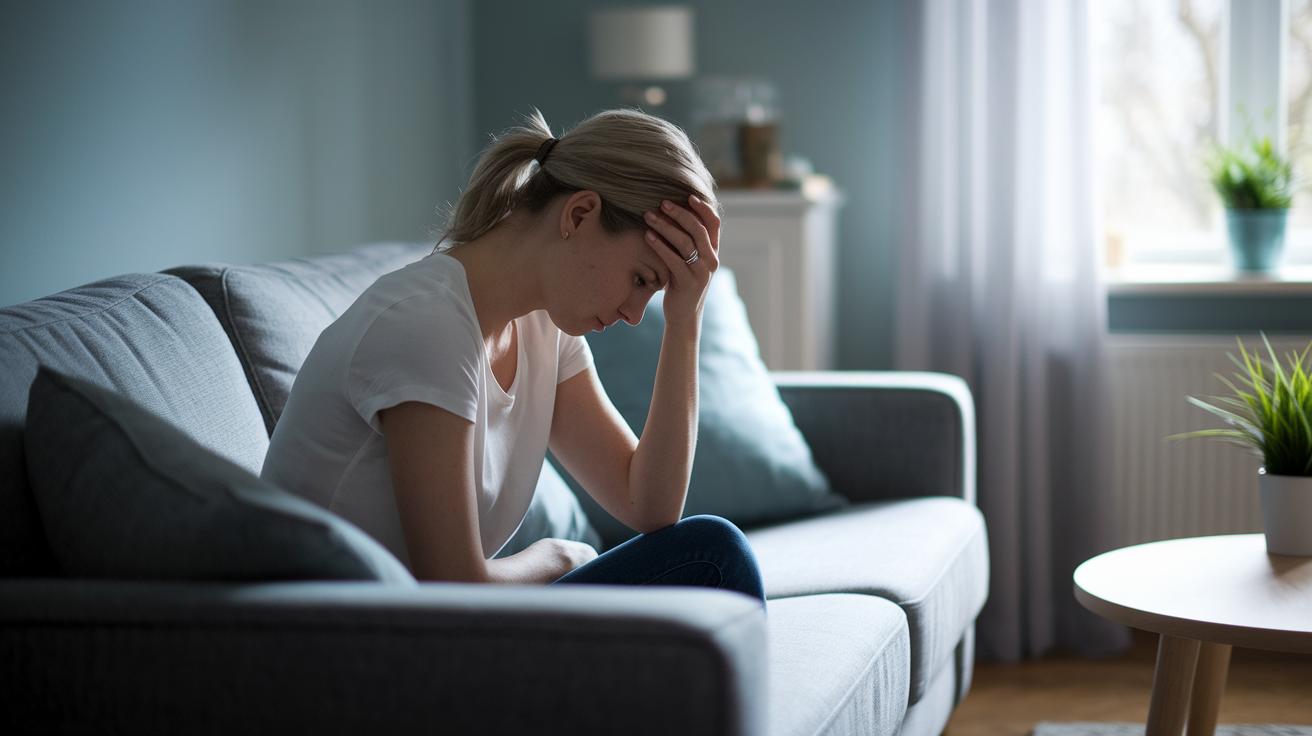
When sleep is hard to come by, it can affect more than just your energy. It might also shift your mood into tougher territory. Doctors sometimes use a short questionnaire called the EPDS (a screening tool) to look for clues like trouble sleeping, strong feelings of worry, tearfulness, loss of interest in taking care of yourself, and difficulty connecting with your baby. For instance, if a quick nap doesn’t leave you feeling refreshed, it may be more than ordinary tiredness.
These signals are not the same as general fatigue. If mood changes and strong emotions linger for more than two weeks and start to mess with your daily routine, that is a sign something isn’t right. Take a moment to think over your sleep patterns and how they relate to your feelings during the day. Are you waking up a lot at night? Do your emotions seem harder to control than before?
| Symptom | Sleep-Related Indicator |
|---|---|
| Trouble sleeping | Difficulty falling or staying asleep |
| Strong feelings of worry | Increased anxiety when sleep is interrupted |
| Tearfulness | Emotional breakdowns linked to lack of rest |
| Loss of interest in self-care | Neglect of personal well-being during sleep shortages |
| Difficulty bonding with baby | Feeling detached because of ongoing sleep loss |
Remember these signs, and if you notice changes that stick around, consider talking with a healthcare expert about postpartum depression symptoms.
Effective Sleep Hygiene and Routines to Guard Against Depression
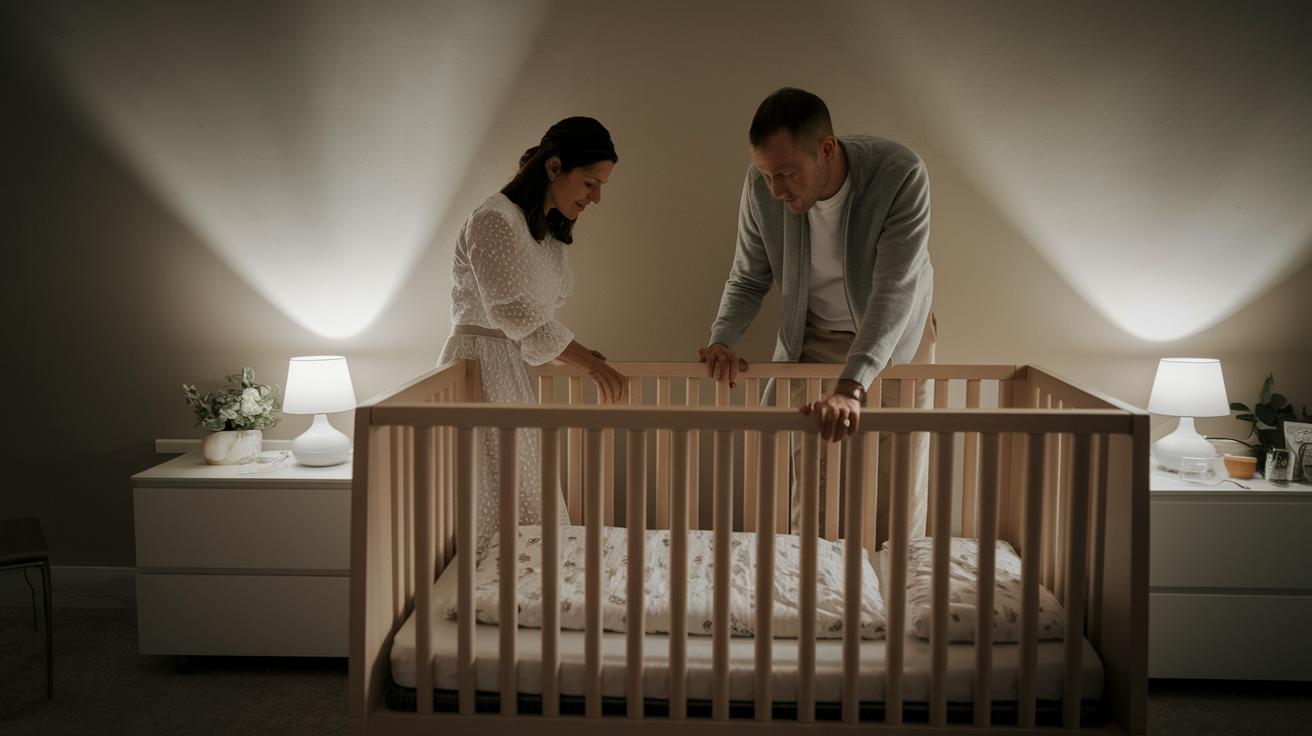
Have you ever noticed how a steady bedtime routine can really lift your mood after having a baby? Experts say that sticking to the same sleep schedule helps your body know when it’s time to wind down and get cozy. It’s a small change that can make a big difference.
Imagine shifting from a busy, alert state to a calm, relaxed one before bed. You might try a quick 5-minute mindful meditation or deep-breathing exercises, kind of like gently dimming the lights as you get ready to sleep. Such simple moments can ease your mind and help melt away anxiety.
Planning ahead, even before your little one arrives, can make your evenings a lot easier. Sorting out meal prep and household tasks beforehand means you can keep those precious sleep blocks protected when you need them most. Plus, keeping your bedroom cool and dark and cutting down on screens before bed is a great way to boost your sleep quality.
Here are some friendly tips to try:
| Tip | What to Do |
|---|---|
| Consistent Schedule | Go to bed and wake up at the same time each day. |
| Mindfulness | Spend 5 minutes on calming exercises before sleep. |
| Sleep Environment | Keep your bedroom cool and dark. |
| Pre-Bed Routine | Avoid caffeine and screens about 1 hour before bed. |
| Pre-Planning | Organize meals and chores before your baby arrives. |
| Teamwork | Take turns with your partner to protect sleep time. |
| Power Naps | Take short, refreshing naps when needed. |
Each step you take helps build a gentle, reassuring nightly routine and creates a more peaceful space for both you and your little one.
Partner Support: Shared Sleep Responsibilities to Boost Maternal Rest
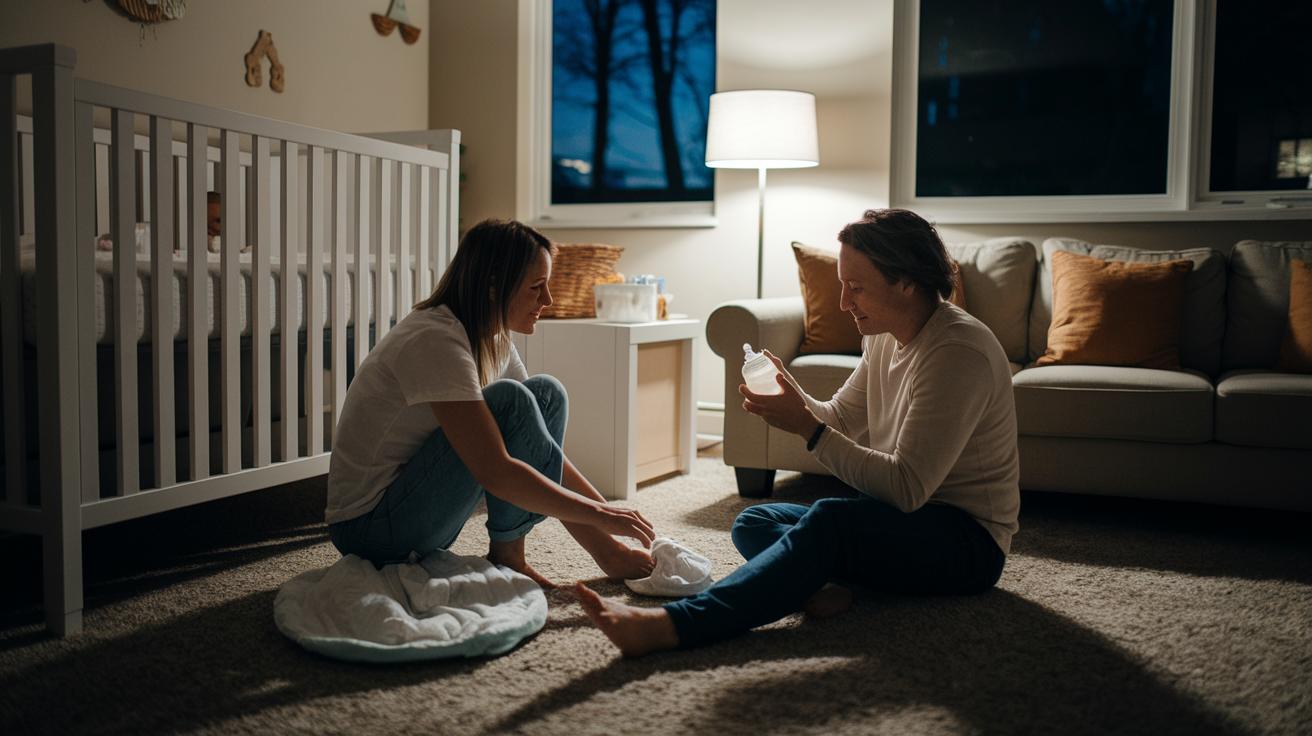
When you and your partner share nighttime duties, it really shows. Imagine one of you handling diaper changes while the other takes care of bottle feeding, that way, moms can finally get a longer, uninterrupted sleep. It makes a big difference when you’re not waking up all the time, helping to ease that tired feeling and low mood.
Studies have found that when families work together during the night, moms bounce back faster and feel less down. Waking up refreshed makes for a clearer morning and a calmer day with your baby. It’s not about one person carrying all the weight; it’s about sharing the load so everyone can feel supported.
Setting up a simple schedule with clear roles lets new parents manage sleep better in those early months. This kind of teamwork not only helps moms get the rest they need but also promotes better sleep habits for the baby, creating a more balanced home for the whole family.
Professional Screening and Treatment for Postnatal Insomnia and Depression

At your 4–6 week postpartum checkup, your doctor might use a simple questionnaire called the Edinburgh Postnatal Depression Scale to see if mood struggles are affecting your sleep. If you score higher than expected, you might be gently guided toward options like talking therapy (cognitive-behavioral therapy) or even a bit of medicine if needed. There’s even been talk about a special treatment called Brexanalone, which was created just to help moms dealing with postnatal depression.
When sleepless nights start to wear you down, working closely with your healthcare provider can really open a door to feeling better. Getting help early can lessen the lasting effects of depression, making those heavy days a bit lighter sooner.
Imagine this: a new mom reaches out to her doctor, and together they create a care plan that zeroes in on her sleep troubles. Sometimes, if things feel especially overwhelming, immediate help is just a phone call away with services like the 988 hotline or 833-TLC-MOMS. With the right guidance and a supportive plan, many moms find that their nights become a bit more peaceful and hope grows stronger with each new day.
Final Words
In the action, we uncovered how sleep deprivation and postpartum depression can affect new mothers, linking sleep loss with mood changes and increased risk of postpartum depression. We explored simple sleep hygiene tips and shared caregiving approaches that can boost rest and well-being.
This piece offers clear, practical ideas and support, reminding us that better sleep can lead to better mood. Embracing expert guidance and community care makes it easier to manage both sleep challenges and postpartum mood shifts. Stay hopeful and keep moving forward.
FAQ
Does lack of sleep cause postpartum depression and what triggers it?
The link between sleep loss and postpartum depression shows that insufficient sleep can trigger mood shifts. Hormonal changes, interrupted rest, and ongoing fatigue may heighten feelings of overwhelm and deepen depressive symptoms.
When is PPD most likely to occur?
PPD often starts 1 to 3 weeks after childbirth, though it can develop within the first year. Early signs during this period should prompt gentle attention and professional support.
How long does sleep deprivation last postpartum?
Sleep issues can extend past the brief postpartum blues period, lasting several weeks to months. Persistent sleep deprivation may continue as a factor in mood challenges and recovery throughout early motherhood.