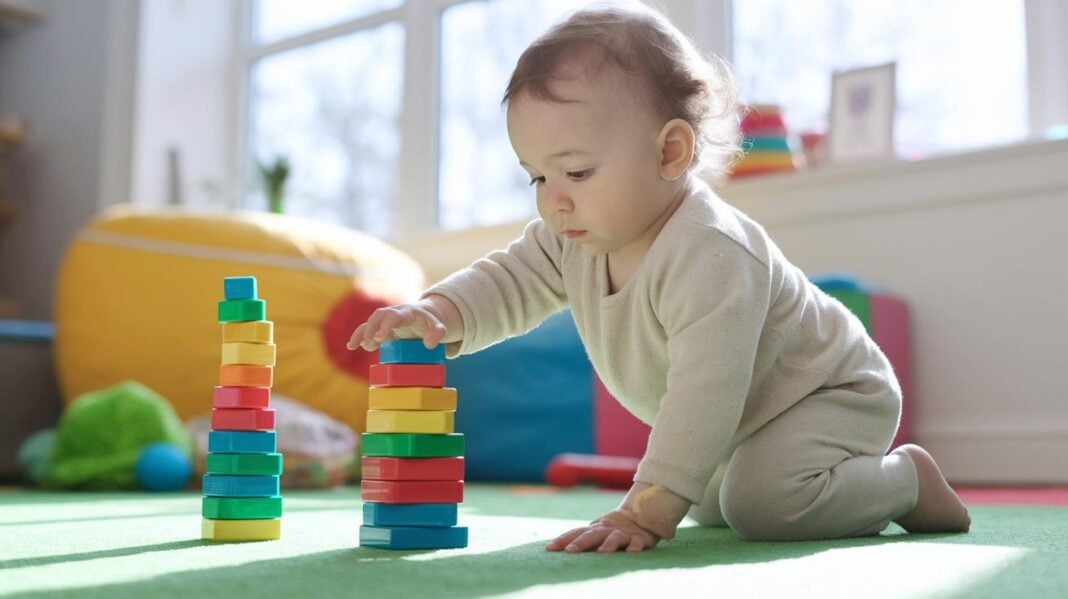
Have you ever noticed how one small step can shape your child's future? Watching your little one reach and explore may seem simple, but each movement builds strong brain connections. It’s like laying down little paths that help turn ideas into actions. Recent research shows that these early moves can boost focus and problem-solving skills. Every crawl, little grasp, and playful chase is helping to lay the groundwork for a future filled with joy and success.
Why Motor Development Is Crucial for Early Childhood Growth

Motor skills are so important for your child’s body and mind. They help turn our thoughts into actions, kind of like a busy city where every car moves smoothly together. Imagine your little one’s body as a lively town, with motor pathways acting as the roads that connect their ideas to their movements. It’s a bit like watching a well-organized parade, where every step relies on perfect timing and a little teamwork.
Being active and playing not only makes your child smile, it also builds problem-solving skills, improves focus, and even helps with classroom engagement later on. When your child crawls, climbs, or even draws, they’re busy strengthening those brain connections. Just think about a simple game of stacking blocks; it builds their hand control while sparking decision-making and a sense of space.
Watching your baby’s progress, like when they lift their head during tummy time or take those brave first steps, is like witnessing a little dance that helps them grow physically. Every new move, whether it’s grabbing a favorite rattle or running joyfully across a playground, adds to their overall development.
Recent research shows that steady motor skill growth is absolutely key. When these motor pathways work smoothly, kids become better problem solvers, concentrate well in class, and handle daily activities with ease. Building these skills from the start lays a strong foundation for school success and a healthy, active life.
Defining Fine and Gross Motor Skills in Early Childhood

Fine motor skills are the small, careful movements your child makes every day. When a little one holds a crayon, uses a spoon, or picks up a tiny bead, they are practicing these delicate skills. In the very beginning, infants show natural reflexes like grasping, and with time, these quick responses turn into thoughtful actions, like gently turning a page or giving a soft press with a spoon.
On the other hand, gross motor skills are all about the bigger movements. These skills help your child run, jump, climb, and play tag. As your child grows and moves from simple actions like pushing a stroller to playful games in the yard, these larger movements build balance, coordination, and even the beginnings of self-care.
Together, these skills mark an important journey from natural reflexes to thoughtful actions. This growth sets the stage for hitting key developmental milestones, getting ready for school, and embracing active play. It’s pretty amazing to think how every little movement helps build a strong foundation for learning and adventure.
Key Motor Milestones from Infancy to Preschool

| Age Range | Gross Motor Milestones | Fine Motor Milestones |
|---|---|---|
| 0–3 months | Lifts head during tummy time | Reflexive grasp |
| 4–6 months | Rolls over; sits with a little help | Reaches out with growing hand-eye coordination |
| 7–9 months | Crawls; moves objects from one hand to the other | Shows more controlled finger movements |
| 10–15 months | Stands; takes those first steps | Stacks two blocks |
| 2 years | Climbs stairs; kicks a ball | Builds a small tower of 4 blocks |
| 3–5 years | Hops on one foot; catches a ball | Draws simple shapes |
These milestones provide a simple timeline to help you see how your little one is growing. When your baby lifts their head during tummy time, it's a sign that their muscles are starting to work hard. Then, as they roll over and begin to sit with a bit of support, their strength keeps building while those tiny hands begin to explore more with better control.
Around 7 to 9 months, if you notice your child crawling and shifting objects from one hand to the other, it’s a sweet sign that their brain and body are teaming up nicely. Soon after, as your child starts to stand and take those first wobbly steps, stacking two blocks can be a fun activity to refine their fine motor skills.
By about 2 years, watching your child climb stairs or kick a ball while they also build a small block tower can bring extra smiles to your day. And in the preschool years, hopping on one foot and catching a ball go hand in hand with drawing simple shapes, little wins that show how far they’ve come.
Each milestone is a gentle reminder to celebrate your child’s everyday achievements, supporting their growing confidence and joy.
Cognitive and Academic Benefits of Early Motor Skills

Active play isn’t just fun, it can also boost a child’s brain power. When little ones move around and explore, their brains build strong connections that turn play into real learning. For example, when a toddler squishes and molds playdough, they’re not only having a blast but also sharpening the fine motor skills needed for drawing and writing.
And every time a child runs around on the playground or chases a ball, they build up the confidence needed for sports and other physical activities. This kind of play helps them feel ready to tackle more challenges in school. It’s like a little experiment in coordination; each movement is a building block for better memory, planning, and focus.
Researchers have noticed that kids who play actively tend to solve problems better and pay attention longer in class. Think of it as building a bridge between the body and the brain, every hop and skip plays a part in that process. Even a simple game like hopscotch can help with counting, balance, and timing.
By encouraging activities that mix both small, careful movements and big, energetic ones, we’re giving children the tools they need to succeed in school and fuel a lifelong love of learning.
Emotional and Social Advantages of Motor Coordination in Young Learners

When little ones learn to feed themselves or get dressed, it sparks a real sense of independence and pride. Imagine the joy when a child ties their own shoes or buttons up a favorite coat and shouts, "I did it all by myself!" These small wins give them the courage to try new things. And when they play with friends, sharing and taking turns, it feels like they’re building early friendships while having lots of fun.
Simple games like obstacle courses or playful races let preschoolers explore their abilities in a safe space. As they jump, run, or climb, they learn not only how to take small risks but also how to care for one another. Every step and every laugh helps them grow stronger, both physically and emotionally. It’s a beautiful blend of movement and friendship that builds a lasting sense of confidence and warmth.
Practical Strategies for Enhancing Motor Development

Every day, spending time with your child doing hands-on activities can really boost their motor skills. It’s amazing how simple play at home not only makes your little one smile but also helps build strength, coordination, and confidence. Imagine celebrating every small win, like when your child balances on a low beam or molds playdough into a fun shape. It’s like finding a little treasure in your everyday routine.
Here are eight easy ideas to try:
- Play with playdough, string beads together, or use tongs to transfer small items. These fun tasks really help strengthen little hands.
- Enjoy dancing or swimming together. These activities build a sense of rhythm, balance, and body awareness.
- Create a backyard obstacle course with tunnels, low balance beams, and soft hurdles. It turns your outdoor space into a fun play zone.
- Try puzzles or building blocks. They’re perfect for sharpening hand-eye coordination and figuring things out.
- Cut down on screen time to less than one hour and plan at least 60 minutes of active play every day.
- Mix indoor and outdoor play. This helps make movement a fun part of every day.
- Take walks as a family or do playful stretching together. Moments like these build lasting bonds.
- Serve snacks packed with protein and calcium. These foods support strong muscles and healthy bones.
Every little activity adds up over time to spark both brain power and physical strength. Even a quick game of tag or a simple block-building session helps your child's motor skills grow. With a daily routine filled with movement and play, your family will enjoy more focused and lively days.
Remember, all that practice turns play into lifelong skills. Each smile and every small success brings your child closer to independence and prepares them for new adventures each day.
Monitoring Motor Development Progress and Early Intervention for Delays
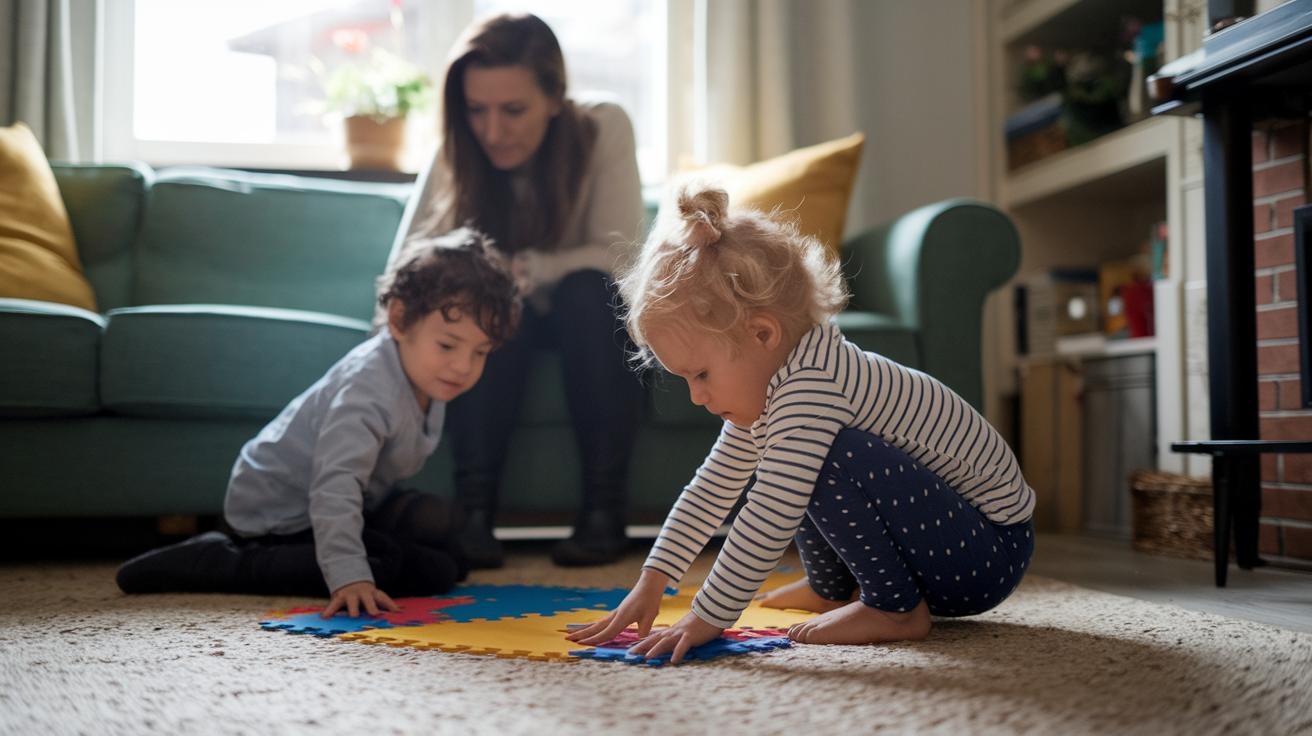
Watching your child’s movement skills grow can be really amazing and comforting. You might notice little details like how they play, dress, or simply move around during daily activities. If they seem to struggle when handling small toys or objects, this might be a sign that their fine motor skills need a little extra help. Similarly, if they have a hard time sitting up on their own, crawling, or even walking and running when you’d expect them to, it could be a signal that their gross motor skills need more support.
Here are a few signs to keep an eye on:
- Trouble handling small toys, puzzles, or drawing tools.
- Difficulty with dressing or undressing themselves, like buttoning or zipping.
- Struggles with sitting still during playtime.
- Challenges with crawling, walking, or running even after the age you would usually see these skills.
If these signs pop up, it might be a good idea to chat with your healthcare provider. They might suggest doing some simple assessments with milestone checklists or play-based screenings, which can give a clearer picture of your child’s progress.
Sometimes, conditions like dyspraxia or dysgraphia (trouble writing) might be the reason behind these delays. In such cases, using tools designed to help and trying out therapies like occupational or physical therapy could be really useful. Remember, stepping in early can boost your child’s coordination and strength, paving the way for a future where they feel more independent and ready to join in daily activities.
Research Insights and Expert Recommendations on Early Motor Development

Experts tell us that repeating simple movements, gradually turning up the challenge, and mixing things up is the key to helping little ones build motor skills. When a child practices reaching and grasping over and over, they’re laying the groundwork for more coordinated movements. Over time, these simple skills can blossom into more complex actions like balancing on a beam or catching a ball. In fact, studies show that even an hour of fun, active play every day can boost scores and help kids stay more focused in school.
What works best is to begin with easy tasks and slowly introduce a bit more difficulty. Start with basic reaching and grasping, then move on to playful balance games. Many experts also suggest group exercises so kids can enjoy moving together while having fun. This mix of physical play and friendly social time really helps their motor skills grow.
Each phase of a child’s development, from newborn reflexes to lively, coordinated play, offers unique chances to practice and improve. Teachers and caregivers are encouraged to make learning fun by offering a variety of age-appropriate activities. This not only strengthens motor skills but also builds confidence and independence in young learners.
Final Words
In the action of nurturing motor skills, children build physical confidence and sharpen their thinking. Clear steps, from practicing fine and gross movements to tracking milestones, help guide every day play and learning. Tuning into everyday exercises and hands-on strategies, parents see how motor skills boost social and academic growth. Remember, the importance of motor development in early childhood not only supports physical growth but also lays the groundwork for a bright, active future. Keep moving forward with joy and care.