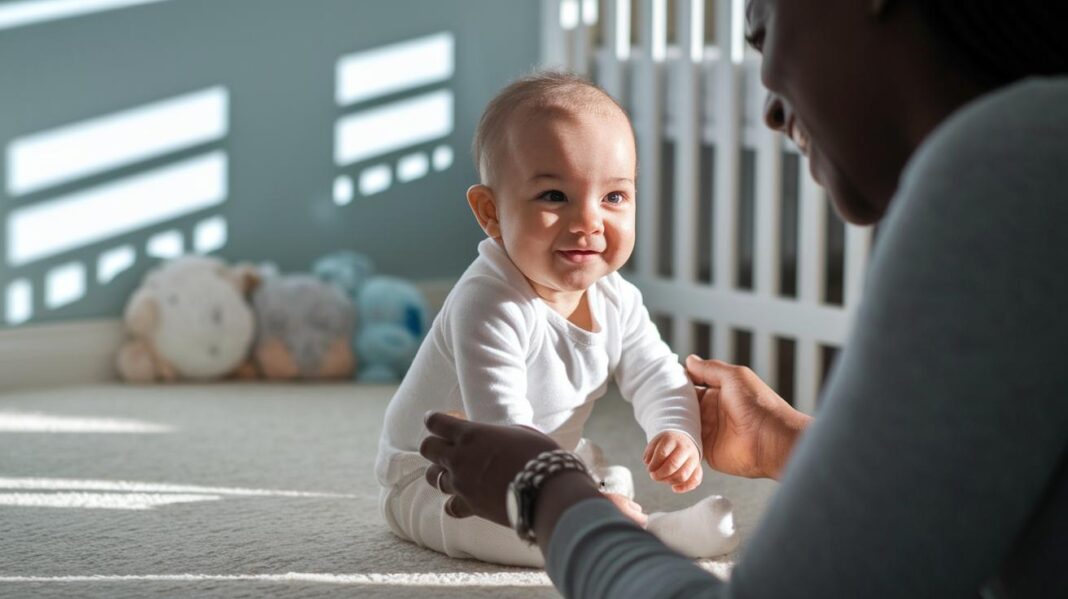
Have you ever noticed how a baby's tiny smile can brighten the room? Even the softest grin shows that a little connection is growing. These small smiles start as gentle signals and grow into warm exchanges, much like a comforting hug. Every giggle and babble is a step toward building strong, lasting bonds. Today, we'll chat about how each coo, smile, and shared moment helps write a beautiful story of growing together.
Overview of Infant Social Development Milestones
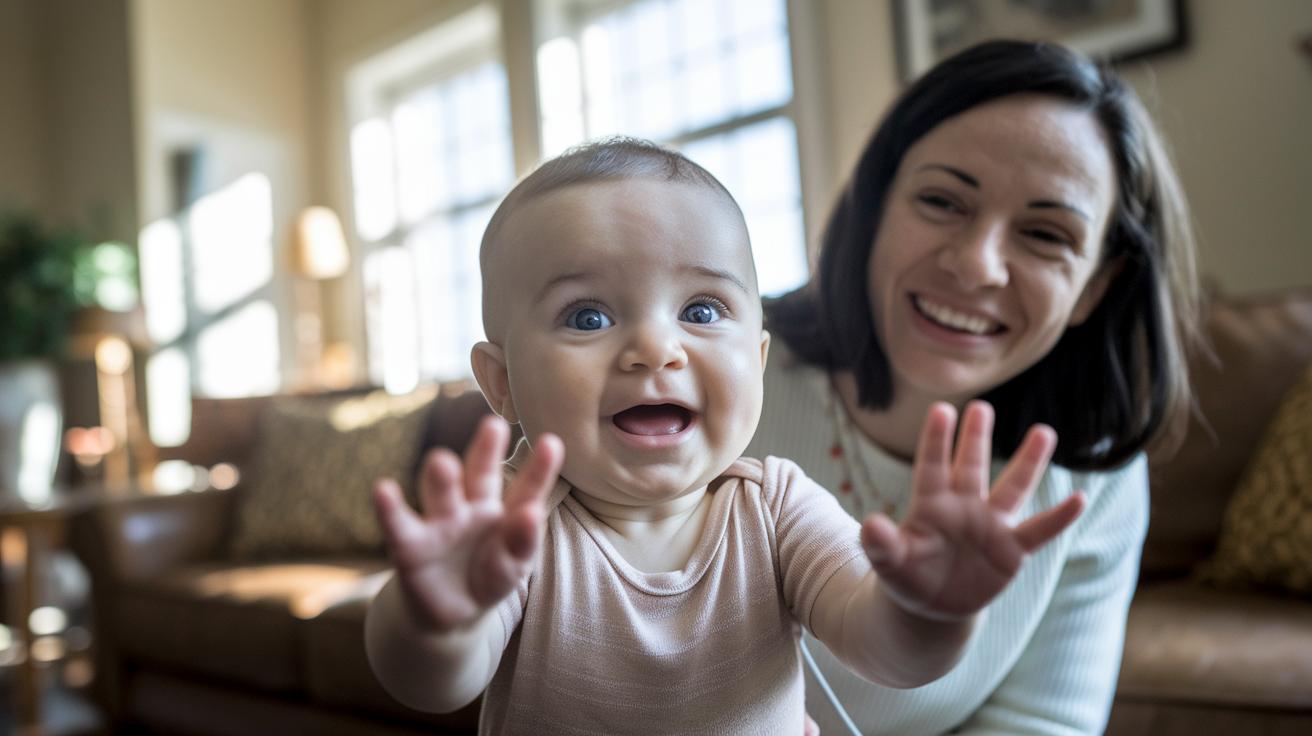
The first year of a baby's life is full of exciting changes. At first, little ones rely completely on their caregivers, but soon they begin to show their own personality, smiling, babbling, and connecting in their own charming way. It’s like watching a tiny friend discover a wonderful new world.
In those early months, you might notice soft, reflexive grins that slowly turn into genuine smiles. Babies start using their eyes, faces, and little sounds to share how they feel. As they grow, a simple hand wave or a joyful babble can light up the room and invite a warm, loving response from their family.
Each smile and gesture builds a strong foundation of connection and trust. These moments come together like pieces of a puzzle, forming a heartwarming bond between the baby and those who care for them. It’s in these shared, happy exchanges that the seeds of deep social skills are planted, encouraging babies to reach out and explore the world around them.
2. infant social development radiates joyful growth

From day one, babies begin to show tiny signs of connection, even if it’s just a quick little grin or a reflexive grimace. At first, these early movements aren’t full-blown smiles, they’re more like gentle hints that set the stage for real interactions.
By the second month, those subtle expressions gently turn into genuine smiles. It’s like a baby is saying, "Hey, I see you!" when they lock eyes with a familiar, caring face. Imagine that moment: a soft smile lighting up as they recognize someone dear, it feels a bit like warmth wrapping around your heart.
Then, at about three months, babies start what we lovingly call “smile talk.” They answer a parent’s smile or a playful sound with big, inviting grins and little gurgles. Sometimes they even watch other babies or siblings with bright, curious eyes, as if they’re quietly learning that their expressions create joyful moments. This playful back-and-forth is the start of their social conversation, teaching them that a little smile can build the pathway to connection.
Responding and Communicating in Infant Social Development: Four to Six Months
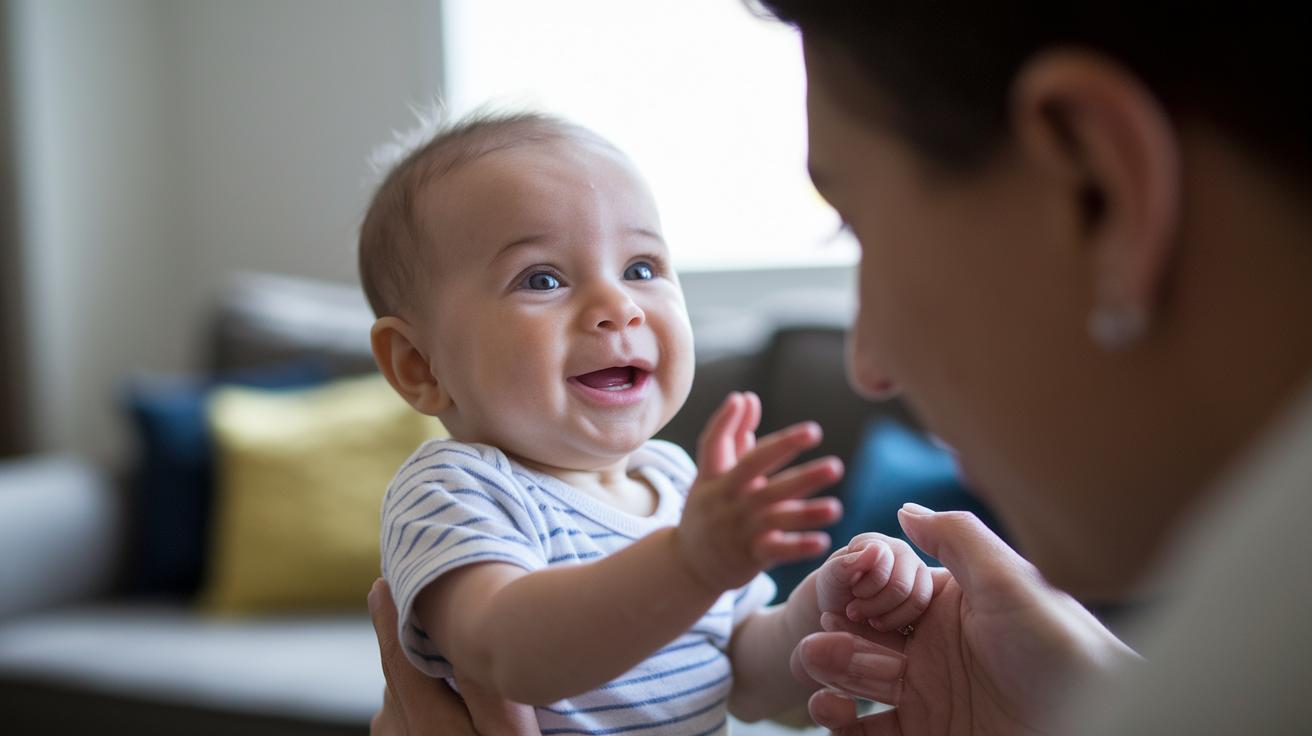
By about four months, little ones start chatting with bright smiles and cute sounds. They coo and giggle, taking turns with you in a way that feels like a sweet conversation. Imagine your baby hearing a gentle hello and replying with cheerful coos, it’s a tiny dialogue that brings joy to both of you. This happy exchange shows how quickly babies go from just watching to actively joining in fun interactions, always excited for familiar games like peekaboo or a warm, playful smile.
As your baby grows into the four-to-six-month stage, their ways of communicating grow too. They begin to use simple gestures, like reaching out with tiny hands or even giving a small wave, to show they want to connect. When your little one reaches toward you, it’s like a gentle invitation, “I’m here, let’s play!” These early gestures blend perfectly with emerging motor skills, like grasping and more coordinated movements. It’s all part of their growing ability to engage with the world in joyful, interactive ways.
Advanced Infant Social Milestones: Six to Twelve Months

Between six and nine months, your baby starts to show more than just a simple smile. You might notice them pointing at a toy or following your eyes as you move around the room, almost as if they're saying, "Look, over there!" It's a gentle mix of curiosity and growing awareness that tells you they're beginning to connect with both people and objects around them.
By nine months, things get even more heartwarming. Babies begin to copy actions like waving or clapping, small mimics that show they're learning through shared moments with you. They also start following simple cues and experimenting with sounds that hint at early words. It’s like watching a little conversation blossom, one cute sound and gesture at a time.
At twelve months, the foundation of social skills is clear. Your baby not only mimics what they see but also shows early signs of empathy, like offering comfort when someone seems upset. Their little personality shines through as they reach out for the familiar warmth of caregivers, even in tricky moments. Every smile and spontaneous gesture helps build a strong base for more meaningful, joyful interactions ahead.
Key Influences on Infant Social Development
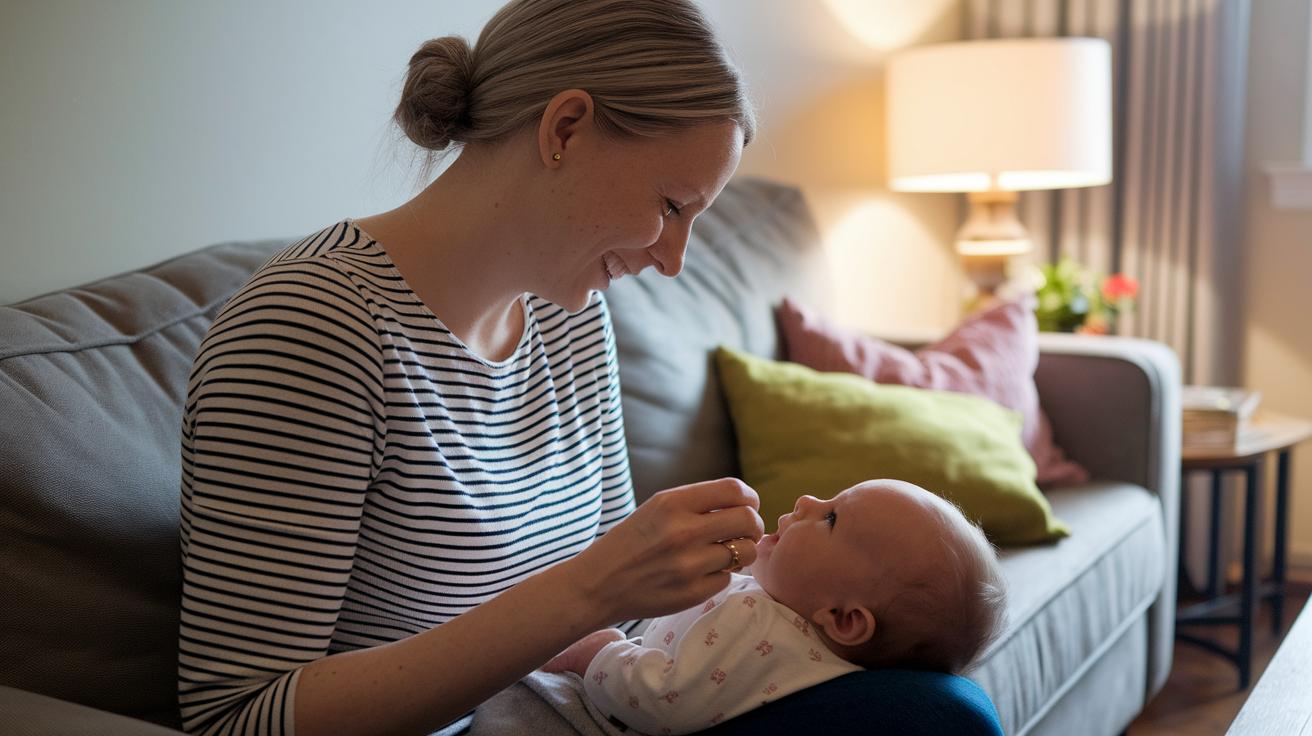
Every day, a baby's social skills start to grow when they are surrounded by gentle care and love. When you smile and chat with your little one during feeding times, you’re not just sharing a moment, you’re teaching them how to connect with others. A warm and familiar home, filled with regular routines, helps spark a baby’s natural curiosity about people. When you respond with true kindness, every shared look and soft word helps your baby feel safe and valued.
A supportive family setting, with love and simple routines, plays a big role in shaping how little ones relate to the world.
- Infant temperament (for example, easy or more challenging behavior)
- Caregiver attentiveness and face-to-face time
- Daily family routines that encourage social interaction
- Time spent with siblings and role models among peers
- Exposure to a variety of social settings and community programs
All these factors work together to boost a baby's early social skills. When families fill their homes with warmth and support, babies learn to interact with trust and joy, setting the stage for a life filled with meaningful connections.
Strategies for Enhancing Infant Social Skills through Play

Responsive moments with your baby can really brighten their early social skills. When your little one makes a funny face, try copying it back with a warm smile. This simple play shows that you see how they feel and that their emotions matter. You might say something like, "You're smiling so happily!" which helps connect those feelings with your words.
Chatting back and forth using sounds or gestures lays a lovely foundation for later conversations. Imagine you make a silly sound and your baby coos right back , celebrate that little exchange like a delightful dance where every step builds a caring connection.
Having regular play routines gives you many chances to nurture these skills. Think about playing peekaboo face-to-face: you hide and then reappear with an inviting smile, and your baby laughs with joy. Other fun activities, like sharing a bright toy or taking turns with colorful objects, help build motor skills (like reaching and grasping) along with social connections.
Even inviting siblings or setting up small-group games can boost your baby's early interactions with peers. It’s a gentle reminder that play is not only fun but also a warm way to share feelings and grow closer every day.
Monitoring Infant Social Development: Identifying Delays and Referrals

Watching your baby’s social milestones can feel really comforting. When your little one smiles or joins in on playful sounds, it shows they are learning how to interact with you and the world around them. But if these moments seem to take a little longer to appear, it's a sign that you might want to keep an eye on things. Simple observations today can help you decide if it might be good to chat with your pediatrician later.
| Warning Sign | Typical Age | Recommended Action |
|---|---|---|
| Little or no social smiles | 2 months | Talk with your healthcare provider |
| Not much back-and-forth vocal play | 4 months | Plan for a developmental check-up |
| No response to interactive cues | 6 months | Get an extra evaluation if it continues |
Paying attention to these small signals in your baby’s interactions helps spot any differences in their progress early on. Often, the next step includes a few simple screenings and follow-up talks with a pediatric expert. When you notice a steady delay, reaching out for guidance can really guide the way forward. This supportive conversation will help you understand your child’s unique pace and keep your family feeling connected and comforted every step of the way.
Final Words
In the action, the blog walked through the dramatic changes in infant social development, highlighting the shift from basic expressions to meaningful smiles and gestures. It covered early interactions, playful communication, and the essential role of family support. We also looked at strategies for nurturing these skills and signs that may call for guidance from a pediatric professional. Infant social development truly sets the stage for lasting connections and care, leaving us feeling hopeful and empowered for the road ahead.
FAQ
What are the social developments in infancy?
The social developments in infancy refer to moving from reflexive expressions to intentional behaviors. In the first two years, infants shift from simple facial expressions to engaging with caregivers through smiles, sounds, and gestures.
What social skills do infants exhibit?
Infants show social skills by using early facial cues, vocal exchanges, and simple gestures like waving and reaching. These skills help create a basis for effective communication and forming close bonds.
What stages or examples are included in infant social development charts or PDFs?
The infant social development stages often cover transitions from reflexive smiles to intentional interactions like joint attention and early word attempts. These milestones are commonly illustrated in charts and PDFs to track progress.
What is the 5-8-5 rule for babies?
The 5-8-5 rule for babies isn’t a standard guideline. Some sources mention it as a way to observe early social behaviors, but expert opinions stress that individual progress and caregiver insights are more important.
What are the 7 stages of social and emotional development?
The 7 stages of social and emotional development describe shifts from basic instinctive interactions to more complex, empathetic behaviors. This framework helps caregivers notice gradual changes in an infant’s growing social and emotional skills.