
Have you ever noticed how a little nudge can light up a child's love for learning? Vygotsky thought that when kids share ideas and solve puzzles together, with a bit of help from someone caring, their minds grow even stronger.
It’s like having a heart-to-heart with a friend who guides you gently along the way. In this chat, we'll explore how everyday support can help young learners soar and build skills that stick for life.
Understanding Vygotsky’s Social Development Theory
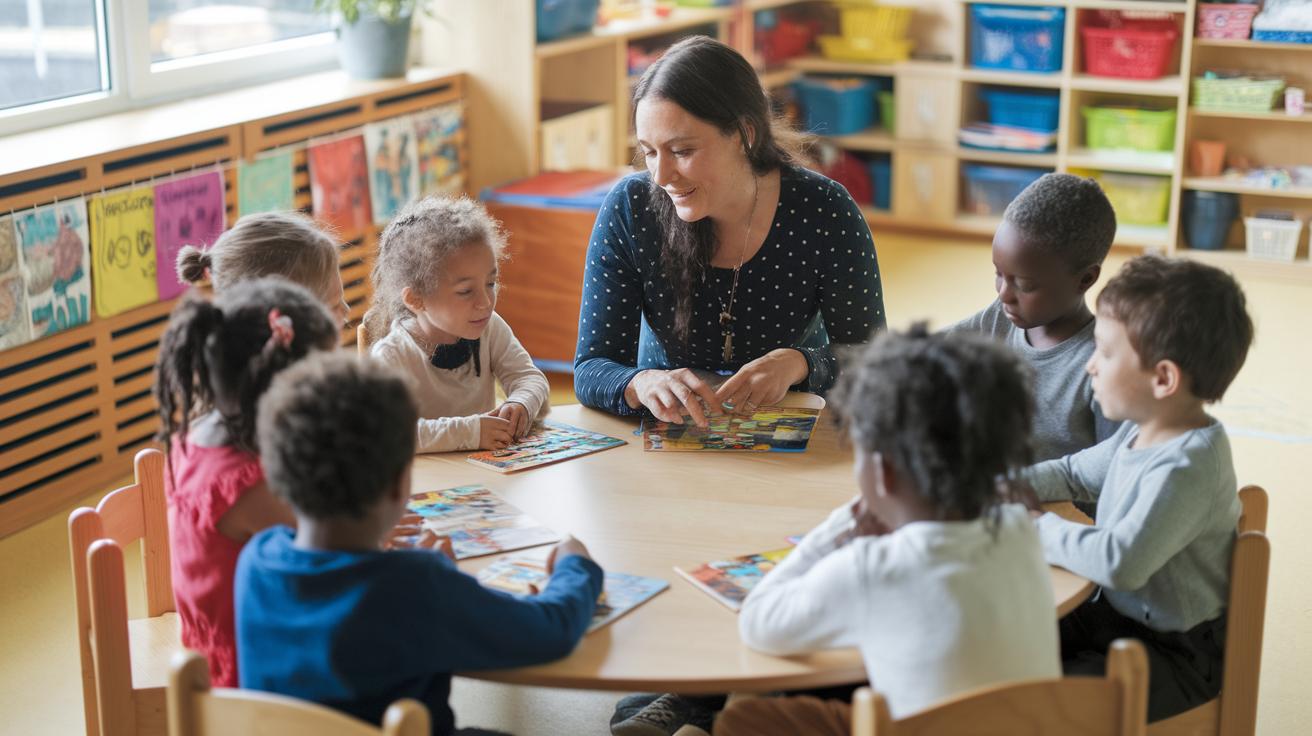
Vygotsky believed that a child’s learning grows best when it happens alongside the people and culture around them. His work, completed years ago, showed that talking, playing, and sharing ideas really help kids learn. Have you ever watched a child solve a puzzle with a little hint from someone caring? It’s a simple way to see how conversation lights up learning.
Instead of saying kids learn only when they’re ready on their own, Vygotsky argued that being supported by others makes a big difference. In classrooms, teachers often help by breaking things down step by step, sharing useful tools, or setting up group activities that fit each child’s current skills. Imagine a child picking up a new skill with a friend’s gentle encouragement, one small push at a time, leading to bigger challenges and more confidence.
Research in schools shows that when teachers create friendly, interactive settings, kids stay engaged longer and remember lessons better. Vygotsky’s ideas remind us that learning is a social journey, where every chat and shared moment builds not only knowledge but also important life skills.
Vygotsky social development theory: Empowering Minds
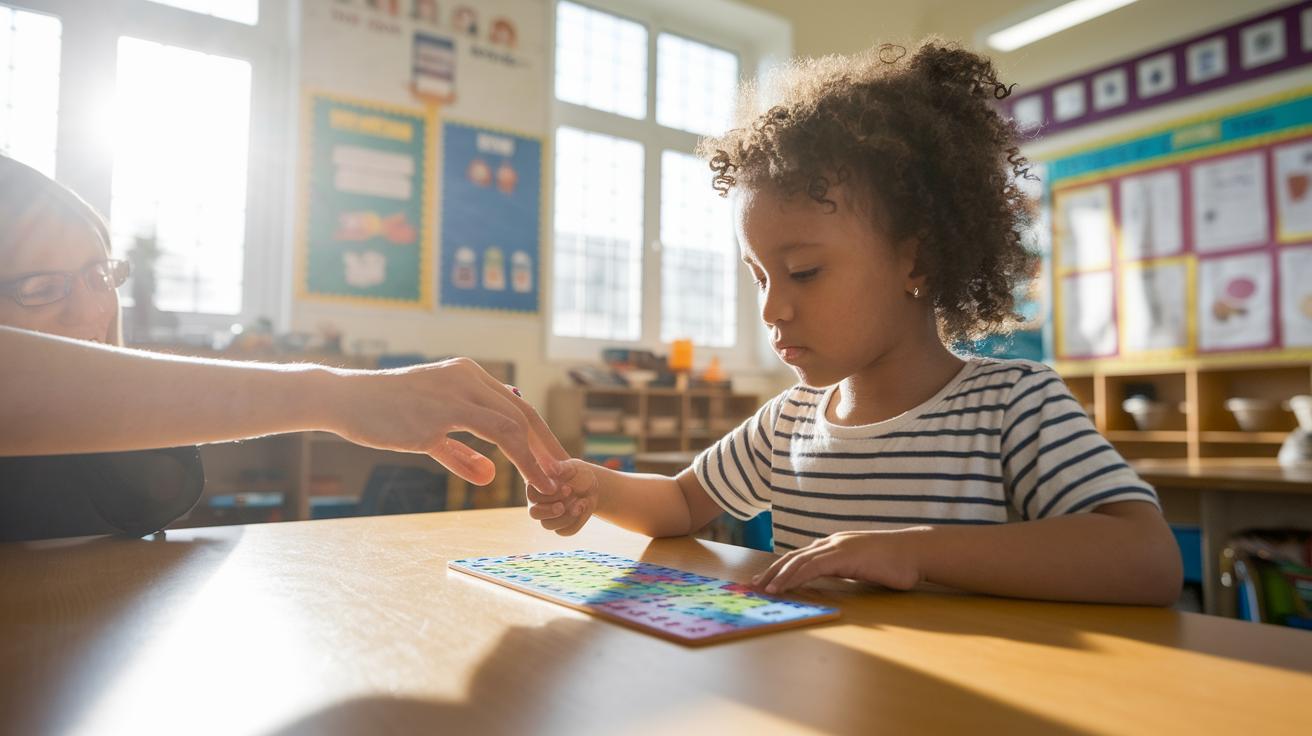
The Zone of Proximal Development, or ZPD, is all about the tasks a child can tackle with a bit of help but can’t quite do by themselves. Think of it like having two clear edges: one where they feel comfortable working on their own, and another where a caring teacher or friend gives that little push to reach new heights.
Imagine a child working on a tricky puzzle. At first, it might seem impossible until a kind friend offers a small hint that helps everything click into place. Isn’t it amazing how a gentle nudge can open up a whole new world of possibilities?
Educators use this idea by first noticing what a child can already do and then providing gentle challenges that stretch their abilities just a bit further. They may show how to solve a problem, ask thoughtful questions, or work side-by-side during tricky moments, all to help bridge that gap between doing something alone and getting a little help.
When teachers set challenges within the ZPD, learning turns into a fun, engaging adventure. It not only builds skills in the classroom but also encourages those warm interactions that deepen understanding and boost confidence.
Applying Instructional Scaffolding Techniques for Effective Learning

Scaffolding is like having a friendly hand guide you one step at a time. It meets every learner where they are with clear, gentle support. One way teachers do this is by modeling. They show how to tackle a task while talking through each step. For instance, a teacher might solve a math problem out loud, saying things like, "I’m checking each part to be sure nothing is missed." This helps students see what successful work looks like in real time.
Another neat method is the think-aloud. When educators share their own thought process, students pick up on the reasons behind every choice. Imagine your teacher reading a story and pausing to explain why a character might feel a certain way. Such moments make it easier to connect ideas with feelings and choices.
Then there’s the art of asking careful questions. When teachers ask, "What do you think happens next?" or "How might you solve this problem?" they invite kids to think critically while staying comfy in their learning zone. Along with thoughtful questions, teachers drop little hints, cues that nudge students toward an answer without giving it all away.
Working together in pairs or small groups is another big part of scaffolding. When friends share their ideas, they help each other grow. This teamwork not only boosts confidence, but also deepens understanding through real conversation and shared struggle.
Finally, a key part of scaffolding is slowly taking a step back. As students get better, teachers reduce the help bit by bit. Early on, you might get lots of hints, but as you start doing things more on your own, that support fades away gently. Studies show that when help is just right for each student’s level, learning becomes stronger and lasts longer.
So, when support fits each kid just right, they grow more confident and ready to tackle challenges all on their own.
Vygotsky social development theory: Empowering Minds

Educators build on Vygotsky's ideas by setting up group chats and using tech tools that help kids explore together. When children share their ideas in small groups, everyone's thoughts mix to make learning feel more alive.
Imagine a classroom where students work together on digital puzzles using interactive whiteboards. You might hear one student ask, "What clues do we see here?" while another offers, "I think this pattern might change how we look at the problem." These friendly exchanges not only deepen what they know but also give them the courage to tackle tricky challenges.
Teachers add a modern twist by asking simple questions like, "What do you notice when comparing these ideas?" This kind of chat sparks curiosity and keeps conversations flowing. Recent findings show that mixing older discussion methods with these fun, new tricks helps boost creative thinking and keeps kids engaged.
When group tasks join hands with guided exploration, every child's voice adds to a richer learning experience. This approach builds critical thinking and opens the door to fresh, new insights.
The Cultural-Historical Psychology Model and the Power of Language
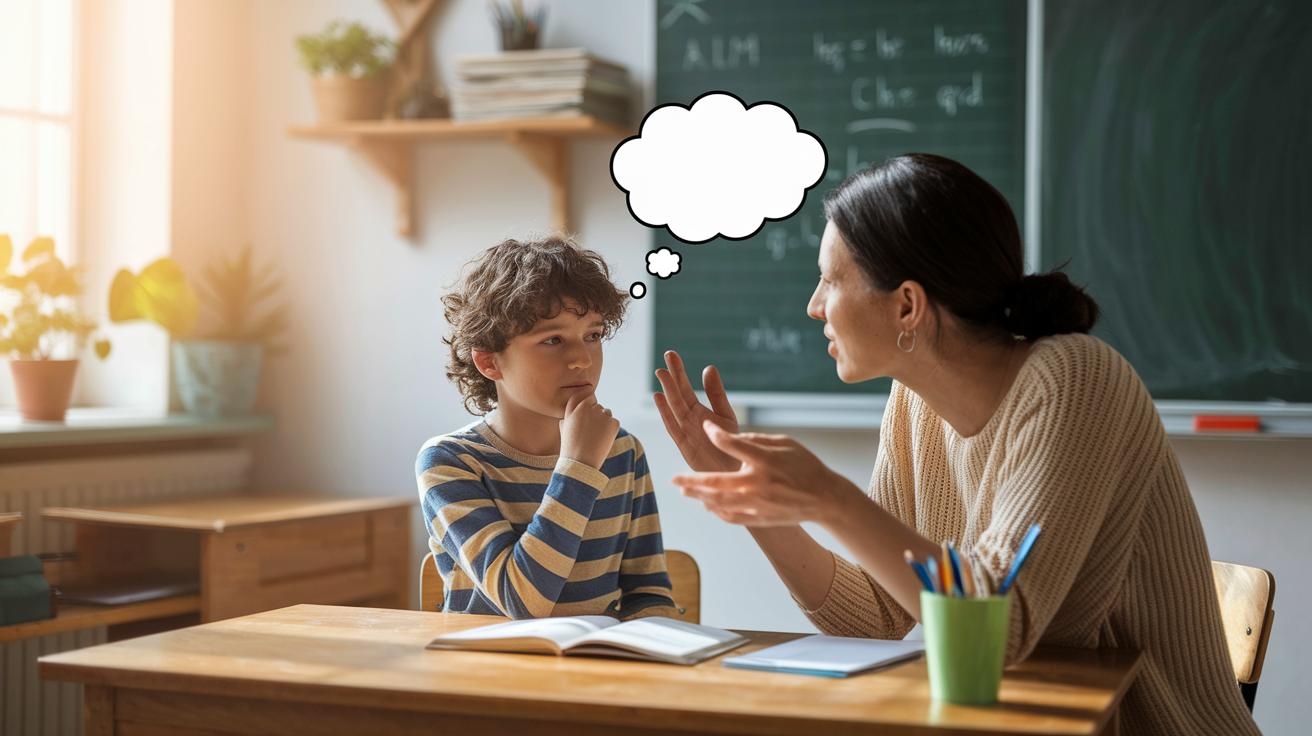
Vygotsky believed that our thinking grows out of how we interact with the world. He saw our minds forming through our everyday experiences with things like books, symbols, and simple daily routines, and by chatting with others. When a parent or teacher explains something new, they’re really helping a child build their thinking right then and there.
A kind teacher’s clear explanation can slowly turn into that quiet inner voice we all carry. Think about a child solving a math problem while softly talking through each step in their head. Many kids even start out by talking out loud before these thoughts become a silent guide inside.
Classrooms that include familiar items, like well-loved books or common symbols, can gently lead children along this path. By linking what they see and hear with what they think, kids learn to manage their own learning better and build strong skills. It’s a reminder that language and our daily culture grow our minds together, one caring conversation at a time.
Comparing Vygotsky’s Approach with Other Developmental Theories

Vygotsky and Piaget both help us understand how kids learn, but they see it in different ways. Piaget believed that children learn mostly by exploring on their own and going through set stages. Vygotsky, though, thought that talking and interacting with others plays a big role in learning. For example, he saw language not just as something that shows what a child already knows, but as a tool that helps grow their thinking. Imagine a child discussing ideas with a friend during playtime, that kind of chat can spark new thoughts much faster than working alone.
Research supports Vygotsky’s ideas by showing that kids often grasp new concepts quicker when they chat with their peers. In classrooms using these ideas, teachers set up group discussions and fun activities where children can build on each other’s ideas. Picture a simple class project where every child adds a bit of insight, gradually lifting everyone’s understanding. It’s a clear reminder of how watching and talking together can boost mental growth.
This approach has also given rise to teaching models that focus on learning together, known as social constructivism. Rather than relying only on tests or teacher-led lectures, these methods let children learn by sharing and building ideas as a team. In truth, sometimes the best way to learn is simply by talking, sharing, and exploring ideas together.
Practical Applications of Vygotsky’s Social Development Theory in Education
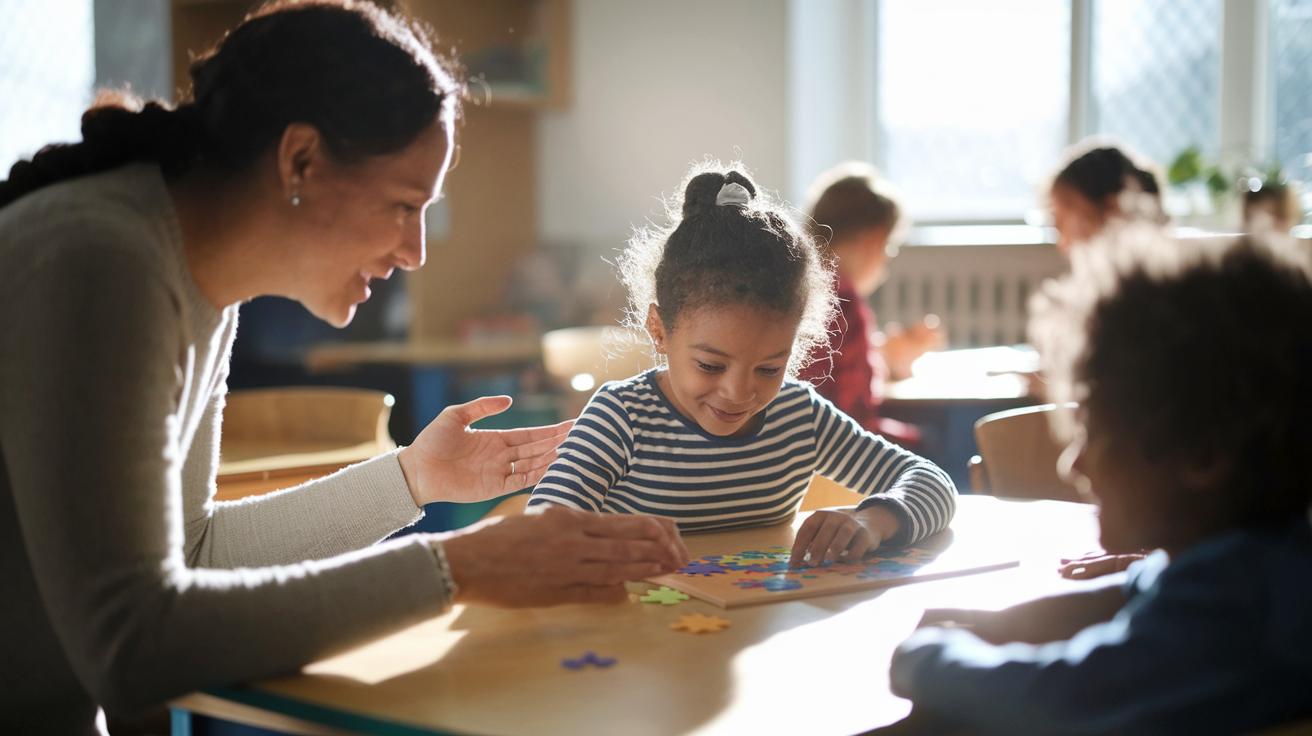
Research shows that when teachers offer a little extra help, like hints during story time or while solving puzzles, kids learn better. In many classrooms, teachers set up fun, play-based tasks where children get just the right amount of guidance. Imagine a child working on a puzzle with a gentle tip from a kind teacher; every small clue helps create a bigger picture.
In schools from kindergarten to 12th grade, teachers often form small groups so kids can chat about ideas and help each other out. By planning tasks around what each child can do with a bit of support, everyone gets a chance to shine. Think of a group exploring a science project together, where each kid shares their thoughts. This kind of peer teamwork not only makes learning more fun, but it also builds confidence and a sense of community.
Even adults learn well with these ideas. In vocational training and work life, experienced mentors guide learners through tricky tasks. They show how to do things step-by-step and give useful feedback along the way. With new tools like AI-assisted lesson planners, teachers can keep a personal touch while matching lessons to each learner’s needs. This mix of old-fashioned mentoring with modern tools offers a flexible and caring learning experience.
| Application Setting | Strategy | Learning Outcome |
|---|---|---|
| Early Childhood | Play-based tasks with guided support | Builds foundational skills and confidence |
| K–12 Education | Peer review groups structured around ZPD | Enhances collaboration and critical thinking |
| Adult Learning | Cognitive apprenticeship with AI-assisted planning | Strengthens real-world skills and independent problem-solving |
Final Words
In the action, the article paints a clear picture of how culture, language, and guided support fuel a child’s growth. It shows how classroom strategies like scaffolding and peer collaboration inspire learning in real-life settings. The discussion offers historical context and practical examples that make key ideas easy to grasp. By weaving together everyday teaching tips and expert insights, the piece reinforces the foundations of vygotsky social development theory while leaving you with a hopeful sense of progress in every learning environment.
FAQ
Q: What does Vygotsky’s social development theory emphasize?
A: Vygotsky’s theory emphasizes that cultural context, social interactions, and language play key roles in shaping a child’s mental growth.
Q: What is the main focus of Vygotsky’s theory?
A: Vygotsky’s theory focuses on how social exchanges and cultural tools support and enhance learning and thinking in children.
Q: What are the four core concepts of Vygotsky’s model?
A: The four key ideas include social interaction, cultural influence, the zone of proximal development (ZPD), and instructional support that helps learners achieve more.
Q: What are the five stages of Vygotsky theory?
A: Vygotsky did not propose distinct stages like five phases; his work highlights continuous learning boosted by social support instead of fixed developmental steps.
Q: How is scaffolded support applied in Vygotsky’s theory?
A: Scaffolded support means offering guidance that matches a learner’s current abilities so they can complete tasks with help, gradually reducing assistance as they improve.
Q: How is Vygotsky’s theory applied in the classroom?
A: Teachers use Vygotsky’s methods by forming peer groups, providing guided activities, and using language and visual aids to make challenging tasks more accessible for each student.
Q: What is an example of Vygotsky’s social learning theory in practice?
A: A good example is a child solving a puzzle with help from a teacher or friend, where support allows them to learn and work just beyond their current skill level.
Q: When did Vygotsky develop his ideas and how do they compare with those of other theorists?
A: Vygotsky developed his ideas between 1896 and 1934, and his work stands apart by stressing social and cultural impact, which contrasts with models focusing on individual or biologically driven growth.
Q: Where can I find PDFs of Vygotsky’s theories?
A: You can locate PDFs on Vygotsky’s social development, cognitive development, and language theories through educational research databases and academic websites.