Have you ever noticed how a little smile can brighten your day? Early smiles and small expressions of feeling set the stage for how we connect with others later on. When children reach these simple milestones, like a baby's first grin or a toddler beginning to understand their own emotions, they're learning important skills for building strong relationships.
This post takes a closer look at these gentle, happy moments that help shape our ability to connect with people. It reminds us that even the smallest changes, like a smile, play a big part in our journey toward understanding and caring for each other.
Understanding Social and Emotional Development Milestones

Social development means learning how to connect with others, while emotional development is about noticing and understanding our own feelings. These milestones are very important because they help build strong relationships, boost self-confidence, and improve our ability to bounce back from challenges. When kids learn these skills early, they create a strong base for success in school, work, and everyday life.
Emotional awareness is simply knowing what you feel, whether you're happy, sad, or frustrated. And social-emotional skills take that inner understanding and help you interact kindly with others in your daily life. It’s a bit like learning to pick up on little signals that explain how you and others are feeling.
- Self-awareness
- Self-management
- Social awareness
- Relationship skills
- Thoughtful decision-making
These five simple areas are like building blocks for every stage of growing emotionally and socially. As we look at different age milestones, we can see how infants, toddlers, preschoolers, and older kids learn to show their feelings and interact with the world. For instance, when a caregiver knows a child’s stage of self-awareness, they can offer caring guidance at just the right time. Have you ever noticed how a little extra attention can spark a big leap in a child's progress?
Social and Emotional Development Milestones: Joyful Progress

Infancy is such a gentle time, a period where every little smile or touch helps build a warm connection. When a baby smiles around 2 months, it's like a quiet "hello" that hints at all the feelings they'll learn to share later. These soft moments are the very first steps toward forming a deep bond with those who care for them.
- Social smiling (around 2 months)
- Eye-contact and watching faces
- Beginning of stranger anxiety (around 6–9 months)
- Reaching out for comfort from a caregiver
- Using simple words for feelings (like “happy”) by about 18–24 months
- Cooing back and forth as if in a gentle conversation
Simple acts, such as a caregiver returning a smile or softly saying, "You look happy," can do wonders. These caring interactions not only build trust but also help a baby learn to recognize and name their emotions. Every heartfelt moment, whether big or small, plays a part in nurturing a child’s social and emotional growth.
Toddler Social and Emotional Milestones (2–4 Years)
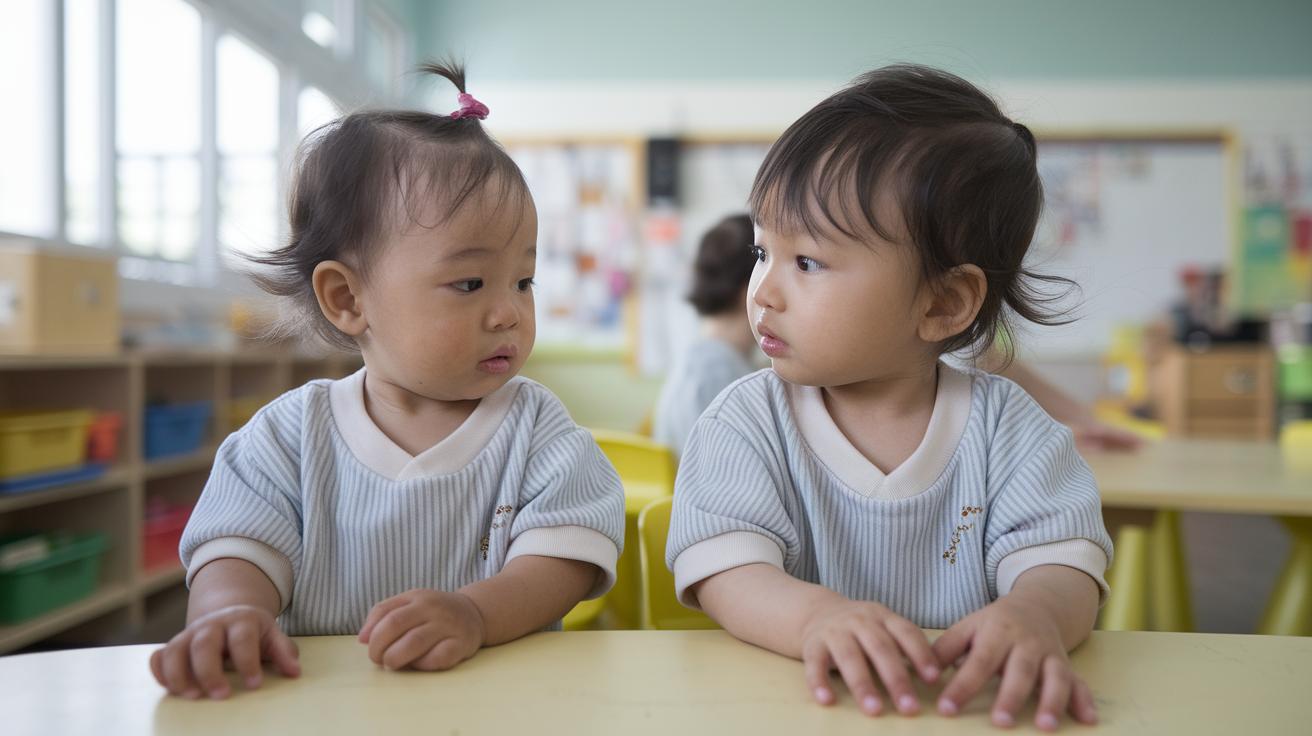
Watching toddlers grow is truly amazing as they explore new feelings every day. Around age 2, kids start sharing by offering toys and joining in with what others are doing. Their words are simple, sometimes just a two-word phrase like "I sad", but it shows they are learning to say how they feel. At this stage, they often play side by side with other children, which is a big step toward learning to interact and have fun with friends.
By age 3, many toddlers notice when someone is upset and gently ask, "Are you okay?" This shows they are beginning to care about how others feel. Even if their reaction to small problems feels very strong, it’s just part of learning that all feelings, no matter how big, eventually calm down.
Milestones for 2- to 3-Year-Olds:
- Begin to share by offering toys
- Use simple two-word phrases to express feelings, like "I sad"
- Enjoy playing side by side with other children
Milestones for 3- to 4-Year-Olds:
- Learn to name basic emotions in themselves and others
- Start playing together using simple rules
- Show care by asking if someone is sad
- Say how they feel using words
- Offer a favorite comfort item to someone upset
- Model deep breaths when feeling big emotions
- Use kind phrases like "It’s ok to be mad"
- Find a quiet spot when overwhelmed
- Distract with a favorite song or story
- Get praised for calming down
Every small step builds a strong foundation for handling emotions and growing socially. When caregivers gently name feelings, saying something like, "I see you’re feeling upset," or help a child find a quiet place during a tantrum, they teach healthy habits for managing emotions. These everyday moments not only support sharing and play but also nurture a caring way to handle feelings. By noticing and encouraging these milestones, parents and caregivers help children learn that every emotion is normal and manageable, paving the way for even more growth in their social lives.
Preschool and Early Childhood Milestones (4–6 Years)
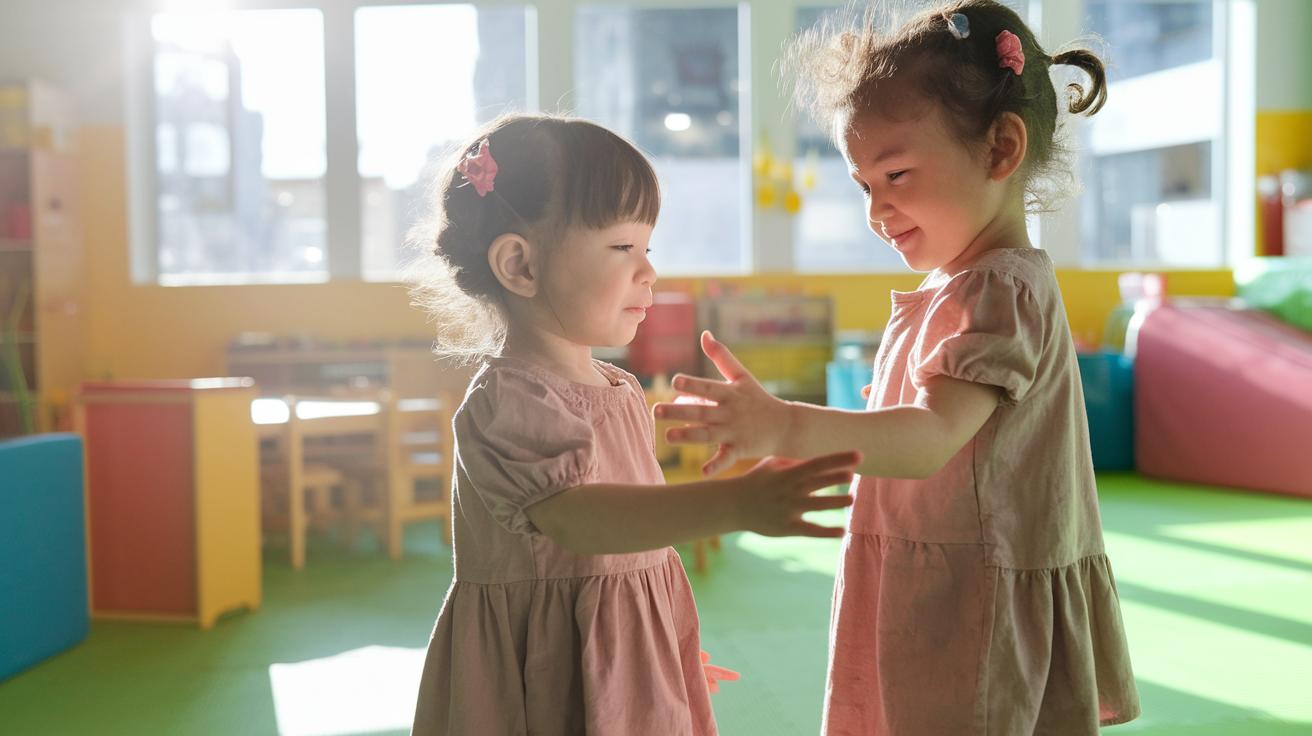
The preschool years are full of energy and discovery. At this age, children start to understand more about themselves and the world around them. When kids turn four, they love to play pretend and work together while learning that feelings go beyond just happy or sad. By the time they reach five or six, they begin to follow simple group rules and build close friendships. They also learn to share their feelings in clear ways and talk about small disagreements. This growing awareness lays the foundation for strong social bonds and emotional growth.
| Age | Social Milestones | Emotional Milestones |
|---|---|---|
| 4 Years | Pretend play with friends, basic taking turns | Notices mixed feelings, talks about emotions |
| 5–6 Years | Follows group rules, makes close friends | Shares feelings, works through small conflicts |
Family talks and fun activities play a big role in supporting these milestones. Parents and caregivers can invite preschoolers to join in simple games with rules that spark conversations about feelings and friendships. For example, you might ask each child to share what made them feel excited or a little down. This kind of sharing helps them learn that it’s safe and helpful to use words when they describe their feelings. Creative play, like role-playing or art projects that focus on emotions, helps little ones see how actions impact others. As families spend time doing these activities, they softly set the stage for the more structured environment of prekindergarten. When children regularly talk about their feelings at home, they can more easily join group activities, follow rules, and form lasting friendships, all while feeling loved and understood.
Recognizing Developmental Red Flags in Social and Emotional Growth
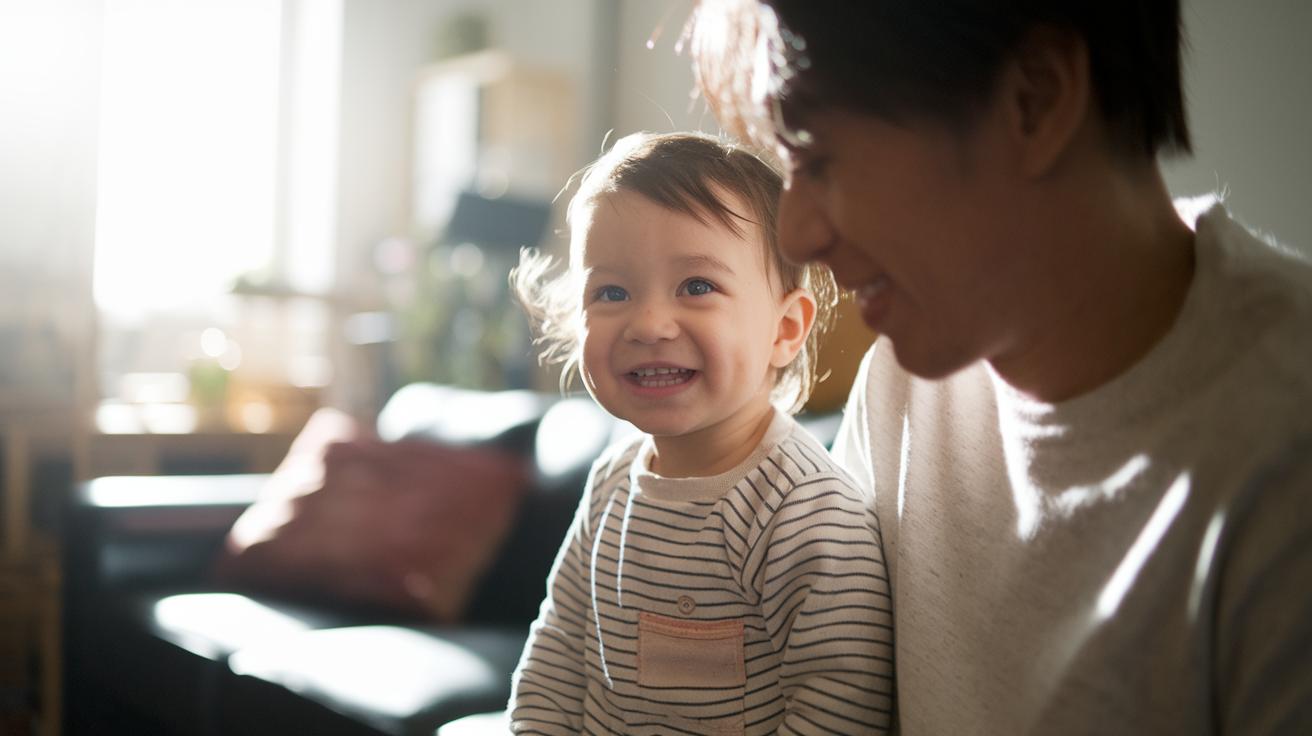
Watching your little one grow and change is full of beautiful moments, and sometimes a few puzzles, too. Remember, every child blossoms at their own speed, so differences in how they show emotion are normal. But there are a few signs that might mean it’s a good idea to get a little extra guidance. Catching these signs early means you can help your child get the support they need.
Some things to look for include:
- Not smiling socially by 6 months
- Rarely making eye contact by 9 months
- Not wanting to share or take turns by age 4
- Tantrums that go on for more than 30 minutes
- Often keeping to themselves or showing fear around other kids
- Having a hard time calming down even with your help
If these signs start to show and you feel uneasy, it might help to chat with a child development expert. A friendly conversation can clear things up and guide you on how best to support your child’s social and emotional growth.
Practical Strategies to Foster Social and Emotional Milestones

Every day brings little chances to chat and share feelings in a loving way. Think about dinner time where you can share stories from the day or a fun game that helps show emotions. Even a simple remark like, "I feel happy when we sit together," reminds your child that it’s okay to talk about how they feel.
Here are some easy ideas to try:
- Practice using emotion words every day.
- Show your child how to talk about your own feelings in a calm way.
- Enjoy storytime and talk about how the characters might be feeling.
- Play role-playing games that teach sharing and waiting for turns.
- Create a “calm-down” spot where you both take a few deep breaths.
- Encourage your child to play in small groups to learn about friends.
- Celebrate moments of kindness by saying things like, "I saw you help because your friend was sad."
- Chat as a family about any little conflicts and think of ways to solve them together.
Using these steps every day helps your little one feel safe and understood. When you add a bit of praise along the way, it builds up the strength they need to manage their feelings and be kind to others. And remember, every child is a bit different, so feel free to tailor these ideas to fit your child's unique way of learning. Little moments add up and make it easier for your child to build lasting, loving relationships.
Final Words
In the action, we explored how little ones build social and emotional awareness from the first smile to early cooperative play. We talked about understanding feelings, learning to share, and spotting signs that may require extra care. Each stage, from infant cues to preschool group skills, is part of a natural progression. Everyday strategies, gentle guidance, and supportive play can help boost these key areas. Embrace every step and celebrate the social and emotional development milestones along the way.
FAQ
What does a social and emotional development milestones PDF cover?
The social and emotional development milestones PDF covers age-specific markers, highlighting when children begin to form emotional awareness and social skills that support lifelong well-being.
What are typical social development milestones for children ages 0–3 years?
The social development milestones for children ages 0–3 years include early social smiles, eye contact, stranger anxiety, and simple emotion labeling, which help lay the foundation for later interactions.
What should be included in a social and emotional development milestones checklist?
A milestones checklist typically features key behaviors like bonding cues, social smiling, sharing patterns, and early emotion labeling, offering a practical guide for tracking developmental progress.
What are some social-emotional development examples in young children?
Social-emotional development examples in young children range from responsive cooing and turn-taking in infancy to sharing, empathy, and basic cooperation seen in toddlerhood and preschool years.
How do social and emotional development milestones differ for children aged 3–5 years compared to 5–7 years?
In children aged 3–5 years, you see the emergence of identifying and naming more complex emotions and beginning cooperative play, while 5–7-year-olds generally follow group rules, resolve simple conflicts, and form closer friendships.
What stages are involved in social and emotional development during early childhood?
Early childhood development includes stages such as developing self-awareness, learning self-management, building social awareness, honing relationship skills, and practicing thoughtful decision-making.