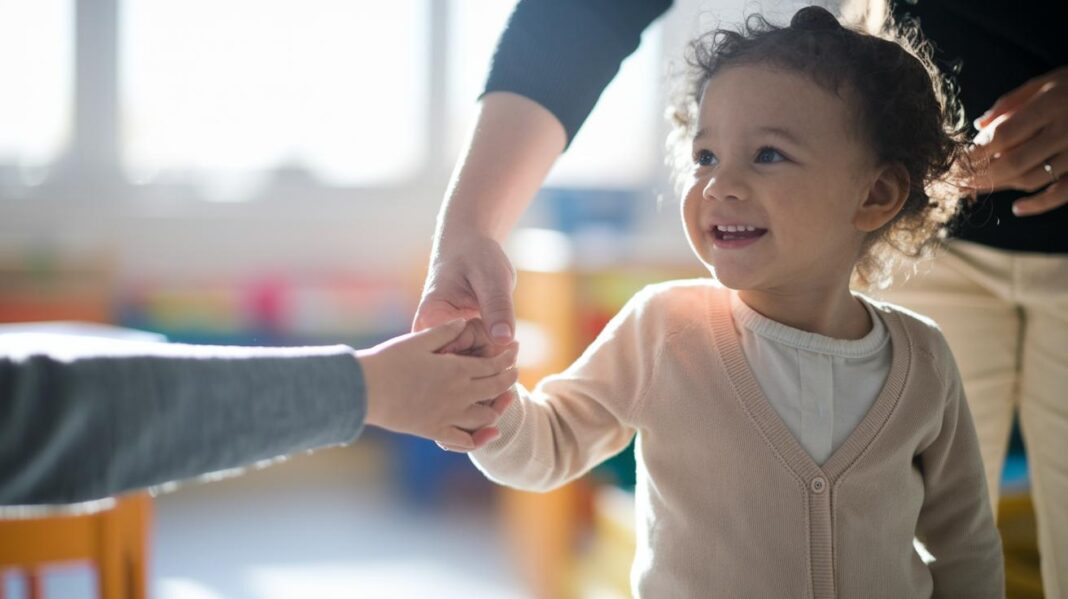
Have you ever thought about why a smile can spread so easily? Social skills help us talk, listen, and connect every day, whether we’re at play or just chatting.
Think of Mia, a little girl who injects fun into her pretend play. Even a short conversation with her shows how simple talks can create caring bonds.
This article shares easy ways to help kids understand their feelings and make genuine connections. We’ll explore simple steps to turn everyday chats into warm friendships.
Social Skills Development: Embrace Positive Connections
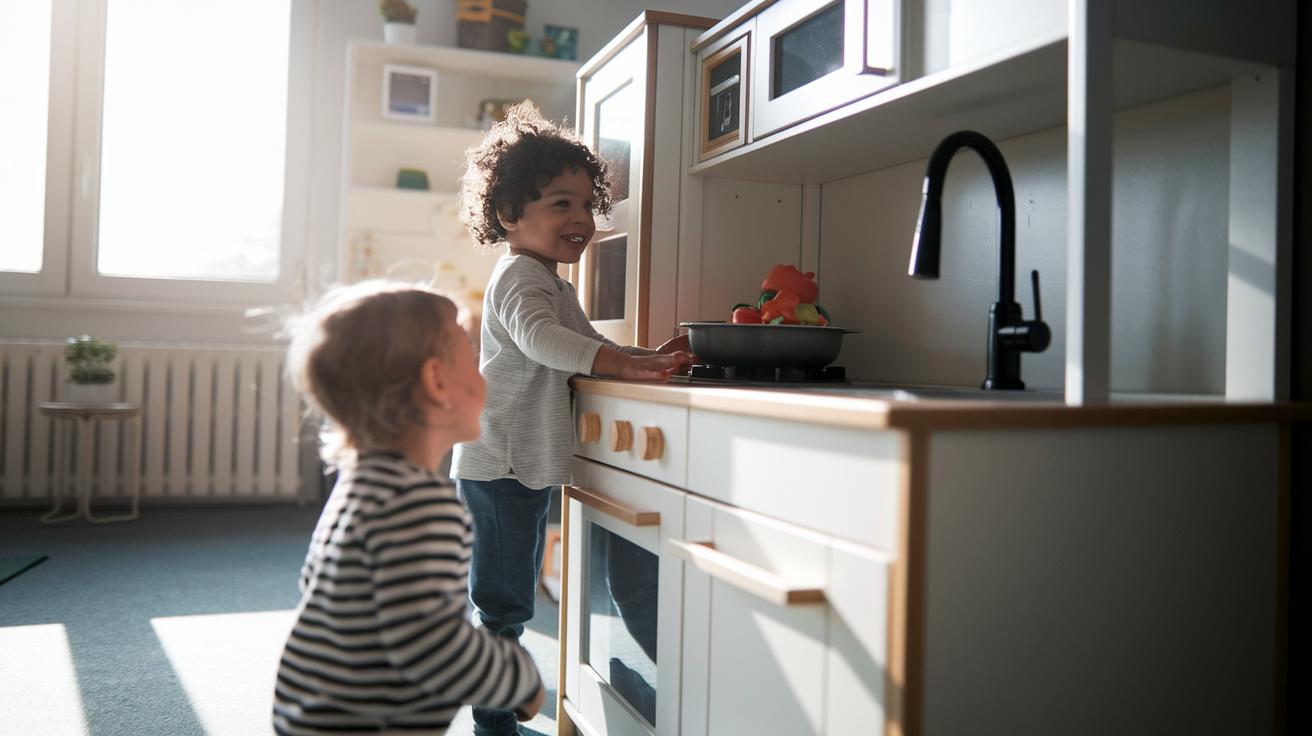
Social skills development is all about learning how to talk, listen, and enjoy time with others in everyday life and play. It helps us understand how to share our ideas and express our feelings clearly. Think of a little child playing pretend, when Mia played chef, she learned to listen to her friends' ideas for their make-believe restaurant menu. These simple, fun moments are the building blocks for strong, caring relationships.
We can try practical ways to build these skills, like really listening and watching how others show their feelings through body language. Role-playing games can be a fun way for kids to play out how to share and handle little disagreements. It’s sort of like a game where one child tells a story and the others guess the emotions behind it, imagine a puppet show where smiles and frowns help tell the story of happiness or sadness.
Sometimes, parents or teachers might ask kids how they feel about talking in a group or watching how they take turns during play. These little check-ins are a great way to see progress and celebrate even small wins. In the end, using these friendly techniques helps children develop stronger, more positive connections with the people around them.
Enhancing Emotional Intelligence for Social Skills Development

Understanding our emotions is a big step toward feeling confident with others. It means knowing how we feel and noticing the feelings of those around us. When kids learn to spot feelings like joy, sadness, or even a bit of frustration, they start to build empathy and connect better with friends. It’s much like learning a simple language of feelings that helps them forgive, work together, and solve little disagreements.
Fun activities like acting out different roles, playing games to match feelings, or sharing stories can really boost emotional skills. Imagine one child pretending to be startled while another shows care, that small act can spark a chat about what these feelings look like. Even a little puppet show where each character shows a different emotion lets kids explore and talk about what each feeling means.
A few handy tips to keep emotions steady include taking a deep breath when things feel tense and using short, three-word phrases to name feelings during tough moments. Encouraging a pause to think before responding can help everyone stay calm. And after a small conflict, a quick, gentle discussion can teach kids how to express their feelings in a caring and clear way.
Interactive Play Methods for Social Skills Development in Children
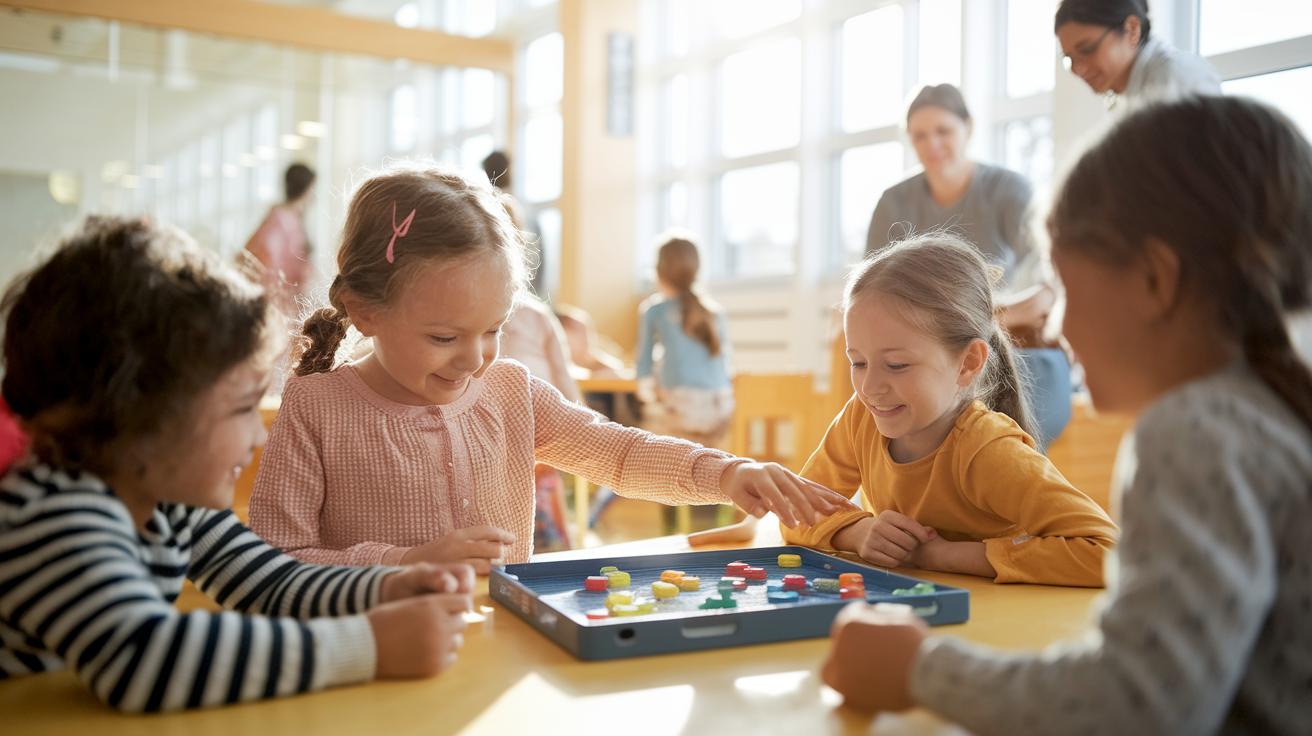
When kids play together in a relaxed and fun setting, they learn how to connect with one another. Small group games give them a chance to practice taking turns, really listening to friends, and finding gentle ways to work through little disagreements. Plus, when they share creative play moments, their talking skills and confidence grow.
Parents and teachers can use these playful activities to create a warm and supportive space for every child. These fun games help kids think on their feet, work together, and read nonverbal cues, all naturally and enjoyably. And, by learning to manage small conflicts, they build a strong foundation for making friends and communicating well.
- Puppet Shows: Kids use puppets to act out simple stories, sparking creativity and boosting language skills.
- Simon Says: A lively game that helps sharpen listening skills and encourages good self-control.
- Building Towers: Working together to stack blocks teaches teamwork and problem-solving.
- Jigsaw Puzzles: Solving puzzles with friends improves spatial awareness and cooperative play.
- Passing a Ball: Playing in a circle helps kids practice taking turns and sharing.
- Telephone Game: Passing a secret message along boosts clear communication.
- Emotion Charades: Acting out different feelings helps children learn to identify and express emotions.
- Name Game: A fun icebreaker that strengthens memory and helps everyone feel more connected.
Academic Communication and Social Skills Development
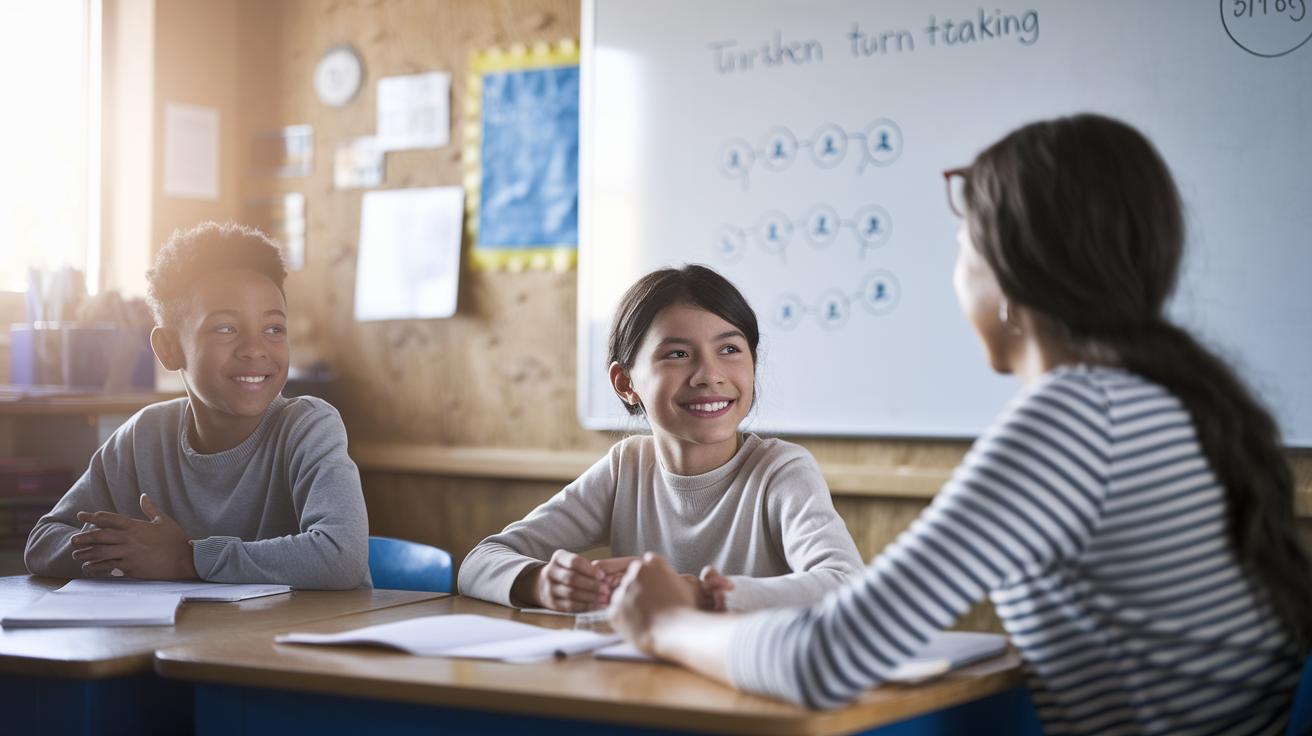
Talking at school or work can sometimes feel a bit tricky. Whether you're a kid or an adult, finding the right words, taking turns to chat, and really listening to each other isn’t always easy. It’s even more noticeable when we move from playful learning to more structured conversations, like in class or at meetings.
One way to help is by using simple ideas like planned turn-taking, fun icebreakers, or rounds where peers ask each other questions. For instance, storytelling activities can build vocabulary while showing how to recognize and talk about emotions. It’s a neat way to learn how to listen carefully, wait for your turn, and ask meaningful questions, making discussions feel natural and respectful.
Working as a team becomes smoother when everyone gets a chance to lead or share, with teachers or group leaders giving clear hints along the way. Little tasks, like summarizing what was said or asking a follow-up question, give everyone a chance to contribute. This way, every voice matters, and conversations turn into engaging, effective exchanges.
Confidence-Boosting Exercises for Social Skills Development
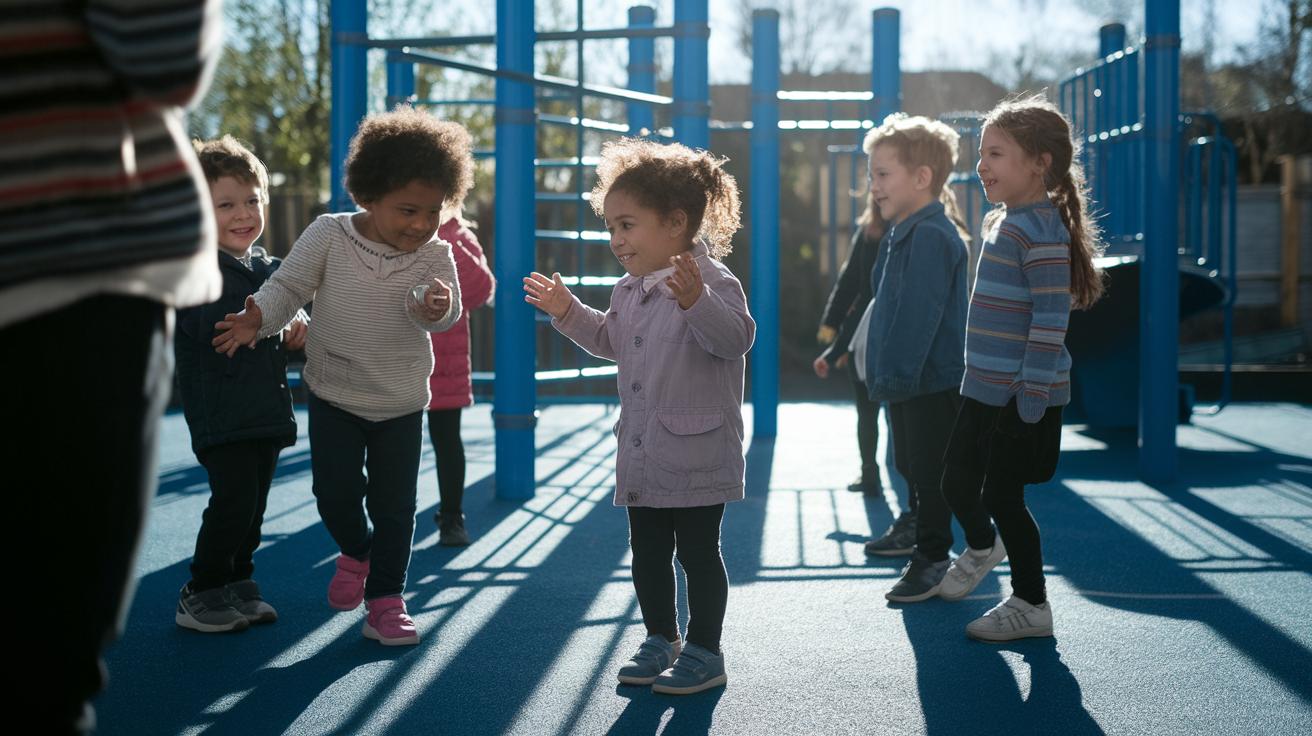
Many kids and adults sometimes feel a bit nervous when meeting new people or joining group activities. It can be hard to know what to do in a busy crowd, and things like avoiding eye contact or worrying about saying something silly might hold you back. Imagine a child hesitating to share a fun idea on the playground because they’re not sure if it’s welcome. These little blocks of uncertainty can make social moments feel really daunting.
There are some fun exercises you can try, both alone and with others, to help ease those worries. For example, you might try an eye-contact game. Think of it like a mini staring contest where kids look into each other’s eyes for just a few seconds, learning that a calm, friendly look can start a connection. Or, you might do a trust walk where one child guides another with gentle words, which helps show how relying on someone can feel safe. And when you add a twist of improv storytelling, each person adding a sentence to a silly story, it can lighten the mood and make talking easier.
Building confidence is all about taking small steps over time. It helps to make these exercises part of a regular routine, so everyone gets a chance to practice and notice little wins. Maybe today someone makes better eye contact, and tomorrow they share more during play. Little by little, these small improvements become stepping stones to a bigger sense of self-assurance.
Measuring Progress in Social Skills Development

It can be really helpful to set clear goals for social skills so you can see how much everyone is growing. When you use goals that are clear and measurable (often called SMART goals), everyday interactions become chances to learn more about yourself. For example, noticing when a child holds eye contact or listens carefully shows real progress in managing relationships. And when you take a few moments for self-reviews or friendly check-ins, you can see how empathy and fairness are naturally developing as everyone learns to share space and ideas.
Tracking progress is easier when you have simple ways to measure important skills. Below is a table that highlights four key social skills and describes how you might see them in action. This little guide is perfect for regular self-checks or group activities, helping you spot improvements and know where a bit more focus might be needed.
| Social Skill | Measurement Method |
|---|---|
| Eye Contact | Watch for steady, calm eye contact during chats |
| Active Listening | Check if someone responds well or repeats what they heard |
| Empathy | Notice if someone picks up on others’ feelings during conversation or role-play |
| Turn-Taking | See if everyone gets a fair chance to speak during group activities |
Final Words
In the action, we explored key strategies to help grow strong social skills development, like using playful activities and practical exercises. We shared ideas on boosting communication, building rapport, and tracking progress in both informal and academic settings.
This piece highlighted ways to improve interpersonal connections and self-confidence through clear, evidence-based tips. Stay inspired by the simple steps you can take today to nurture your child’s social skills development, one meaningful moment at a time.
FAQ
What does social skills development pdf offer?
The social skills development pdf outlines guidelines, examples, and step-by-step methods that help build communication abilities and self-confidence through clear, practical exercises for all ages.
How does social skills development in adults work?
The social skills development in adults focuses on activities like active listening, role-playing, and small group discussions to foster better interpersonal connections and improve everyday communication.
What are some social skills development examples?
The social skills development examples show practices like sharing stories, engaging in group games, and role-playing scenarios that enhance empathy and conversation skills for various age groups.
What types of social skills development activities exist?
The social skills development activities include interactive games, role-playing exercises, and group dialogues designed to practice effective communication, empathy, and patience in everyday settings.
How can social skills be developed in students and classrooms?
The approach for students in classrooms involves structured turn-taking, peer-led discussions, and role-playing exercises that build communication skills, self-confidence, and respectful interactions.
What are the 5 core social skills?
The 5 core social skills include listening, speaking, empathy, cooperation, and conflict resolution—each serving as a foundation for positive interactions and effective communication.
What are the 7 areas of social emotional development?
The 7 areas of social emotional development cover self-awareness, self-regulation, motivation, empathy, social skills, relationship building, and decision making, all essential for managing emotions and interactions.
How can I improve my social skills?
The social skills improvement process involves practicing active listening, using role-play exercises, seeking peer feedback, and gradually taking on more complex social interactions to boost confidence.
Can you give an example of social skills?
An example of social skills is using turn-taking during a conversation, showing how active listening and patience lead to respectful, meaningful exchanges in everyday interactions.