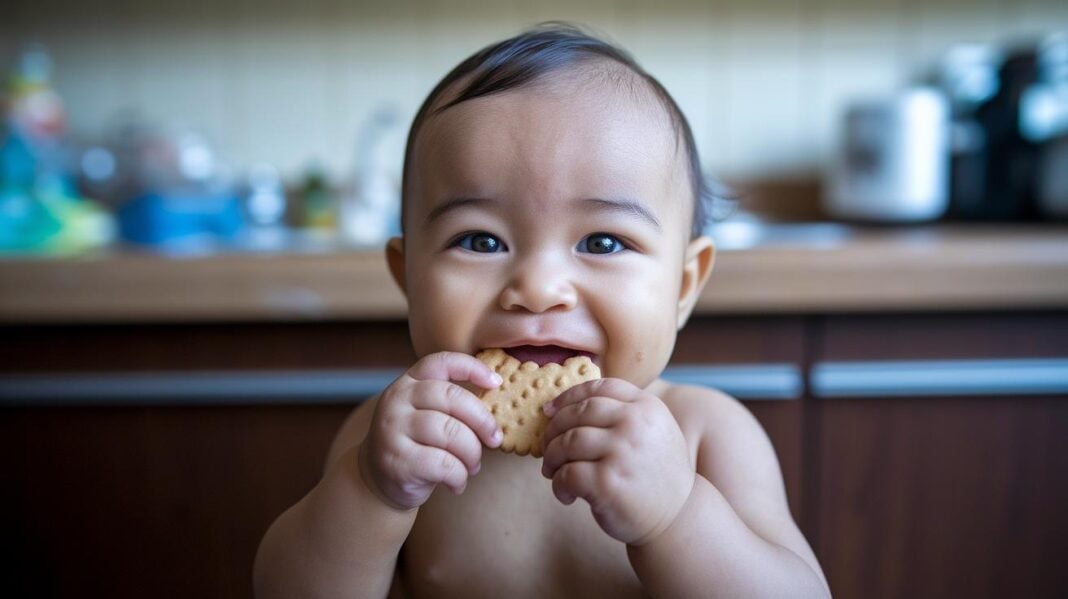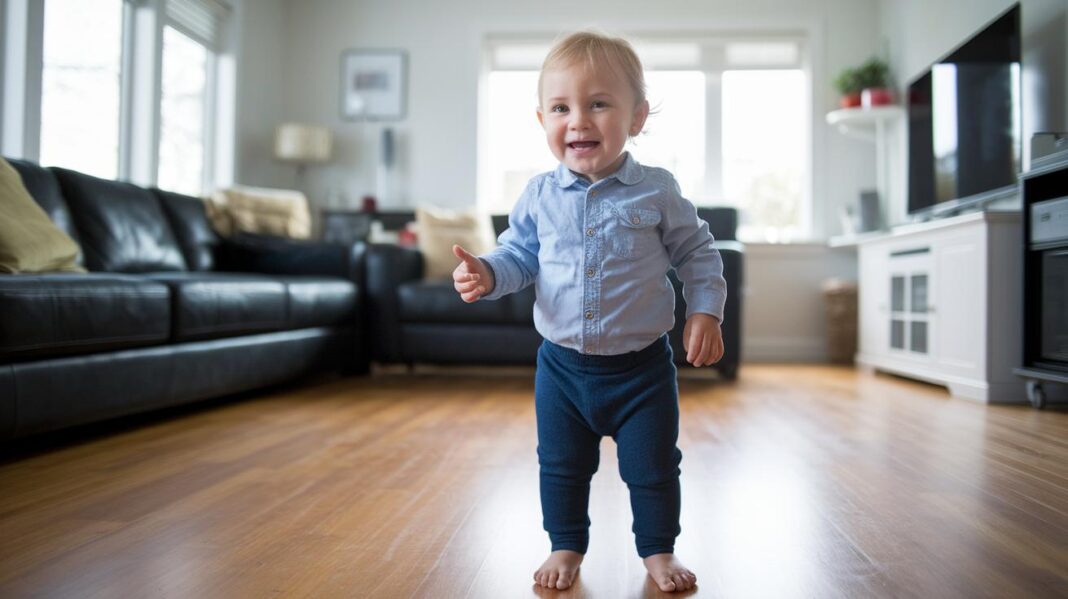
Have you ever noticed how a baby's gentle head lift hints at big strength to come? Every little push, grasp, or crawl shows that even small moves can set the stage for larger achievements. When we see these age-specific motor milestones, they remind us of a natural, steady growth that fills us with hope and helps our little ones become more independent. Let's take a moment to celebrate these everyday wonders, remembering that each tiny step is a part of a beautiful journey toward a thriving future.
Overview of Age-Specific Motor Development Milestones
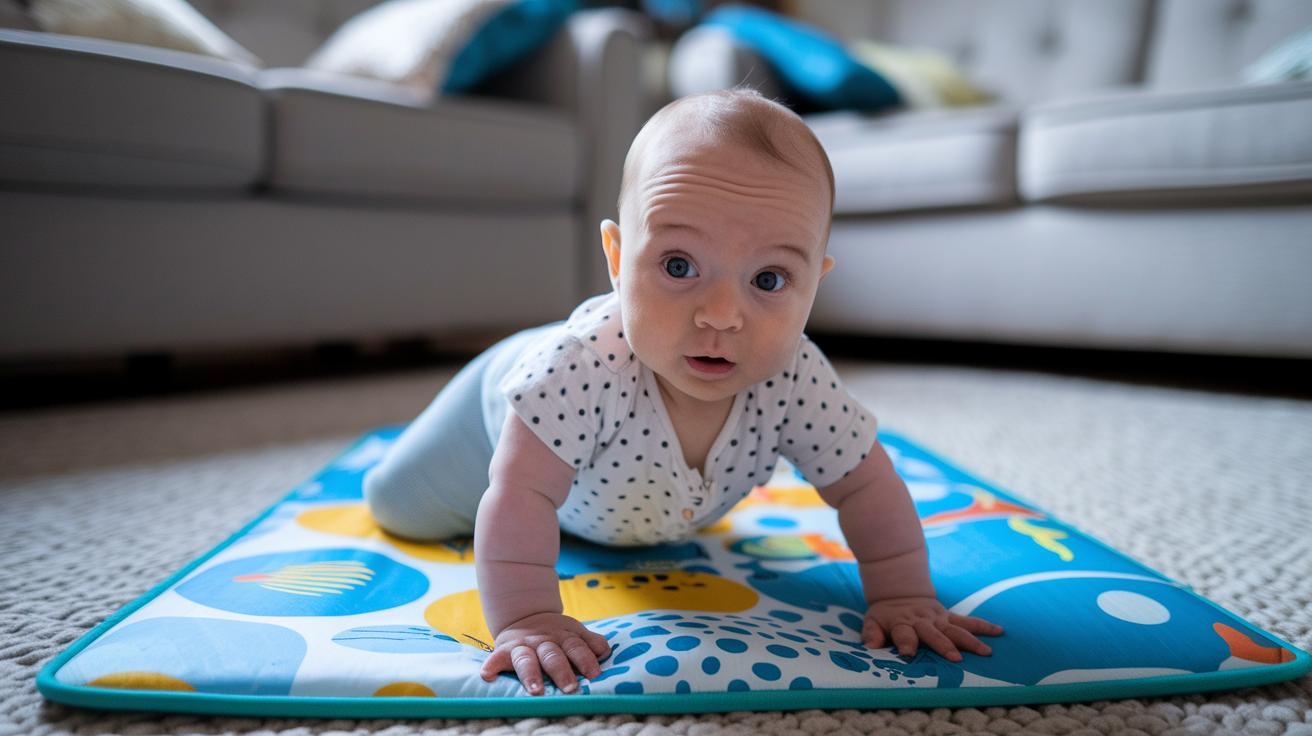
Motor milestones show us the important steps a child takes as they grow. They help us see clear differences between big, strong movements and the smaller, careful actions. For example, when a baby lifts its head during tummy time, it’s a sign of growing strength. At birth, only about 5% of babies can do it, but by 1.5 months half of them manage, and almost all (95%) are doing it by 4 months. Similarly, pushing up onto forearms is a key marker, with 10% of babies doing it around 1.6 months and 90% by 3.8 months.
At around 2 months, babies begin to hold objects, even though their grip is still a bit wobbly. As their hand skills improve, you’ll notice them shaking a toy or even moving it from one hand to the other more steadily, only about 10% succeed at this by 4 months while most (90%) can do it by 7 months. Next, as they grow older, their big movements shine through: belly crawling starts around 7 months, then crawling on hands and knees appears around 8 months, and little kicks at a ball become more purposeful from clumsy attempts at 12 months to skillful movements by 17 months. This steady change from simple reflexes to careful and intentional actions shows how both large and small muscle moves become more refined over time.
| Age Range | Gross Motor Skills | Fine Motor Skills |
|---|---|---|
| Newborn–2 mo | Brief head lift; light push onto forearms | Grasp reflex; brief rattle hold |
| 3–5 mo | Improved head lift; stronger push-ups | Reaches for toys; begins grasping objects |
| 6–8 mo | Rolling; sitting unassisted; belly crawl starts | Shakes toys; transfers objects between hands |
| 9–11 mo | Crawling on hands and knees; assisted standing | Manipulates small items; emerging pincer grasp |
| 12–14 mo | Creeping and first independent steps | Opens board books; holds small pieces steadily |
| 15–18 mo | Assisted stair climbing; walking backward | Stacks 2–3 cubes; uses an overhand marker grip |
| 19–24 mo | Running begins; step-to stair climbing | Improved stacking; turns pages one at a time |
| 2–3 yrs | Balances on one leg for seconds; alternating stairs | Stacks 8–10 blocks; draws simple lines and circles |
| 3–4 yrs | Enhanced balance; kicks a ball; jumps | Uses scissors; button manipulation; doodles shapes |
| 4–5 yrs | Hops, skips, and makes longer strides | Draws squares; cuts simple shapes; consistent hand use |
Age-Specific Motor Development Milestones: Birth to 2 Months
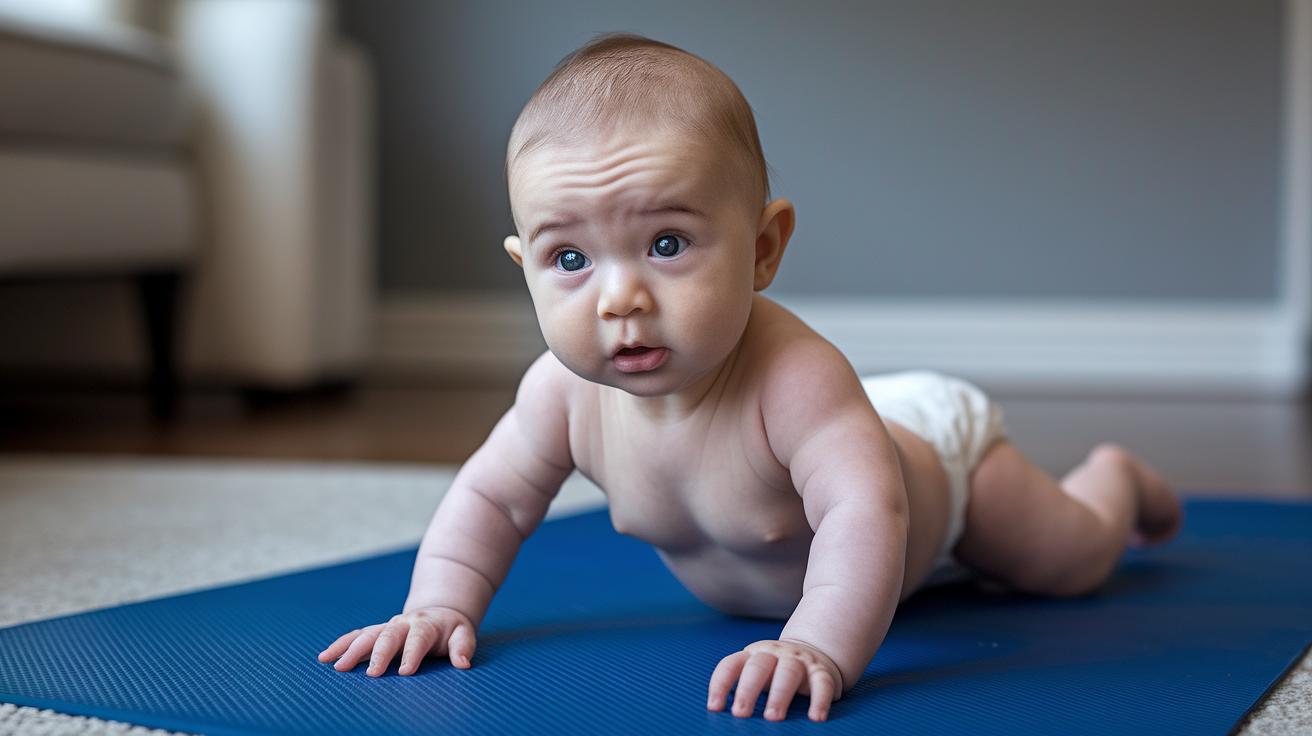
We've now woven in details about early head lifts during tummy time, gentle forearm push-ups, and the grasp reflex (like a quick rattle hold or bringing hands to the mouth) into our overall look at motor skills. Instead of separate sections, you'll notice a gentle note about that subtle head lift, it's a small but promising step toward better head control.
Age-Specific Motor Development Milestones: 3 to 5 Months
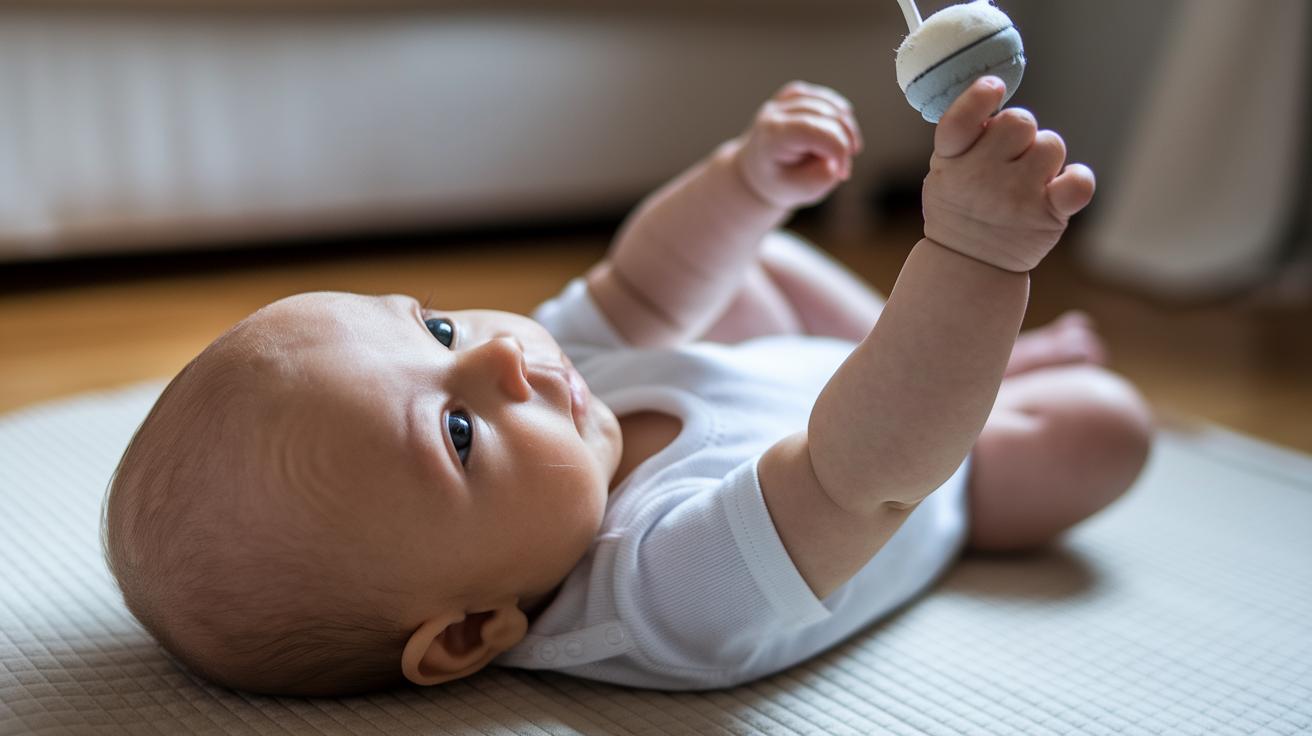
At this stage, babies start to show better head control. During tummy time, they push up a bit higher on their forearms, and you might see them reaching for a toy. Imagine a little hand stretching toward a dangling rattle, it’s a sweet sign that their little reflexes are turning into intentional actions.
They also begin to move objects from one hand to the other. These early experiments with grasping and shaking toys lay a gentle foundation for the fine motor skills they’ll use as they grow.
| Milestone | Details |
|---|---|
| Head Control | Pushing up stronger on forearms during tummy time |
| Reaching for Toys | Reaching out to a dangling rattle as a sign of growing intention |
| Hand-to-Hand Transfers | Starting to move objects from one hand to another |
Age-Specific Motor Development Milestones: 6 to 8 Months
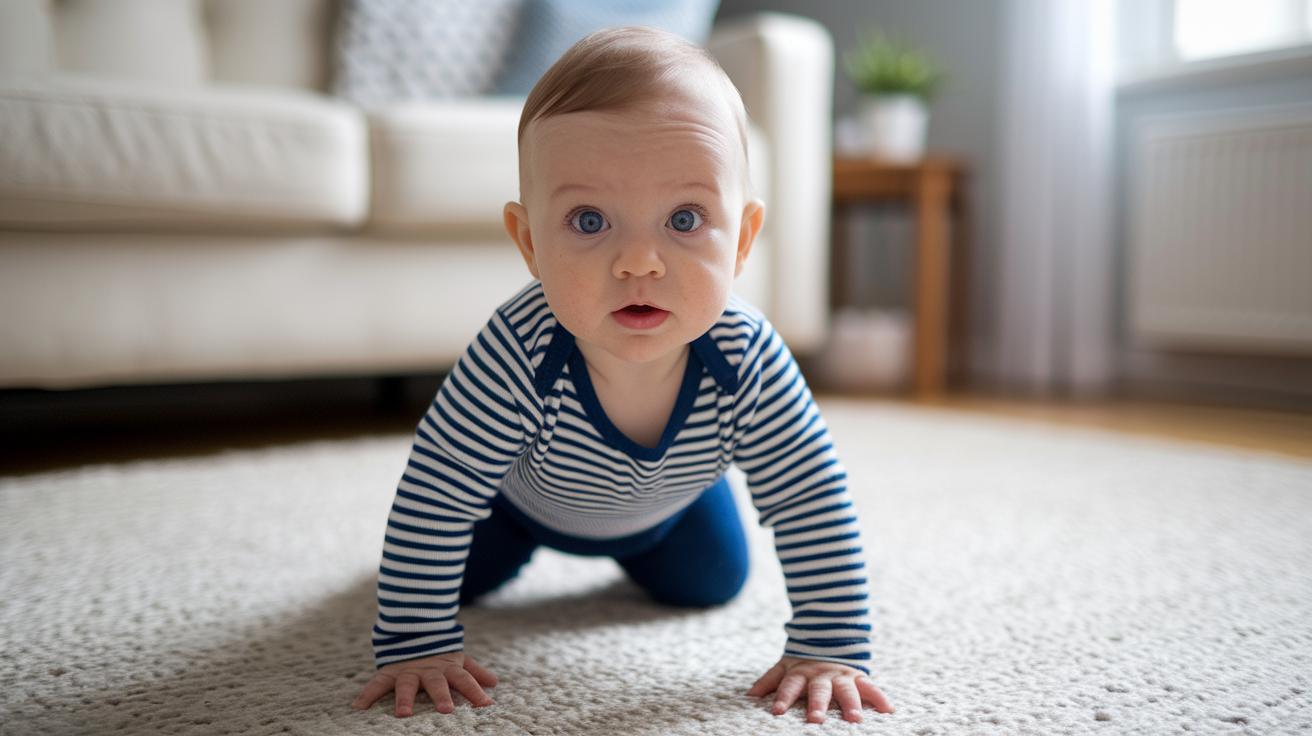
At this stage, your little one starts to move in delightful new ways. Many babies begin by rolling from their back to their tummy, and during tummy time, they steadily push up on their hands. Around six months, you might notice your baby sitting without help for a little while, a clear sign that their core strength is growing. They also start making more purposeful movements as they play and explore with their muscles and coordination.
By seven months, many babies enjoy belly crawling, and by eight months, quite a few switch to crawling on their hands and knees. At the same time, some start pulling themselves up to stand with a bit of support. It's like they're gently saying, "Hey, I’m ready to explore!" This wonderful progress shows that their big movements are paving the way for even more exciting discoveries in their world.
Age-Specific Motor Development Milestones: 9 to 11 Months

• Furniture cruising
• Brief independent standing
• First unsupported steps
This is such an exciting time! Many little ones start showing early signs of independence during these months. You might catch your baby cruising along the furniture, gently holding on as they explore the room. It's almost like they’re on a tiny adventure, feeling everything around them. Sometimes, they even stand on their own for a few precious seconds, what a milestone!
And then, around 11 months, you may see them take their very first steps without any support. It’s a wonderful mix of cautious exploration and the burst of confidence that comes from trying something new. Just imagine the little smile on their face as they move from being careful to taking brave, independent steps.
Remember, every baby is unique. One might quickly cruise along a sofa, while another slowly learns to balance and stand. All these changes, no matter how small, are huge wins on the journey to mobility. Celebrate each moment, it’s all part of your child’s amazing growth story!
Age-Specific Motor Development Milestones: 12 to 14 Months
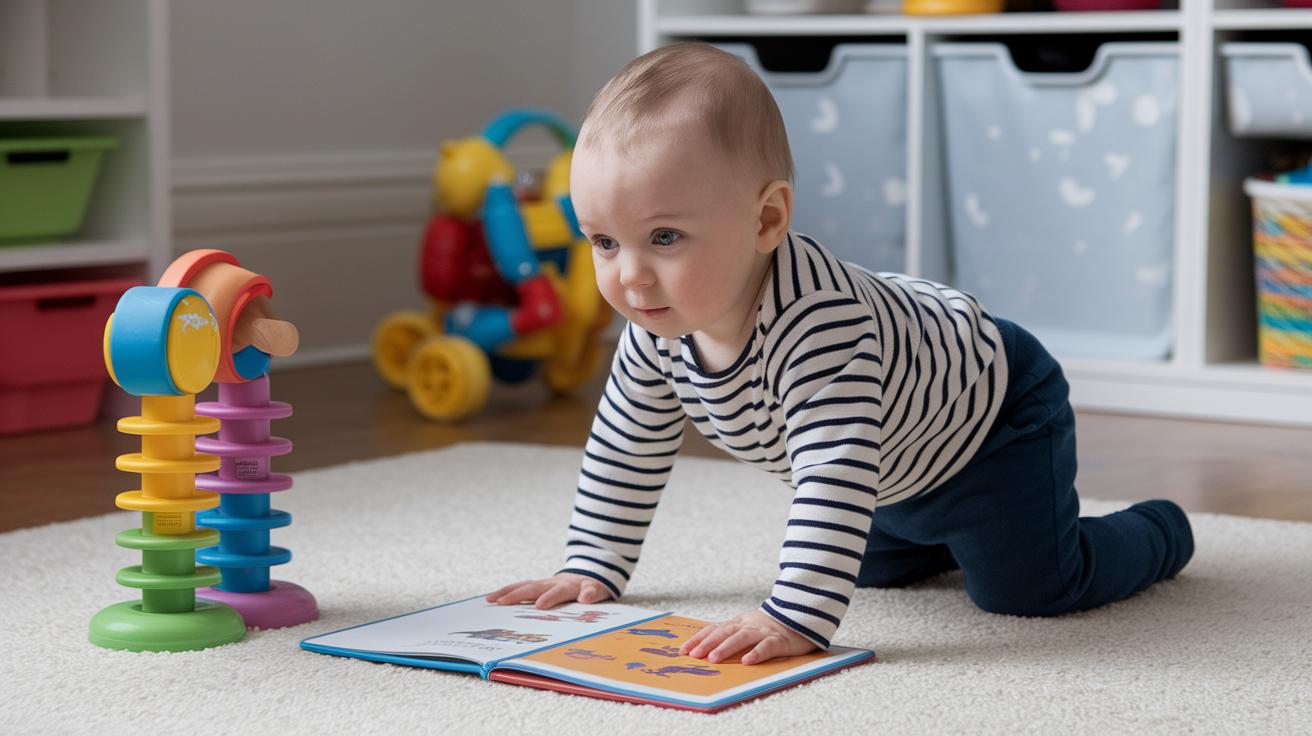
At 12 to 14 months, your little one starts showing big changes in both large and small movements. It’s a fun time when you might see them bear crawling around just to explore their world. They’re practicing moving from sitting to standing and back again, all of which helps build the strength they need for taking their first steps. Some even try climbing a few steps with a bit of help; it’s like they’re saying, “Look, I can move against gravity!”
Fine motor skills are getting more defined too. Babies start enjoying board books on their own and love fitting pegs or shapes into place, which is a fun way to learn how to control their fingers. Their ability to pick up tiny items with a developing pincer grasp is steadily growing. This skill is important for later on, like when they start scribbling and drawing.
Every little achievement is a step forward. It's amazing how their body and mind work together to master new challenges, one small victory at a time.
Age-Specific Motor Development Milestones: 15 to 18 Months
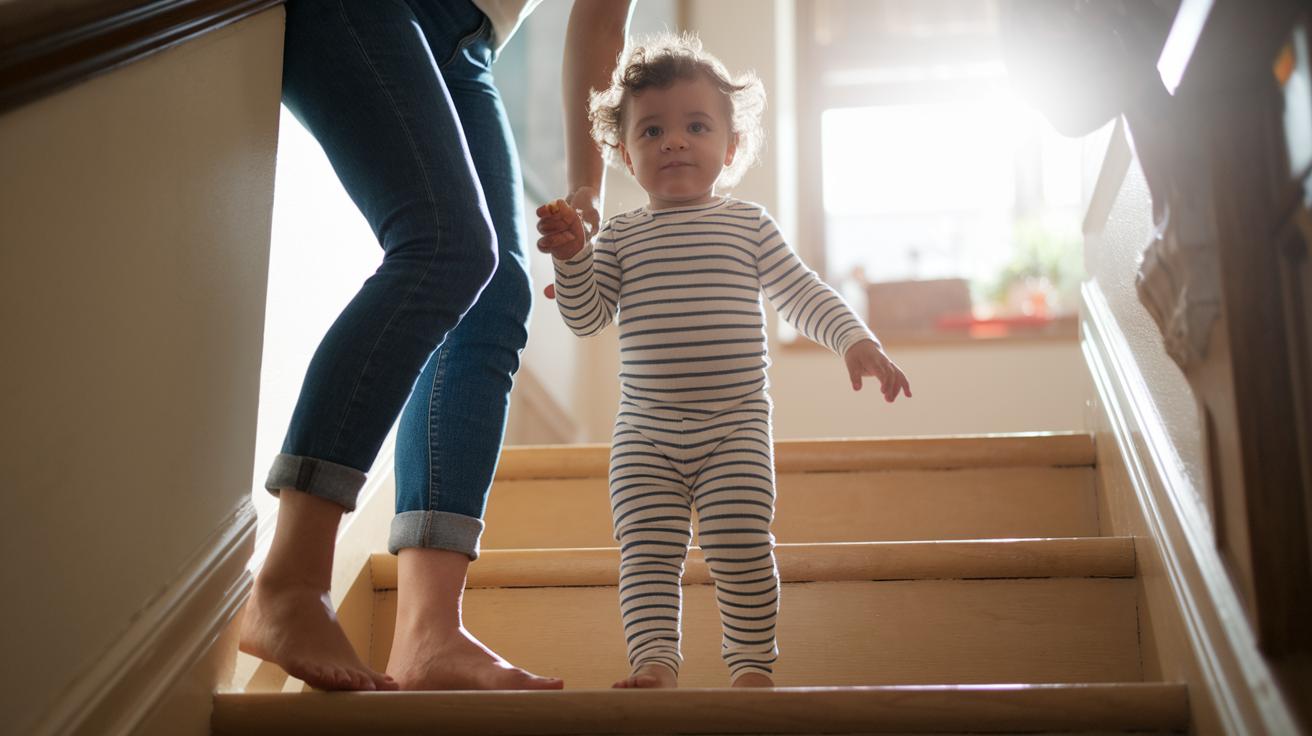
At this age, toddlers are showing off some really exciting improvements in how they move. Many of them start creeping down stairs on their own, a clear sign they’re getting stronger and learning balance. You might see them trying to climb stairs with a little help from a caregiver, kind of like learning the rhythm of going up and down. Some even experiment with taking a few steps backward, a playful way to work on their balance. It’s truly wonderful to watch these little bodies exploring and growing.
Their tiny hands are busy too. Stacking two or three cubes can be a fun little challenge, and soon they’re matching shapes just right. They also start to use a marker with an overhand grip, showing the early steps of drawing and scribbling. Picture a toddler carefully placing blocks one on top of the other, each tiny movement a sign of growing control. Their big movements and small hand skills are both developing, one gentle step at a time.
Age-Specific Motor Development Milestones: 19 to 24 Months
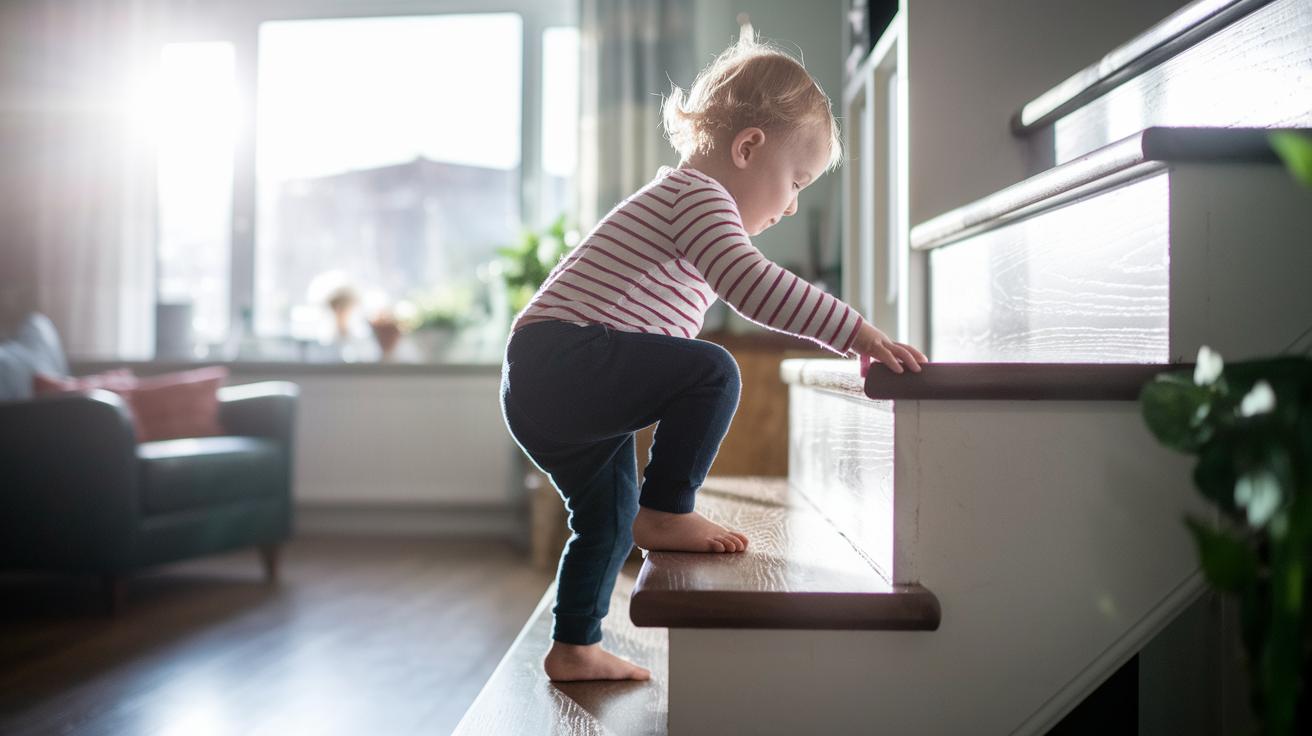
Toddlers now are making wonderful strides in their big muscle skills. They start to run with more balance and confidence, taking steps that show real progress. You might catch a glimpse of them climbing stairs using one foot at a time, building up both their balance and leg strength. Picture a little one climbing with determination, each step giving them more confidence to explore the world around them.
On the smaller motor side, these young ones are fine-tuning their hand skills too. They begin turning single pages in a book and stacking 4 to 6 cubes, showing clear signs of planning and careful coordination. Some even try drawing simple vertical lines, practicing the movements that will help later with writing. Each of these actions helps boost their independence and gently encourages them to take on new challenges.
Age-Specific Motor Development Milestones: 2 to 3 Years
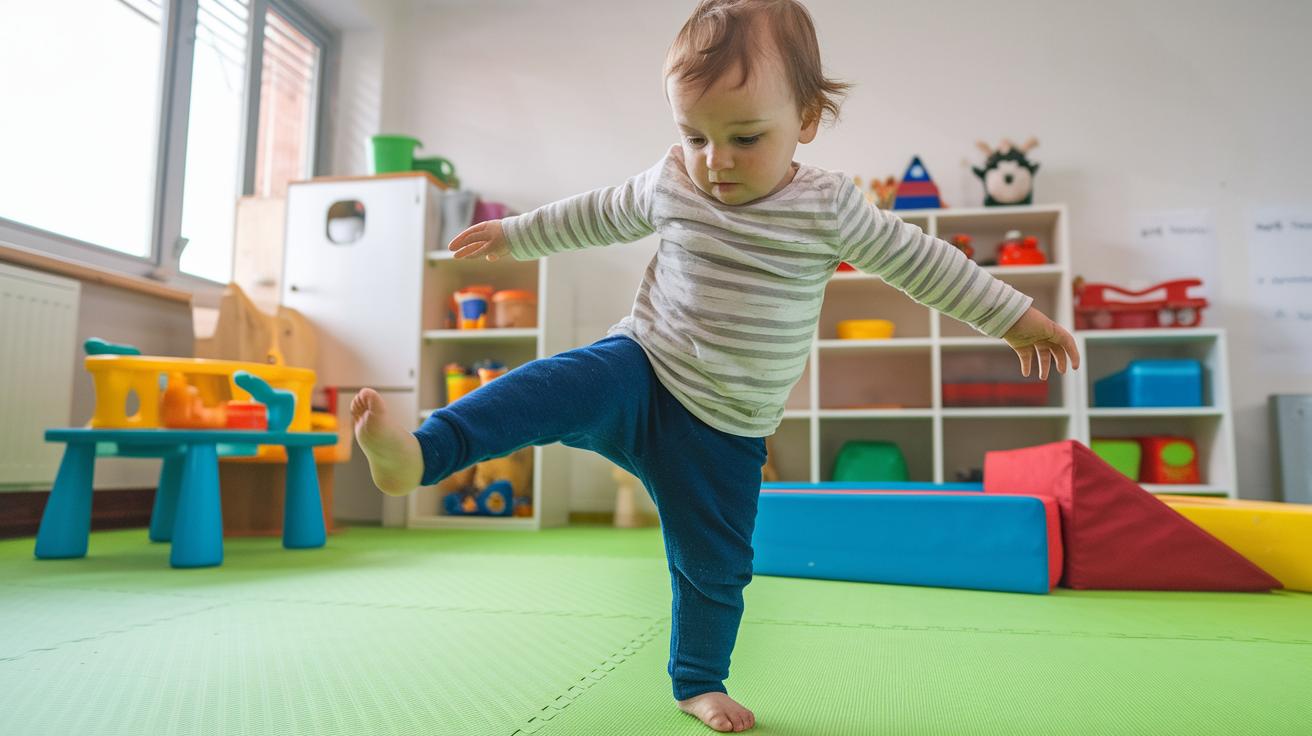
At this age, little ones start to discover how to balance and move with more confidence. They can stand on one leg for a few seconds. This simple skill sets the stage for more playful activities later. They also begin to climb stairs by alternating feet and carefully step down one step at a time. Imagine your toddler taking one careful step after another, each step is a tiny win that builds their strength and awareness.
Fine motor skills also blossom during these years. Many toddlers can stack 8 to 10 blocks, which helps them understand space and planning in a fun way. They begin drawing simple horizontal lines and circles, threading 2 to 4 beads, and even use utensils a bit better. Tasks like unfastening large buttons or safely snipping with scissors show just how much their hand control is growing. Each little action is a gentle mix of practice and natural development that paves the way for more independence every day.
Age-Specific Motor Development Milestones: 3 to 4 Years
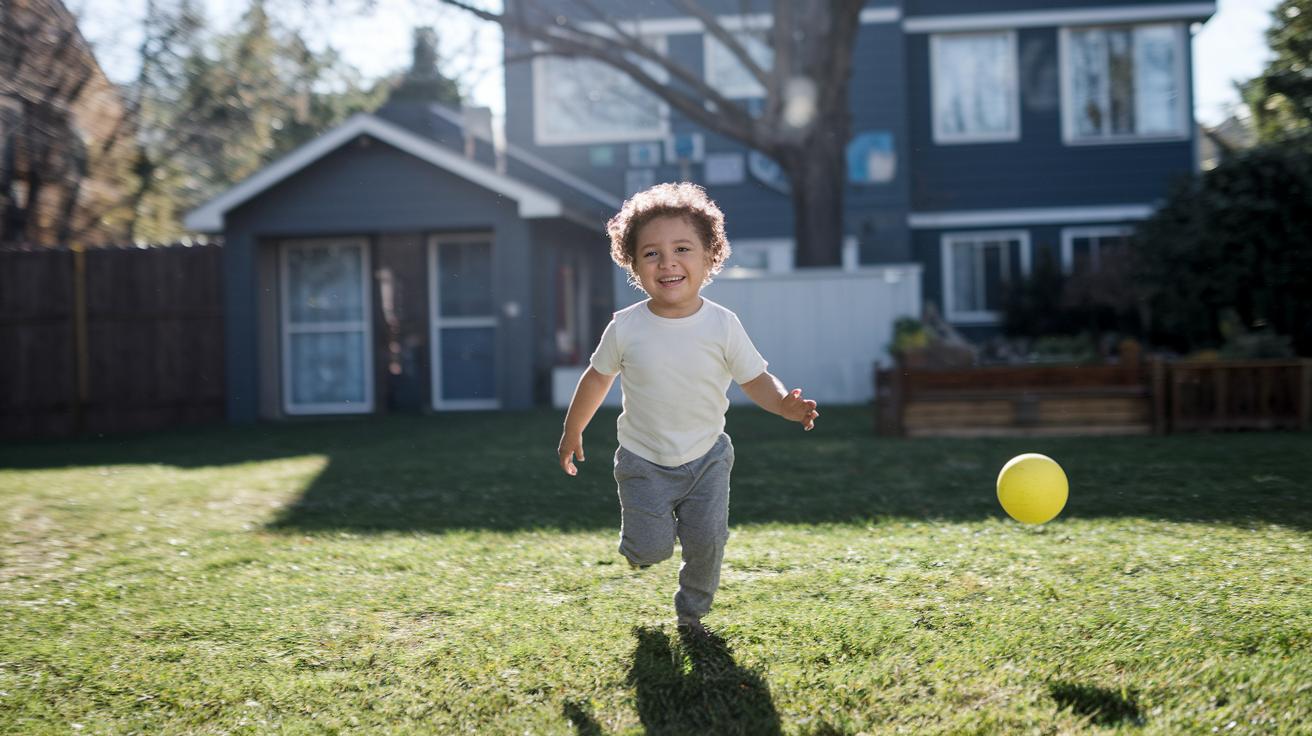
Between ages 3 and 4, little ones start to show off their growing balance and movement skills, and it’s really a joy to see. Many children can now stand on one leg for three to four seconds, which is an exciting step toward tackling even trickier balance challenges. They begin to kick a ball, run with more control, and jump with delightful energy. Picture a child dashing happily across the yard, chasing a bouncing ball, the little triumphs in each movement boost their confidence and mark their progress.
At the same time, their hand skills get better too. Kids start threading through three holes on simple toys, delicately coordinating their fingers while having fun. They also try drawing little crosses made with horizontal and vertical lines, which is an early way to practice skills they’ll need for writing later. Activities like fastening and unfastening small buttons and holding a marker with a tripod grip become playful moments of learning. Even cutting straight lines with scissors helps sharpen their hand-eye coordination. It’s a really special time where every new skill feels like a small, colorful win.
Age-Specific Motor Development Milestones: 4 to 5 Years
• Single-leg hop and balance
• Skipping pattern
• Square drawing and shape cutting
• Consistent hand preference
At this age, little ones start feeling more secure with both big movements and the little ones too. You might see a child happily hopping on one foot over a line at the playground, showing off a new sense of balance that can be built upon with simple challenges, like leaping over a small beanbag.
Their natural skipping can turn into a fun game, imagine playing “skip to the next painted circle” on the ground. Meanwhile, activities such as drawing squares and cutting shapes gently boost hand-eye coordination, kind of like following a simple recipe in the kitchen.
While most preschoolers settle on one hand for drawing and crafts, remember that each child grows at their own pace. Even small differences in these motor skills are normal, and you can help by offering plenty of playful opportunities throughout the day.
Final Words
In the action, we covered motor milestones that bring clarity to each stage. From newborn reflex integration to gross and fine dexterity skills in preschool years, each section offers insight into what to expect as your child grows. The discussion extended from head control to first steps and all the way through balance and coordination, highlighting age-specific motor development milestones. Every detail shared is here to bolster your confidence in nurturing your child’s growth. Keep smiling, and remember every small move is a victory!
FAQ
What are fine motor skills?
The fine motor skills refer to precise movements using small muscles like your fingers and hands. They help with everyday tasks such as grasping tiny objects and manipulating toys.
What is gross motor development in infants 0–12 months?
The gross motor development in infants involves large muscle movements such as head lifting, rolling, crawling, and early walking. These skills help build overall strength and coordination during the first year.
What are the stages of motor development in childhood?
The stages of motor development in childhood span from initial reflex actions at birth to coordinated movements in preschool years, progressing through early control, crawling, walking, and fine skill refinement.
How do gross motor skills change by age?
The gross motor skills change by age as children progress from basic movements like rolling and crawling in infancy to more advanced activities like walking, running, and jumping as they grow older.
Where can I find a developmental milestones pdf?
A developmental milestones pdf consolidates key markers for physical and cognitive growth. It’s often available on reputable child development websites or through pediatric health organizations.
Where can I get a gross motor developmental milestones pdf?
A gross motor developmental milestones pdf provides charts and timelines for large muscle skills. You can usually download it from trusted child health or educational portals online.
What are some examples of fine motor skills?
Examples of fine motor skills include actions like picking up small objects, stacking blocks, drawing lines, and manipulating buttons—all crucial for daily task independence.