Have you ever seen a toddler go from simple babbles to full sentences in just a day? One moment, they only say a few words, and the next, they're sharing full thoughts during play. Even the tiniest steps in language can fill a parent's heart with joy. In this post, we'll explore how a toddler’s language grows so quickly, sometimes even outpacing their thinking. Let's dive into these sweet moments that help shape our little ones into bright, happy kids.
Overview of Language Development Changes During Toddler Years
Toddlers aged 2 to 3 go through incredible changes in the way they use language. At this age, their word bank grows every day, and it’s really amazing to see. One minute they can say something simple like "red apple," and before you know it, they’re putting together longer phrases like "Mummy, get in car." It’s like watching them step from a few words to little sentences that show what they need or feel.
By around 24 months, most toddlers start linking 2 to 3 words, showing that their move from baby babble to real talk is in full swing. They often understand many more words than they can actually speak out loud. This means that what they understand (their receptive language) is growing faster than what they say (their expressive language). And honestly, that’s exactly what we expect as they get ready for more learning ahead.
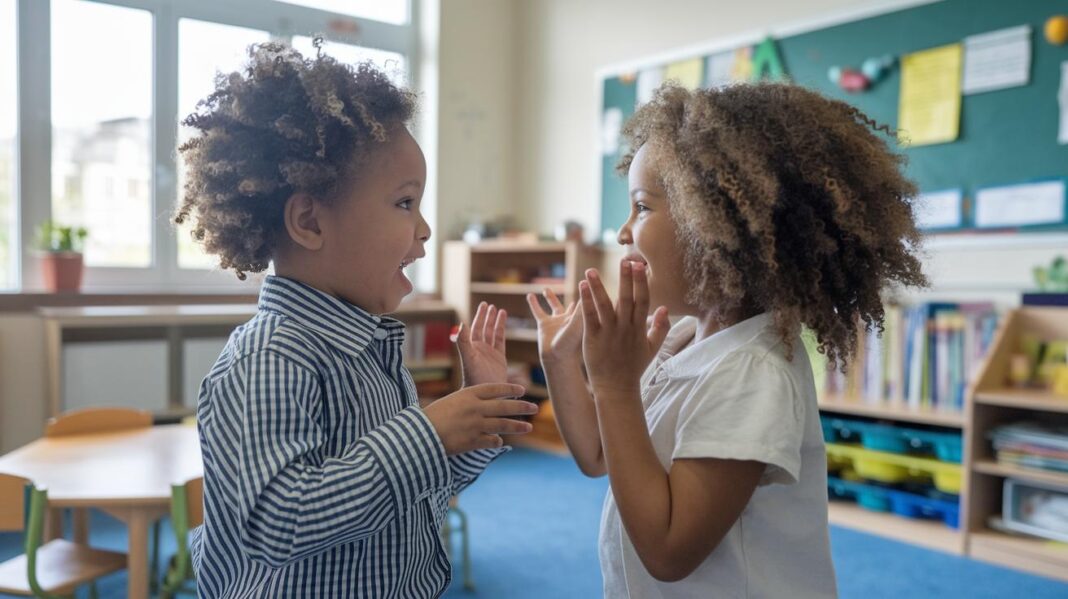
By the time they hit 3 years old, you’ll notice that their speech becomes clearer and more precise. They begin to engage in simple conversations, taking turns to share greetings or little comments. And guess what? Playtime becomes the perfect time for them to practice language. Whether they’re assigning roles to their toys or chatting during group games, these moments help them see how sentences come together in everyday life.
Imagine this: at age 2, some toddlers can understand up to five times more words than they can say! It’s a clear sign of how fast and fascinating their early language growth really is.
Milestones of Vocabulary Expansion During Toddler Years
New studies tell us that most toddlers (ages 2-3) pick up a new word every day. But every child is different. Some learn words quickly and start putting them together sooner, while others need a bit more time and a lot of language-filled experiences.
Take this, for example: one little one might say "happy song" after hearing it a few times, while another might start with hand gestures before using words. Both ways show how each child grows in their own special way.
| Age Group | Language Development Focus |
|---|---|
| Toddlers (2-3 years) | Fast-growing word bank; early phrases begin to form simple sentences |
| Preschoolers (3-4 years) | Longer, more detailed sentences and clearer speech |
Here are some key points from the latest research:
- Every child adds a different number of new words each day.
- Rich, varied language experiences help boost vocabulary.
- Kids start by stringing two words together and then build up to small sentences.
- As children get older, their sentences get more complex.
- Both the child’s environment and their own pace play important roles in language growth.
Speech Progression Patterns During Toddler Years
Around 2 years old, toddlers start stringing together two or three words. They might say things like "red apple" or "I go up." This playful mix of words is their way of trying to share ideas, it’s a big step in learning to talk.
By age 3, their sentences get a bit longer. You might hear a little one say, "Mummy get in car." Research shows that by 36 months, toddlers use sounds more clearly, even if some words still sound a little off compared to adult speech. Sometimes, they pause after a phrase, almost like they're waiting for you to join the conversation.
Listening to and copying familiar voices really helps. When you repeat words clearly, your toddler picks up on that clarity, slowly making their everyday chat clearer and more confident.
Receptive and Expressive Skill Development During Toddler Years
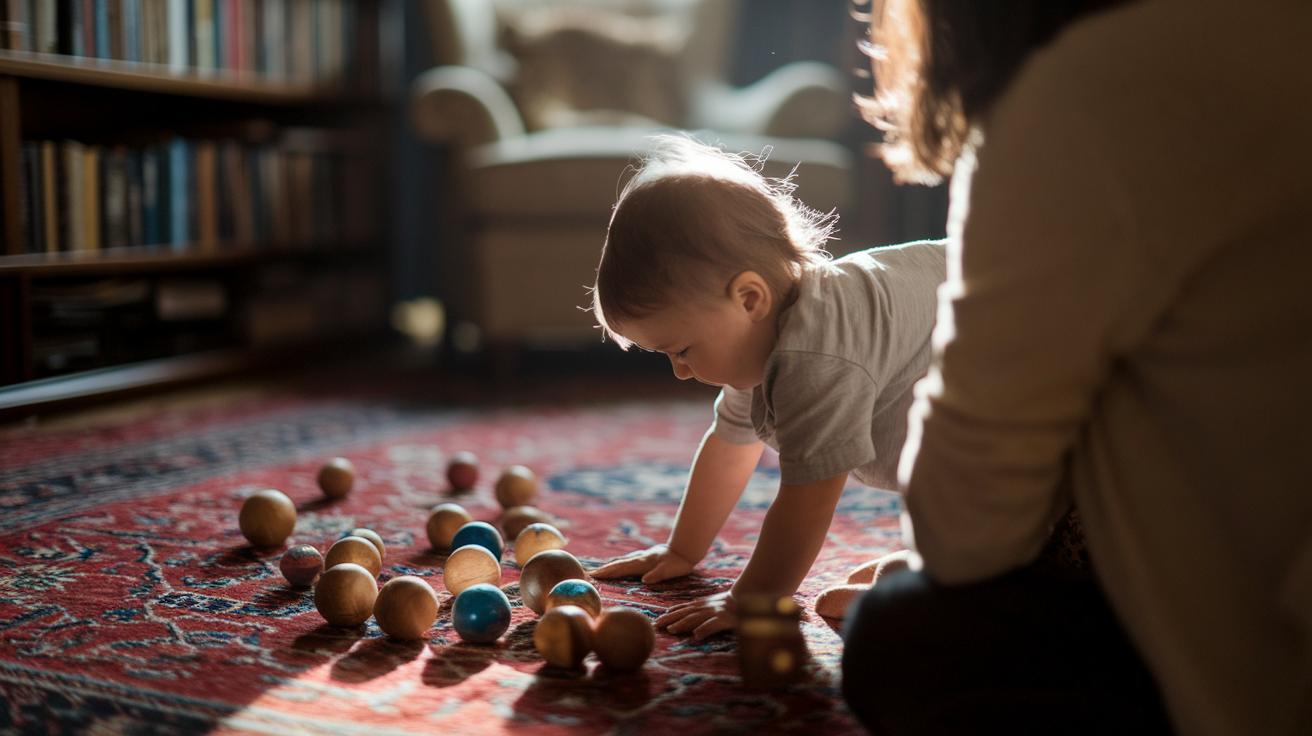
Toddlers soon find out that listening is sometimes even more important than talking. By age 2, they can follow simple instructions like “grab your toy, put it in the basket, and come here,” even if they only reply with one or two words. It’s amazing how much more they understand than they can actually say.
By age 3, kids begin to answer questions like “Where is your hat?” or “What color is the ball?” in short, simple sentences. Their words might still be few or a bit mixed up, but they’re catching on to language everywhere they go. Imagine saying, “Let’s get ready for snack time” and hearing just “Snack now” back, they get the full picture even with fewer words.
Watching a toddler play is truly eye-opening. They start by naming things and slowly build up to speaking in short phrases. When you join them during play, it really helps bridge the gap between understanding and using words, paving the way for even more expressive talking later on.
Variations and Delay Detection in Toddler Language Development
Toddlers grow and learn language at their own pace, and that’s completely normal. Some little ones start putting words together early while others take a bit more time. Have you ever noticed how some kids seem to pick up talking naturally, while others may struggle a little? It’s all part of their unique journey.
If you’re keeping an ear out for your toddler’s speech, here are a few markers to watch for:
- Not saying any single words by 18 months
- Using fewer than 50 words by 24 months
- Not combining two words by 30 months
- Speech that is still mostly hard to understand by 36 months
Sometimes, you might see a slowdown or even a drop in language skills. This can be a sign that your toddler might be experiencing a pause or even a regression in their language development. Remember, every child is different, so these markers really just serve as guidelines during your everyday chats or playtime.
If you start feeling worried about your toddler’s language, don’t hesitate to call in support. A family health nurse, pediatrician, or speech pathologist can help figure out if your little one might need a bit more help. For example, if your toddler used to say “ball” all the time and then suddenly stops using that word, it may be a good idea to get some advice. Watching for these changes and knowing when to ask for a second opinion can really help your child continue to grow and share their wonderful thoughts.
Effective Strategies to Support Language Development During Toddler Years
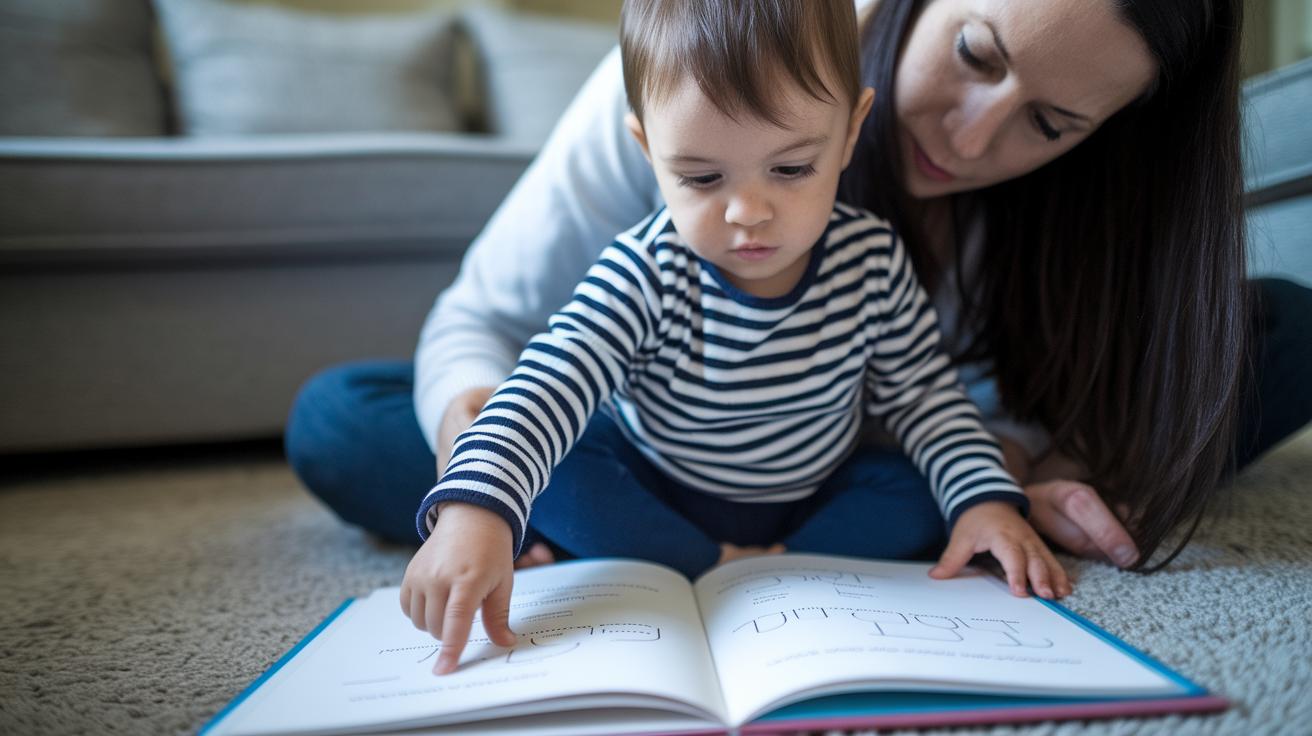
A great way to help your toddler with language is to weave words into your everyday routines. As you work together, try chatting about what you're doing, say something like "Mommy is making breakfast" or "We’re putting on our shoes." This kind of gentle commentary helps your little one match words to everyday actions and objects. For example, during snack time, you might point out, "See the banana? It’s yellow and yummy."
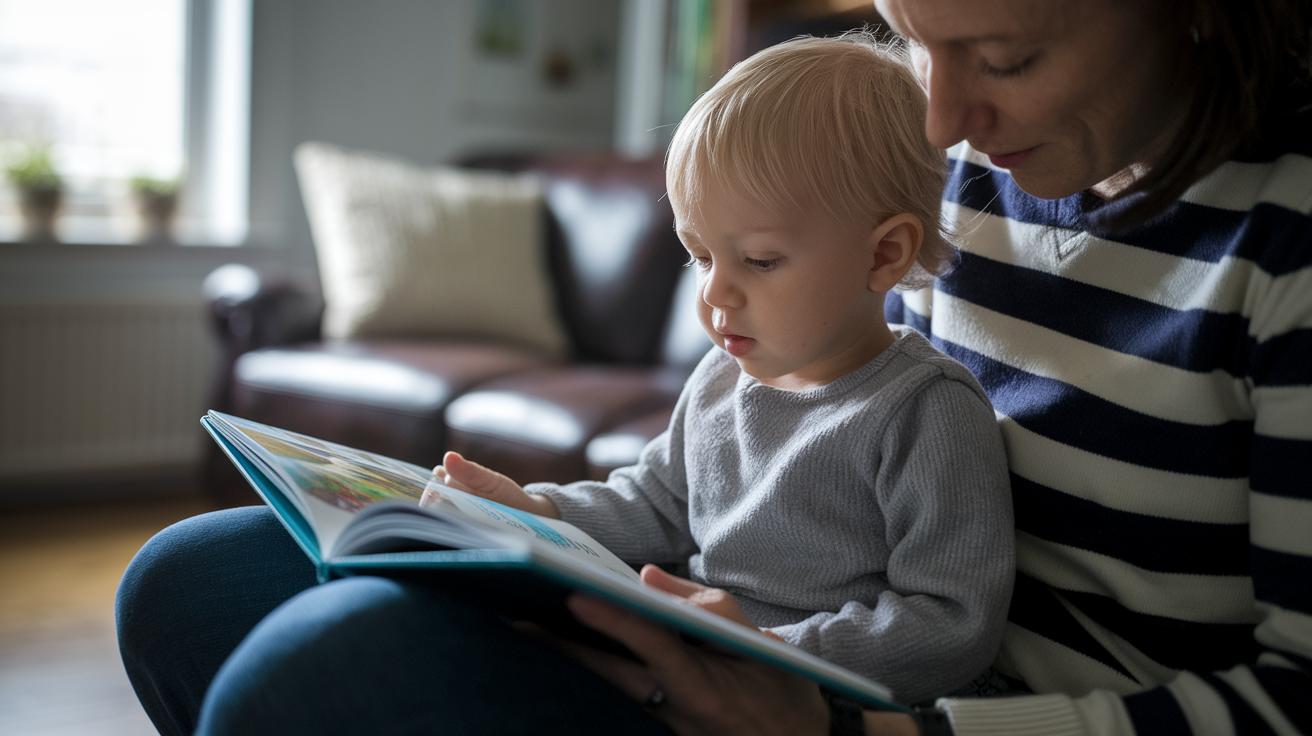
Another fun tip is to read aloud together. Pick books with catchy, repetitive phrases and bright pictures. As you turn each page, point to the pictures and ask simple questions like "What do you see?" or "How does this make you feel?" It helps to play with different voices too, imagine saying, "The dog ran fast. Fast, fast, fast!" This kind of repetition makes learning new words feel like a fun game.
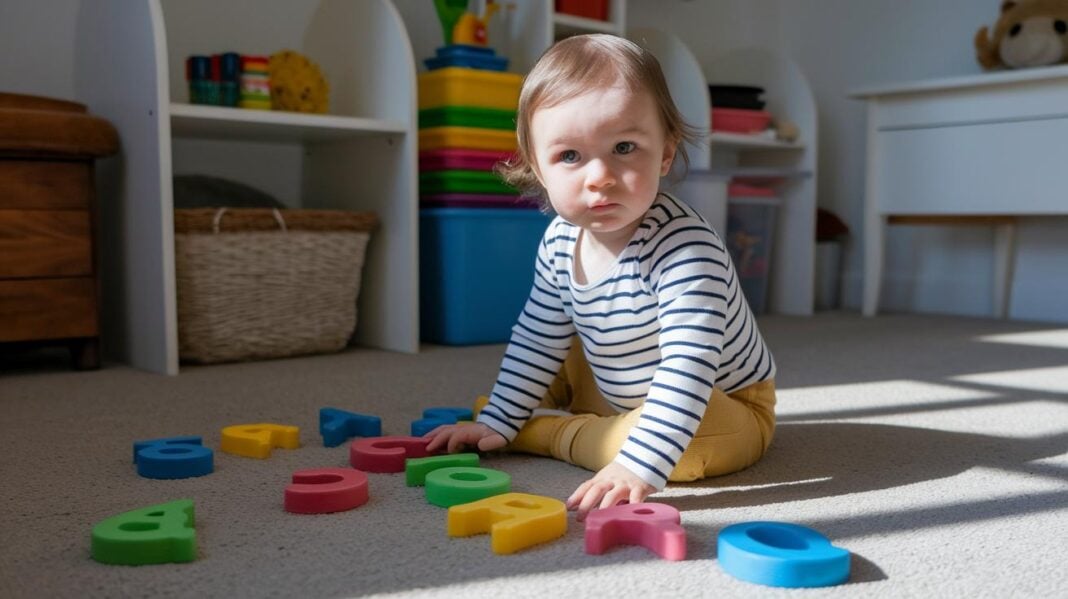
You can also label objects as you go about your day. Whether you're putting together a puzzle or tidying up, name what you're using: "puzzle piece," "toy car," or "soft doll." This practice makes it easier for your toddler to remember and understand words. And when your child uses a word like "car," add a little detail by saying, "Yes, the red car is zooming by!"
Don’t hesitate to sing songs, recite nursery rhymes, and repeat simple phrases regularly. These activities build memory and make language learning playful. You might even set up a mini pretend store where you label food and use phrases like "buy apple" or "pay for bread." It’s a ton of fun and a great way to mix imagination with learning.
Also, look into community resources like parenting groups or kid-friendly activities. These settings give your toddler a chance to chat with others and practice listening. During play, you could ask open-ended questions like "What happens next?" or "Why do you think that is?" This helps spark their curiosity and makes talking feel natural and enjoyable.
The Role of Social Interaction and Play in Toddler Language Development
By age 3, playtime becomes a wonderful opportunity for little ones to explore language in a natural way. When toddlers engage in pretend play or join group games, they try out new words and sentences. For instance, one child might proudly say, "I am the chef" during a game, showing how play helps build their vocabulary and put words into context.
When they share toys and take turns, they learn how conversations flow, when to speak and when to listen. Imagine a group of toddlers passing a ball while saying things like, "My turn now!" and "Wait, please!" These simple exchanges are fun but also teach them the rhythm of talking and listening, which is so important for everyday conversations.
Playtime also helps kids learn practical language skills that they use every day. Games like role-playing and musical chairs let them practice asking questions and giving answers, all while feeling part of a friendly community. Every toy, smile, and laugh during play builds their confidence in communicating clearly and kindly with others.
Final Words
In the action, the article shows how toddler language transformation unfolds with each new word, fun phrase, and little conversation. We looked at vocabulary leaps, building simple sentences, and improvements in speech sounds. Reading aloud, chatting during play, and using everyday routines help boost language growth. Keeping an eye out for any warning signs offers extra care when needed. Changes in language development during toddler years remind us that small, daily interactions can spark big improvements in speech.
FAQ
What are the physical changes in language development during toddler years?
The physical changes in language development during toddler years involve a rapid increase in vocabulary, simple word combinations, clearer speech sounds, and emerging conversational skills as toddlers learn to take turns in dialogue.
What language milestones should be observed in toddlers aged 1 to 3 years?
The milestones in toddlers include starting with single words, then combining 2–3 words by age 2, and moving on to longer sentences by age 3, alongside improved articulation and comprehension.
How does language development progress in toddlers regarding receptive and expressive skills?
The development of receptive and expressive skills shows that toddlers comprehend much more than they can say, follow simple, multi-step directions by age 2, and answer basic questions and engage in brief conversations by age 3.
When should caregivers be concerned about toddler language development or signs of regression?
The need for concern arises if a toddler shows no single words by 18 months, has fewer than 50 words by 24 months, does not use two-word phrases by 30 months, or if previously acquired words are lost, all of which suggest a need for professional evaluation.
What effective strategies support toddler language development?
The strategies that support toddler language development include narrating daily routines, reading aloud, labeling objects, asking open-ended questions, singing, and encouraging play-based interactions that help boost vocabulary and speech confidence.